Table of Contents >> Show >> Hide
- What This Fridge Type Really Means (In Plain English)
- Why 30-Inch Counter-Depth Bottom-Freezer Models Are So Popular
- Measurements That Matter (And the Ones People Forget Until It’s Too Late)
- Capacity Expectations: How Much Can a 30-Inch Counter-Depth Bottom-Freezer Hold?
- Features Worth Paying For (And the Ones You Can Skip Without Regret)
- Real-World Examples (So You Can See How Specs Shake Out)
- Example 1: A “30-inch class” freestanding counter-depth option
- Example 2: A built-in panel-ready bottom-freezer designed for a flush look
- Example 3: Built-in stainless option with a clearly defined cutout
- Example 4: Premium built-in with ice maker and custom-panel integration
- Example 5: Built-in with specialty drawers and multi-zone flexibility
- How to Choose the Right One: A Quick Decision Framework
- Common Mistakes to Avoid
- of Real-World “Experiences” People Have With This Fridge Type
- Conclusion
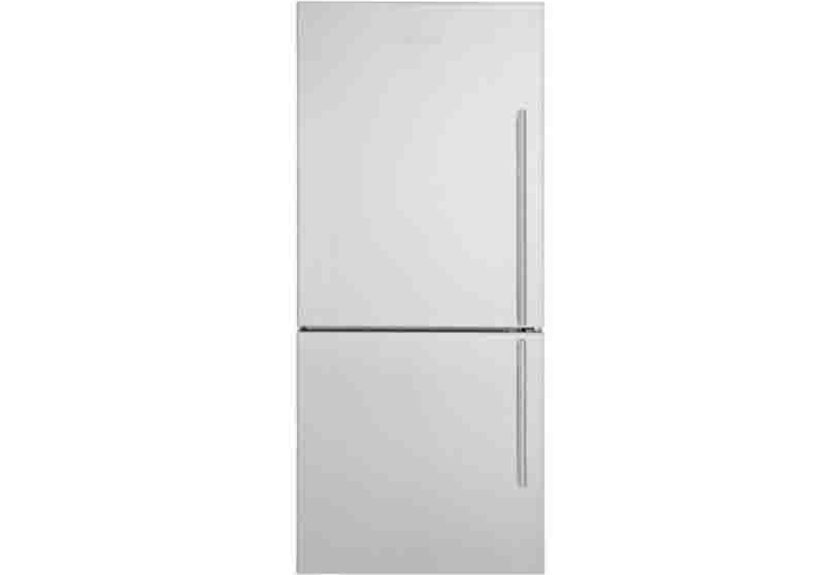
A 30-inch counter-depth bottom-freezer refrigerator is basically the “small kitchen, big standards” fridge.
It’s narrow enough to fit tighter layouts, shallow enough to look more built-in, and designed so your everyday
stuff (milk, leftovers, produce, the mysterious container you swear you’ll label next time) sits at eye level
while frozen foods live below in a drawer.
But here’s the twist: “30-inch” and “counter-depth” are both a little… optimistic. Many models are a “30-inch class”
(meaning they can measure just under 30 inches or a bit over), and many counter-depth fridges still stick out slightly
once you account for doors and handles. Don’t worrynone of this is a dealbreaker. You just need to shop like a pro:
measure like your cabinets are judging you, and pick features that actually matter for how you eat.
What This Fridge Type Really Means (In Plain English)
“30-inch” is a category, not a promise
A fridge advertised as “30-inch” is usually aiming for a 30-inch opening, but the real width can vary. Some built-in
models land around 29 3/4 inches, while others creep over 31 inches. That difference sounds tiny until you’re trying
to slide a refrigerator into a cutout like it’s a game of kitchen Tetris.
Counter-depth vs. standard-depth vs. built-in
Counter-depth is about reducing how far the fridge sticks into the room. Many counter-depth designs target a cabinet-like
depth (roughly the depth of base cabinets), creating a cleaner line with countertops and surrounding cabinetry.
Standard-depth fridges are deeper and typically protrude more.
Built-in refrigerators are often closer to true cabinet depth and are designed for flush installation (usually with a taller
cabinet-style height). Freestanding counter-depth models can still be deeper overall because the doors, seals, and handles
add extra inches beyond the refrigerator box.
Bottom-freezer = fresh food first
Bottom-freezer (also called bottom-mount) refrigerators keep the refrigerated compartment on top and the freezer on the bottom,
usually as a pull-out drawer. It’s popular for a simple reason: most people open the fridge far more than the freezer, so the
things you reach for daily are easier to access. The trade-off is that you’ll bend for frozen itemsthough freezer drawers often
organize better than a top-freezer “ice cave” where peas vanish for months.
Why 30-Inch Counter-Depth Bottom-Freezer Models Are So Popular
They’re made for tight kitchens that still want “nice things”
If you’re working with a smaller footprintcondos, galley kitchens, older homes with slimmer appliance bays, basement apartments,
or a kitchen layout where every inch affects walkway clearancea 30-inch wide refrigerator can be the difference between a smooth
flow and a daily obstacle course.
They deliver a built-in look without fully committing to built-in life
A counter-depth silhouette can make the whole kitchen feel more intentional. You get less “fridge sticking out like a parked truck”
and more “sleek appliance that belongs here.” Even if you’re not doing a full cabinet overhaul, this style often looks custom.
They tend to be better organized (because they have to be)
Counter-depth usually means less front-to-back storage. Brands compensate with smarter shelf layouts, taller cavities, better door
bins, and more deliberate freezer organization. In other words: you might lose some raw volume, but you can gain usabilityespecially
if you’re the kind of person who forgets food exists when it’s hidden behind three condiment bottles.
Measurements That Matter (And the Ones People Forget Until It’s Too Late)
Step 1: Measure your opening like a responsible adult
- Width: Measure at top, middle, and bottom. Use the narrowest number.
- Height: Measure front and back (floors and cabinets are not always level, even if they pretend to be).
- Depth: Measure from the back wall to the front edge of the countertop.
Step 2: Plan for breathing room and ventilation
Refrigerators need airflow so they don’t run hot, loud, and inefficient. Always check the manufacturer’s installation requirements.
As a practical starting point, many installation guides recommend clearance at the back, top, and sides so air can circulate.
Step 3: Door swing and freezer drawer clearance
Bottom-freezer designs have two “movement zones”: the fridge door swing and the freezer drawer path. Make sure you can:
- Open the fridge door fully without hitting an island, wall, or cabinet edge.
- Pull the freezer drawer out without it colliding with an island or blocking the main walkway.
- Stand comfortably in front of the open door/drawer (you need room for humans, not just groceries).
Counter-depth still might stick out
A key reality check: some “counter-depth” refrigerators align closely with countertops at the cabinet box, but the total depth
(including doors and handles) can still extend past cabinetry. When comparing models, look at multiple depth specs:
depth of cabinet only, depth with doors, and depth with handles.
Capacity Expectations: How Much Can a 30-Inch Counter-Depth Bottom-Freezer Hold?
Capacity is measured in cubic feet, and the 30-inch counter-depth category typically lands in a “moderate” zone. You’ll commonly see
totals in the mid-teens to upper-teens, depending on whether the unit is built-in or freestanding and how tall it runs.
How to tell if it’s “enough” without guessing
- Small household (1–2 people): Often comfortable with a well-designed mid-teen capacity.
- Medium household (3–4 people): Possible, but storage style mattersmeal prep, bulk shopping, and freezer habits will decide.
- Big household or bulk shoppers: You may want a second freezer, a garage fridge, or a different fridge size category.
Pro tip: counter-depth can be more forgiving if you’re organized. Adjustable shelves, deep door bins, and a thoughtful freezer drawer layout
can beat a larger, messier fridge where food gets lost behind a frozen pizza from 2022.
Features Worth Paying For (And the Ones You Can Skip Without Regret)
Ice and water: exterior, interior, or none
In 30-inch models, you’ll see a mix:
- Exterior water dispenser: Convenient, but can reduce interior door storage and add complexity.
- Internal water dispenser: Cleaner exterior and often more storage-friendly.
- Ice maker in freezer: Common, but check bin size and whether it steals useful freezer space.
Cooling performance and food freshness tech
Look for features that support stable temperatures and humidity control, especially if you buy produce regularly:
- Humidity-controlled crisper drawers
- Multi-airflow circulation to reduce warm/cold spots
- Dual cooling systems or dual compressors in premium models (helpful for odor transfer control and compartment stability)
Freezer organization (the underrated hero)
A bottom freezer drawer can be amazingor a frozen junk drawerdepending on design. Better setups include:
- Two-tier drawer systems (an upper tray plus a deeper lower bin)
- Dividers or modular bins so small items don’t disappear
- Full-extension slides that don’t feel like you’re wrestling a filing cabinet
Energy use and efficiency
Don’t rely on “this style is always more efficient” claims. Efficiency depends on insulation, compressor design, fan strategy,
and how often you open the doors. Instead:
- Check for ENERGY STAR certification when it fits your priorities.
- Compare annual kWh usage between finalists (your utility bill will appreciate the attention).
Noise level (especially in open-concept homes)
If your kitchen shares space with your living area, noise matters. Some premium built-ins publish sound levels (in dBA),
and quiet operation can be worth it if your fridge is basically your roommate.
Panel-ready and design integration
If you want a seamless look, panel-ready models accept custom cabinet panels. This is most common in built-in refrigerators,
and it can make a 30-inch fridge feel like it was always meant to be there.
Real-World Examples (So You Can See How Specs Shake Out)
Here are a few real models that show the range within the “30-inch counter-depth bottom-freezer” world. These aren’t the only options
but they’re useful reference points for what dimensions, capacity, and features can look like at different price and installation levels.
Example 1: A “30-inch class” freestanding counter-depth option
Some freestanding counter-depth bottom-freezer models land just over 30 inches wide while still targeting a compact footprint.
One example is a model with a listed width a bit above 31 inches, about 17 cubic feet of total capacity, and a bottom freezer drawer.
It also includes an ice and water setup and ENERGY STAR labeling, with published annual energy use.
Example 2: A built-in panel-ready bottom-freezer designed for a flush look
Built-in panel-ready models are designed to integrate with cabinetry. In this category, you’ll see widths just under 30 inches
and depths around true cabinet depth. Many are tall (often over 80 inches) and list a specific required cutout sizebecause built-ins
are not here for “close enough.”
Example 3: Built-in stainless option with a clearly defined cutout
Some built-in bottom-freezer models publish both overall dimensions and a required cutout depth around 25 inches.
If your goal is a clean installation line (and you don’t want your fridge handles sticking out like they’re trying to hail a cab),
these details matter.
Example 4: Premium built-in with ice maker and custom-panel integration
Higher-end built-in models often combine an ice maker, custom panel readiness, and tighter depth profiles (around 24 inches).
The capacity in this tier can be in the low-to-mid teensbecause the “built-in look” sometimes costs you a bit of volume.
Example 5: Built-in with specialty drawers and multi-zone flexibility
Some built-in designs add a convertible drawer that can act as refrigerator, freezer, or beverage/wine storage depending on settings.
If you’re the household that needs a dedicated “snack drawer” (no judgment) or you entertain often, that middle-zone flexibility can
be more useful than an extra cubic foot of general storage.
How to Choose the Right One: A Quick Decision Framework
1) Start with your space constraints
- If your cutout width is truly 30 inches, prioritize models with published width under (or extremely close to) that number.
- If you need a flush look, focus on built-in or true-depth models and verify the cutout depth requirement.
- If you have an island nearby, door swing and drawer clearance become top-tier priorities.
2) Decide what you’re optimizing for
- Max storage in a small width: freestanding counter-depth “30-inch class” models often win on usable space.
- Best built-in look: built-in, panel-ready models shine visually and can feel custom.
- Food freshness and organization: prioritize drawer design, airflow, and humidity controls.
- Low-maintenance living: simpler water/ice setups can mean fewer future headaches.
3) Keep lifespan and ownership costs in mind
Refrigerators are long-term relationships. Many households keep a fridge for a decade or longer. Choosing a model with solid support,
a good warranty, and reasonable energy use can pay off long after the “new appliance glow” fades.
Common Mistakes to Avoid
- Only measuring your old fridge: your old fridge may not reflect the real opening or clearances needed.
- Ignoring handle depth: the cabinet may align, but handles can push the fridge into traffic.
- Forgetting ventilation needs: tight installs without airflow can hurt efficiency and performance.
- Not thinking about the delivery path: hallways, doorways, and tight turns have ended many fridge dreams.
- Assuming “counter-depth” means “flush”: it can be closebut not always perfectly flush.
of Real-World “Experiences” People Have With This Fridge Type
People who move to a 30-inch counter-depth bottom-freezer refrigerator often describe the first week as equal parts “why didn’t I do this sooner?”
and “where did my giant pizza box go?” The biggest day-to-day experience is how the kitchen feels. Because the fridge doesn’t jut out as far,
the room can suddenly feel calmerlike your walkway got a raise. In tighter kitchens, that extra space can be the difference between comfortably
opening a freezer drawer and performing a sideways shimmy worthy of a dance audition.
Another common experience: grocery habits become more intentional. Counter-depth layouts don’t love bulk chaos. If you’re used to stacking
oversized platters three rows deep, you may need to pivot. The upside is that many owners say they waste less food because they can actually
see what they have. The downside is that a warehouse-sized watermelon might require a strategic shelf rearrangement. (Yes, you can absolutely
store it. No, it will not politely make room for your leftovers.)
The bottom-freezer drawer usually earns fans quicklyespecially from anyone tired of crouching in front of a full-height fridge to find the
salad greens hiding behind the ketchup. Fresh food being higher up feels more natural for everyday use: grab milk, grab produce, grab that
“I’m totally going to meal prep” container. Meanwhile, the freezer drawer can be either a dream or a disaster depending on organization.
Households that use freezer bins, label bags, and keep “frequently grabbed” items in the upper tray tend to love it. Households that toss
everything in like it’s a snowstorm? They end up with frozen archaeology. (“Ah yes, ancient dumplings. A fine vintage.”)
Ice and water experiences vary wildly. People who choose an exterior dispenser love the convenienceespecially for kids and entertaining
but some complain about losing door bin space or dealing with fingerprints. People who choose internal dispensers often love the cleaner look
and simpler exterior, but they sometimes miss the one-handed “fill a bottle while texting” convenience. Either way, owners often say the best
quality-of-life upgrade is not the dispenser itselfit’s remembering to replace the filter on schedule, so the water actually tastes like water.
Finally, there’s the “fit anxiety” that shows up before delivery day. This category attracts people with tight spaces, which means measuring becomes
emotional. Many homeowners report triple-checking cutout width, door swing, and the distance to the island, then checking again “just to feel something.”
The good news: when you choose based on real dimensions (not marketing labels), installation tends to go smoothlyand the fridge looks like it belongs.
The great news: once it’s in, you stop thinking about inches and start thinking about dinner. That’s the whole point.
Conclusion
A 30-inch counter-depth bottom-freezer refrigerator is a smart solution for kitchens where space is precious and aesthetics matter.
The key is shopping with your measuring tape in one hand and your real-life habits in the other. Focus on true dimensions (not just “30-inch class” labels),
verify clearances for doors and drawers, and pay for features that match how you actually cook and shop. Do that, and you’ll end up with a fridge that
looks built-in, works efficiently, and doesn’t turn your kitchen into an obstacle course.