Table of Contents >> Show >> Hide
- Why Cartoon Tattoos Hit So Hard
- Cartoon Tattoo Ideas by Fandom
- Style Ideas That Make Cartoon Tattoos Pop
- Important Things to Know Before Getting a Cartoon Character Tattoo
- Building a Cartoon Tattoo Collection Over Time
- Real-World Cartoon Tattoo Experiences: What It’s Actually Like
- Conclusion: Turning Your Favorite Cartoons into Forever Ink
If your heart still skips a beat when you hear a cartoon theme song from the 90s, there’s a good chance your next tattoo is hiding somewhere between Saturday morning TV and your nostalgia-soaked brain. Cartoon tattoos have exploded in popularity, and galleries like Bored Panda’s collection of 130 cartoon tattoo ideas prove just how creative people can get with their favorite animated shows.
From bold full sleeves packed with characters to tiny minimalist outlines that only true fans recognize, cartoon character tattoos let you wear your fandom, your childhood, and your sense of humor all in one shot of ink. They can be loud and chaotic, soft and dreamy, or surprisingly elegantdepending on the style and placement you choose.
This guide breaks down how to turn your all-time favorite animated shows into tattoo ideas that actually work on skin. We’ll talk symbolism, styles, pop culture trends, copyright basics, and real-world experiences so you can walk into your tattoo appointment with a clear vision instead of just saying, “So… maybe like, SpongeBob? But make it deep.”
Why Cartoon Tattoos Hit So Hard
Cartoon tattoos are more than cute drawings on your arm. They’re tiny story capsules. For many people, animated shows are tied to very specific memories: rushing home from school to catch an episode, watching with siblings on the couch, or bonding with friends over a shared obsession with a particular character. A tattoo of that character becomes a shortcut to those feelings.
Cartoon ink also sends a message about personality. A tattoo of a chaotic character like Taz or Courage the Cowardly Dog says, “My brain is noise and caffeine.” A minimalist line art Totoro or Snoopy suggests someone softer, sentimental, maybe a little introverted. Villains like Ursula, Scar, or Harley Quinn usually represent power, rebellion, or “I’m nice, but please don’t test it.”
And then there’s the pure fun of it. Cartoon tattoos are often done in bright, saturated colors and exaggerated proportionsperfect for modern styles like new school or watercolor. They pop on social media, they photograph well, and they age surprisingly gracefully when done by a skilled artist.
Cartoon Tattoo Ideas by Fandom
Not sure which animated universe to turn into ink? Here are some of the most popular directions fans take when they build cartoon tattoo ideas inspired by beloved shows.
1. Classic Saturday Morning Icons
Some of the most recognizable cartoon tattoos come from the golden era of TV animation. Think:
- Looney Tunes characters like Bugs Bunny, Daffy Duck, or Taz, often done in bold outlines and bright colors.
- Tom and Jerry chase scenes, frozen in mid-chaos across a forearm or calf.
- Scooby-Doo and the Mystery Machine, sometimes reimagined in spooky neo-traditional style.
These designs usually lean into slapstick energy: wide mouths, flying limbs, motion lines, and exaggerated expressions. They’re great choices for biceps, calves, or as the focal point in a larger pop culture sleeve.
2. 90s Kids Forever
If you grew up in the 90s, your brain is probably permanently wired to respond to characters from Nickelodeon, Cartoon Network, and early anime dubs. That’s why you’ll see so many tattoos inspired by:
- Rugrats, often done as tiny portraits of Tommy, Chuckie, Angelica, or the whole crew marching across a forearm.
- The Powerpuff Girls, reimagined as fierce feminist icons, complete with sparkles, lightning bolts, or knives instead of lollipops.
- Dragon Ball Z or other shonen anime, with dynamic fight poses, glowing auras, and energy effects wrapping around a limb.
- Teenage Mutant Ninja Turtles slices of pizza, combined with the turtles’ masks for a subtle nod to the franchise.
90s cartoon tattoos work especially well as sleeves because there are so many characters, sidekicks, and background elements to fill space. Clouds, stars, comic-book speed lines, and old-school TV frames keep everything cohesive.
3. Modern Animated Legends
Not all cartoon tattoo ideas have to be retro. Recent shows have inspired an entire generation of fans to get inked. Popular choices include:
- Adventure TimeFinn, Jake, Princess Bubblegum, and Marceline are favorites, often drawn in surreal or psychedelic styles.
- Steven Universegems, weapons, and emotional scenes, rendered in soft gradients and pastel colors.
- Rick and Mortyportal guns, Mr. Meeseeks, or melty sci-fi mashups, perfect for bold new school designs.
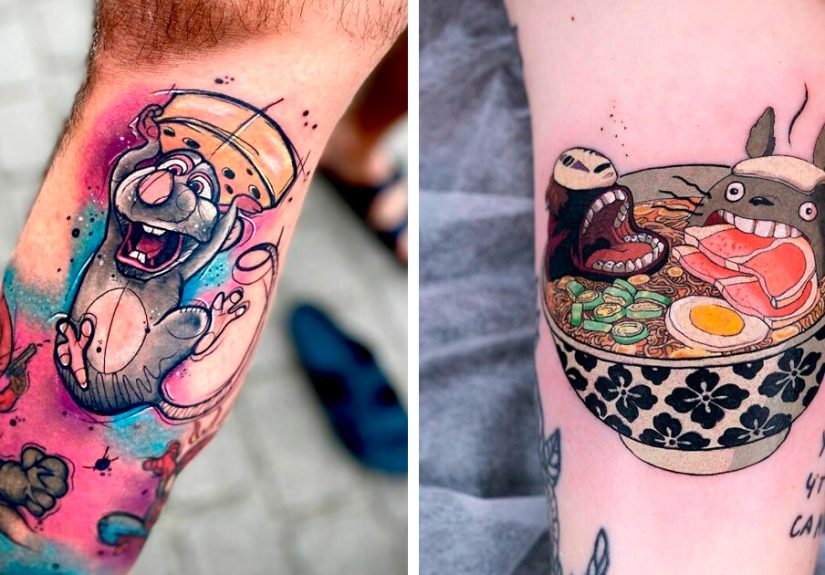
- Studio Ghibli–inspired artTotoro, No-Face, or Howl’s castle, drawn in watercolor or painterly styles for a dreamy, cinematic look.
These designs often blend cuteness with deeper themesgrief, self-discovery, or mental healthmaking them surprisingly meaningful despite their cartoony appearance.
4. Villains, Sidekicks, and Deep Cuts
Everyone loves a main character, but sidekicks and villains often make the strongest tattoos. A small tattoo of Plankton from SpongeBob, a moody Ice King, or a mischievous Gremlin says you know your stuff and you’re not afraid to go offbeat.
Deep cuts from old cartoonsbackground characters, obscure villains, or one-episode wondersalso work beautifully as conversation starters. Only people who watched the show religiously will recognize them, and that’s kind of the point.
Style Ideas That Make Cartoon Tattoos Pop
The same character can look completely different depending on the style you choose. Here are some of the most popular tattoo styles used for cartoon character designs.
New School & Neo-Traditional
New school tattoos are basically cartoons already: bold outlines, dramatic shading, and eye-punching color. They’re ideal for exaggerated expressions, huge eyes, and wild movement. Neo-traditional takes those bold lines and mixes them with more refined shading and limited color palettes, perfect if you want a slightly “grown-up” version of your favorite character.
For example, a new school Bugs Bunny might have larger-than-life teeth, neon carrots, and graffiti-style background shapes. A neo-traditional version of the same character could use muted colors, ornate frames, and classic tattoo motifs like roses or daggers.
Watercolor & Painterly Effects
Watercolor tattoos are popular for animated designs because they mimic concept art and title cards. Think splashes of pink behind the Powerpuff Girls, or a wash of blues and greens swirling around a Little Mermaid–inspired piece.
These designs typically use lighter outlines or even no outlines at all, so choosing a tattooer experienced with watercolor technique is crucial. Otherwise, your dreamy Ghibli-inspired tattoo can blur too much as it ages.
Minimalist & Micro-Realism
Not everybody wants a full-color arm party. Minimalist cartoon tattoos use single-line drawings, tiny silhouettes, or small icons from a show: a pair of yellow round glasses, a familiar spaceship, or just the outline of a character’s head.
Micro-realism takes things in the opposite direction: tiny but highly detailed color portraits. You might see a thumb-sized SpongeBob or a detailed Pikachu that looks like a sticker on the skin. These pieces require an artist who specializes in ultra-fine lines and delicate shading.
Placement Ideas for Cartoon Tattoos
Placement changes the entire vibe of your design. Some popular spots for cartoon tattoos include:
- Forearm: Great for medium-sized character portraits or a small scene.
- Calf: Perfect for vertical designs like standing characters or stacked cameos.
- Thigh: Allows for larger story pieces with backgrounds and multiple characters.
- Upper arm and shoulder: Classic placement for cartoon sleeves or patchwork collections.
Many people build “sticker sleeves” over timeadding one small cartoon tattoo at a time, leaving skin between each piece instead of filling every inch. This method works well if your favorite shows span different eras and art styles.
Important Things to Know Before Getting a Cartoon Character Tattoo
Respect Copyright and Fan Art
Most cartoon characters are copyrighted, which means technically, replicating them exactlyas they appear in official artcan raise intellectual property issues. In practice, big studios rarely chase down individual fans with tattoos, but artists and legal experts point out that exact copies of copyrighted characters are still technically infringing.
The safest and most creative solution is to work with your tattoo artist on a stylized or original version of the character. That might mean changing the pose, altering the composition, putting the character into a new scene, or merging them with classic tattoo motifs. Some tattooers also prefer to draw fan art rather than copying existing frames or promotional art line-for-line.
Choose the Right Artist for the Job
Not every artist is great at cartoon tattoos, and that’s okay. You’re not looking for “someone who can handle black ink.” You’re looking for someone whose portfolio already features bright, clean lines, smooth gradients, and juicy color saturation.
When browsing portfolios, look for:
- Lines that are crisp and consistent, even around tiny details like eyes and mouths.
- Colors that look even and rich, not patchy or dull.
- Healed photos, not just fresh tattoosthese show how the work actually ages.
If an artist has previous cartoon, anime, or pop culture tattoos in their portfolio, that’s a great sign. Bonus points if they play around with mashups or mixed styles.
Avoiding Tattoo Fails
Cartoon tattoos are cuteuntil they’re not. Galleries of tattoo fails exist for a reason, and ruined cartoon characters are some of the most common offenders. Distorted faces, wrong colors, and wobbly outlines can turn your childhood hero into a permanent jump scare.
To dodge disaster:
- Never bargain-hunt for tattoos. A cheap rate can cost you far more in cover-up or laser removal later.
- Bring multiple reference images of the character from different angles so your artist understands the design.
- Be willing to size up. Overly tiny portraits with tons of detail are more likely to blur over time.
If something in the stencil looks offeyes not aligned, weird proportions, “Why does Pikachu have human teeth?”speak up before the needle starts.
Building a Cartoon Tattoo Collection Over Time
One of the joys of cartoon tattoos is how well they stack. You don’t have to plan a full sleeve from day one. Many people start with one small piecemaybe a single character that meant everything growing upand then slowly add more tattoos from other shows, movies, or comics.
To keep things cohesive as your collection grows:
- Pick a consistent style (for example, all new school, or all minimalist line drawings).
- Use recurring background elements like stars, sparkles, clouds, or geometric shapes.
- Stick to a core color palette so your arm doesn’t look like a random sticker bombunless that’s exactly what you want.
Some fans go a step further and create crossover pieces: characters from different shows interacting in one scene. Imagine an old-school TV frame containing a mashup where a 90s cartoon character is sitting with a modern animated icon. It’s not just ink; it’s a tiny multiverse on your skin.
Real-World Cartoon Tattoo Experiences: What It’s Actually Like
So what does it feel like to turn your favorite animated shows into permanent body art? People who’ve done it often describe the experience as part nostalgia trip, part therapy, and part chaotic fun.
It usually starts at the consultation. You bring reference imagesscreenshots, fan art styles you like, maybe a photo of your old lunchboxand talk through what matters most. For some, it’s accuracy: “His hat has to be this exact shade of green.” For others, it’s emotion: “I want this scene where the character finally stands up for themselves.” The best artists listen closely, then suggest adjustments so the design works with anatomy, flow, and long-term healing.
On tattoo day, the stencil goes on, and this is the first moment it feels real. Seeing a character you’ve known for years suddenly wrapped around your arm or sitting over your heart can be surprisingly emotional. People sometimes tear upnot because of the needle, but because the design anchors a moment in their life. A Sailor Moon–inspired tattoo might mark a period of reclaiming femininity and strength. A goofy SpongeBob, on the other hand, might commemorate a friend group that got each other through rough years by quoting the show nonstop.
During the session, cartoon tattoos can take longer than you’d expect because of all the color changes and small details. Every eye highlight, tiny tooth, and shadow line contributes to whether the character looks “right” in the end. Many fans describe the buzzing needle combined with the slow appearance of color as oddly soothingalmost like watching your own skin get live-animated.
Healing is pretty standard: a few days of tenderness, some peeling, lots of moisturizer, and sun avoidance. But there’s a specific kind of joy in seeing the colors settle. Once the redness fades, a well-done cartoon tattoo looks like a sticker or patch right on the skin. That’s when people really start showing it offrolling up sleeves, sending photos to group chats, or posting their new ink to social media where other fans immediately recognize the reference.
Long term, most people say their attachment to cartoon tattoos actually grows. Instead of feeling embarrassed by having a “kid’s character” on their body, they see it as a little protective amulet of joy. A rough day hits, they catch a glimpse of their favorite character in the mirror, and suddenly things feel a bit lighter. For some, these tattoos also become conversation starters that lead to new friendships (“Wait, is that a tiny Courage the Cowardly Dog?”).
Of course, not every story is perfect. A few people do outgrow certain fandoms or wish they’d gone bigger, more stylized, or with a different artist. But even those experiences can turn into something meaningful through cover-ups or add-onsturning an old design into part of a larger sleeve, or layering new symbols and backgrounds around a character to reflect how their relationship with that show has evolved.
In the end, cartoon tattoo experiences tend to circle back to the same feeling: joy. Joy in claiming your interests loudly, in honoring the shows that carried you through childhood or tough adult years, and in turning something ephemerallike episodes streaming on a screeninto living art that moves with you through life.
Conclusion: Turning Your Favorite Cartoons into Forever Ink
Cartoon tattoos sit at the intersection of art, memory, and fandom. Whether you’re planning a simple outline of a beloved character or a full-color sleeve packed with references, the key is intention: choosing designs that actually mean something to you, and working with an artist who can translate those designs into durable, flattering, and expressive body art.
Use massive inspiration galleries like Bored Panda’s 130 cartoon tattoo ideas as a starting point, then let your imagination (and your artist) take over. Blend characters, experiment with styles, and don’t be afraid to bring your own story into the design. After all, the best cartoon tattoos don’t just say what you watchedthey say who you became because of it.