Table of Contents >> Show >> Hide
- Before You Start: Know What a Double Eyelid Actually Is
- Way 1: Use Makeup to Create the Illusion of a Crease
- Way 2: Try Eyelid Tape or Eyelid Glue for a Temporary Fold
- Way 3: Consider a Professional Consultation About Double-Eyelid Surgery
- Which Method Is Best?
- Common Mistakes to Avoid
- Experiences Related to “3 Ways to Make a Double Eyelid”
- Conclusion
- SEO Tags
Let’s start with the most important truth in the room: there is nothing wrong with a monolid, a hooded lid, a visible crease, or any other eye shape your mirror decided to give you. Beauty trends change faster than group chats, and eyelids have somehow become one of the internet’s favorite tiny obsessions. If you’re curious about creating a double-eyelid look, that’s fine. Just treat it like styling, not self-worth.
This guide covers three common ways people create a double eyelid: makeup, temporary eyelid tape or glue, and a professional surgical consultation. The goal here is not to tell you that one eye shape is “better.” It is to explain what each option can realistically do, where the tradeoffs show up, and how to approach the delicate eye area without turning your morning routine into a regrettable science experiment.
Before You Start: Know What a Double Eyelid Actually Is
A double eyelid simply means there is a visible crease on the upper lid. Some people have a naturally defined fold. Others have a flatter lid space, often called a monolid. Neither is more attractive by default. They are just different features, much like freckles, dimples, or the mysterious talent some people have for taking perfect selfies in terrible lighting.
If you want to create the appearance of a crease, you are usually doing one of two things: using color and shadow to fake dimension, or physically changing how the lid skin folds for a temporary or permanent effect. That difference matters, because the more physical the method, the more caution you need.
Way 1: Use Makeup to Create the Illusion of a Crease
If you want the safest, cheapest, and easiest place to start, makeup wins by a mile. A well-placed matte shadow can mimic depth, lift the eye visually, and create the look of a subtle crease without adhesives or procedures. It also washes off at the end of the day, which is a very underrated personality trait.
How It Works
Instead of forcing the eyelid to fold, makeup creates a shadow where a fold would naturally appear. This works especially well if your goal is visual definition in photos, on video calls, or with full-face makeup. It is not permanent, but it can be surprisingly effective.
How to Do It
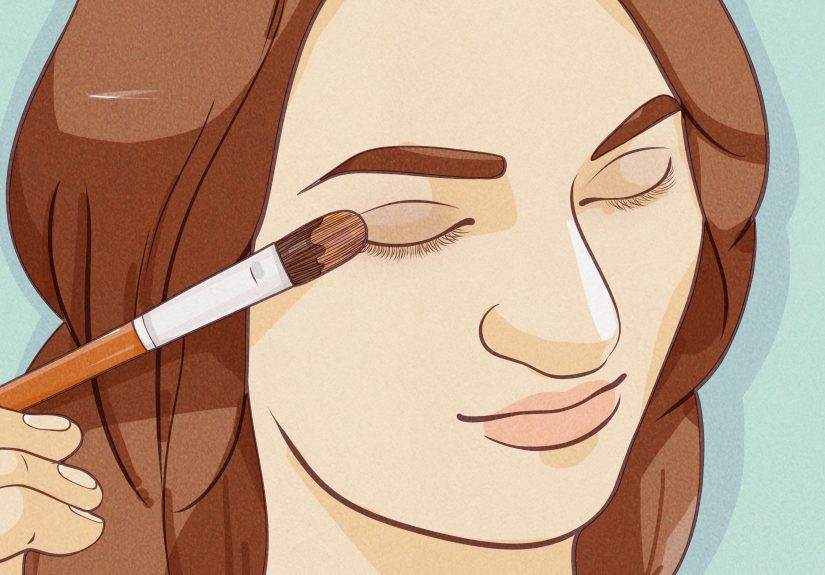
Start with clean lids and a small amount of eye-safe primer if you use one. Pick a matte shade slightly deeper than your skin tone. Avoid super-shimmery colors for the crease area at first, because shimmer tends to reflect light rather than create depth. Look straight into the mirror and mark where you want the crease effect to appear, usually just above the natural lash line and visible when the eyes are open.
Use a small blending brush to sketch a soft line where the fold would sit. Keep it faint. You are aiming for “subtle dimension,” not “dramatic theater villain at 8 a.m.” Blend upward to diffuse the edge, then add a slightly deeper tone at the outer corner to lift the shape. A thin eyeliner line near the lashes can reinforce the look, and curled lashes often make the effect more noticeable.
Why People Like This Method
Makeup gives you control. You can create a tiny, natural-looking crease one day and a more dramatic lifted effect the next. It is inexpensive, non-permanent, and less likely to irritate the eye area than sticky products, assuming your products are fresh and you remove them gently. It also lets you experiment with placement before deciding whether you even like the look.
Its Downsides
The effect disappears when you wash your face, and it takes practice. Symmetry can be annoying, especially if your eyes are not identical. That is normal, by the way. Nearly everyone’s eyes are a little asymmetrical. Makeup just has a rude habit of making us notice it more.
Still, for most people, this is the smartest first step. It changes the look without asking your eyelids to sign a long-term contract.
Way 2: Try Eyelid Tape or Eyelid Glue for a Temporary Fold
Eyelid tape and eyelid glue are popular because they can create a more obvious fold than makeup alone. These products work by encouraging the upper lid skin to crease in a specific place. Some come as pre-cut strips, while others use a glue-and-fiber system. In theory, it sounds simple. In practice, it is a little bit makeup trick, a little bit engineering project, and a little bit “please cooperate, left eye.”
How to Use It More Safely
Always start with clean, dry skin. Do not use tape or glue on irritated, broken, itchy, or inflamed skin. If your eyelids are already red, flaky, or sensitive, this is not the day for adhesives. Place the product only where the instructions recommend, then check the fold with your eyes open before pressing everything into place. If you use makeup with it, less is usually better. Heavy cream products can reduce adhesion and encourage rubbing, which the eye area absolutely does not need.
When removing the product, be patient. Do not yank, peel aggressively, or turn the process into a tug-of-war with your own face. Use a gentle remover if the product allows it, and support the skin as you lift away the adhesive. The eyelid skin is thin and easily irritated, so drama is best kept in your eyeliner, not your removal technique.
Who Should Be Extra Careful
If you deal with dry eye, frequent irritation, eyelid dermatitis, contact allergies, blepharitis, or ongoing sensitivity around the eyes, tape or glue may not be a great match. Stop immediately if you notice burning, swelling, redness, blurred vision, or the feeling that something is stuck in your eye. That is your cue to remove the product and let your lids take the rest of the day off.
Why This Method Appeals to People
The result can be more visible than contouring with shadow alone. For photos, events, and short wear, some people like how precise the fold looks. It can also help you test where you would want a crease before ever speaking to a professional about anything more permanent.
The Tradeoffs
The learning curve can be steep. Tape may show in certain lighting, glue can feel stiff, and humidity has a way of humbling even the most optimistic beauty routine. More importantly, wearing these products too often or too long can stress the lid area. Temporary should actually mean temporary. Sleeping in tape, wearing it every day for long stretches, or piling product over irritated skin is not a beauty hack. It is an invitation for your eyelids to file a complaint.
Way 3: Consider a Professional Consultation About Double-Eyelid Surgery
If you want a long-lasting change, the only real permanent option is surgery, commonly discussed under the broader umbrella of blepharoplasty or double-eyelid surgery. This is not a DIY topic, not a bargain-bin topic, and definitely not a “my friend saw a video about it” topic. A consultation with a qualified professional is where facts should replace fantasy.
What a Consultation Can Tell You
A good consultation should cover your anatomy, goals, skin quality, recovery expectations, and the limitations of surgery. It should also make clear that surgery is not a magic filter. It can change the lid crease, but it cannot guarantee perfect symmetry, erase every insecurity, or turn a real face into an edited image.
Ask about training, certification, experience with eyelid procedures, before-and-after photos, and what kind of results are realistic for your features. A reputable professional should be comfortable discussing not only benefits, but also what can go wrong.
Risks You Should Take Seriously
Because the eyes are delicate, surgical risks matter. These can include bleeding, infection, dry eyes, irritation, trouble closing the eyes, scarring, changes in lid position, blurred vision, and, in rare cases, vision-threatening complications. Recovery also takes time. Swelling and bruising are common, and final results are not instant. Anyone who markets eyelid surgery like it is as casual as getting bangs is selling the fantasy version, not the medically responsible one.
When a Consultation Makes More Sense Than Guesswork
If you have tried makeup and temporary products and still feel strongly that you want a lasting change, a consultation is more responsible than collecting random online opinions. It does not commit you to surgery. It simply gives you a medically grounded understanding of the options, the risks, and whether you are even a suitable candidate.
Which Method Is Best?
The answer depends on your goal. If you want flexibility and low commitment, makeup is the best starting point. If you want a stronger temporary effect for occasional wear, tape or glue may work, but only if your skin tolerates it well and you use it gently. If you want permanence, only a qualified professional can tell you whether surgery is appropriate.
In most cases, the smart order is simple: try makeup first, experiment carefully if you choose temporary adhesive products, and treat surgery like a real medical decision rather than a trend challenge. Your eyelids are not a craft project.
Common Mistakes to Avoid
One major mistake is chasing perfect symmetry. Human faces are not built with a ruler. Another is using expired eye makeup or dirty tools. If a mascara or liner has been in your bag since ancient history, let it go. The museum does not want it either. A third mistake is ignoring irritation. Redness, itching, or swelling is not part of the beauty journey. It is a warning sign.
It is also wise to avoid stacking every method at once. Heavy glue, thick tape, strong eyeliner, glitter, and aggressive rubbing do not create a better result. They create chaos. The most believable eyelid styling is usually the softest and most controlled.
Experiences Related to “3 Ways to Make a Double Eyelid”
People who explore this topic often start for very different reasons. Some are simply curious because they saw a tutorial online and wondered whether they could recreate the look. Others want more lid space for eyeliner, false lashes, or certain eye shadow styles. Some are influenced by beauty trends, family comments, or celebrity photos. That range of motivations matters, because the emotional experience is often bigger than the eyeliner brush in your hand.
Many people who begin with makeup say the process feels empowering at first. It is creative, reversible, and surprisingly technical. You learn quickly that the crease you imagined in your head may need to sit higher or lower than expected. You also learn that one eye may cooperate while the other behaves like it was hired by a rival brand. Over time, though, practice tends to improve the result. People often report that once they stop trying to copy someone else’s exact eye shape and start working with their own anatomy, the look becomes softer and more flattering.
Experiences with eyelid tape are more mixed. Some users love the immediate fold and the way it shows up in photos. Others say it feels obvious, fiddly, or uncomfortable after a few hours. A common experience is discovering that placement changes everything. A strip placed a millimeter too high can look unnatural. Too low, and it disappears. People also mention that the tape behaves differently depending on weather, skin oil, and whether they are wearing mascara or liner. In other words, eyelid tape can work, but it rarely works like a one-click filter.
There is also the issue of sensitivity. A number of people find that even when the fold looks nice, the eyelid skin does not enjoy the routine. Mild redness, itching, or a tight feeling can make the experiment less glamorous than expected. That often becomes the turning point where users decide that occasional wear is fine, but daily use is too much trouble for too little payoff.
People who move on to professional consultations often describe the experience as clarifying. Not because they immediately choose surgery, but because they finally hear realistic answers. A consultation can reveal that their expectations were too high, that their anatomy may respond differently than social media suggested, or that the downtime and risks are more serious than they assumed. For some, that conversation confirms they want to proceed. For others, it is the exact moment they realize that makeup already gives them enough of the look they wanted.
One of the most useful lessons people share is this: the more emotionally charged the goal is, the more important it is to slow down. If someone is exploring double-eyelid styling because they feel pressured, criticized, or “not pretty enough,” the experience often feels frustrating no matter which method they choose. But when they approach it as optional styling, like trying a new haircut or eyeliner shape, the process tends to feel lighter and healthier. That mindset shift does not just change the result. It changes the whole experience.
In the end, the real-life stories around this topic are less about “fixing” an eye shape and more about trial, comfort, identity, and personal preference. Some people try one method once and move on. Some become experts with a blending brush. Some decide temporary products are enough. Some book consultations. And some discover that the feature they thought needed changing looked perfectly good all along. That may be the most useful experience of all.
Conclusion
If you want to create a double-eyelid look, the safest route is usually makeup, the most visibly temporary route is eyelid tape or glue, and the only lasting route is professional surgery. None of these options is a requirement. They are simply choices. Your eye shape does not need to be corrected to be attractive, expressive, or camera-ready. Start gently, protect the skin around your eyes, and remember that beauty advice is far more useful when it sounds like guidance instead of a verdict.