Table of Contents >> Show >> Hide
- What Is Tuberculosis, Exactly?
- Why Someone Might Need a TB Test
- 1. Start With Symptom and Risk Screening
- 2. Get a TB Skin Test
- 3. Take a TB Blood Test
- 4. Use Chest X-Rays and Sputum Testing to Check for Active TB
- What the Results Really Mean
- Which TB Test Is Best?
- When to Seek Medical Care Quickly
- Real-World Experiences With TB Testing
- Final Thoughts
Let’s clear up one big misconception right away: tuberculosis testing is simple, but it is not something you should DIY with a search bar, a thermometer, and a dramatic guess. TB is a real bacterial infection that can be serious, especially when it becomes active in the lungs. The good news is that modern testing is pretty straightforward, and healthcare providers have a clear path for figuring out whether someone has been exposed, is carrying inactive TB, or may have active disease.
If you have been around someone with TB, have symptoms that will not quit, or need screening for work, school, healthcare, or travel-related reasons, understanding how TB testing works can save you a lot of confusion. It can also save you from the classic internet spiral where every cough turns into a medical thriller.
In plain English, there are four simple ways TB is commonly evaluated: symptom and risk screening, the TB skin test, the TB blood test, and follow-up imaging or lab testing such as a chest X-ray and sputum exam. Each method plays a different role. Some tests tell whether TB bacteria have infected your body. Others help determine whether the infection is active and potentially contagious.
What Is Tuberculosis, Exactly?
Tuberculosis, or TB, is caused by Mycobacterium tuberculosis. It usually affects the lungs, but it can also affect other parts of the body. There are two main categories doctors care about:
- Inactive TB infection (latent TB): The bacteria are in the body, but they are “sleeping.” You do not feel sick, and you cannot spread it to other people.
- Active TB disease: The bacteria are multiplying and causing illness. If active TB is in the lungs or throat, it can spread through the air when a person coughs, speaks, or sneezes.
That difference matters a lot because a screening test alone cannot always tell which one you have. That is why the full testing process often happens in steps. First, healthcare providers check whether your immune system has seen TB before. Then, if needed, they use imaging and lab work to figure out whether the disease is active.
Why Someone Might Need a TB Test
You may need tuberculosis testing if you have symptoms, had close contact with someone diagnosed with TB, work in healthcare or a high-risk setting, have a weakened immune system, or need routine screening for a job, volunteer role, immigration requirement, or school program.
Common warning signs of active TB can include a cough that lasts three weeks or longer, chest pain, coughing up blood or sputum, fever, night sweats, fatigue, poor appetite, and unexplained weight loss. Not everyone with TB has the same symptoms, and people with inactive TB usually have none at all. That is one reason screening matters.
1. Start With Symptom and Risk Screening
Yes, this counts. It is not flashy, and nobody frames a questionnaire for the living room wall, but symptom and risk screening is often the first and most important step in TB testing. A clinician usually begins by asking about your cough, fever, weight changes, travel history, exposure to someone with TB, immune status, and any prior TB testing or treatment.
This part matters because TB testing is not one-size-fits-all. Someone with no symptoms who needs routine job screening may follow a different testing path than someone who has a prolonged cough and recent close exposure. In other words, context is king.
What Providers Usually Ask
- Have you been near someone with active TB?
- Have you had a cough for more than a few weeks?
- Do you have fever, night sweats, or weight loss?
- Have you ever had a positive TB test before?
- Did you receive the BCG vaccine in another country?
- Do you have HIV or another condition that weakens immunity?
This step helps determine whether you need a skin test, a blood test, or more immediate follow-up such as a chest X-ray and sputum testing. It also helps interpret results later. For example, a negative screening test may not be enough if you have strong symptoms or were very recently exposed.
Why This “Simple” Step Is So Useful
A TB test is never just about the lab result. The result has to make sense with the person sitting in front of the clinician. A positive screening test in a symptom-free person may point to inactive TB. The same positive result in someone coughing up sputum with night sweats is a very different story. That is why a thoughtful symptom review is not busywork. It is the roadmap.
2. Get a TB Skin Test
The TB skin test, also called the tuberculin skin test or Mantoux test, has been around for a long time and is still commonly used. A healthcare professional injects a tiny amount of testing fluid just under the skin of your forearm. Then comes the catch: you have to come back in 48 to 72 hours so the reaction can be measured.
That means the skin test is simple, but it is not exactly a one-and-done errand. It is more like a two-part appointment with a very small needle and a strict callback schedule.
How the TB Skin Test Works
The test measures whether your immune system reacts to tuberculin. If your body has been exposed to TB bacteria before, the skin may form a firm raised area at the injection site. A trained healthcare provider measures the reaction, not just by redness, but by the size of the firm swelling.
Pros of the Skin Test
- Widely available
- Often less expensive
- Can be used in many age groups, including young children
- Useful in settings where blood testing is not easily available
Limitations of the Skin Test
- Requires two visits
- Can be affected by prior BCG vaccination
- Needs proper placement and proper reading
- May be negative early after exposure or in some people with weaker immune responses
If you received the BCG vaccine, which is commonly given in countries where TB is more common, the skin test may be harder to interpret because it can produce a false-positive result. In those cases, a TB blood test is often preferred.
Another wrinkle is the two-step skin test, sometimes used when a person will be tested periodically, such as a healthcare worker. The first test can “wake up” the immune system if an old infection is present, and the second test helps avoid confusing that boosted response with a brand-new infection.
3. Take a TB Blood Test
If the skin test is the old reliable paperback edition, the TB blood test is the updated digital version. A TB blood test, often called an IGRA or interferon-gamma release assay, uses a blood sample to see whether your immune system reacts to TB proteins in a lab.
The biggest convenience factor is this: it usually requires only one visit. No return trip to have your arm checked. No trying to remember whether you scheduled the follow-up. No explaining to your boss why you suddenly have an appointment that exists solely because of a very tiny bump on your forearm.
Why Many People Prefer the TB Blood Test
- Only one visit is typically needed
- Not affected by BCG vaccination
- Useful for people who may not return for skin test reading
- Often preferred in adults who were vaccinated outside the United States
In the United States, the common FDA-approved blood tests include QuantiFERON-TB Gold Plus and T-SPOT.TB. These tests do not diagnose active disease by themselves, but they are very helpful for detecting TB infection.
When a Blood Test May Be the Better Choice
A TB blood test may be especially useful if you received BCG, need a fast one-visit screening, or are older than 5 and being tested under guidelines that favor IGRA in many cases. It is also helpful when a clinician wants to avoid the follow-up problem of an unread skin test.
That said, convenience is not the same as magical perfection. A blood test can come back indeterminate or borderline in some cases, and a negative result does not always completely rule out TB if symptoms or recent exposure are strong. Clinical judgment still matters.
4. Use Chest X-Rays and Sputum Testing to Check for Active TB
Here is the part people often miss: a positive TB skin test or blood test does not automatically mean you have active tuberculosis disease. It means your body shows evidence of TB infection. To find out whether the bacteria are actively causing disease, healthcare providers usually move to the next stage: chest imaging and laboratory testing.
Chest X-Ray
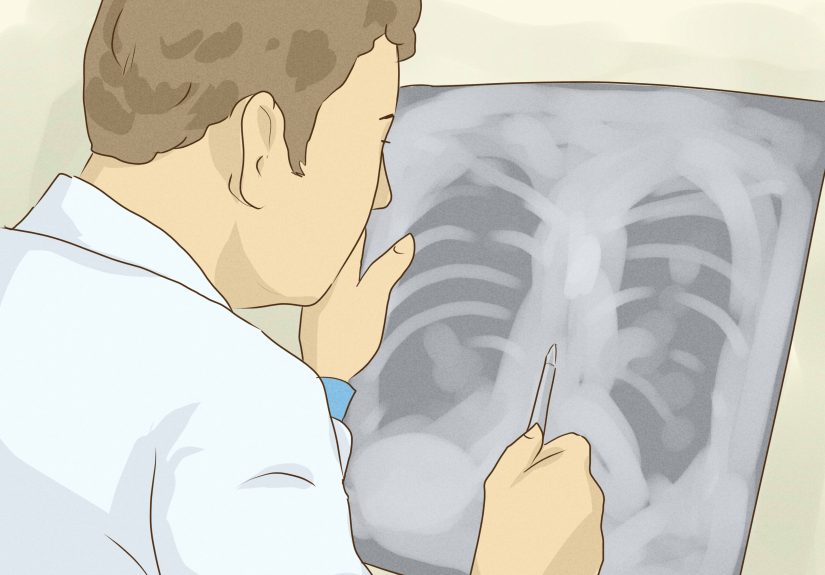
A chest X-ray can show changes in the lungs that suggest active TB. It is not the whole story by itself, but it is a major part of the workup, especially after a positive screening test or when someone has symptoms such as a persistent cough or coughing up sputum.
If the X-ray looks suspicious, that does not mean the diagnosis is final. It means more lab confirmation is needed. Think of it as a useful clue, not the courtroom verdict.
Sputum Testing
If TB disease in the lungs is suspected, providers may ask for a sample of sputum, the mucus coughed up from deep in the lungs. That sample can be examined in several ways:
- AFB smear: Looks for acid-fast bacilli under a microscope
- NAAT: A rapid molecular test that looks directly for TB bacteria
- Culture: Grows the bacteria in the lab and remains the gold standard for confirming TB disease
Culture is especially important because it can confirm the organism and help evaluate drug resistance, but it takes longer. That is why clinicians often combine quicker tests with culture rather than waiting around while the calendar flips pages.
What the Results Really Mean
Positive Skin Test or Blood Test
A positive result usually means you have been infected with TB bacteria at some point. It does not tell whether you have inactive TB or active TB disease. That is why follow-up evaluation matters.
Negative Skin Test or Blood Test
A negative result makes TB infection less likely, but it does not erase concern if you have symptoms, HIV, a weakened immune system, or a very recent exposure. In those situations, a provider may still order more tests or repeat testing later.
Abnormal Chest X-Ray or Positive Sputum Test
These findings raise concern for active TB disease and require prompt medical follow-up. If active TB is diagnosed, treatment is essential not only for the person affected but also to reduce the risk of spreading the infection to others.
Which TB Test Is Best?
The answer is frustratingly practical: it depends. The “best” test is the one that fits your age, vaccination history, symptoms, exposure risk, and ability to complete follow-up. In many adults, especially those vaccinated with BCG, the blood test is often the cleaner choice. In some children and certain screening programs, the skin test is still widely used. And when active disease is suspected, screening tests alone are not enough.
That is the key takeaway. TB testing is not a single magic button. It is a step-by-step process designed to answer two different questions:
- Has this person been infected with TB bacteria?
- Is this person dealing with active TB disease right now?
When to Seek Medical Care Quickly
Do not wait casually if you have a cough lasting more than three weeks, coughing up blood, fever, night sweats, unexplained weight loss, or a known close exposure to someone with active TB. Those are not symptoms to “just monitor forever.” They deserve a proper medical evaluation.
It is also smart to get checked promptly if you have HIV, take immune-suppressing medications, are about to start immune-modifying treatment, or live or work in a setting where TB exposure risk is higher. Early testing can make a huge difference.
Real-World Experiences With TB Testing
The examples below are composite, educational scenarios based on common testing situations. They are included to make the process feel more real, not to replace medical advice.
The Workplace Screening Surprise
A lot of people first encounter TB testing not because they feel sick, but because a job requires it. A new healthcare worker, teacher, or volunteer may show up expecting a five-minute form and suddenly learn there are two main screening options. If the person gets a skin test, the most memorable part is often not the injection itself. It is remembering to return in two or three days to have it read. People regularly say the test was easy but the scheduling was the annoying part. That is one reason blood tests have become popular in workplaces that value one-visit screening.
The “I Feel Fine, So Why Am I Being Tested?” Experience
Another common experience happens after someone learns they were exposed to a person with active TB. They feel completely normal and assume testing is overkill. Then a clinician explains the idea of inactive TB infection: you can carry TB bacteria without symptoms. That moment surprises many people. They expect infectious diseases to behave like a movie villain with obvious warning music. TB is not always that dramatic. Sometimes it is silent at first, which is exactly why screening matters.
The BCG Vaccine Confusion
People born outside the United States often remember getting the BCG vaccine as infants and then wonder whether that means every TB test will look positive forever. This is where the conversation gets both reassuring and slightly nerdy. A skin test can be influenced by BCG, but a TB blood test is generally preferred in that situation because it is not affected in the same way. Many patients feel relieved when they hear there is a more precise option for their background. It turns a confusing “maybe” into a clearer next step.
The Lingering Cough Workup
Then there is the person who is actually sick: the cough that will not leave, the fatigue that feels heavier than usual, the night sweats that make sleep miserable. In that case, the testing experience can move beyond simple screening pretty quickly. A provider may order a chest X-ray and request sputum samples after discussing symptoms and risk factors. Patients often say this stage feels more serious, and that instinct is fair. At that point, the goal is not just to check for past exposure. It is to figure out whether active TB disease is happening now and whether treatment needs to start soon.
The Emotional Side of Waiting
One of the least talked-about parts of TB testing is the waiting. Waiting for the skin test reading. Waiting for a blood test result. Waiting for sputum cultures that can take longer than people expect. That waiting can make even calm, rational adults turn into amateur detectives interpreting every cough and every line in their patient portal. The best antidote is good communication with a healthcare provider who explains what each test can and cannot tell you. Knowing the purpose of each step makes the process feel less mysterious and a lot less scary.
What Most People Say Afterward
Once the process is over, most people describe TB testing as less painful and less dramatic than they imagined. The hard part is usually not the needle. It is understanding the logic. Why can a positive test not tell whether TB is active? Why might someone need more than one kind of test? Why is a chest X-ray needed after a positive screening result? Once those questions are answered, the whole process starts to make sense. And honestly, that clarity is half the battle.
Final Thoughts
When you strip away the medical jargon, testing for tuberculosis comes down to four simple paths: reviewing symptoms and risk, using a skin test, using a blood test, and following up with chest imaging or sputum testing when active disease is a concern. None of these steps is especially exotic. What matters is using the right step at the right time.
If you think you may have been exposed to TB, or if symptoms are raising red flags, do not guess and do not panic. Get evaluated. With the right testing plan, healthcare providers can sort out whether you have no infection, inactive TB, or active TB disease that needs treatment. In medicine, clarity is powerful. In TB testing, it is also the whole point.