Table of Contents >> Show >> Hide
- Why You Feel Thirsty in the First Place
- 1. Hydrate Smarter, Not Harder
- 2. Cut Back on the Things That Make Thirst Worse
- 3. If Your Mouth Is Dry, Treat the Dry Mouth
- 4. Know When Thirst Is a Symptom, Not Just a Habit
- A Simple Daily Plan to Feel Less Thirsty
- Extra Reading: Real-Life Experiences With Thirst, Dry Mouth, and Getting Relief
- Conclusion
Thirst is one of the least subtle ways your body communicates. It does not send a polite calendar invite. It barges in, dries out your mouth, makes you stare at the nearest water bottle like it is treasure, and turns a normal afternoon into a personal desert documentary.
But here’s the twist: being thirsty is not always solved by simply drinking more and more water. Sometimes you need better hydration timing. Sometimes your snack is basically a sodium grenade. Sometimes your mouth is dry, not your whole body. And sometimes persistent thirst is your body waving a small but very serious red flag.
If you want to feel less thirsty without guessing your way through it, the smartest approach is to understand why thirst shows up in the first place. In general, thirst gets worse when you lose fluid through sweat, illness, heat, caffeine, alcohol, vomiting, or diarrhea. It can also flare up after salty meals, sugary drinks, dry indoor air, mouth breathing, or medications that leave your mouth feeling like a paper bag.
This guide breaks down four practical, evidence-based ways to make yourself less thirsty, plus signs that mean it is time to stop troubleshooting and talk to a healthcare professional. No gimmicks, no mystery powders, no “alkaline moon water” nonsense. Just useful advice your body will actually appreciate.
Why You Feel Thirsty in the First Place
Thirst is your body’s built-in alarm system for fluid balance. When you lose water or take in too much sodium, your brain notices the shift and tells you to drink. That is normal. In fact, thirst is often one of the earliest clues that you are getting dehydrated.
But thirst can also be tangled up with dry mouth. That matters because dry mouth and dehydration are related, but they are not identical twins. Dehydration means your body is low on fluid overall. Dry mouth means you are not making enough saliva, which can happen from dehydration, but also from medications, stress, smoking, mouth breathing, or certain health conditions.
So if you are asking, “How can I make myself less thirsty?” the real answer is usually some combination of these goals:
- Replace fluids in a smarter way.
- Stop doing things that crank thirst higher.
- Increase moisture and saliva if your mouth feels dry.
- Rule out a medical reason if the thirst seems excessive or persistent.
1. Hydrate Smarter, Not Harder
The first way to make yourself less thirsty is the obvious one, but with one important upgrade: drink strategically. Chugging a huge amount of water all at once can leave you feeling sloshy without solving the real problem, especially if you are losing fluids steadily through heat, exercise, or illness.
Sip Throughout the Day
Small, steady sips often work better than waiting until you feel dramatically thirsty. By the time your mouth feels dry and your brain is fantasizing about swimming in a water tank, you may already be a bit behind.
Try this simple rhythm:
- Drink a glass of water when you wake up.
- Keep water nearby instead of relying on “I’ll remember later.”
- Take regular sips with meals and snacks.
- Drink before, during, and after exercise or outdoor time in hot weather.
This approach helps maintain hydration without forcing your body into a panic-and-catch-up routine.
Choose the Right Drink for the Situation
Plain water is usually the MVP. For routine thirst, it is hard to beat. It hydrates without added sugar, and it does not come with a chemistry set worth of extras you probably do not need during a normal Tuesday.
That said, if you have been sweating heavily, running a fever, or dealing with vomiting or diarrhea, water alone may not be enough. In those situations, you are also losing electrolytes, including sodium and potassium. That is when oral rehydration solutions, broth, or certain electrolyte drinks can be more helpful than water by itself.
In other words:
- Regular day, mild thirst: water is great.
- Hard workout or intense heat: water plus electrolytes may help.
- Vomiting or diarrhea: prioritize fluids that replace both water and electrolytes.
Use Your Urine as a Clue
Yes, this is glamorous. But it works. If your urine is pale yellow, that is usually a sign your hydration is in decent shape. If it is dark yellow and you are peeing less often, your body may be asking for more fluid.
That does not mean you need crystal-clear urine every hour on the hour. It just means your body is giving you clues, and they are worth reading.
Do Not Overdo It
Hydration is good. Turning it into a competitive sport is not. Drinking extreme amounts of water in a short time can dilute sodium levels in your blood, which can be dangerous. So yes, drink enough, but do not treat your water bottle like an opponent you must defeat.
2. Cut Back on the Things That Make Thirst Worse
If you constantly feel thirsty, the problem may not be that you are failing to drink enough. It may be that something in your routine keeps pressing the thirst button over and over.
Watch the Salt Bombs
Salty foods are famous for a reason. When you eat a high-sodium meal, your body needs more water to balance things out. That is why pizza night, ramen binges, deli meat stacks, fast food, chips, and other salty favorites can leave you feeling like you swallowed a sandbox.
You do not need to ban salt from your life. You just want to avoid going full sodium superhero. A few practical fixes:
- Choose lower-sodium versions of soups, sauces, and snacks when possible.
- Balance salty meals with water and water-rich foods like fruit and vegetables.
- Go easier on highly processed foods if thirst is becoming a daily problem.
Be Careful With Sugary Drinks
Here is the weird part: some drinks can make thirst feel worse instead of better. Sugary sodas, sweet teas, and oversized juice drinks may go down easy, but they are not always the best fix when your goal is lasting hydration.
Water is usually better for everyday thirst. If you want more flavor, try sparkling water, unsweetened flavored water, or plain water with lemon, lime, berries, or cucumber. That gives you a little excitement without turning hydration into dessert.
Go Easy on Alcohol and Too Much Caffeine
Alcohol is a classic dehydration helper in the worst possible sense. It can contribute to fluid loss and leave you with a dry mouth, a headache, and a very rude morning.
Caffeine is a little more nuanced. Moderate caffeine does not automatically dehydrate everyone, but too much coffee, energy drink overload, or caffeinated beverages combined with heat, sweating, and not enough water can absolutely leave your mouth feeling drier and your thirst feeling stronger.
If you notice that your thirst spikes after your third cold brew or after a few cocktails, congratulations: your body has already solved the mystery.
Remember Illness Changes the Equation
Fever, vomiting, diarrhea, and heavy sweating can drain fluid fast. In those cases, thirst is not annoying; it is useful. Do not try to “push through” it. Replace fluids early, and if you cannot keep fluids down, that is a good reason to seek medical advice.
3. If Your Mouth Is Dry, Treat the Dry Mouth
Sometimes what feels like nonstop thirst is really a saliva problem. If your mouth feels sticky, your tongue feels dry, or eating crackers feels like a survival challenge, dry mouth may be the issue.
Use Saliva-Boosting Tricks
One of the easiest ways to feel less thirsty is to help your mouth stay moist. Try these dry-mouth strategies:
- Sip water regularly instead of waiting until your mouth is very dry.
- Suck on ice chips if that feels soothing.
- Chew sugar-free gum.
- Suck on sugar-free hard candy or lozenges.
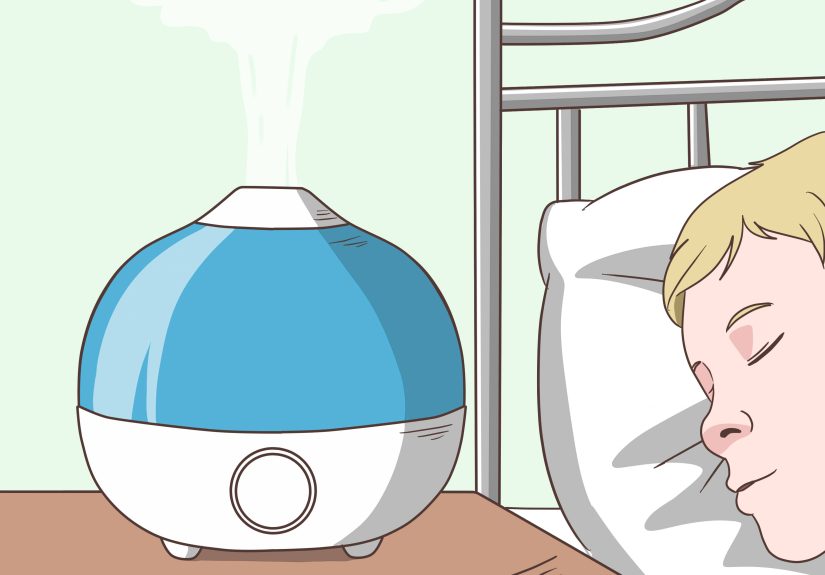
- Use a humidifier at night if indoor air is dry.
Chewing sugar-free gum or using sugar-free lozenges can stimulate saliva flow, which often gives pretty fast relief. For many people, that works better than simply drinking another giant glass of water.
Avoid Dry-Mouth Triggers
If your mouth is dry all the time, it helps to avoid things that make it worse:
- Alcohol-based mouthwashes
- Tobacco
- Too much caffeine
- Alcohol
- Very acidic drinks if they irritate your mouth
Mouth breathing can also dry you out, especially at night. If you wake up thirsty every morning, nasal congestion, snoring, or sleeping with your mouth open may be part of the story.
Check Your Medication List
Many common medications can cause dry mouth or increased thirst. That includes some antidepressants, antihistamines, blood pressure medicines, decongestants, and other drugs. If your thirst changed after starting a new medication, do not play detective alone. Bring it up with your doctor or pharmacist.
Sometimes a medication adjustment, a timing change, or a dry-mouth product can make a huge difference.
Protect Your Teeth Too
Dry mouth is not just uncomfortable. Saliva helps protect your teeth and mouth. If you stay dry for long stretches, your risk of cavities, bad breath, and mouth irritation can go up. So if thirst and dry mouth are becoming regular houseguests, good oral care matters more than ever.
4. Know When Thirst Is a Symptom, Not Just a Habit
Here is the most important part of the whole article: persistent, extreme, or unusual thirst can sometimes signal a medical issue. If your thirst feels out of proportion to your day, it is worth paying attention.
When to Suspect Something More
Talk to a healthcare professional if you have thirst that is:
- Constant or unusually intense
- Paired with frequent urination
- Accompanied by weight loss, fatigue, dizziness, or confusion
- Showing up with dry eyes or ongoing dry mouth
- Not improving even when you are drinking enough fluids
Conditions that can sometimes cause excessive thirst include diabetes mellitus, diabetes insipidus, illness-related dehydration, and certain autoimmune problems such as Sjögren’s syndrome. You can also feel much thirstier during pregnancy, hot weather, or periods of intense exercise.
The point is not to scare you. The point is to avoid assuming every case of thirst is harmless. If your body keeps shouting, it deserves an answer.
Get Help Right Away If You Notice Red Flags
Seek prompt medical care if thirst comes with signs of serious dehydration, such as:
- Confusion
- Severe dizziness or fainting
- Very dark urine or very little urination
- Rapid heartbeat
- Inability to keep fluids down
- Ongoing vomiting or diarrhea
That is no longer a “maybe I should refill my tumbler” situation. That is a “please call a professional” situation.
A Simple Daily Plan to Feel Less Thirsty
If you like practical takeaways, here is the low-drama version:
- Start your day with water.
- Keep sipping steadily instead of waiting until thirst hits hard.
- Choose water most of the time.
- Use electrolyte drinks or oral rehydration solutions when you are sick, sweating heavily, or losing fluids.
- Go lighter on very salty foods and sugary beverages.
- Cut back if alcohol, coffee, or energy drinks are drying you out.
- Use sugar-free gum, lozenges, or ice chips if dry mouth is part of the problem.
- See a healthcare professional if thirst is intense, persistent, or paired with other symptoms.
Extra Reading: Real-Life Experiences With Thirst, Dry Mouth, and Getting Relief
Sometimes health advice clicks best when it sounds like real life instead of a pamphlet. So here are a few common thirst scenarios that show how these four strategies play out in ordinary routines.
The “I ate takeout and now I need a lake” experience: A lot of people notice that their thirst goes wild after pizza, Chinese takeout, deli sandwiches, packaged noodles, or movie-theater popcorn. In many cases, it is the sodium overload. The fix is not panic. It is simply to drink water steadily, skip more salty snacks for the rest of the day, and let your body rebalance. This is a classic example of thirst being caused by what you ate, not by a mysterious illness.
The “office air has turned me into a raisin” experience: Indoor heat, air conditioning, and dry air can make your mouth feel dry even if you are not truly dehydrated. People often solve this by keeping a bottle of water nearby, using a humidifier at night, and chewing sugar-free gum in the afternoon. Suddenly they are not raiding the break room for another coffee and wondering why their tongue feels like cardboard.
The “workout warrior who only drinks water” experience: After a long run, hard gym session, or outdoor shift in the heat, plain water may help, but sometimes it is not enough by itself. If you have been sweating heavily, the body may feel better with a drink that also replaces electrolytes, or with water plus a meal or snack that helps restore what you lost. This is especially true if you end up with muscle cramps, fatigue, or a pounding headache along with thirst.
The “I am drinking constantly and still feel thirsty” experience: This is the one people should not ignore. If you are always thirsty, waking at night to drink, peeing all the time, and still never feeling satisfied, that is a strong sign to check in with a clinician. Sometimes it turns out to be high blood sugar, a medication side effect, or another treatable issue. The sooner you ask, the sooner you stop playing hydration roulette.
The “happy hour betrayal” experience: Alcohol can be sneaky. At the time, you may feel social, cheerful, and very committed to ordering “just one more.” A few hours later, your mouth feels dry, your sleep is lousy, and you wake up with thirst that could qualify as a personality trait. A much better plan is to alternate alcoholic drinks with water and eat something reasonable instead of pretending fries count as hydration technology.
The “medication mystery” experience: Many people do not realize a new prescription or even an over-the-counter medicine can leave them with dry mouth. They think they suddenly need more water, but what they really need is a conversation with a pharmacist or doctor. Once they learn the medication is contributing, they can often manage it with better timing, dry-mouth care, or a change in treatment.
So yes, thirst can be simple. But it can also be a clue. The trick is knowing whether your body needs more water, less sodium, more saliva, or more medical attention. Once you figure that out, feeling less thirsty gets a whole lot easier.
Conclusion
If you want to make yourself less thirsty, start with the basics that actually work: hydrate steadily, choose the right fluids for the situation, cut back on common thirst triggers like excess sodium and sugary drinks, and treat dry mouth directly when that is the real problem. If the thirst still feels excessive, persistent, or tied to other symptoms, do not brush it off. Sometimes the smartest hydration move is not another sip. It is asking why your body keeps asking for one.