Table of Contents >> Show >> Hide
- What Does “Organic” Actually Mean?
- 1. Advantage: Organic Foods May Reduce Pesticide Exposure
- 2. Advantage: Organic Farming Can Support Soil and Environmental Health
- 3. Advantage: Organic Animal Products Avoid Routine Antibiotics and Synthetic Growth Hormones
- 4. Advantage: Organic Foods Offer Clearer Production Transparency
- 5. Disadvantage: Organic Foods Usually Cost More
- 6. Disadvantage: Organic Does Not Always Mean More Nutritious
- 7. Disadvantage: Organic Foods Are Not Automatically Safer
- 8. Disadvantage: Organic Choices Can Be Limited or Confusing
- Organic vs. Conventional: Which Should You Choose?
- Best Foods to Consider Buying Organic
- Foods You May Not Need to Buy Organic
- How to Save Money on Organic Foods
- Personal Experiences and Real-Life Lessons About Organic Foods
- Conclusion: Are Organic Foods Worth It?
Organic foods have become the grocery store version of a celebrity: admired, debated, photographed in nice lighting, and occasionally accused of being overpriced. Walk into almost any supermarket in the United States and you will find organic apples, organic milk, organic eggs, organic cereal, organic baby spinach, and probably an organic cookie that still wants you to believe it is a wellness product. Nice try, cookie.
But the real question is simple: are organic foods worth buying? The honest answer is, “sometimes.” Organic food can reduce exposure to certain synthetic pesticide residues, support farming practices that focus on soil health, and offer shoppers more transparency about how food was produced. At the same time, organic food is usually more expensive, not always more nutritious, and not automatically safer just because the label looks earthy and wholesome.
This guide breaks down the 8 advantages and disadvantages of organic foods in a practical, balanced way. No fear-mongering. No grocery-store guilt trip. Just clear information so you can decide when organic makes sense, when conventional is perfectly fine, and how to shop without turning your food budget into a tragic opera.
What Does “Organic” Actually Mean?
In the United States, “organic” is not just a marketing word. It is a regulated production standard overseen by the U.S. Department of Agriculture. Certified organic farms must follow rules related to soil quality, pest control, animal raising practices, additives, and prohibited substances. Organic crops are generally grown without most synthetic fertilizers and pesticides, and organic production prohibits genetic engineering, sewage sludge, and ionizing radiation.
For animal products such as milk, eggs, meat, and poultry, organic standards include requirements for organic feed, outdoor access, and restrictions on antibiotics and synthetic growth hormones. However, organic does not mean “perfect,” “pesticide-free,” or “more nutritious every time.” It means the food was produced according to a specific set of rules.
1. Advantage: Organic Foods May Reduce Pesticide Exposure
One of the biggest reasons people choose organic produce is to lower exposure to synthetic pesticide residues. Organic farming limits many synthetic pesticides and relies more heavily on crop rotation, biological pest control, mechanical weed control, and approved natural or low-risk substances.
This does not mean conventional produce is automatically dangerous. U.S. monitoring programs regularly find that most food samples meet federal pesticide residue standards. Still, research has consistently shown that organic foods tend to have fewer pesticide residues than their conventional counterparts. For shoppers who are especially concerned about pesticide exposure, organic versions of certain produce items may offer peace of mind.
Practical example
If your family eats strawberries, spinach, apples, or bell peppers several times a week, buying organic versions of those items may be a reasonable priority. On the other hand, produce with thick peels, such as bananas, pineapples, and avocados, often has lower edible-portion residue concerns, so conventional versions may be a smart budget choice.
2. Advantage: Organic Farming Can Support Soil and Environmental Health
Organic agriculture is built around practices that can improve soil quality and reduce reliance on synthetic inputs. Farmers may use compost, cover crops, crop rotation, beneficial insects, and other methods designed to maintain soil fertility and manage pests naturally. Healthy soil is not just dirt with better public relations; it plays a major role in water retention, plant health, and long-term farm productivity.
Organic farms may also reduce certain types of chemical runoff into waterways because many synthetic fertilizers and pesticides are restricted. This can benefit surrounding ecosystems, pollinators, and farm communities. Of course, organic farming still uses resources, and it is not automatically impact-free. But when managed well, it can be part of a more sustainable food system.
Why this matters
Food choices are not only about what lands on your plate. They also affect how land is treated before the food gets there. Choosing organic can be a vote for farming methods that focus more on soil building, biodiversity, and reduced synthetic chemical use.
3. Advantage: Organic Animal Products Avoid Routine Antibiotics and Synthetic Growth Hormones
Organic meat, dairy, and eggs come with specific animal production standards. Organic livestock must receive organic feed and cannot be raised with routine antibiotics or synthetic growth hormones. If an organic animal becomes sick and needs antibiotics, farmers are required to treat the animal, but that animal or its products can no longer be sold as organic afterward.
This matters because antibiotic use in agriculture is part of the broader conversation about antibiotic resistance. Organic rules are not the only solution, but they do create a system where routine antibiotic use is restricted. For shoppers who care about how animals are raised and how antibiotics are used, organic animal products may be worth considering.
Important clarification
Organic does not always mean “best animal welfare.” The label includes animal-care rules, but it is not the same as every pasture-raised, grass-fed, humane-certified, or regenerative label. If animal welfare is your main priority, you may want to look beyond the organic seal and learn about the farm or additional certifications.
4. Advantage: Organic Foods Offer Clearer Production Transparency
One underrated benefit of organic food is transparency. The USDA organic seal gives shoppers a regulated label with defined meaning. In a supermarket full of vague phrases like “natural,” “farm fresh,” and “made with goodness,” organic is one of the few labels backed by a formal certification system.
This can make shopping easier. You do not have to decode every package like it is a secret message from a cereal box spy agency. If a product is certified organic, it has passed specific standards for production and handling. That does not make it automatically healthier, but it does make the claim more meaningful than many feel-good marketing terms.
Organic labeling basics
A product labeled “100% organic” must contain only organic ingredients, except for water and salt. A product labeled “organic” must contain at least 95% organic ingredients. “Made with organic ingredients” means at least 70% of the ingredients are organic, but the product cannot use the USDA organic seal in the same way. These differences matter when comparing packaged foods.
5. Disadvantage: Organic Foods Usually Cost More
The most obvious disadvantage of organic food is the price. Organic farming often requires more labor, organic feed, certification costs, careful recordkeeping, and different pest-management strategies. Those costs are usually passed to shoppers.
Organic price premiums vary widely. Organic onions may cost only a little more than conventional onions, while organic dairy, eggs, berries, salad greens, or packaged foods can be much more expensive. For families trying to stretch a weekly grocery budget, buying everything organic may not be realisticor necessary.
Smart shopping tip
Instead of going “all organic or nothing,” prioritize. Buy organic for foods you eat often and for produce items more likely to have pesticide residue concerns. Save money by buying conventional versions of lower-residue foods, frozen fruits and vegetables, store-brand organics, and seasonal produce.
6. Disadvantage: Organic Does Not Always Mean More Nutritious
Organic food has a healthy halo, but that halo can get a little dramatic. Many studies have found that organic and conventional foods are often similar in basic nutrients such as vitamins, minerals, carbohydrates, protein, and fat. Some organic foods may contain slightly higher levels of certain antioxidants or lower levels of certain residues, but the overall nutrition difference is usually not large enough to make organic a magic upgrade.
A conventional apple is still a nutritious food. An organic cupcake is still a cupcake. The body does not see the organic label and suddenly treat sugar like a leafy green. The overall diet pattern matters more than the farming label on one item.
Bottom line on nutrition
If choosing organic helps you eat more fruits, vegetables, whole grains, nuts, and minimally processed foods, great. But if the higher price causes you to buy fewer healthy foods overall, conventional produce is still a strong choice. Eating enough produce matters more than eating only organic produce.
7. Disadvantage: Organic Foods Are Not Automatically Safer
Organic standards reduce certain chemical exposures, but food safety risks can exist in both organic and conventional foods. Bacteria such as E. coli, Salmonella, and Listeria do not politely avoid organic lettuce because it has a nicer label. Food can become contaminated during growing, harvesting, processing, shipping, storage, or preparation.
This means you still need basic food safety habits: wash produce under running water, keep raw meat away from ready-to-eat foods, cook foods to safe temperatures, refrigerate perishables promptly, and clean cutting boards. Organic food deserves the same careful handling as conventional food.
Myth to avoid
Do not assume organic means chemical-free or risk-free. Organic farming can use approved pesticides, including some naturally derived substances. The key difference is which substances are allowed and under what conditions.
8. Disadvantage: Organic Choices Can Be Limited or Confusing
Organic food is more available than it used to be, but access still depends on where you live, what stores are nearby, and what you can afford. Rural areas, small towns, and lower-income neighborhoods may have fewer organic options. Even when organic foods are available, the labeling can be confusing.
For example, “organic,” “natural,” “non-GMO,” “grass-fed,” “free-range,” and “pasture-raised” do not all mean the same thing. A product can be organic but still highly processed. A snack can be made with organic cane sugar and organic flour and still be low in fiber and high in added sugar. Organic macaroni and cheese may be delicious, but it does not turn dinner into a nutrition seminar.
How to avoid label confusion
Focus on the whole food first, the label second. A simple meal built around vegetables, beans, whole grains, lean protein, fruit, and healthy fats can be nutritious whether every ingredient is organic or not. The label can help, but it should not do all the thinking for you.
Organic vs. Conventional: Which Should You Choose?
The best choice depends on your goals, budget, and eating habits. If your main concern is reducing pesticide exposure, organic produce can help, especially for items you eat often. If your main concern is nutrition, the priority should be eating a balanced diet rich in fruits, vegetables, whole grains, and minimally processed foods. If your main concern is cost, a mix of organic and conventional foods is usually the most realistic approach.
Here is a simple strategy: buy organic selectively, not emotionally. Choose organic for the foods where it matters most to you, and do not feel guilty about buying conventional foods that are nutritious, affordable, and accessible. Grocery guilt is not a food group.
Best Foods to Consider Buying Organic
Organic may be most useful for foods that are eaten frequently, foods with edible skins, and foods that tend to show higher pesticide residue concerns in consumer testing. Examples may include strawberries, spinach, kale, apples, grapes, peaches, cherries, bell peppers, potatoes, and blueberries.
Organic animal products may also be worth considering if you are concerned about routine antibiotic use, synthetic growth hormones, or organic feed standards. Organic milk, yogurt, eggs, chicken, and beef can fit into this category, though they often come with a noticeable price premium.
Foods You May Not Need to Buy Organic
Some foods are often lower priorities for organic spending. Produce with thick, inedible peelssuch as bananas, oranges, pineapples, avocados, and melonsmay be less concerning for residue exposure on the edible portion. Dry goods such as rice, beans, oats, flour, and pasta may be worth comparing by price, quality, and how often your household eats them.
Packaged organic snacks deserve extra skepticism. Organic chips, cookies, candy, and sugary cereals may be made with organic ingredients, but they can still be high in added sugar, sodium, and refined grains. “Organic” is not a force field against snack food math.
How to Save Money on Organic Foods
Organic shopping does not have to require a dramatic slow-motion goodbye to your paycheck. Start with store brands, which are often cheaper than premium organic brands. Buy frozen organic fruits and vegetables when fresh options are expensive. Frozen berries, spinach, peas, and broccoli can be excellent values and reduce food waste.
Shopping seasonally can also help. Organic berries in peak season may be far more affordable than organic berries flown in during the wrong month. Farmers markets, community-supported agriculture programs, discount grocers, and warehouse clubs may offer better prices, depending on your area.
Finally, plan meals before shopping. The most expensive food is the food you throw away. A conventional carrot that gets eaten is better than an organic spring mix that retires in the back of the fridge and becomes swamp confetti.
Personal Experiences and Real-Life Lessons About Organic Foods
For many shoppers, the organic food journey starts with good intentions and a slightly alarming receipt. You pick up organic berries, organic milk, organic eggs, organic peanut butter, organic crackers, organic lettuce, and suddenly the checkout screen looks like it is applying for a mortgage. That experience teaches one important lesson quickly: organic shopping works best with priorities.
A practical household approach is to divide foods into three groups. The first group includes “organic when possible” items, such as berries, leafy greens, apples, and dairy products that your family eats frequently. The second group includes “conventional is fine” items, such as bananas, avocados, onions, pineapple, and other foods with lower residue concerns or thick peels. The third group includes “buy based on nutrition, not the label” items, such as cereals, snacks, sauces, and frozen meals.
Another useful experience is learning that organic produce may spoil faster in some cases. Because organic foods may have fewer preservatives or different post-harvest treatments, careful storage matters. Leafy greens should be dried well before refrigeration. Berries often last longer if you sort out soft ones immediately. Herbs can be wrapped in a slightly damp paper towel. These tiny habits can save money and reduce waste.
Families with kids often discover that taste matters more than ideology. If children happily eat conventional carrots but refuse organic kale with the intensity of a courtroom objection, the carrots win. The goal is not to create a perfect grocery cart; the goal is to build consistent healthy eating habits. Organic food can support that goal, but it should not become a source of stress.
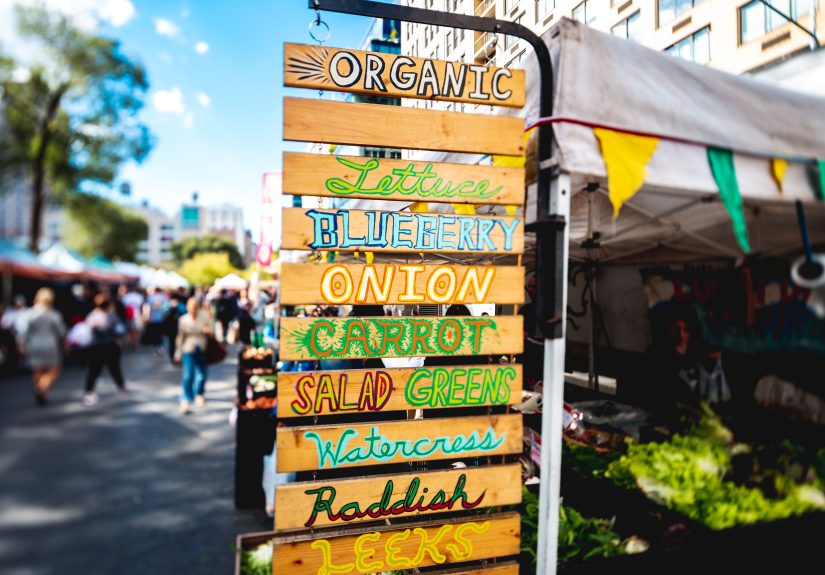
People who shop at farmers markets may also learn that some small farms use organic-style practices but are not certified organic because certification can be expensive and time-consuming. Asking farmers how they manage pests, soil, and fertilizers can provide helpful context. A local, responsibly grown tomato from a non-certified farm may be a better choice for your priorities than a certified organic tomato shipped from far away.
The biggest real-world lesson is balance. Organic food can be valuable, especially when it aligns with your concerns about pesticide exposure, farming practices, or animal production standards. But conventional food is not the villain. A healthy diet can include both. The smartest organic strategy is flexible, budget-aware, and based on facts rather than fear.
Conclusion: Are Organic Foods Worth It?
Organic foods offer meaningful advantages, including reduced exposure to certain synthetic pesticide residues, stronger production transparency, restrictions on routine antibiotics in livestock, and farming methods that may support soil and environmental health. However, they also have disadvantages: higher prices, limited access, confusing labels, and no guarantee of superior nutrition or automatic food safety.
The best answer is not “always buy organic” or “organic is pointless.” The best answer is smarter shopping. Buy organic where it matters most to your household, choose conventional where it makes sense, and focus on eating more whole, nutrient-rich foods overall. Your grocery cart does not need to be perfect. It just needs to feed real people in real lifepreferably without requiring a financial rescue mission.
Note: This article is for general educational purposes and is based on current U.S. food labeling, nutrition, pesticide monitoring, and consumer guidance. Readers with medical dietary needs, allergies, pregnancy-related concerns, or immune system conditions should ask a qualified healthcare professional or registered dietitian for personalized advice.