Table of Contents >> Show >> Hide
- Quick Picks at a Glance
- How We Chose These Grills (So You Don’t Have To)
- The 9 Best Portable Grills of 2025
- 1) Weber Traveler Best Overall for Tailgating
- 2) Coleman RoadTrip 285 Best for Heat Zones and Big Batches
- 3) Weber Q1200 Best Tabletop “Just Works” Portable Grill
- 4) Napoleon TravelQ 285X Best for Two-Zone Cooking at Camp
- 5) Cuisinart Venture (CGG-750) Best Ultra-Compact Portable Gas Grill
- 6) Cuisinart Chef’s Style (CGG-306) Best High-Heat Tabletop for Groups
- 7) Weber Smokey Joe Best Budget Charcoal Portable Grill
- 8) PKGO Grill & Smoker Best Premium Charcoal for Camping Nerds (Affectionate)
- 9) Traeger Ranger Best Portable Pellet Grill for Smoky Camping Meals
- What to Look For in a Portable Grill (Tailgating + Camping Edition)
- Quick Pro Tips for Better Portable Grilling
- FAQ
- Conclusion: The Best Portable Grill Depends on Your “Portable”
- Field Notes: of Real-World Portable Grilling Experience
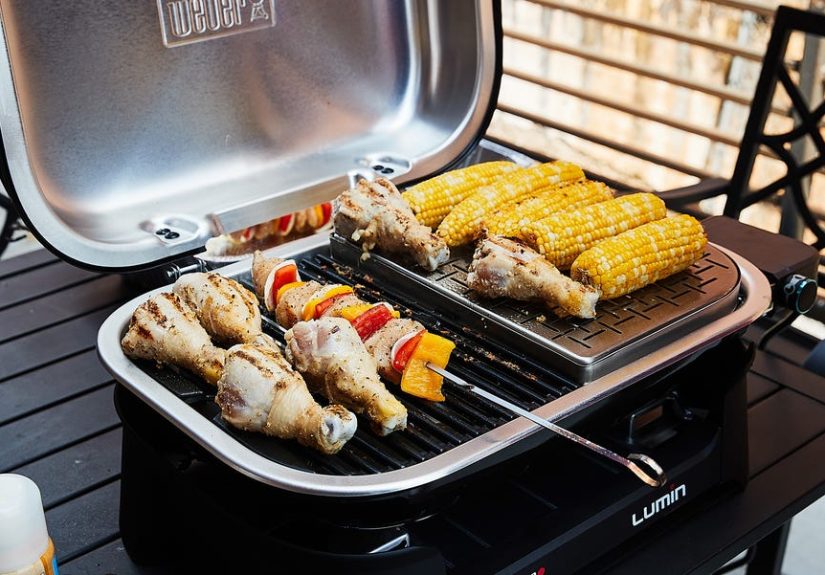
Tailgating and camping are basically the same sport: you carry too much stuff to a place with questionable parking, then reward yourself with food that tastes 34% better because it came off a grill. The problem? Not all “portable” grills are actually portablesome are more like “movable if you have a buddy, a dolly, and a strong emotional support beverage.”
This guide rounds up the best portable grills of 2025 for real-life tailgates and campsites: fast ignition, steady heat, easy cleanup, and designs that won’t ruin your trunk (or your mood). You’ll also find a mini buying guide and a 500-word “field notes” section at the endbecause specs are cute, but wind, dust, and hungry friends are the true test.
Quick Picks at a Glance
| Portable Grill | Best For | Fuel | Why It Wins |
|---|---|---|---|
| Weber Traveler | Tailgates with a crowd | Propane | Big cooking area + folds down fast |
| Coleman RoadTrip 285 | Parking-lot parties | Propane | Three burners for legit heat zoning |
| Weber Q1200 | “Just works” tabletop grilling | Propane | Reliable heat, simple controls, easy cleaning |
| Napoleon TravelQ 285X | Two-zone cooking at camp | Propane | Dual burners + sturdy cart design |
| Cuisinart Venture (CGG-750) | Compact car camping | Propane | Picnic-basket size, built-in prep board |
| Cuisinart Chef’s Style (CGG-306) | Big tabletop capacity | Propane | High heat for searing; roomy grate |
| Weber Smokey Joe | Budget charcoal flavor | Charcoal | Lightweight, classic, affordable |
| PKGO Grill & Smoker | Charcoal fans who want control | Charcoal | Durable build + grill/smoke versatility |
| Traeger Ranger | Portable pellet “set it & forget it” | Pellets (electric) | Steady temps + smoky flavor in a small box |
How We Chose These Grills (So You Don’t Have To)
These picks reflect a synthesis of hands-on testing and review notes from a mix of reputable U.S. outlets and manufacturer specs. We prioritized: heat control, portability (including setup/pack-down time), wind performance, cleanup, and real-world capacity for tailgating and camping meals (burgers, brats, chicken thighs, skewers, veggies, and “please make breakfast too”).
Publications and sources cross-checked include OutdoorGearLab, Serious Eats, Food & Wine, Car and Driver, Popular Mechanics, The Spruce Eats, GearJunkie, Good Housekeeping, Food Network, PEOPLE, and manufacturer documentation from Weber, Coleman, Cuisinart, Napoleon, and Traeger.
The 9 Best Portable Grills of 2025
1) Weber Traveler Best Overall for Tailgating
If your idea of “portable” includes wheels and a fast fold-down, the Weber Traveler is the tailgate MVP. It’s built like a full-size cart grill that learned how to do yoga: it collapses into a more trunk-friendly shape while keeping enough cooking space to feed a crew without running “three batches of burgers.”
- Fuel: Propane (great with a 20-lb tank at longer tailgates; check adapter compatibility)
- Why it’s great: Large grilling area, quick setup, and steady heat for burgers, sausages, and chicken
- Watch-outs: Not “light”this is portable in the rolling sense
- Perfect for: Stadium parking lots, family reunions, and anyone who cooks for “just a few people” (15 people)
2) Coleman RoadTrip 285 Best for Heat Zones and Big Batches
The RoadTrip 285 is for cooks who like options: multiple burners mean you can run a hot side for searing and a gentler side for buns, veggies, or “hold these brats while Dave tells the same story again.” It’s a classic choice for tailgaters because it’s built to move, set up fast, and cook a lot at once.
- Fuel: Propane
- Why it’s great: Three independently adjustable burners help you avoid the “everything is on fire” problem
- Watch-outs: Like many stand-up portables, it still needs trunk space
- Perfect for: Tailgates, RV stops, and group camping where you’re basically the camp’s unpaid chef
3) Weber Q1200 Best Tabletop “Just Works” Portable Grill
The Weber Q1200 has been a go-to for years because it’s dependable, simple, and cooks evenly for its size. Think of it as the grill equivalent of a good cooler: not flashy, but it quietly saves the day. It’s especially nice for camping when you want a stable tabletop propane grill that heats up quickly, holds temp with the lid down, and doesn’t require a 12-step assembly ritual.
- Fuel: Propane (often 1-lb cylinders; adapters may allow larger tanks)
- Why it’s great: Reliable heat, easy ignition, easy-to-clean design
- Watch-outs: You’ll want a sturdy table or an optional stand
- Perfect for: Campgrounds, balconies, smaller tailgates, and “I want grilling without drama”
4) Napoleon TravelQ 285X Best for Two-Zone Cooking at Camp
Two burners matter more than people think. The Napoleon TravelQ 285X gives you real two-zone controlone side hot, one side notso you can sear steaks and still cook chicken through without turning it into charcoal. The scissor-cart style is also campsite-friendly when you’d rather not balance a hot grill on a picnic table that wobbles like a baby deer.
- Fuel: Propane
- Why it’s great: Dual burners + solid lid make it versatile for thicker foods
- Watch-outs: Bulkier than tiny tabletop grills
- Perfect for: Car camping and tailgates where you want more control than a single-burner setup
5) Cuisinart Venture (CGG-750) Best Ultra-Compact Portable Gas Grill
The Cuisinart Venture is a smart pick when space is limited and you still want real grilling (not sad hotplate vibes). It’s compact, easy to carry, and has a built-in wooden lid that doubles as a prep boardmeaning you can slice buns, season skewers, and look like you planned ahead (even if you absolutely did not).
- Fuel: Propane
- Why it’s great: Compact footprint, clever design, and surprisingly strong results for its size
- Watch-outs: Smaller cooking surfacegreat for 1–3 people, less great for a whole tailgate line
- Perfect for: Minimalist campers, beach days, and quick park cookouts
6) Cuisinart Chef’s Style (CGG-306) Best High-Heat Tabletop for Groups
Want a tabletop grill that doesn’t feel like a compromise? The Cuisinart Chef’s Style is known for strong heat output and a roomy grate for its category. It’s a favorite when you’re camping with family, cooking a lot of food quickly, and don’t want to rotate eight rounds of kebabs like you’re running a kebab-themed conveyor belt.
- Fuel: Propane
- Why it’s great: Big tabletop capacity, strong searing potential, and good value for size
- Watch-outs: You still need a stable surface (or dedicated stand/table)
- Perfect for: Car camping groups and “bring one grill, feed everyone” weekends
7) Weber Smokey Joe Best Budget Charcoal Portable Grill
When you want charcoal flavor without hauling a charcoal battleship, the Smokey Joe is the classic move. It’s lightweight, affordable, and straightforwardperfect for campsite burgers, hot dogs, or a couple of steaks. Charcoal takes longer than propane, sure, but the payoff is that unmistakable smoky char that makes people ask, “Wait, you did this here?”
- Fuel: Charcoal
- Why it’s great: Low cost, simple design, easy to carry
- Watch-outs: Charcoal management and cleanup are the tradeoff
- Perfect for: Campsites, beach cookouts, and anyone who loves charcoal flavor on a budget
8) PKGO Grill & Smoker Best Premium Charcoal for Camping Nerds (Affectionate)
If you enjoy the “craft” side of outdoor cookingcontrolling airflow, building zones, and occasionally saying “this sear is perfect” to nobody in particularthe PKGO is a standout. It’s built for grilling and smoking in a compact format, with a sturdy body and a reputation for serious performance. It’s not featherweight, but it’s made for people who care more about results than carrying things easily.
- Fuel: Charcoal
- Why it’s great: Excellent heat retention and control; flexible for grilling and low-and-slow sessions
- Watch-outs: Heavier than budget charcoal options
- Perfect for: Car camping, tailgate cooks who love charcoal, and anyone chasing “portable but legit”
9) Traeger Ranger Best Portable Pellet Grill for Smoky Camping Meals
The Traeger Ranger is for the camper who wants smoked flavor with less babysitting. Pellet grills hold temperature well and can turn ribs, chicken thighs, and even queso into the kind of tailgate food people remember. The catch: it needs electricity (think campsite hookups or a capable inverter), and it’s not a “one-hand carry” situation. But if your camping style includes a folding chair and a playlist, the Ranger fits right in.
- Fuel: Wood pellets (electric-powered system)
- Why it’s great: Consistent temps, smoky flavor, and versatility beyond basic grilling
- Watch-outs: Requires power; heavier tabletop unit
- Perfect for: Powered campsites, RV setups, and tailgates where “smoked” is the whole personality
What to Look For in a Portable Grill (Tailgating + Camping Edition)
Pick your fuel like you pick your friends: choose what makes your life easier
- Propane: Fast, clean, easy ignition. Great for tailgating and weeknight-style campsite cooking.
- Charcoal: Flavor and high-heat potential, but slower setup and messier cleanup.
- Pellets: “Set it and forget it” temperature control with smoke flavorif you have power.
Portability isn’t just weightit’s setup time
A grill can be “light” and still be annoying if it takes 12 minutes to assemble while your friends are aggressively snacking on chips. Look for foldable legs/carts, stable latches, and designs that pack down cleanly. For tabletop models, plan your surface: a sturdy picnic table beats a wobbly plastic folding table every time.
Wind happens. Plan for it.
Open fields and campsites love wind the way mosquitoes love ankles. Lidded grills generally handle wind better, and thicker grates help with heat retention. If you camp in exposed areas, prioritize a grill known for stable temperatures and use wind breaks safely (never blocking ventilation).
Cleanup matters more than you think
At home, you can procrastinate cleaning. At camp, you’re cleaning because you don’t want to pack grease into your car and create a new automotive scent called “Eau de Bacon Forever.” Look for removable catch pans, easy-access drip trays, and grates that aren’t a nightmare to scrub.
Quick Pro Tips for Better Portable Grilling
- Bring a digital thermometer: portable grills cook fast; guessing is how chicken becomes a trust exercise.
- Pre-portion at home: marinate, skewer, and pre-shape patties before you leave.
- Use two-zone cooking: even on small grills, create a hot area and a cooler area when possible.
- Pack a small cleaning kit: scraper, brush, paper towels, and a zip bag for greasy parts.
- Follow local rules: many parks and campgrounds have restrictions (especially during fire season).
FAQ
What size portable grill is best for tailgating?
If you’re feeding 6+ people regularly, look for a wheeled portable like the Weber Traveler or a multi-burner stand-up option like the Coleman RoadTrip 285. For 2–4 people, a strong tabletop propane grill is usually perfect.
Is propane or charcoal better for camping?
Propane is easier and faster, especially for quick meals and breakfast. Charcoal wins on flavor and can sear hard, but it’s slower and messier. Your campsite rules may decide for you.
Can I use a portable grill in a national park?
Often yes, but restrictions vary by location, season, and fire conditions. Check the specific park’s rules and current fire advisories before you go.
Do I need a stand for a tabletop grill?
Not required, but it helps. If your campsite tables are scarce or shaky, a dedicated stand can improve safety and comfort.
What’s the easiest portable grill to clean?
Propane grills with removable catch pans and accessible drip trays tend to be the easiest. Charcoal grills require ash management, which is simple but messier.
Conclusion: The Best Portable Grill Depends on Your “Portable”
For most tailgaters, the Weber Traveler is the easy “do-it-all” pick: large capacity, easy folding, and reliable results. If you want more burner control, the Coleman RoadTrip 285 is a strong alternative. For camping and smaller setups, the Weber Q1200 remains a standout tabletop propane grill. Charcoal lovers should look at the Weber Smokey Joe for value or the PKGO for premium control, while the Traeger Ranger brings pellet convenience when power is available.
Field Notes: of Real-World Portable Grilling Experience
Here’s what portable grilling feels like in the wildwhere the “kitchen” is a folding table, the wind is rude, and somebody always forgets the tongs.
First: setup speed is an underrated superpower. At a tailgate, the difference between “grill is hot in 10 minutes” and “give me 25 minutes to assemble this contraption” is the difference between a happy crowd and people wandering off to buy $14 stadium nachos. Wheeled portables shine here because you roll in, flip open, connect propane, and you’re basically a hero. With tabletop grills, the hero move is bringing a stable surface (or arriving early enough to claim the least-wobbly picnic table).
Second: wind changes everything. On a calm day, almost any decent grill behaves. On a breezy campsite ridge, a lid becomes your best friend, and tiny burners can feel like they’re fighting for their lives. This is where grills known for heat retention and steady temperature control earn their keep. You learn quickly to position the grill thoughtfully, use the lid, and keep a “cool zone” for thicker foods. Also, if you’ve never tried flipping a burger in a gusty crosswind, imagine playing catch with a seagull.
Third: portable grilling is as much about logistics as cooking. Fuel planning matters. If you’re tailgating for hours, a larger propane tank (with the right hose/adapter) can be a sanity saver. If you’re camping for a weekend, charcoal sounds romanticuntil you realize you also have to pack it, light it, manage ash, and store leftovers safely. Meanwhile, pellet grills can be unbelievably convenient for smoked flavor, but only if you’ve got reliable power (hookups, RV, or a capable battery/inverter setup). Otherwise, your “set it and forget it” becomes “set it, then stare at it sadly.”
Fourth: the menu should match the grill. Small grills love quick-cooking foods: sausages, thin burgers, skewers, shrimp, sliced veggies, and foil-packet sides. If you’re set on thick chicken pieces or big steaks, prioritize a grill with a lid and better heat control. And don’t sleep on breakfast: a portable grill can handle bacon and toast-adjacent goodness (or at least warm tortillas) while everyone else is still negotiating who has to make coffee.
Finally: cleanup is the secret to staying friends with your future self. Pack a small cleaning kit and do a quick scrub while the grill is still warm (but safe). At camp, you’re not just cleaning for hygieneyou’re cleaning so your car doesn’t smell like a smokehouse for the next two weeks. The best portable grill experience isn’t just great food. It’s great food and an easy pack-up so you can enjoy the game, the fire, or the stars instead of wrestling greasy parts into your trunk like it’s a culinary crime scene.