Table of Contents >> Show >> Hide
- The Study Everyone Is Talking About
- Why Tirzepatide May Pull Ahead
- The Branding Problem: Mounjaro and Ozempic Are Not the Whole Story
- How Effective Is Ozempic, Really?
- What Doctors Still Care About Besides the Scale
- Side Effects: The Part No One Puts in the Glamorous Before-and-After Post
- What the Latest Evidence Actually Means
- Bottom Line
- Real-World Experiences: What People Notice After the Hype Fades
Weight-loss headlines have the subtlety of a marching band in a library, and the latest one is no exception: Mounjaro may work better than Ozempic for weight loss. That claim is attention-grabbing, a little messy, and not entirely wrong. But to understand what the research actually says, you have to do one very unglamorous thing first: translate the brand names into the science.
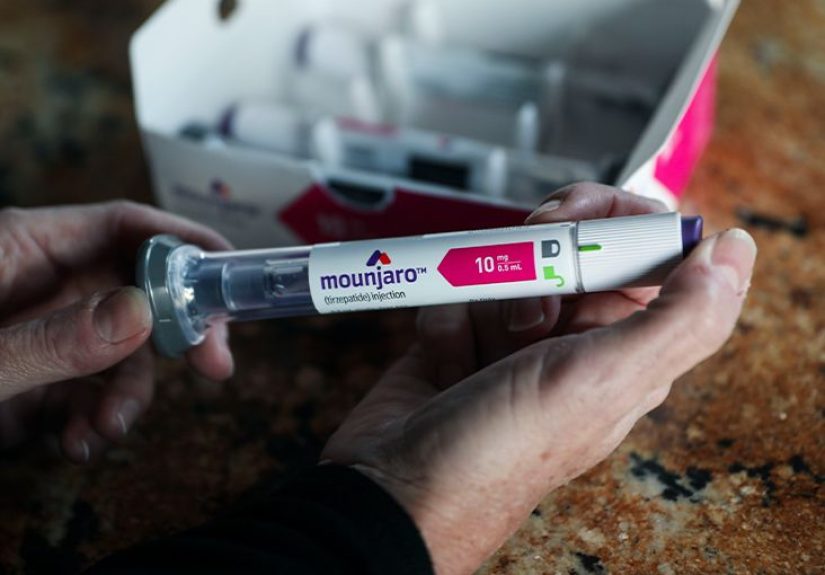
Mounjaro is the brand name for tirzepatide, a drug originally approved for type 2 diabetes. Ozempic is the brand name for semaglutide, also approved for type 2 diabetes. For obesity treatment, the better apples-to-apples comparison is really tirzepatide versus semaglutide, or if we are speaking in brand names, Zepbound versus Wegovy. Still, because patients, clinics, and media headlines often use Mounjaro and Ozempic as shorthand, the comparison has stuck. And now, thanks to stronger data, it is easier to explain why so many people are talking about tirzepatide as the heavier hitter in the weight-loss ring.
The Study Everyone Is Talking About
One of the most important pieces of evidence came from a large real-world study that compared tirzepatide and semaglutide in adults with overweight or obesity. This was not a tiny, highly controlled experiment where everyone eats perfect salads and never forgets a dose. It reflected actual clinical practice, which is to say: real refills, real side effects, real interruptions, real life.
The results were hard to ignore. People taking tirzepatide were more likely than those taking semaglutide to hit meaningful weight-loss milestones within a year. More patients on tirzepatide reached at least 5%, 10%, and 15% body-weight reduction, and the average on-treatment weight loss at 12 months was substantially greater. In plain English, both medications helped, but tirzepatide helped more on average.
That alone would have been enough to stir up the obesity-treatment world. But then the evidence got even stronger. A head-to-head trial published in 2025 compared tirzepatide directly with semaglutide in adults with obesity but without diabetes. After 72 weeks, tirzepatide produced a larger average reduction in body weight than semaglutide. The difference was not tiny, symbolic, or “statistically significant but emotionally boring.” It was clinically meaningful. Tirzepatide also led to greater reductions in waist circumference and helped more participants reach higher weight-loss thresholds.
So yes, the headline has real science behind it. On average, tirzepatide appears to produce more weight loss than semaglutide. That does not mean semaglutide is ineffective. It means the newer competitor may be more potent for many adults trying to lose excess weight.
Why Tirzepatide May Pull Ahead
It works on more than one pathway
Semaglutide works by activating the GLP-1 receptor. That helps regulate appetite, slows digestion, improves blood sugar control, and increases satiety. Tirzepatide does that too, but it also activates the GIP receptor. This dual action is one reason many obesity specialists see it as a next-generation therapy rather than just another me-too injectable.
Think of semaglutide as a very good manager keeping appetite signals from turning into chaos. Tirzepatide shows up as a manager with an assistant, a better spreadsheet, and suspiciously more energy than everyone else in the meeting. The exact biology is still being studied, but clinically, that extra pathway seems to translate into more weight loss for many patients.
It may help more people reach higher targets
For many patients, the issue is not simply losing a few pounds. It is crossing thresholds that change blood pressure, sleep apnea, blood sugar, joint pain, fatty liver risk, and overall function. That is why the difference between losing 8%, 14%, or 20% of body weight matters so much. It is not cosmetic math. It is metabolic math.
Semaglutide already changed the field by showing that double-digit percentage weight loss was possible with medication. Tirzepatide pushed that conversation further by making 15% to 20% weight loss look more realistic for a larger share of patients. That is one reason clinicians increasingly describe these medications as a major shift in obesity care rather than a trendy side quest for people who panic after dessert.
The Branding Problem: Mounjaro and Ozempic Are Not the Whole Story
Here is where the public conversation gets a little slippery. Ozempic is approved for type 2 diabetes, not obesity. The semaglutide brand that carries FDA approval for chronic weight management is Wegovy. Likewise, Mounjaro is the diabetes brand of tirzepatide, while Zepbound is the obesity brand.
That distinction matters for three reasons. First, insurance coverage often follows the label, not the headline. Second, dosing can differ by brand and indication. Third, a doctor choosing a medication for diabetes with cardiovascular or kidney considerations may think differently than a doctor treating obesity without diabetes.
In other words, the “Mounjaro beats Ozempic” headline is useful shorthand, but it is not the cleanest medical phrasing. The more precise takeaway is that tirzepatide appears to outperform semaglutide for average weight loss in current comparative data. That is the real story hiding under the catchy title.
How Effective Is Ozempic, Really?
In all the excitement around tirzepatide, semaglutide can end up sounding like the runner-up in a very unfair talent show. That would be a mistake. Semaglutide remains one of the most effective anti-obesity therapies ever brought into routine care. Earlier landmark trials helped establish average weight loss in the neighborhood of 15% in many adults using semaglutide 2.4 mg alongside lifestyle changes. That was a massive leap compared with older generations of obesity drugs.
So this is not a story about Ozempic being weak. It is a story about what happens when a very effective medication runs into a newer rival that may be even more effective. Semaglutide changed expectations. Tirzepatide seems to be changing them again.
What Doctors Still Care About Besides the Scale
Weight loss matters, but it is not the only question clinicians ask. They also care about tolerability, long-term adherence, access, metabolic improvements, patient goals, and safety history. A patient who loses slightly less weight on semaglutide but can actually stay on it, afford it, and tolerate it may do better than someone who starts tirzepatide, gets walloped by nausea, and quits by month three.
There is also the issue of indication. Ozempic is approved for improving glycemic control in adults with type 2 diabetes and for certain cardiovascular and kidney-risk reductions in specific diabetes populations. Zepbound, the obesity brand of tirzepatide, is approved for chronic weight management in eligible adults and also has an indication related to obstructive sleep apnea in adults with obesity. Those labels influence real-world prescribing decisions more than social media ever will, even if social media is much louder and owns better ring lights.
Eligibility still matters too. FDA-approved anti-obesity medications are generally intended for adults with obesity, or for adults with overweight plus at least one weight-related condition. They are meant to be used alongside a reduced-calorie diet and increased physical activity, not instead of them. That does not mean patients must become kale-powered superheroes. It means medication works best as part of a broader treatment plan.
Side Effects: The Part No One Puts in the Glamorous Before-and-After Post
Both semaglutide and tirzepatide commonly cause gastrointestinal side effects. Nausea, vomiting, diarrhea, constipation, and abdominal discomfort are recurring characters in this story. These symptoms often show up during dose escalation, which is one reason clinicians increase doses gradually instead of launching straight into the deep end like they are trying to win a chaos award.
Both drugs also carry boxed warnings related to thyroid C-cell tumors observed in rodents, and they are not appropriate for everyone. People with a personal or family history of medullary thyroid carcinoma or MEN 2 generally should not use them. There are also broader clinical concerns involving pancreatitis, gallbladder issues, kidney complications related to dehydration, delayed gastric emptying, and medication interactions. These are not reasons to panic. They are reasons to avoid self-prescribing based on a celebrity interview and a motivational quote on TikTok.
Another practical issue is compounded or otherwise unapproved versions of GLP-1 drugs. FDA has warned that unapproved semaglutide and tirzepatide products can pose real safety and quality risks. That warning matters because high demand and patchy insurance coverage have pushed some patients toward cheaper, less regulated alternatives online. Bargain shopping is great for socks. It is less charming when the product is an injectable medication affecting appetite, digestion, blood sugar, and multiple organ systems.
What the Latest Evidence Actually Means
The best current evidence supports a simple conclusion: tirzepatide appears to produce greater average weight loss than semaglutide. If your only question is, “Which one tends to move the scale more?” tirzepatide currently has the stronger case.
But medicine is rarely only about the winner on paper. The better question is often: which medication is more appropriate for this patient, with this health profile, this insurance situation, this tolerance for side effects, and this ability to stay on therapy over time? That question is more boring than the headline, but also more useful.
Real-world studies show discontinuation is common with GLP-1-based therapy, especially among people without type 2 diabetes. Cost, insurance barriers, gastrointestinal side effects, variable results, and supply issues all shape what happens after the prescription is written. So the true contest is not just tirzepatide versus semaglutide. It is effectiveness versus affordability, promise versus persistence, and biology versus bureaucracy. Bureaucracy, as usual, remains annoyingly competitive.
Bottom Line
If you have been seeing headlines claiming Mounjaro works better than Ozempic for weight loss, the science largely supports the spirit of that claim, with one important correction: the cleaner scientific comparison is tirzepatide versus semaglutide. And based on both real-world evidence and direct head-to-head trial data, tirzepatide currently looks stronger for average weight reduction.
Still, semaglutide remains a powerful, evidence-based option. The choice between them is not a beauty contest for injection pens. It is a clinical decision that should factor in approved use, health history, side effects, access, and long-term adherence. The newest data are exciting, but the smartest takeaway is not “everyone should switch.” It is this: obesity treatment is getting better, more individualized, and more effective than it used to be. And that is a far bigger story than a single viral headline.
Real-World Experiences: What People Notice After the Hype Fades
Once the headlines quiet down and the prescription is actually filled, people tend to describe these medications in ways that are much less dramatic than the internet. The first big surprise is often how ordinary the process feels. There is no movie montage, no instant transformation, and no magical morning where someone wakes up craving celery and inner peace. Instead, most people experience a slow adjustment period. Doses usually start low, appetite changes build gradually, and the first few weeks are often more about figuring out tolerance than admiring the bathroom scale.
Many patients describe the same early pattern: less hunger, earlier fullness, and a noticeable drop in the constant mental chatter around food. That does not mean they stop enjoying meals or suddenly become nutrition robots. It means the urgency softens. People often say they feel satisfied sooner, snack less automatically, and realize that the “I could eat again even though I just ate” feeling has finally turned down the volume. For individuals who have spent years battling appetite and rebound hunger, that change can feel less like vanity and more like relief.
The second big theme is that side effects are real, even when they are manageable. Some people breeze through dose escalation with only mild nausea. Others spend a few rough weeks learning that greasy takeout, giant portions, or speed-eating are now terrible life choices. Clinicians commonly report that patients do better when they slow down, focus on hydration, eat smaller meals, and pay attention to protein intake. That practical coaching matters. A prescription alone is helpful, but a prescription plus nutrition support tends to work much better in the real world.
Another common experience is emotional whiplash around expectations. Because public coverage of GLP-1 drugs is so intense, some patients expect dramatic results immediately. Then week three arrives, the scale has moved only modestly, and disappointment sets in. Experienced obesity clinicians regularly remind patients that the trend matters more than the individual week. What counts is sustained progress, not whether a Tuesday weigh-in was rude. In that sense, the patient experience is often a lesson in patience as much as pharmacology.
Cost and access also shape the experience in a way that clinical trials do not fully capture. Patients may respond well biologically but still struggle with prior authorization, high out-of-pocket costs, changing formularies, or interruptions in coverage. That can be incredibly frustrating, especially when someone finally feels that a treatment is working. Some patients stop not because the medication failed, but because the system did. That gap between medical possibility and practical access is one of the most important parts of the modern GLP-1 story.
Then there is the long-term mindset shift. People often begin treatment thinking of it as a jump-start. Over time, many realize obesity medication works more like treatment for a chronic condition than a short seasonal project. That can be hard to accept at first, but it also helps explain why doctors focus so much on sustainability. The most successful experiences usually involve more than the drug itself: follow-up appointments, realistic goals, nutrition counseling, movement, sleep, and a plan for what happens if weight loss slows down or coverage changes. In real life, the best outcomes rarely come from the shot alone. They come from the full support structure around it.