Table of Contents >> Show >> Hide
- Diverticulosis vs. Diverticulitis: Why the Diet Changes
- The Best Diet for Diverticulosis
- What to Eat During a Diverticulitis Flare
- Foods to Limit During a Flare
- Do Nuts, Seeds, and Popcorn Cause Diverticulitis?
- A Practical One-Day Meal Plan for Diverticulosis
- A Gentle Recovery Meal Plan After a Mild Flare
- Hydration: The Fiber Sidekick
- Red Meat, Processed Foods, and Lifestyle Factors
- Common Mistakes to Avoid
- Real-Life Experience: What Eating With Diverticular Disease Often Feels Like
- Conclusion
Eating with diverticulosis or diverticulitis can feel a little like trying to follow traffic rules in a city where the signs keep changing. One person says, “Eat more fiber.” Another says, “Avoid fiber.” Someone’s aunt insists popcorn is dangerous. A website from 2007 tells you to fear strawberries like they are tiny red villains. So, what is actually true?
The simple answer is this: a diverticulosis diet is usually built around fiber, hydration, and steady bowel habits, while a diverticulitis diet during a flare is often temporarily lower in fiber so the colon can rest. The trick is knowing which stage you are in. Diverticulosis means small pouches, called diverticula, have formed in the colon wall. Diverticulitis means one or more of those pouches has become inflamed or infected. Same neighborhood, very different mood.
This guide explains what to eat, what to limit, how to transition after a flare, and how to build a realistic long-term meal pattern without turning your kitchen into a medical spreadsheet.
Diverticulosis vs. Diverticulitis: Why the Diet Changes
With diverticulosis, many people have no symptoms at all. The goal is prevention: softer stools, less constipation, less straining, and a calmer colon. That is why many clinicians recommend gradually increasing fiber from whole grains, fruits, vegetables, beans, lentils, nuts, and seeds.
With diverticulitis, the colon is irritated and inflamed. During a mild flare, a healthcare professional may recommend a short period of clear liquids, followed by low-fiber foods, then a slow return to a higher-fiber diet as symptoms improve. Think of it like giving your digestive system a quiet weekend before inviting the whole fiber party back.
The Best Diet for Diverticulosis
For diverticulosis, the long-term eating pattern is not mysterious or exotic. It looks a lot like the diet your body keeps politely requesting: high in plant foods, moderate in lean protein, low in heavily processed foods, and supported by enough fluids.
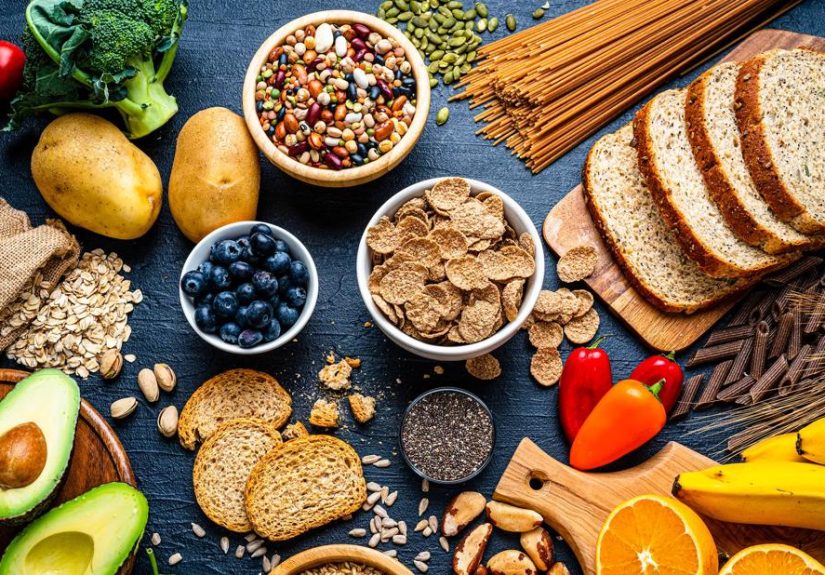
High-Fiber Foods to Eat More Often
Fiber helps add bulk and softness to stool, which may reduce pressure inside the colon. Good choices include:
- Whole grains: oatmeal, brown rice, barley, quinoa, whole wheat bread, bran cereal, and whole grain pasta.
- Fruits: apples, pears, berries, oranges, bananas, peaches, and prunes.
- Vegetables: broccoli, carrots, squash, leafy greens, sweet potatoes, peas, and corn if tolerated.
- Legumes: lentils, black beans, kidney beans, chickpeas, split peas, and soybeans.
- Nuts and seeds: almonds, walnuts, chia seeds, flaxseed, pumpkin seeds, and sunflower seeds.
If your current diet is low in fiber, do not leap from white toast to a mountain of beans overnight. Your gut may respond with a marching band of gas and bloating. Increase fiber slowly over several weeks and drink more water as you do.
How Much Fiber Should You Aim For?
A common target for many adults with diverticular disease is about 25 to 30 grams of fiber per day, though the best amount depends on your age, symptoms, medical history, and tolerance. Some people do well with more; others need a slower approach. A practical strategy is to add one fiber-rich food at a time. For example, add oatmeal at breakfast for a week, then add a serving of beans at lunch, then add berries or a pear as a snack.
What to Eat During a Diverticulitis Flare
During an active diverticulitis flare, the goal changes. Instead of pushing fiber, the focus is on reducing digestive workload while you follow your clinician’s instructions. Mild cases may be managed at home, but severe pain, fever, vomiting, worsening symptoms, or inability to keep liquids down should be treated as a reason to call a healthcare professional promptly.
Clear Liquid Phase
A short clear liquid diet may be recommended for a flare. This is usually temporary because it does not provide enough nutrients for long-term use. Clear liquid options may include:
- Water or ice chips
- Clear broth
- Apple juice or grape juice without pulp
- Plain gelatin
- Popsicles without fruit pieces
- Tea or coffee without milk or cream, if tolerated
This phase is not meant to be heroic. You do not win a digestive medal for staying on clear liquids too long. Once symptoms begin improving, your provider may advise moving to low-fiber foods.
Low-Fiber Foods While Recovering
Low-fiber foods are easier for many people to tolerate while the colon heals. Examples include:
- White rice, white pasta, and white bread
- Low-fiber cereals such as cream of wheat
- Eggs
- Tender chicken, turkey, fish, or lean meat
- Yogurt, milk, cottage cheese, or mild cheese if tolerated
- Applesauce or canned fruit without skins or seeds
- Cooked vegetables without skins or seeds
- Potatoes without skin
Once pain and digestive symptoms improve, fiber is usually reintroduced slowly. Jumping back into a giant salad too soon can be like sending a drumline through a library. Start gently.
Foods to Limit During a Flare
During active diverticulitis symptoms, high-fiber foods may temporarily worsen discomfort. Foods often limited during this period include raw vegetables, fruit skins, beans, lentils, bran, whole grains, nuts, seeds, popcorn, and tough meats. This does not mean these foods are “bad.” It means timing matters.
High-fat, greasy, spicy, or heavily processed foods may also be harder to tolerate during recovery. Alcohol can irritate digestion for some people and may interfere with medications, so it is wise to ask your clinician what is safe for your situation.
Do Nuts, Seeds, and Popcorn Cause Diverticulitis?
For years, people with diverticulosis were told to avoid nuts, seeds, corn, and popcorn because doctors worried that tiny particles might lodge inside diverticula and trigger inflammation. Current evidence does not support routinely avoiding these foods. In fact, nuts and seeds can be useful sources of fiber, healthy fats, magnesium, and plant protein.
The better rule is personal tolerance. If popcorn gives you cramps every time, skip it. If chia pudding makes your gut happy, enjoy it. Your colon does not read old diet myths, but it does give feedback.
A Practical One-Day Meal Plan for Diverticulosis
Here is a simple high-fiber day for someone who is not having a flare:
- Breakfast: Oatmeal topped with blueberries, ground flaxseed, and a spoonful of peanut butter.
- Snack: A pear and a glass of water.
- Lunch: Turkey and avocado on whole grain bread with carrot sticks and hummus.
- Snack: Greek yogurt with sliced strawberries or chia seeds.
- Dinner: Salmon, brown rice, roasted zucchini, and a side salad.
- Evening option: Herbal tea and a small handful of walnuts.
This meal plan includes soluble and insoluble fiber, lean protein, healthy fats, and plenty of texture. It is also normal food, which is always nice when the internet is trying to convince you that healing requires twelve powders and a ceremonial blender.
A Gentle Recovery Meal Plan After a Mild Flare
After a healthcare professional clears you to move beyond liquids, a low-fiber recovery day might look like this:
- Breakfast: Scrambled eggs with white toast.
- Snack: Applesauce or a banana if tolerated.
- Lunch: Chicken noodle soup with refined noodles and tender chicken.
- Snack: Yogurt without granola, nuts, or seeds.
- Dinner: Baked fish, white rice, and cooked peeled carrots.
As symptoms fade, you may add fiber back in small steps. Try half a cup of oatmeal, a peeled apple, a small serving of cooked vegetables, or a spoonful of ground flaxseed. The goal is progress, not digestive gymnastics.
Hydration: The Fiber Sidekick
Fiber without fluid can backfire. It may leave stools bulky but dry, which is exactly the opposite of what you want. Water helps fiber move through the digestive tract and supports regular bowel movements. A simple habit is to drink a glass of water with each meal and snack. If you increase fiber, increase fluids too.
Red Meat, Processed Foods, and Lifestyle Factors
A diverticulitis prevention diet is not only about adding fiber. It also means paying attention to the foods that may crowd fiber out. Diets high in red meat, processed meats, refined grains, fried foods, and sugary snacks are often lower in protective plant foods. You do not have to become perfect. Start by swapping one processed meal for a fiber-rich option a few times per week.
Movement matters too. Regular physical activity supports bowel motility, weight management, and overall digestive health. Even walking after meals can help. Your colon appreciates a stroll more than a lecture.
Common Mistakes to Avoid
Adding Fiber Too Fast
More fiber is not always better immediately. Increase gradually to reduce bloating, cramping, and gas.
Staying on a Clear Liquid Diet Too Long
Clear liquids may be useful briefly during a flare, but they are not nutritionally complete. Follow medical guidance and return to solid foods when advised.
Ignoring Warning Symptoms
Fever, worsening abdominal pain, vomiting, rectal bleeding, dizziness, or inability to drink fluids should not be managed with diet alone. Call a healthcare professional.
Following Outdated Food Rules
Nuts, seeds, and popcorn are not automatically forbidden. During a flare, they may be temporarily limited because they are high in fiber. During remission, many people can eat them comfortably.
Real-Life Experience: What Eating With Diverticular Disease Often Feels Like
Living with diverticulosis or recovering from diverticulitis is not just about food lists. It is about learning your body’s patterns. Many people discover that their digestive system has opinions, and unfortunately, it does not always submit those opinions in a polite email.
One common experience is confusion after diagnosis. A person may leave the doctor’s office hearing “eat more fiber,” then search online and find flare-up advice saying “eat less fiber.” Both can be correct, but for different moments. When symptoms are quiet, fiber is usually the long-term friend. When inflammation is active, a temporary low-fiber approach may be the calmer choice.
Another common experience is fear of food. After a painful flare, it is natural to become suspicious of everything on the plate. Was it the salad? The popcorn? The steak? The spicy sauce? The truth is that flares are not always traceable to one villain food. Stress, constipation, hydration, medication use, activity level, and overall eating pattern may all play a role. Keeping a simple food and symptom journal for a few weeks can help identify personal triggers without turning meals into a courtroom drama.
Many people also notice that texture matters. Raw broccoli may feel rough during recovery, while well-cooked carrots are fine. A whole apple with skin may be too much at first, while applesauce works beautifully. Beans may need to return slowly, starting with a few tablespoons instead of a full chili bowl. This is not failure; it is digestive negotiation.
Social eating can be tricky too. At a restaurant, the safest choice during recovery may be grilled fish, white rice, soup, eggs, or tender chicken rather than a huge raw salad. Later, when symptoms are gone, the same person may do well with whole grains, vegetables, and beans again. The diet is not a prison sentence. It is more like a seasonal wardrobe: what works during a flare is not necessarily what you wear every day.
A practical mindset helps. Instead of asking, “What can I never eat again?” ask, “What stage am I in today?” During a flare, keep things gentle and follow medical advice. During recovery, rebuild slowly. During remission, focus on fiber, fluids, movement, and balanced meals. This flexible approach reduces panic and makes the diet more sustainable.
The best experience many people report is the moment they stop chasing extreme rules and start building steady habits. A bowl of oatmeal. A daily walk. A water bottle nearby. Beans added gradually. Vegetables cooked when needed. Nuts enjoyed when tolerated. Not glamorous, perhaps, but neither is arguing with your colon at 2 a.m. Consistency is the quiet hero of the diverticulitis and diverticulosis diet.
Conclusion
The best diverticulitis and diverticulosis diet depends on timing. For diverticulosis or life after recovery, a high-fiber pattern with fruits, vegetables, whole grains, legumes, nuts, seeds, plenty of water, and regular activity may help support bowel health and lower flare-up risk. During active diverticulitis, your healthcare professional may recommend clear liquids or low-fiber foods for a short time, followed by a gradual return to fiber as symptoms improve.
Forget the outdated fear that every seed is a tiny digestive grenade. Modern guidance is more balanced: eat fiber when your colon is calm, go gentle when it is inflamed, and personalize your choices based on symptoms and medical advice. Your diet does not need to be perfect. It needs to be informed, flexible, and kind to your gut.