Table of Contents >> Show >> Hide
Growing flowers sounds simple until your “romantic cottage border” starts looking like a very emotional patch of weeds. The good news is that a beautiful flower garden is not reserved for master gardeners with enchanted trowels and suspiciously perfect hydrangeas. It comes down to smart choices, steady care, and a little patience when the weather decides to behave like a reality show contestant.
If you want bigger blooms, longer flowering seasons, healthier plants, and a garden that makes neighbors slow down on evening walks, start with the basics and do them well. From choosing the right flowers for your hardiness zone to watering deeply and deadheading like you mean it, these practical flower garden tips can help almost any yard level up. Whether you love annuals, perennials, pollinator flowers, or container blooms, these 20 strategies will help you grow a garden that looks lush, colorful, and gloriously alive.
Start With the Right Foundation
1. Know your USDA hardiness zone before you buy anything
A flower may look fabulous on the tag, but if it hates your winter lows or summer heat, it is basically a short-term houseguest. Check your USDA hardiness zone first and match plants to your climate. This matters especially for perennials, shrubs, and bulbs you expect to return year after year. A gardener who shops by zone saves money, frustration, and several dramatic speeches directed at a dying plant.
2. Put the right plant in the right place
Full sun flowers need real sun, not “kind of bright after lunch.” Shade lovers do not want to bake all afternoon. Watch your yard for a few days and note where you get full sun, part shade, dry spots, and consistently moist areas. When flowers are matched to the site, they grow stronger, bloom better, and require less rescue work from you.
3. Improve your soil before planting
Beautiful flowers begin underground. Work in organic matter such as compost to improve texture, drainage, and fertility. Good soil helps roots spread, moisture stay balanced, and nutrients become more available. Think of soil prep as the unglamorous opening act that makes the headliner look amazing later.
4. Prioritize drainage like your flowers’ lives depend on it
Because they do. Many flowering plants hate soggy roots more than they hate a missed compliment. If your bed stays wet after rain, amend the soil, create raised beds, or choose flowers that tolerate moisture. Poor drainage leads to root stress, crown rot, and unhappy plants that never quite perform.
5. Test your soil instead of guessing
Soil testing sounds serious, but it saves you from throwing fertilizer around like confetti. A basic test can show pH and nutrient levels, helping you grow flowers more effectively. Some blooms prefer slightly acidic soil, while others are less picky. A test tells you what your soil actually needs instead of what the label on a random garden product claims it needs.
Choose Flowers That Keep the Garden Looking Good
6. Mix annuals and perennials for the best of both worlds
Annuals are the overachievers of quick color. They bloom fast and often keep going until frost. Perennials are the long-game players that return each year and build structure in the garden. Combine both for a flower garden that looks lively now and still has backbone next season. Think zinnias and marigolds for speed, coneflowers and black-eyed Susans for staying power.
7. Plan for continuous bloom instead of one big moment
A gorgeous garden in May that looks sleepy by July is a common rookie move. Choose flowers with staggered bloom times so something is always opening. Early spring bulbs, late spring peonies, summer salvias, midsummer cosmos, and fall asters can keep your garden looking intentional instead of accidentally abandoned.
8. Use native and pollinator-friendly flowers
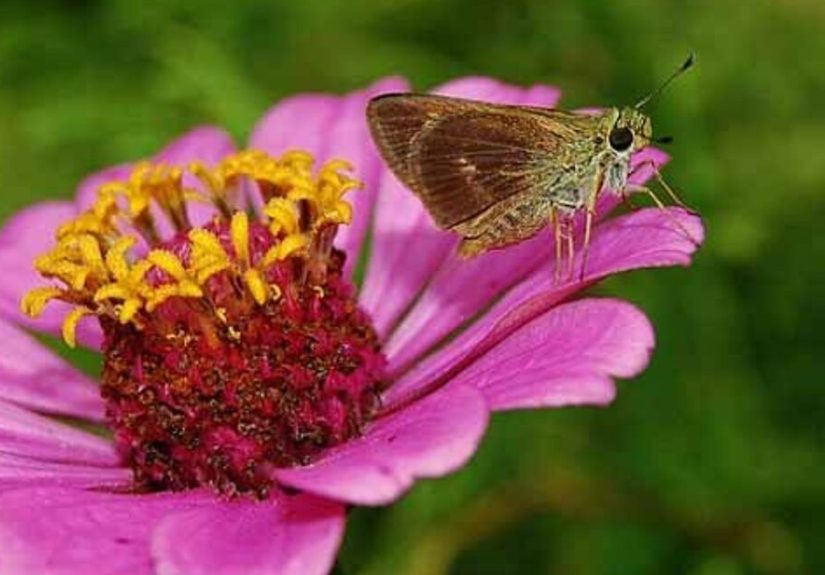
Native flowers are often better adapted to local conditions and can be easier to maintain once established. They also support bees, butterflies, and other beneficial insects. Pollinator-friendly planting brings more motion, more ecological value, and more of that “wow, this garden feels alive” energy. Open flower forms are often more useful to pollinators than heavily double blooms.
9. Group plants with similar water and light needs
Do not make a thirsty impatiens share a space strategy with drought-tolerant blanket flower and hope for peace. Grouping flowers by similar needs makes watering easier and prevents over- or under-care. It also helps you avoid the classic garden mistake where one plant thrives and its neighbor stages a protest.
10. Pay attention to mature size and spacing
Tiny nursery plants are charming little liars. They rarely stay tiny. Read spacing recommendations and plant with the mature size in mind. Proper airflow helps reduce disease, improves light exposure, and gives each plant room to show off. Cramming everything together may look lush for two weeks, then turn into a leafy traffic jam.
Plant Smarter for Stronger Growth
11. Plant at the correct depth
Too high and roots dry out. Too low and crowns may rot. Most container-grown flowers should be planted at the same depth they were growing in the pot. Some plants, such as peonies and certain irises, are especially fussy about depth if you want reliable blooming. This is one of those small details that makes a big difference.
12. Water new plantings consistently while roots establish
Freshly planted flowers need regular moisture while they settle in. The goal is not to keep soil swampy, but to keep it evenly moist until roots begin expanding into surrounding soil. New plants are like people in a new apartment: they need a little support before they start acting confident.
13. Water deeply, not constantly
Once established, most flowers do better with deep watering that encourages roots to grow downward. Shallow daily sprinkling can create weak root systems and more stress during hot weather. A general rule is to make sure plants get consistent moisture, especially during dry spells, but let the soil surface dry slightly when appropriate for the plant. Deep roots mean stronger, more resilient flowers.
14. Mulch to keep moisture in and weeds out
A two- to three-inch layer of mulch can help conserve moisture, reduce weeds, and moderate soil temperature. Keep mulch a little away from stems and crowns so you do not trap excess moisture against the plant. Mulch is basically the quiet employee of the garden: it does a lot, asks for nothing, and makes everybody else look better.
15. Feed flowers carefully, not excessively
Flowers need nutrients, but more fertilizer does not always mean more blooms. Too much nitrogen can produce lush leaves and fewer flowers, which is great if your dream garden is mostly leaves and disappointment. Use compost, balanced feeding, and soil test results to guide your fertilizing plan.
Keep Flowers Blooming Longer
16. Deadhead spent flowers to encourage more blooms
Removing faded flowers often encourages many annuals and perennials to keep producing. It also tidies the garden and prevents plants from putting extra energy into seed production too soon. Petunias, zinnias, cosmos, and many summer bloomers often respond well to this little haircut. Some annuals are self-cleaning, but many still benefit from attention.
17. Pinch or cut back leggy plants early
Pinching back certain flowers when they are young can create bushier plants with more stems and more blooms later. This works well for flowers such as asters, mums, and some annuals. It feels a little rude the first time you do it, but the result is often fuller, less floppy growth.
18. Stay ahead of weeds before they steal the show
Weeds compete for sunlight, water, and nutrients, and they are remarkably confident about it. Pull them early, mulch to suppress new ones, and do quick weekly check-ins rather than waiting for a full-blown botanical uprising. A clean bed makes flowers easier to see and easier to maintain.
19. Watch for disease and pest issues early
Healthy flower gardening is often about noticing small problems before they become large, crispy, spotted disasters. Buy healthy plants, give them air circulation, avoid overcrowding, and inspect leaves and roots when something looks off. Choosing resistant varieties and keeping plants vigorous can go a long way toward preventing trouble.
20. Grow some flowers in containers for instant impact
Containers let you add color to patios, porches, entryways, and awkward corners that need a little personality. Use pots large enough to hold moisture, choose a quality potting mix, and check them often because containers dry out faster than in-ground beds. Containers are also perfect for experimenting with color combinations without reorganizing the whole yard like a floral interior designer.
How to Make Your Flower Garden Look Even More Beautiful
Great gardens are not just healthy. They are composed. Repeat colors in different areas to make the space feel unified. Layer heights so taller flowers sit behind shorter ones in a border. Mix bloom shapes, leaf textures, and flower sizes for interest. Add a few reliable foliage plants so the garden still looks good when one flower type takes a break. And above all, leave room for change. The best flower gardens are not rigid masterpieces. They are living collections that improve each season.
Try easy combinations such as purple salvia with yellow coreopsis, white alyssum edging a bed of pink zinnias, or black-eyed Susans mixed with ornamental grasses for late-summer drama. Even a small yard can feel lush when the planting has rhythm, contrast, and a clear sense of purpose.
Conclusion
If you want to grow flowers for a beautiful garden, the biggest secret is not luck. It is matching plants to your conditions, building healthy soil, watering wisely, spacing correctly, and giving blooms consistent care through the season. Start with a few dependable flowers, learn how your site behaves, and improve one bed at a time. Before long, your garden will look less like a hopeful experiment and more like a place where flowers actually know what they are doing.
The best part is that flower gardening rewards effort quickly. A little planning now can turn into months of color, pollinator activity, fresh-cut bouquets, and that deeply satisfying feeling of standing in your yard thinking, “Yes, this was worth the dirt under my nails.”
Real-Life Flower Gardening Lessons That Make All the Difference
Anyone who has grown flowers for more than five minutes learns that the garden is a wonderful teacher with a slightly sarcastic tone. You start the season with a neat plan, a trunk full of nursery plants, and the confidence of someone who has watched exactly three gardening videos. Then summer arrives and hands you a much more interesting education.
One of the first lessons gardeners learn is that healthy flowers are usually the result of boring decisions made early. Choosing the right spot, improving the soil, and paying attention to spacing feels less exciting than buying every bloom in sight, but those quiet decisions shape everything. Gardeners who skip them often spend the season trying to rescue plants that never wanted to live in that particular spot in the first place.
Another common experience is discovering that watering is not about being generous. It is about being smart. Many new gardeners assume more water equals more happiness, then wonder why the leaves yellow or the stems collapse. Over time, you learn to read the garden better. You notice when the soil is still moist below the surface. You recognize which containers dry out by afternoon and which beds hold moisture longer. Eventually, watering becomes less of a panic response and more of a skill.
Then there is the humbling art of plant spacing. At planting time, every gardener is tempted to tuck flowers closer together because the bed looks fuller. It feels efficient, even artistic. A month later, the plants are elbowing one another like commuters on a packed train. Airflow drops, mildew appears, and pruning becomes a diplomatic exercise. Experience teaches restraint. A garden often looks best when you give it room to grow into itself.
Deadheading also tends to convert skeptics. At first it seems fussy, like something only perfectionists do while wearing spotless gloves. But once you see how many annuals and perennials respond with fresh blooms, it becomes strangely satisfying. A quick evening walk with pruners can revive the whole garden’s appearance. It is not glamorous, but neither is scrubbing a kitchen, and both clearly improve the mood of the room.
Perhaps the biggest lesson is that beautiful gardens are rarely perfect. Some flowers flop. Some get chewed. A heat wave arrives, a storm knocks things sideways, and one mystery plant refuses to thrive no matter how encouraging your pep talks become. Yet even with those setbacks, the garden can still be stunning. In fact, the gardens people love most often feel layered, lived-in, and slightly unpredictable.
That is why experienced flower gardeners keep experimenting. They move a plant that struggled in shade. They swap a high-maintenance annual for a tougher native flower. They add mulch earlier, plant in drifts instead of singles, or try a larger container by the front steps. Each season builds knowledge. Each mistake sharpens the design. And little by little, the garden becomes not just prettier, but more personal.
In the end, growing flowers is partly about beauty and partly about attention. The more closely you observe, the better choices you make. And the better choices you make, the more your garden rewards you with color, texture, movement, and joy. That is the real experience behind a beautiful flower garden: not perfection, but progress with petals.