Table of Contents >> Show >> Hide
- What Sleep Apnea Is (and Why It’s More Than “Bad Sleep”)
- How Sleep Apnea Hurts the Body: The Nightly Stress Test You Didn’t Sign Up For
- Danger #1: High Blood Pressure and Heart Disease
- Danger #2: Heart Rhythm Problems (Including Atrial Fibrillation)
- Danger #3: Stroke Risk and Brain Health
- Danger #4: Type 2 Diabetes and Metabolic Problems
- Danger #5: Accidents from Daytime Sleepiness (Driving, Work, and “Oops Moments”)
- Danger #6: Quality of Life, Mood, and Relationships
- Who Should Take Sleep Apnea Seriously (Hint: More People Than You Think)
- How Sleep Apnea Is Diagnosed
- Treatment: The Good News (Because There Is Good News)
- So, How Dangerous Is Sleep Apnea?
- Experiences People Share About the Dangers of Sleep Apnea (and Why They Wish They’d Acted Sooner)
Snoring can be funnyright up until it sounds like a lawnmower swallowed a kazoo and started doing interval training at 2 a.m.
But here’s the plot twist: sleep apnea is not a “quirky sleep habit.” It’s a medical condition where breathing repeatedly slows
down or stops during sleep. That means your body spends the night fighting for oxygen instead of doing what sleep is supposed to do:
restore, repair, and reset.
The danger isn’t just feeling tired the next day (though that’s real, and it’s miserable). Untreated sleep apnea has been linked to
serious health problemsfrom high blood pressure and heart rhythm issues to stroke risk, diabetes complications, and dangerous daytime
sleepiness that can lead to accidents. The scary part? Many people don’t realize they have it because most of the symptoms happen while
they’re unconscious… which is an inconvenient time to self-diagnose anything.
What Sleep Apnea Is (and Why It’s More Than “Bad Sleep”)
Sleep apnea is a sleep-related breathing disorder. The most common type is obstructive sleep apnea (OSA), where the
upper airway repeatedly collapses or becomes blocked during sleep. Less commonly, central sleep apnea happens when the
brain doesn’t consistently send the right signals to breathe. Some people have a mixed pattern.
During an apnea event, breathing can pause for secondssometimes long enough to drop oxygen levels and trigger a stress response.
Your brain then partially wakes you up (often without you remembering) to restart breathing. This can happen over and oversometimes
dozens of times per hourfragmenting sleep and repeatedly jolting your body into “fight-or-flight” mode.
Think of it like this: you’re trying to charge your phone, but someone keeps yanking the cable out every few minutes. You might spend
all night “plugged in,” but you still wake up at 12% batterygrumpy, foggy, and suspicious of everyone.
How Sleep Apnea Hurts the Body: The Nightly Stress Test You Didn’t Sign Up For
Untreated sleep apnea can affect nearly every system because it combines two harmful ingredients:
intermittent oxygen drops and sleep fragmentation.
Together, they can set off a chain reaction:
- Sympathetic nervous system activation: stress hormones rise, heart rate and blood pressure can spike.
- Inflammation and oxidative stress: repeated oxygen fluctuations can irritate blood vessels over time.
- Metabolic disruption: appetite hormones and insulin sensitivity can be affected, increasing cardiometabolic risk.
- Brain strain: poor sleep quality can impair attention, memory, and mood.
In other words, sleep apnea isn’t a single problemit’s a nightly multiplier that can worsen existing health issues and quietly build new ones.
Danger #1: High Blood Pressure and Heart Disease
One of the best-known risks of obstructive sleep apnea is its relationship with high blood pressure.
When oxygen drops and the body repeatedly “alarms” itself awake, blood pressure can surge. Over time, this pattern may contribute to
sustained hypertension, including forms that are difficult to control.
Why does that matter? Because high blood pressure is a major risk factor for heart disease, kidney disease, and stroke. Sleep apnea can
also be associated with other cardiovascular problems, including coronary artery disease and heart failure. If you already have heart disease,
untreated sleep apnea can make outcomes worse by adding repeated strain at nightlike making your heart run extra laps while you’re supposed
to be resting.
A real-world example
Imagine someone who does “all the right things” during the daytakes prescribed medication, eats reasonably well, and tries to exercise
but their blood pressure still won’t budge. If they also have loud snoring, morning headaches, or daytime sleepiness, undiagnosed sleep apnea
could be one piece of the puzzle. Treating it won’t replace heart care, but it can remove a major nightly stressor.
Danger #2: Heart Rhythm Problems (Including Atrial Fibrillation)
Sleep apnea is also associated with abnormal heart rhythms. One rhythm issue that often comes up in sleep medicine and cardiology is
atrial fibrillation (AFib), an irregular heartbeat that can raise the risk of stroke and other complications.
The repeated oxygen dips and surges in blood pressure can irritate the cardiovascular system and may contribute to electrical instability in the heart.
If someone has AFib, untreated sleep apnea may make it harder to manage.
Bottom line: if your heart is already sensitive, sleep apnea can be like that one friend who insists on turning every calm situation into a crisis.
Helpful? No. Loud? Yes.
Danger #3: Stroke Risk and Brain Health
Sleep apnea has been linked with a higher risk of stroke and other vascular problems. The reason isn’t mysterious: repeated oxygen drops, blood pressure
spikes, and chronic inflammation can all affect blood vessels, including those that supply the brain.
Beyond stroke, sleep apnea can also affect how the brain works day-to-day. People may notice trouble with concentration, slower thinking, forgetfulness,
and mood changes. Over time, chronic sleep disruption can impact cognitive performance and quality of life.
“But I sleep eight hours…”
Sleep apnea can make you think you slept all night because you don’t remember waking up. But if your sleep is repeatedly interrupted, your brain
may never spend enough time in the deeper, restorative stages. You can be in bed for eight hours and still wake up feeling like you just pulled an all-nighter
with a raccoon DJing in your bedroom.
Danger #4: Type 2 Diabetes and Metabolic Problems
Sleep and metabolism are tightly connected. Poor sleep quality can affect insulin sensitivity and appetite-regulating hormones. Sleep apnea adds an extra
layer by repeatedly stressing the body overnight. Research and clinical guidance commonly highlight links between sleep apnea and
type 2 diabetes, as well as broader cardiometabolic risk.
This matters in two directions:
- Sleep apnea can worsen metabolic health by disrupting glucose regulation and increasing stress hormones.
- Metabolic conditions can increase sleep apnea risk (for example, weight changes and fat distribution can affect the upper airway).
No shame, no blamejust physiology. The airway is a structure, and structures respond to pressure, inflammation, and anatomy. But ignoring sleep apnea can
make it harder to improve overall health, even when someone is working hard in other areas.
Danger #5: Accidents from Daytime Sleepiness (Driving, Work, and “Oops Moments”)
One of the most immediate dangers of untreated sleep apnea is excessive daytime sleepiness. This isn’t the cute “I need a latte” kind of tired.
It can be the “I just blinked and missed two highway exits” kind of tired. Micro-sleepsbrief involuntary sleep episodescan occur without warning.
Drowsy driving is a major safety issue, and sleep apnea is a known contributor to impaired alertness. People with untreated sleep apnea may be at higher risk
for motor vehicle crashes, workplace errors, and injuries, especially in jobs involving driving, machinery, or long shifts.
Small signs that can have big consequences
- Nodding off at stoplights or during meetings
- Needing constant stimulation to stay awake (loud music, cold air, snacksanything)
- Feeling “fine” only when you’re actively moving, but crashing when you sit still
- Near-misses on the road (“I don’t even remember drifting…”)
If this sounds familiar, it’s not a personality trait. It’s a safety signal.
Danger #6: Quality of Life, Mood, and Relationships
Sleep apnea doesn’t just affect lab numbers and long-term risk. It can change daily life in painfully practical ways:
- Morning headaches or dry mouth
- Irritability and mood changes (poor sleep makes patience evaporate)
- Lower motivation and reduced productivity
- Memory and focus issues that affect school or work
- Relationship strain from loud snoring and restless nights (for both people)
Many people don’t seek help because they assume it’s “normal” to feel tired, or they blame stress, aging, or a busy schedule.
But when the root cause is interrupted breathing, no amount of weekend sleeping-in fully fixes it.
Who Should Take Sleep Apnea Seriously (Hint: More People Than You Think)
Sleep apnea can affect people of different ages and body types. Certain factors raise the likelihood, such as:
- Loud, habitual snoring (especially with gasping or choking sounds)
- Witnessed breathing pauses during sleep
- Daytime sleepiness, fatigue, or “brain fog”
- High blood pressureespecially if it’s difficult to control
- Type 2 diabetes or metabolic syndrome
- Nasal congestion or structural airway factors
- Family history of sleep apnea
- Use of alcohol or sedatives near bedtime (which can relax airway muscles)
Kids can have sleep apnea too, often showing different signslike behavioral issues, attention problems, or restless sleep. In adults, the symptoms are often
dismissed as “just being tired.” If there’s loud snoring plus daytime impairment, it’s worth discussing with a healthcare professional.
How Sleep Apnea Is Diagnosed
Diagnosis usually involves a sleep evaluation and either:
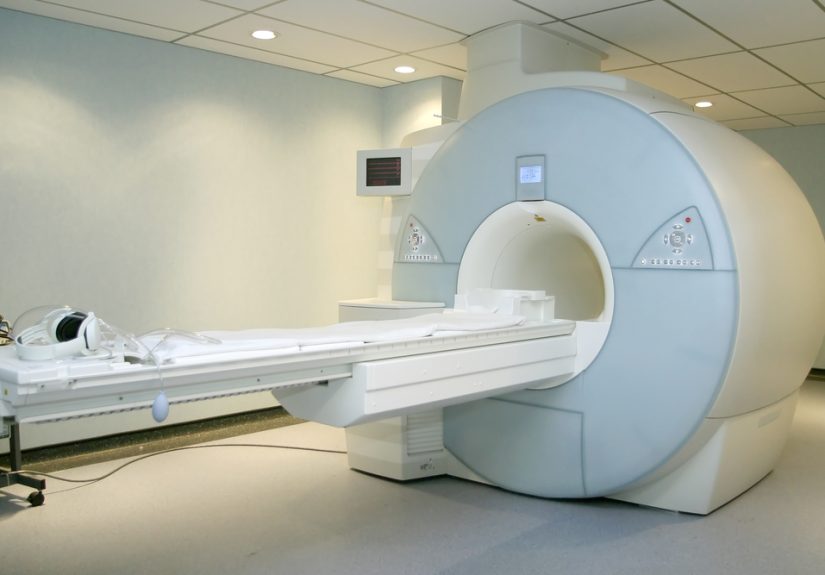
an overnight sleep study (polysomnography) in a sleep lab, or
a home sleep apnea test for appropriate candidates.
These tests measure breathing patterns, oxygen levels, sleep stages (in lab tests), and how often breathing disruptions occur.
A key measurement is often the apnea-hypopnea index (AHI), which estimates how many breathing events happen per hour. Severity categories vary by
guideline, but generally, higher AHI and lower oxygen levels mean greater risk and greater potential benefit from treatment.
Treatment: The Good News (Because There Is Good News)
Treating sleep apnea isn’t about “getting perfect sleep.” It’s about preventing repeated oxygen drops and restoring stable, restorative sleep.
The right option depends on the type and severity of apnea, anatomy, and medical history. Common approaches include:
Positive airway pressure (PAP/CPAP)
CPAP (continuous positive airway pressure) is a common, evidence-based treatment for obstructive sleep apnea. It works by keeping the airway open with gentle air
pressure. It can reduce breathing events and improve daytime symptoms for many people.
Oral appliances
For some people, a dentist trained in sleep medicine can fit an oral appliance that helps keep the airway open by repositioning the jaw or tongue.
Position and lifestyle strategies
Some cases improve with positional therapy (avoiding back-sleeping), addressing nasal congestion, and health-focused lifestyle changes.
If weight changes are relevant, even modest improvements may reduce severity for certain individualsbut it’s not the only factor, and it’s not a moral issue.
Procedures and device-based treatments
In selected cases, surgical options or implanted devices that stimulate airway muscles may be considered. A sleep specialist can explain what’s appropriate and
what’s not, based on evidence and individual anatomy.
The most important takeaway: sleep apnea is treatable. And treatment isn’t just about snoring quieterit’s about reducing health risks and getting your life back.
So, How Dangerous Is Sleep Apnea?
“Dangerous” doesn’t always mean dramatic. Often, it means silent: gradual strain on the heart, slow increases in blood pressure, creeping fatigue, and a
growing risk of accidents. Left untreated, sleep apnea can contribute to serious complications. But identified and managed, it can be one of the most impactful
health problems to address because improving breathing at night improves how the entire body functions during the day.
If you suspect sleep apneawhether because of loud snoring, gasping episodes, persistent daytime sleepiness, or cardiometabolic issuestalk to a healthcare
professional or a sleep specialist. You don’t have to “prove” you’re struggling. Feeling exhausted all the time is enough.
Experiences People Share About the Dangers of Sleep Apnea (and Why They Wish They’d Acted Sooner)
When people talk about sleep apnea, the first thing that comes up is often snoringusually described with the kind of creativity normally reserved for monster movies.
But the experiences that stick with them aren’t just about noise. They’re about the slow realization that something bigger is going on.
One common story starts with a partner or family member noticing breathing pauses. They’ll describe watching someone sleep and hearing the snoring abruptly stopfollowed
by silence that feels too longthen a gasp, choke, or loud snort as breathing restarts. The person with sleep apnea often has no memory of these moments. From their
perspective, they “slept all night.” From the observer’s perspective, it’s like watching a breathing pattern that keeps glitching.
Another shared experience is daytime sleepiness that doesn’t match how many hours someone spends in bed. People describe waking up tired, feeling foggy by mid-morning,
and hitting a wall in the afternoon. Some say they became experts at “powering through,” not realizing they were compensating for chronic sleep disruption. They might
get labeled as unmotivated or scattered. In reality, their brain just isn’t getting the deep, consistent sleep needed for attention and memory.
Safety scares come up a lot. People mention driving home and barely remembering the last few miles, or catching themselves drifting in their lane. Others talk about
nodding off in quiet situationsduring meetings, while reading, or even while watching a movie they were excited about. These moments can feel embarrassing, so people
hide them. But once they learn sleep apnea can cause micro-sleeps, the embarrassment often turns into urgency.
Many people also describe a frustrating “health mystery” phase. Blood pressure rises for no obvious reason. Mood gets worse. Morning headaches become normal. Fitness
efforts don’t seem to help energy. They bounce between explanationsstress, screens, aging, caffeine, a “bad mattress”until a clinician asks the right questions.
A sleep study (sometimes at home, sometimes in a lab) becomes the turning point, not because it’s glamorous, but because it provides an answer.
Treatment experiences vary, but a common theme is surprise: people often don’t realize how bad they felt until they start feeling better. For those who use CPAP or
another effective treatment, the first big win is often daytime clarity. They describe waking up with a steadier energy level, fewer headaches, and less brain fog.
Some say their mood improved because they weren’t exhausted all the time. Partners may report sleeping better toobecause the snoring and gasping settle down and the
bedroom stops sounding like a broken accordion.
There’s also a learning curve. People talk about trying different masks, adjusting humidity settings, or needing time to get comfortable. A common emotional shift is
moving from “This is annoying” to “This is protecting my heart and brain.” That reframing helps, because sleep apnea treatment isn’t a vanity project. It’s a health
decisionone that can reduce nightly stress on the body and lower the chances of serious long-term consequences.
If these experiences feel familiar, the key message people often share is simple: don’t wait for a crisis. Sleep apnea can be dangerous precisely
because it’s repetitive and silent. Getting evaluated is not overreacting. It’s taking your sleepand your future healthseriously.