Table of Contents >> Show >> Hide
- Why This Gluten-Free, Low-Carb Pumpkin Pie Works
- Ingredients You Will Need
- Step-by-Step Instructions
- Tips for the Best Gluten-Free Pumpkin Pie
- Easy Variations
- Serving Suggestions
- Storage and Make-Ahead Tips
- Common Mistakes to Avoid
- Approximate Nutrition Notes
- My Real-Life Experience Making This Pie Easier
- Conclusion
- SEO Tags
Some desserts walk into the room wearing sequins. Pumpkin pie walks in wearing a cozy sweater, carrying cinnamon, and somehow becomes the most popular guest at the table. The good news? You do not need wheat flour, a mountain of sugar, or a complicated pastry degree to make a deeply satisfying gluten-free, low-carb pumpkin pie. You just need the right crust, the right sweetener, and the courage to stop baking before the filling turns into pumpkin-flavored scrambled eggs. A heroic goal, truly.
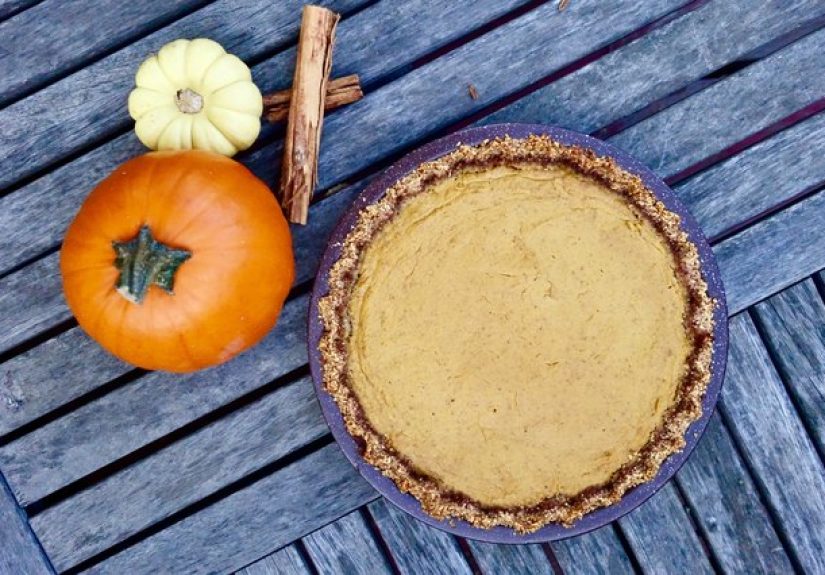
This easy gluten-free, low-carb pumpkin pie is built for people who want the classic holiday flavor without the traditional carb-heavy crust and sugar-loaded filling. It uses an almond flour crust, unsweetened pumpkin puree, warm spices, eggs, cream, and a keto-friendly sweetener. The result is creamy, sliceable, fragrant, and festive enough for Thanksgiving, Christmas, or a random Tuesday when your oven whispers, “Pumpkin.”
Best of all, this recipe is beginner-friendly. No rolling pin gymnastics. No fragile gluten-free dough that cracks like it just heard bad news. No mysterious baking steps that require a culinary dictionary. This pie is simple, reliable, and rich enough to make everyone at the table ask for seconds before remembering they came here “just to taste.”
Why This Gluten-Free, Low-Carb Pumpkin Pie Works
A traditional pumpkin pie usually has two high-carb zones: the wheat-based crust and the sugar-sweetened filling. This version solves both problems without making the pie taste like a compromise in dessert clothing.
The crust uses almond flour, which naturally contains no gluten and is commonly used in keto and grain-free baking. Almond flour also brings a mild buttery flavor that pairs beautifully with pumpkin spice. Instead of trying to imitate flaky wheat pastry exactly, this crust leans into its strengths: tender, nutty, crisp around the edges, and sturdy enough to hold creamy filling.
The filling gets its structure from eggs and cream, while pumpkin puree provides body, color, and that unmistakable fall flavor. A powdered monk fruit-allulose blend, erythritol blend, or another cup-for-cup low-carb sweetener can replace sugar. Powdered sweeteners are especially useful because they dissolve smoothly, helping the custard stay silky rather than gritty.
The biggest secret is temperature control. Pumpkin pie is a custard, and custard likes gentle treatment. Overbake it, and it may crack, weep, or become grainy. Bake it until the edges are set but the center still jiggles slightly, and it will finish setting as it cools. Think of it as pie meditation: calm heat, patience, and no panic-stabbing with a knife every two minutes.
Ingredients You Will Need
For the Almond Flour Crust
- 1 1/2 cups blanched almond flour
- 3 tablespoons melted unsalted butter or coconut oil
- 1 tablespoon powdered low-carb sweetener
- 1/4 teaspoon fine sea salt
- 1/2 teaspoon vanilla extract
- Optional: 1/4 teaspoon cinnamon for extra warmth
For the Pumpkin Filling
- 1 cup unsweetened pumpkin puree, not pumpkin pie filling
- 2 large eggs, room temperature
- 3/4 cup heavy cream or full-fat coconut milk
- 1/2 cup powdered monk fruit-allulose blend or preferred low-carb sweetener
- 1 teaspoon vanilla extract
- 1 1/2 teaspoons ground cinnamon
- 1/2 teaspoon ground ginger
- 1/4 teaspoon ground nutmeg
- 1/8 teaspoon ground cloves
- 1/4 teaspoon fine sea salt
Using pure pumpkin puree matters. Pumpkin pie filling already contains sugar and spices, which can throw off the low-carb goal and make the filling too sweet. Look for cans labeled “100% pumpkin” or “pure pumpkin.” If you use homemade pumpkin puree, make sure it is thick and not watery. Watery puree can make the pie soft and reluctant to slice, like it is emotionally unprepared for serving.
Step-by-Step Instructions
Step 1: Prepare the Pie Pan
Preheat your oven to 350°F. Lightly grease a 9-inch pie pan with butter, coconut oil, or nonstick spray. A glass or ceramic pie dish works well because it distributes heat gently and lets you monitor browning around the crust.
Step 2: Make the Almond Flour Crust
In a medium bowl, stir together almond flour, powdered sweetener, salt, and cinnamon if using. Add melted butter and vanilla extract. Mix until the texture resembles damp crumbs. The mixture should hold together when pressed between your fingers.
Transfer the crust mixture to the prepared pie pan. Press it evenly across the bottom and up the sides. Use the flat bottom of a measuring cup to smooth the base. Do not worry about making it look like it came from a bakery window. Rustic is charming. Uneven crust edges say, “I made this with love,” not “I lost a duel with almond flour.”
Step 3: Pre-Bake the Crust
Bake the crust for 8 to 10 minutes, or until it looks lightly golden and smells nutty. Almond flour browns faster than wheat flour, so keep an eye on it. If the edges begin to darken too quickly, cover them loosely with strips of foil.
Pre-baking helps set the crust before the wet pumpkin filling goes in. This small step makes a big difference because pumpkin custard is moist, and a raw crust can become soggy. A short pre-bake gives the crust a fighting chance, which is all any pie crust wants in this economy.
Step 4: Whisk the Filling
While the crust cools slightly, make the filling. In a large bowl, whisk the pumpkin puree, eggs, heavy cream, powdered sweetener, vanilla, cinnamon, ginger, nutmeg, cloves, and salt until smooth.
Do not overwhip the mixture. You want everything blended, but you do not need to beat in lots of air. Too much air can encourage puffing and cracking as the pie bakes. Smooth and calm is the goal.
Step 5: Fill and Bake
Pour the filling into the warm pre-baked crust. Smooth the top gently with a spatula. Bake at 350°F for 35 to 45 minutes, depending on your oven and pie dish.
The pie is done when the outer edges look set and the center still has a slight wobble. It should not slosh like liquid, but it should not be completely firm either. If using an instant-read thermometer, the center should be around 175°F to 180°F. Remove the pie before it looks fully solid because residual heat will continue cooking the custard as it cools.
Step 6: Cool Completely
Let the pie cool at room temperature for at least 2 hours. Then refrigerate it for 3 to 4 hours, or overnight, before slicing. This chilling time allows the custard to firm up and the flavors to deepen.
Yes, waiting is hard. Yes, the pie smells unfairly good. But cutting into warm pumpkin pie too soon often leads to soft, messy slices. Delicious? Absolutely. Photogenic? About as stable as a toddler carrying soup.
Tips for the Best Gluten-Free Pumpkin Pie
Use Powdered Sweetener
Granular low-carb sweeteners can sometimes leave a slightly crunchy texture in custard. Powdered sweetener dissolves more easily and creates a smoother filling. If you only have granular sweetener, you can pulse it in a blender or food processor until finer.
Do Not Skip the Salt
Salt does not make the pie salty. It makes the pumpkin taste more pumpkin-like and keeps the spices from tasting flat. A tiny amount of salt is like the stage manager of dessert: invisible, but everyone performs better because of it.
Protect the Crust Edges
Almond flour crust can brown quickly. If the edges look dark before the filling is done, cover them with foil or a pie shield. This keeps the crust golden instead of aggressively toasted.
Let the Pie Chill Before Serving
Low-carb pumpkin pie usually tastes better after several hours in the refrigerator. The spices settle, the custard firms, and the slices come out cleaner. For holiday meals, making the pie one day ahead is not only allowed; it is recommended.
Easy Variations
Dairy-Free Gluten-Free Pumpkin Pie
Replace heavy cream with full-fat canned coconut milk. Use coconut oil in the crust instead of butter. The coconut flavor is mild and works well with cinnamon, ginger, and nutmeg.
Crustless Low-Carb Pumpkin Pie
Skip the crust entirely and pour the filling into a greased pie dish or ramekins. Bake until the center jiggles slightly. This version is even lower in carbs and perfect for anyone who mostly sees crust as a delivery vehicle for filling.
Pecan Almond Crust
Replace 1/2 cup of almond flour with finely ground pecans. This adds a deeper toasted flavor and makes the pie feel extra festive. Just make sure the pecans are finely ground, not chunky, or the crust may crumble.
Extra-Spiced Pumpkin Pie
Add a pinch of black pepper or cardamom to the filling. Black pepper may sound surprising, but it can gently sharpen the spice blend and make the pie taste more complex.
Serving Suggestions
Serve this gluten-free, low-carb pumpkin pie cold or slightly chilled. Add a spoonful of unsweetened whipped cream, keto whipped topping, or coconut whipped cream. A dusting of cinnamon or grated nutmeg makes it look fancy with almost no effort, which is exactly the kind of kitchen magic we support.
If you are serving guests, slice the pie with a sharp knife and wipe the blade between cuts. This gives cleaner slices and makes the pie look bakery-worthy. For a cozy dessert plate, add a few toasted pecans on the side or a drizzle of sugar-free caramel sauce.
Storage and Make-Ahead Tips
Store leftover pumpkin pie covered in the refrigerator for up to 4 days. Because pumpkin pie contains eggs and dairy, refrigeration is important. You can also freeze the pie, although the texture may become slightly softer after thawing. To freeze, wrap individual slices tightly and place them in an airtight container. Thaw overnight in the refrigerator.
For the best make-ahead plan, bake the pie the day before serving. Let it cool completely, refrigerate overnight, and garnish just before serving. This approach saves oven space and gives the custard time to settle into a creamy, sliceable texture.
Common Mistakes to Avoid
Using Pumpkin Pie Filling Instead of Pumpkin Puree
Pumpkin pie filling contains added sugar and spices. It is convenient for traditional recipes, but not ideal for a low-carb pumpkin pie. Pure pumpkin gives you control over sweetness and flavor.
Overbaking the Custard
If the pie cracks deeply or the filling looks dry, it likely baked too long. Pull it from the oven while the center still has a gentle jiggle. A small crack is not a tragedy, though. That is what whipped cream is for: dessert camouflage.
Skipping the Cooling Time
Pumpkin pie needs time to set. Cutting too early can make even a perfectly baked pie look underdone. Cool first, chill second, slice third. Eat fourth. Celebrate fifth.
Using Coarse Almond Meal
Blanched almond flour creates a finer, more tender crust than coarse almond meal. Almond meal can work, but the texture will be more rustic and crumbly.
Approximate Nutrition Notes
The exact nutrition depends on your brands and serving size, but this pie is designed to be much lower in net carbs than traditional pumpkin pie. Almond flour replaces wheat flour, and low-carb sweetener replaces sugar. Pumpkin itself contains carbohydrates, but it also provides fiber, color, and natural flavor, so it can fit into many low-carb eating plans when portions are reasonable.
For a standard 9-inch pie cut into 10 slices, each slice will typically be moderate in calories, low in added sugar, and significantly lower in carbs than classic pie. If you need precise nutrition for medical or dietary reasons, calculate the recipe using your exact ingredients and serving size.
My Real-Life Experience Making This Pie Easier
The first time I made a gluten-free, low-carb pumpkin pie, I treated it like regular pumpkin pie wearing a different hat. That was optimistic. Almond flour crust has its own personality. It is not difficult, but it does not behave exactly like wheat pastry. It does not stretch, it does not roll dramatically, and it does not appreciate being handled like pizza dough. The moment I stopped trying to roll it and started pressing it into the pan, life improved immediately.
One of the best lessons I learned is that simple is better. A press-in almond flour crust can look beautiful if you take two extra minutes to even it out with a measuring cup. It also tastes rich and toasty without requiring complicated chilling and rolling. For busy holiday cooking, that matters. When the turkey is demanding attention, the green beans are steaming, and someone has opened the refrigerator for the seventeenth time “just checking,” a no-roll crust feels like a gift.
I also learned not to chase extreme sweetness. Traditional pumpkin pie is often very sweet, but low-carb sweeteners can taste stronger than sugar if overused. Starting with a moderate amount gives the pumpkin and spices room to shine. The pie should taste like pumpkin custard, not like cinnamon candy wearing an orange sweater. If your household prefers sweeter desserts, you can increase the sweetener slightly, but taste the filling before baking and adjust gently.
Another helpful habit is baking the pie earlier than you think you need it. Pumpkin pie is one of those desserts that actually improves after chilling. When I make it the night before, the texture is smoother, the slices are cleaner, and the flavor tastes more balanced. It also removes one dessert from the day-of cooking chaos. Nothing says “holiday peace” like opening the fridge and seeing dessert already finished, calmly sitting there like it has excellent time-management skills.
The biggest confidence booster is learning the jiggle test. At first, it feels wrong to remove a pie when the center still moves. But that gentle wobble is exactly what keeps the custard creamy. If you wait until the whole pie is firm in the oven, it may be overbaked by the time it cools. The edges should look set, the center should wiggle slightly, and your instincts may say, “Are we sure?” Yes, we are sure. Trust the custard.
Finally, toppings can save the day. Even if the pie cracks, browns unevenly, or has a crust edge that looks “artistically rugged,” whipped cream makes everything look intentional. A dusting of cinnamon, a few toasted pecans, or a small dollop of sugar-free whipped cream can turn homemade imperfections into charm. That is the beauty of pumpkin pie: it does not need to be perfect to be wonderful. It just needs to be creamy, warmly spiced, and served with confidence.
Conclusion
Making easy gluten-free, low-carb pumpkin pie is less about complicated baking tricks and more about smart swaps. Almond flour creates a naturally gluten-free crust with a rich, nutty flavor. Pure pumpkin puree keeps the filling classic, while low-carb sweetener reduces sugar without removing comfort. Gentle baking protects the custard, and proper chilling gives you clean, beautiful slices.
This pie is cozy enough for Thanksgiving, simple enough for beginners, and flexible enough for dairy-free or crustless variations. It proves that gluten-free and low-carb desserts do not have to taste like “almost dessert.” They can taste like the real thing: creamy, spiced, nostalgic, and absolutely worthy of a second slice.
SEO Tags
Note: This article is written as original, publication-ready HTML content based on widely accepted U.S. gluten-free labeling guidance, pumpkin nutrition information, and tested baking practices for almond flour crusts and pumpkin custard pies.