Table of Contents >> Show >> Hide
- Quick Navigation
- What Is Beef Tallow?
- Beef Tallow Nutrition: What’s In It?
- Potential Benefits of Beef Tallow
- Side Effects & Risks: The Stuff You Shouldn’t Ignore
- How to Use Beef Tallow in the Kitchen (Practical + Specific)
- How to Choose and Store Beef Tallow
- Beef Tallow for Skin: Moisturizer Miracle or Pore Party?
- FAQ: Common Beef Tallow Questions
- Experiences: What It’s Like to Actually Use Beef Tallow (Extra ~)
- Conclusion
Beef tallow is having a comeback moment. One day it’s your great-grandma’s frying fat, the next it’s trending like a skincare serum with a side of French fries.
So… is beef tallow a wholesome “ancestral” hero, or just saturated fat wearing a vintage outfit?
Let’s break it down in plain Englishwith real nutrition numbers, practical cooking tips, and the not-so-fun stuff (side effects) you should know before you start buttering your life with cow fat.
Quick Navigation
What Is Beef Tallow?
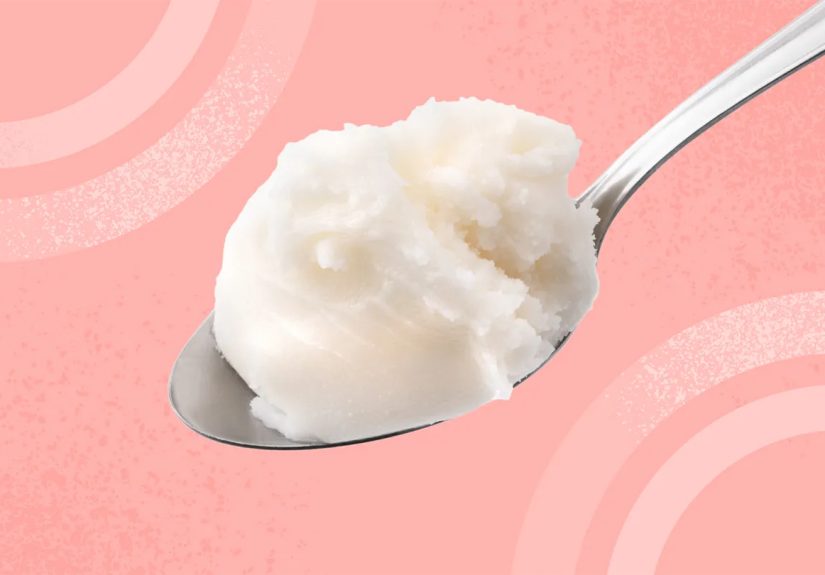
Beef tallow is fat from cattle that’s been renderedmeaning it’s gently heated until the pure fat separates from any water, proteins, and connective tissue.
Once strained and cooled, it turns into a creamy, solid cooking fat (usually off-white to pale yellow).
Tallow vs. Suet vs. Lard (Quick Translation)
- Suet: the raw, firm fat found around a cow’s kidneys/loin area (often prized because it renders clean and mild).
- Tallow: what you get after rendering beef fat (including suet).
- Lard: rendered pork fat (not the same flavor, not the same fatty acid profile).
Historically, tallow wasn’t just foodit was a multi-tool. People used it for frying, baking, soap-making, candles, and even waterproofing.
Today it’s mostly a kitchen ingredient (and sometimes a DIY skincare experiment that smells suspiciously like a steakhouse candle).
Beef Tallow Nutrition: What’s In It?
Let’s be honest: beef tallow is not a “multivitamin.” It’s a calorie-dense cooking fat.
That doesn’t automatically make it “bad,” but it does mean portion size mattersbecause fat packs 9 calories per gram.
Nutrition Facts (Typical)
Per 1 tablespoon (about 13g):
- Calories: ~115
- Total fat: ~12.8g
- Saturated fat: ~6.4g
- Cholesterol: ~14mg
- Carbs & protein: 0g
Per 100g (for comparison nerds):
- Calories: ~902
- Saturated fat: ~49.8g
- Monounsaturated fat: ~41.8g
- Polyunsaturated fat: ~4g
- Cholesterol: ~109mg
What kinds of fats are we talking about?
Beef tallow is largely a mix of saturated fats and monounsaturated fats.
It also contains smaller amounts of polyunsaturated fats. In plain terms:
it’s more “solid and stable” than many liquid oils, but it’s also higher in saturated fat than oils like olive or canola.
You may see small amounts of fat-soluble nutrients (like vitamin D or vitamin E) and compounds like choline in nutrition databases,
but in real-world serving sizes, tallow’s main “nutrient” is still… fat.
Potential Benefits of Beef Tallow
1) High-heat cooking performance (aka: crispy stuff happens)
Tallow is famous for frying and searing because it can handle high temperatures and delivers a rich savory flavor.
Some sources cite a smoke point around 480°F for beef tallow, though exact numbers vary by how purified it is and how much moisture remains.
Translation: it’s generally a solid choice for frying potatoes, browning meats, and roasting veggies.
2) Flavor: deep, savory, and “restaurant-y”
If butter is cozy and olive oil is fresh, beef tallow is bold.
A spoonful in a cast-iron pan can make vegetables taste like they got invited backstage at a steakhouse.
It’s especially popular for fries, hash browns, and seared proteins where you want a hearty flavor boost.
3) Simple ingredient, less processing (depending on the product)
Some people like tallow because it can be a one-ingredient fat without additives.
That said, “natural” isn’t a health guaranteearsenic is natural too, and it absolutely does not belong in your salad dressing.
But if you’re trying to limit ultra-processed foods, a straightforward cooking fat can fit that goal.
4) Nose-to-tail cooking and less waste
From a sustainability angle, tallow can be part of using more of the animal.
If you’re already buying beef, using rendered fat can reduce waste and stretch your cooking budgetespecially if you render it yourself from trimmings.
Side Effects & Risks: The Stuff You Shouldn’t Ignore
1) It’s high in saturated fat (and that matters for heart health)
The big concern is saturated fat. Major health organizations and U.S. dietary guidance generally recommend limiting saturated fat because it can raise LDL (“bad”) cholesterol in many people.
If you already have high LDL, heart disease risk factors, or a strong family history, this is not the time to treat tallow like a beverage.
- The Dietary Guidelines for Americans recommend keeping saturated fat to less than 10% of daily calories (for ages 2+).
- The American Heart Association recommends aiming for less than 6% of calories from saturated fat for better heart health.
2) It’s calorie-dense (easy to overdo without noticing)
Tallow is pure fat. Delicious, yesbut also a fast lane to “how did I eat 400 extra calories?” if you free-pour it.
Using it as a cooking tool (a thin layer in a pan) is very different from using it as a major daily fat source.
3) It’s not a magic “inflammation cure”
You’ll see claims online that beef tallow is anti-inflammatory and “better than seed oils.”
The evidence is not that clean. Some components in animal fats (and grass-fed variations) are often discussed in nutrition circles,
but broad public-health guidance still favors replacing saturated fat with unsaturated fats for cardiovascular benefit.
4) For some people, it can worsen cholesterol numbers
Individual response matters. Some people see noticeable LDL changes when saturated fat rises.
If you’re managing cholesterol or have familial hypercholesterolemia, you’re not “weak”you’re just running a different biological software update.
It’s worth checking labs if you’re making major dietary shifts.
Note: This is general info, not personal medical advice. If you’re making changes for a health condition, talk with a clinician or a registered dietitian.
How to Use Beef Tallow in the Kitchen (Practical + Specific)
Best uses (where tallow earns its keep)
- French fries & potatoes: Crisp edges, rich flavor. Great for home fryers or oven-roasted wedges.
- Searing steaks or burgers: Helps with browning and adds a savory note.
- Roasting vegetables: Brussels sprouts, carrots, potatoes, squashtallow brings the “wow.”
- Cast-iron cooking: A small amount can behave like a flavorful, high-heat pan fat.
- Baking (selectively): In pie crusts or savory biscuits, tallow can replace shortening for flakiness (expect a subtle meaty undertone in delicate desserts).
How much should you use?
A helpful rule: use it like a tool, not a lifestyle.
Start with 1–2 teaspoons in a pan rather than large spoonfuls “for health.”
If you love the results, keep it in the rotationjust not as your only fat.
Does it replace seed oils?
It can replace them in certain recipes, sure. But “replace everything with tallow” is where the nutrition math can get unfriendly.
If you want to reduce ultra-processed foods, a balanced approach is:
keep tallow for occasional high-heat flavor moments, and rely on unsaturated oils (like olive or canola) more often for everyday cooking.
How to Choose and Store Beef Tallow
What to look for when buying
- Ingredient list: ideally “beef tallow” and nothing else.
- Smell: mild is better. A strong “old meat” aroma can signal oxidation or poor rendering/storage.
- Texture: smooth and solid at room temperature (it will soften when warm).
- Rendering quality: tallow made from suet is often cleaner-tasting than tallow made from mixed trimmings.
Storage tips
- Airtight container: oxygen is the enemy of freshness.
- Cool, dark place: pantry is fine for many products; refrigeration extends life.
- Freeze for long storage: great if you render a big batch.
- Watch for rancidity: if it smells sharp, stale, or “paint-like,” toss it.
Many reputable health outlets describe tallow as relatively shelf-stable when stored properly.
Home-rendered batches can vary more (because moisture or tiny protein bits can shorten shelf life), so tighter storage matters.
Beef Tallow for Skin: Moisturizer Miracle or Pore Party?
Beef tallow skincare is popular on social media, usually framed as a “natural alternative” to modern moisturizers.
Here’s the balanced reality:
Why people like it
- Occlusive feel: it can help reduce water loss by forming a barrier, which may feel soothing on very dry areas.
- Simple formula: fewer ingredients can be appealing to sensitive-skin folks (unless you react to the fat itself).
Why dermatologists often don’t
- Comedogenic potential: tallow can clog pores for some people, especially if you’re acne-prone.
- Quality control: many tallow balms are homemade or lightly regulated; contamination and oxidation are real risks.
- It’s not an acne treatment: it may soothe after irritation, but it’s not a proven acne-fighter.
If you’re tempted: patch test first, avoid the face if you’re acne-prone, and don’t use it on broken or infected skin without medical guidance.
And yesyour pillowcase may file a formal complaint.
FAQ: Common Beef Tallow Questions
Is beef tallow “healthier than seed oils”?
“Healthier” depends on what you mean. For heart health, many experts and major institutions still support replacing saturated fats with unsaturated fats.
Seed oils and other vegetable oils are typically higher in unsaturated fats, and the “seed oils are uniquely toxic” narrative is not supported by strong evidence in mainstream nutrition science.
That doesn’t mean you can’t cook with tallowjust don’t assume it’s automatically the superior health choice.
Is beef tallow the same as butter or ghee?
Not quite. Butter and ghee come from dairy; tallow is beef fat.
Saturated fat content can be comparable (and in some comparisons, tallow is in the same ballpark as butter).
Flavor is also different: butter is creamy; tallow is savory.
Why do fries taste so good in tallow?
Flavor and physics. High heat drives off water quickly, helping crisp the exterior while the fat carries rich flavor.
There’s also a nostalgia factor: historically, some fast-food chains used beef tallow for frying before moving to vegetable oils.
(Food trends are basically a boomerangeventually everything comes back, sometimes with a hashtag.)
Can I render my own beef tallow?
Yes, and it can be very cost-effective. The basic process is low, slow heating of chopped beef fat until the fat liquefies,
then straining and cooling. The cleaner you strain (and the lower the heat), the milder the final product tends to taste.
Keep it dry and strain well for better shelf life.
Experiences: What It’s Like to Actually Use Beef Tallow (Extra ~)
If you’ve never cooked with beef tallow before, the first experience is usually a mix of
“wow, that smells amazing” and “wait… why does my kitchen smell like a fancy burger place?”
That’s the signature: tallow doesn’t just sit quietly in the pan the way a neutral oil might. It announces itself.
Many home cooks start with fries or roasted potatoes because the payoff is immediate.
You toss cut potatoes with a small spoonful of softened tallow (or melt it first), add salt, and roast or fry.
The typical “aha” moment is the exterior: tallow tends to promote a deep golden crust, and the flavor can feel more savory than butter,
almost like the potatoes were seasoned from the inside out.
The other common surprise is how little you actually needtoo much can feel heavy fast.
People who love it usually shift from “big spoonfuls” to “thin coating,” treating it like a finishing tool rather than a main ingredient.
The second experience many people have is learning that tallow has personalities.
A mild, well-rendered jar can taste clean and almost neutral, while a lower-quality or overheated batch can be louder and “beefier.”
If you render your own, you’ll likely notice this right away: go low and slow, and it stays mild; rush it, and the aroma gets stronger.
Rendering can also be a sensory eventthere’s the gentle bubbling, the crackling bits (often called “cracklings”),
and the moment you strain it and realize you’ve basically made a shelf-stable cooking fat from scraps.
It’s deeply satisfying… and also a reminder to ventilate your kitchen unless you want your curtains to smell like Sunday roast.
People who use tallow for everyday cooking often report it works best in savory contexts:
eggs, sautéed greens, stir-fried vegetables, browned mushrooms, and skillet meals.
In baking, the experience is more mixed. Tallow can produce a flaky pie crust, but the flavor may read “savory”
if your tallow is strongly scentedgreat for meat pies, less magical for apple pie unless you’re feeling adventurous.
On the skincare side, experiences tend to split into two camps.
Some people with very dry patches (hands, elbows, winter-chapped areas) like the heavy, occlusive feel.
Othersespecially those with oily or acne-prone skinreport breakouts or a greasy film that never quite “sets.”
The most consistent practical takeaway is this: if you try it, patch test and keep it off areas where clogged pores are likely.
Even fans of tallow balm often admit it’s not a sleek, modern “wear under makeup” moisturizerit’s more like a protective coating.
The most realistic long-term experience is that tallow becomes a rotation fat.
People who stick with it typically use it for certain jobs (fries, searing, roasting) while still leaning on unsaturated oils
for day-to-day cookingbecause flavor, convenience, and health goals all matter.
In other words, tallow works best when it’s treated as a specialty player, not the entire team.
Conclusion
Beef tallow is a legit, old-school cooking fat with modern popularity.
It can deliver great flavor and high-heat performanceespecially for frying, roasting, and searing.
But nutritionally, it’s still a saturated-fat-heavy, calorie-dense ingredient, and major dietary guidance generally recommends limiting saturated fat
and prioritizing unsaturated fats for heart health.
The sweet spot for most people: use beef tallow intentionally.
Keep portions reasonable, enjoy it for the culinary boost, and balance it with oils and foods that support your long-term health goals.
Your fries can be amazing without turning your whole diet into a candle-making workshop.