Table of Contents >> Show >> Hide
- Imitation Crab 101: What It Is (and What It Isn’t)
- How Imitation Crab Is Made: From White Fish to Crab Stick
- What’s Actually in Imitation Crab? A Label Tour (with Real Examples)
- Imitation Crab Nutrition: How It Compares to Real Crab
- Is Imitation Crab “Healthy”? It Depends on Your Goal
- Who Should Be Cautious (or Skip It)
- Food Safety: Is It Safe to Eat Straight from the Package?
- How to Choose a “Better” Imitation Crab
- How to Eat Imitation Crab So It’s Actually Good
- So… Should You Eat Imitation Crab?
- Real-World Experiences with Imitation Crab (About )
Imitation crab has a special talent: it shows up to the party wearing a crab costume, brings a decent
snack, and somehow still gets invited back. You’ve probably met it in a California roll, a scoop of
seafood salad at the deli counter, or those red-and-white “crab sticks” that taste like the ocean’s
idea of a mild joke.
But what is imitation crab, really? Is it sketchy “fake food,” a clever way to eat more fish,
or just a salty convenience you should keep in the “sometimes” lane? Let’s pop the lid on the tub,
look at what’s inside, and figure out whether it deserves a spot in your fridge.
Imitation Crab 101: What It Is (and What It Isn’t)
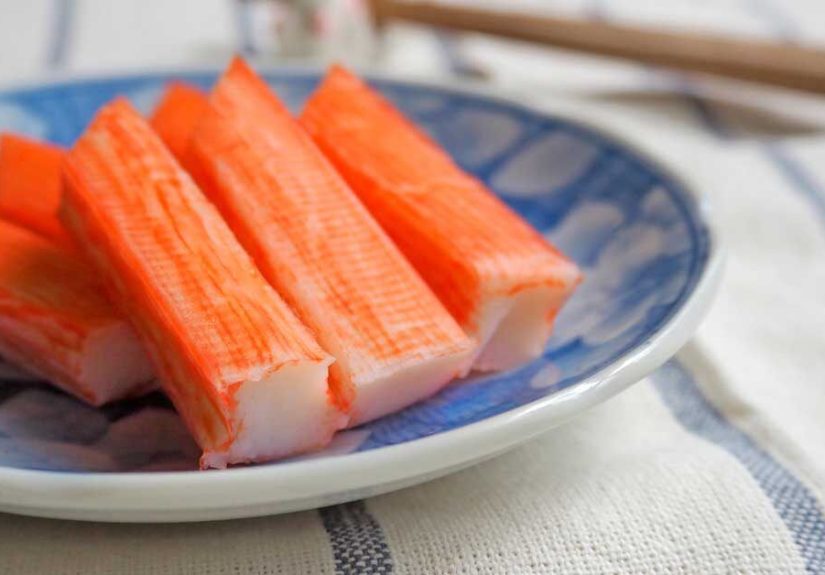
Imitation crab (often labeled as “imitation crabmeat,” “crab flavored seafood,” “surimi seafood,” or
the famously subtle “krab”) is a processed seafood product made to mimic the taste and texture of
crab. Here’s the key point: it’s usually made from real fishjust not crab.
The base ingredient is typically surimi, a paste made from mild white fish that’s been
minced, washed, and mixed with other ingredients to create that springy, shred-friendly bite. After
that, manufacturers add flavorings and binders, then shape and color it to look crab-adjacent.
Think of it as the “hot dog” of the seafood aisle: not automatically evil, not exactly a whole-food
poster child, and very dependent on ingredients, portion size, and how often it’s starring in your
meals.
How Imitation Crab Is Made: From White Fish to Crab Stick
Step 1: The fish gets turned into surimi
Surimi starts with lean white fish (commonly Alaska pollock, cod, or Pacific whiting). The fish is
deboned and minced, then washed to remove fat and other components that can affect flavor and
texture. The goal is a clean-tasting, protein-rich base that gels nicely when heated.
Step 2: “Cryoprotectants” keep it freezer-friendly
If you’ve ever wondered why some imitation crab has a touch of sweetness, here’s a big reason:
surimi is often mixed with ingredients like sugar or sorbitol to help
protect the proteins during freezing and storage. In other words, it’s not just there to make your
sushi taste like dessertit’s partly functional.
Step 3: Binders, flavorings, and shaping
To become “crab,” the surimi is blended with ingredients that help it hold together and taste more like
shellfish. Common add-ins include starches (corn, wheat, pea, potato), egg white, salt, water, and
seafood flavorings. Then the mixture is heat-processed and shaped into sticks, flakes, shreds, or chunks.
Finally, the outside is tinted orange-red to give it that “I totally swam here” look.
What’s Actually in Imitation Crab? A Label Tour (with Real Examples)
Ingredient lists vary a lot by brand. Some are relatively short; others read like they were assembled
during a corporate retreat titled “Synergy: Now With Phosphates.” The only way to know is to check
the package you’re holding.
A simpler ingredient list can look like this
For example, one retailer lists surimi imitation crab with ingredients like pollock, water, pea starch,
sugar, salt, natural flavor, and a color source. That’s still processed, but it’s fairly straightforward.
A more complex list can include common allergens and additives
Other products may include wheat starch or flour, egg whites, and sometimes soy-based ingredients,
plus additives used to stabilize texture and moisture (such as phosphate compounds). These aren’t
automatically “bad,” but they matter if you have allergies, gluten sensitivity, kidney disease, or you’re
watching sodium.
Why the sweetness?
A small amount of sugar (or sugar alcohols like sorbitol) can help with texture and freezing stability.
That said, it also means imitation crab can contribute a surprising amount of carbohydrates compared
to real crab, which is naturally very low in carbs.
What about MSG?
Some brands use monosodium glutamate (MSG) or glutamate-containing flavor enhancers to boost savory flavor.
MSG is considered safe for most people, but a minority report sensitivity. If you know you’re one of them,
choose a brand without itor just save yourself the suspense and check the label first.
Imitation Crab Nutrition: How It Compares to Real Crab
Nutritionally, imitation crab sits in a “middle ground.” It’s often lower in calories and fat, but it can also
be lower in protein and key micronutrients than real crab. The biggest nutritional wildcard is usually
sodium.
Typical nutrition profile
A common serving size (around 3 ounces / 85 grams) of imitation crab is roughly in the ballpark of:
- Calories: about 80
- Protein: around 6–7 grams
- Carbohydrates: around 12–13 grams (often including a few grams of sugar)
- Sodium: often hundreds of milligrams per serving
Compare that to real crab meat, which is typically higher in protein and naturally
low in carbs. Real crab also tends to offer more of certain nutrients people care about (like vitamin B12
and minerals such as zinc and selenium), although sodium can be high in crab tooespecially in some
packaged or seasoned forms.
The sodium issue: the real “should you?” factor
If you only remember one thing, make it this: imitation crab is often salty. Depending on the brand and
portion, one serving can take a noticeable bite out of common daily sodium targets. If you’re managing
high blood pressure, heart disease risk, or fluid balance issues, it’s worth choosing lower-sodium options
and treating imitation crab like a condiment-sized ingredient rather than a main protein.
Mercury: usually not the big concern here
Because surimi is commonly made from low-mercury fish like Alaska pollock, mercury is typically less
concerning than it would be with certain large predatory fish. That’s good news for people who eat
seafood regularly, including those who are pregnant or breastfeeding and are following low-mercury
seafood guidance.
Is Imitation Crab “Healthy”? It Depends on Your Goal
Reasons imitation crab can fit just fine
- Budget-friendly seafood: It’s usually cheaper than real crab and often cheaper than many other seafood options.
- Convenient: It’s typically fully cooked and ready to use in cold dishes (and many warm ones).
- Lower in fat: Many versions are fairly lean, especially compared to fried or creamy seafood dishes.
- Easy for picky eaters: Mild flavor and soft texture can make it a gateway seafood.
Reasons to keep it in the “sometimes” category
- Lower protein density: If you’re trying to hit a protein target, real crabor other minimally processed seafoodusually does it more efficiently.
- More refined carbs: Starches and sugars are common, which may not align with low-carb or whole-food eating styles.
- High sodium: Many products are salty enough to matter nutritionally.
- Additives and allergens: Not a dealbreaker for everyone, but important for some people.
Who Should Be Cautious (or Skip It)
1) People with fish or shellfish allergies
Imitation crab is usually made from finned fish (like pollock). Some products also contain
crab extract or other shellfish flavoring. Even if a product doesn’t contain crab meat, it can still be a
problem for someone with fish allergy, and it can be a problem for some people with shellfish allergy
depending on flavorings and cross-contact. Bottom line: if you have a seafood allergy, label reading isn’t
optionalit’s the whole job.
2) People with celiac disease or gluten sensitivity
Some imitation crab uses wheat starch or wheat-derived ingredients. Many brands do not.
The only safe assumption is: it depends on the product. Look for a gluten-free label and/or
scan the ingredient list.
3) People managing blood pressure or sodium-sensitive conditions
If your clinician has you watching sodium, imitation crab may still be workablejust in smaller portions,
less often, and ideally in a meal where the rest of your ingredients are naturally low in sodium.
4) People with kidney disease (ask your care team)
Some processed foods contain phosphate additives, and phosphorus management can matter in kidney disease.
If you’re on a renal diet or have been told to limit phosphorus, talk to your care team about whether your
favorite brand fits your plan.
Food Safety: Is It Safe to Eat Straight from the Package?
In most cases, yesimitation crab is typically fully cooked as part of manufacturing, which
is why it’s common in ready-to-eat deli salads and sushi rolls. But “cooked” doesn’t mean “immortal.”
Treat it like any refrigerated seafood:
- Keep it cold (don’t let it hang out on the counter like a party dip).
- Follow the use-by date.
- Once opened, use it within a few days unless the package says otherwise.
- If it smells strongly sour, fishy, or “off,” trust your nose and toss it.
How to Choose a “Better” Imitation Crab
Not all imitation crab is created equal. Here’s how to shop like a grown-up (while still enjoying the fun
of crab-shaped snacks).
Look for:
- Fish listed first (e.g., pollock) rather than starches as the main ingredient.
- Lower sodium versions when available (compare brands side by side).
- Shorter ingredient lists if you’re trying to avoid certain additives.
- Allergen clarity if you’re avoiding egg, wheat, soy, sesame, shellfish, or fish.
Be skeptical of:
- Products that market “crab” loudly but bury “imitation” quietly.
- Extremely high sodium per serving (especially if you’re likely to eat more than one serving).
- “Seafood salad” mixes where the bigger issue is often the mayo/sugar/salt combo, not the imitation crab itself.
How to Eat Imitation Crab So It’s Actually Good
Imitation crab shines when you treat it like what it is: a mild, salty, ready-to-use seafood ingredient.
It’s happiest in dishes that don’t demand “fresh crab” flavor to carry the whole meal.
Great uses
- California rolls and sushi bowls: Pair with cucumber, avocado, seaweed, and rice.
- Crab salad (the classic): Mix with Greek yogurt or mayo, lemon, celery, and herbs.
- Seafood tacos: Add cabbage slaw and a squeeze of lime (go light on salty sauces).
- Quick ramen upgrade: Stir in at the very end so it warms without turning rubbery.
- Cold pasta salad: Works best with bright, acidic dressings and crunchy veggies.
Cooking tip: don’t overheat it
Because it’s already cooked, blasting imitation crab over high heat can make it tough or rubbery.
Warm it gently, add it late, or keep it cold where it often tastes best.
So… Should You Eat Imitation Crab?
If you enjoy it, tolerate it, and it fits your health goals, imitation crab can be a perfectly reasonable
convenience food. It’s real seafood, typically made from low-mercury white fish, and it’s easy to use.
The “should you?” part comes down to three practical questions:
- How often are you eating it? Occasionally is different from “daily snack drawer staple.”
- How much are you eating? The sodium adds up fast if your serving becomes “the whole package.”
- What else is in your meal? If it’s paired with salty sauces, deli sides, and processed snacks, the overall pattern matters more than the crab substitute itself.
For many people, the sweet spot is moderation: use imitation crab as an ingredient you enjoy, not your
primary protein source every day. And if you’re choosing it for health reasons, pick the brand with a
simpler ingredient list and the lowest sodium you can findbecause your heart will not write you a thank-you note for “extra salty seafood sticks.”
Real-World Experiences with Imitation Crab (About )
One of the most interesting things about imitation crab is how differently people experience it depending
on where they meet it. In sushi, it often gets a glowing review because it’s playing a specific role: mild,
slightly sweet, and easy to chew. In a California roll, it’s basically the friendly coworker who keeps the
vibe calm while avocado does the emotional labor and seaweed adds drama. Many people who “don’t like fish”
still happily eat imitation crab in sushi because it doesn’t taste aggressively oceanicand because the
texture is consistent from bite to bite.
At home, the first “aha” moment usually happens when someone tries to cook it like raw seafood. Since it’s
typically already cooked, it doesn’t need much heat. Warm it too long in a skillet and it can go from
tender to squeaky, like a stress ball with a seafood résumé. People who love it tend to use it in cold or
gently warmed dishescrab salad, sushi bowls, and quick noodle soups where the heat is turned off before
it goes in.
Another common experience is label surprise. Plenty of shoppers assume imitation crab is “fake crab” in the
sense of being crab-flavored starch. Then they flip the package and realize the first ingredient is often a
real fish (like pollock). That discovery usually sparks one of two reactions: (1) relief“Oh, it’s actually
seafood,” or (2) immediate concern“Wait, I’m allergic to fish,” or “Why does this contain wheat and egg?”
Imitation crab is a reminder that “seafood” doesn’t automatically mean “simple ingredient list,” and it
pushes people into the habit of checking allergens and sodium the way they already do for bread or cereal.
Budget is a huge part of the lived experience, too. Real crab can feel like a special-occasion purchase,
while imitation crab is a Tuesday lunch decision. People often use it as a way to add a “seafood vibe” to a
meal without paying seafood-restaurant prices. It’s also popular for meal prep because it’s quick: shred it,
mix it, done. That convenience can be genuinely helpfulespecially for busy familiesuntil someone realizes
they’ve been eating “seafood salad” all week and wonders why they’re so thirsty. (Hello again, sodium.)
Finally, there’s the taste expectation gap. People who grew up eating real crab often describe imitation
crab as sweeter and less briny, with a uniform texture that doesn’t have the delicate flake of fresh crab.
But people who didn’t grow up with regular crab meals may judge it on its own termseasy, mild, and
consistent. In practice, the happiest imitation crab eaters tend to treat it like its own ingredient, not a
perfect crab clone: pair it with citrus, herbs, crunchy vegetables, and a little heat, and it can be a
genuinely enjoyable part of a balanced meal.