Table of Contents >> Show >> Hide
- What Makes Omnia Industries Different?
- Understanding Omnia Interior Door Handle Functions
- Design, Materials, and Why the Handle Actually Feels Better
- Finish Options: The Style Story Is in the Metal
- How to Choose the Right Omnia Interior Door Handle for Each Room
- What to Check Before You Order
- Installation and Maintenance
- Is an Omnia Industries Interior Door Handle Worth It?
- Real-World Experiences With Omnia Industries Interior Door Handles
The quickest way to make a room feel more expensive is not always a giant sofa, a moody paint color, or a chandelier that looks like it came from a European castle. Sometimes it is the thing you touch ten times a day without thinking about it: the door handle. That is exactly where an Omnia Industries interior door handle enters the conversation. In a market full of builder-grade hardware that feels light, loose, or forgettable, Omnia has built a reputation around interior door hardware that looks more considered, feels more substantial, and plays nicely with both traditional and modern spaces.
If you are shopping for a new interior door handle, renovating an older home, or trying to upgrade the tiny details that quietly shape the whole room, Omnia is a name worth knowing. The brand’s interior hardware lineup spans sleek stainless-steel levers, classic solid-brass designs, privacy sets, passage sets, and dummy trim for doors that do not need a latch. In other words, it is not just “a pretty handle.” It is a full design-and-function system for living spaces that want to feel polished instead of pieced together.
This guide breaks down what makes Omnia different, how to choose the right function and finish, what to check before ordering, and whether the brand is actually worth your money. Spoiler: the answer depends on whether you want your hardware to disappear into the background or make a quiet little statement every time someone opens a door.
What Makes Omnia Industries Different?
Omnia is not trying to win the race to the cheapest shelf price. Its appeal comes from design depth, material quality, and the feeling of using hardware that was chosen on purpose. That matters more than people think. A door handle is one of the most tactile design elements in a house. If it feels flimsy, the room feels cheaper. If it feels smooth, weighty, and precise, the room suddenly gets smarter without saying a word.
One of the biggest reasons designers and detail-focused homeowners look at Omnia is variety. The company offers interior latchsets in different styles and collections, including modern lever shapes, more traditional forms, and stainless-steel options for cleaner, architectural spaces. That range gives homeowners flexibility. You can use one finish and one general visual language throughout the house, then switch functions depending on the room without making the hardware feel mismatched.
Another standout point is material. Much of Omnia’s traditional interior hardware is offered in solid brass door handle formats, while other collections bring stainless steel into the mix. That is an important distinction because better materials often mean a better hand-feel, stronger long-term durability, and a finish presence that looks richer than mass-market hardware. Fancy words aside, it is the difference between “nice door handle” and “why does this one feel so good?”
Understanding Omnia Interior Door Handle Functions
Before you fall in love with a finish or a lever profile, you need to choose the right function. This is the practical part of the shopping process, and yes, it is less glamorous than admiring satin nickel in beautiful lighting. But it keeps you from putting a privacy lock on a pantry and wondering why your snack closet suddenly needs emergency access.
Passage Handles
Passage door hardware is designed for doors that need to open and close but do not need locking. Think hallways, closets with regular latches, laundry rooms, and shared interior spaces. An Omnia passage set is a good fit when you want the look and feel of a full operating handle without a lock mechanism.
Privacy Handles
Privacy door handles are made for bedrooms and bathrooms. These include a simple locking function on the interior side and an emergency release from the outside. If you are choosing an Omnia Industries interior door handle for a primary bathroom or guest room, this is usually the function you want.
Dummy Handles
Dummy door handles are decorative or pull-only pieces. They are ideal for shallow closets, pantry doors, French doors, and other doors that do not need a working latch. Omnia also offers single dummy and pair dummy configurations in parts of its lineup, which is especially helpful when you want visual consistency across a project.
The good news is that Omnia’s catalog structure makes it easier to think in systems rather than one-off pieces. Once you find a style you like, you can often coordinate passage, privacy, and dummy options so every room feels related instead of random.
Design, Materials, and Why the Handle Actually Feels Better
Here is where Omnia starts to separate itself from basic hardware-store impulse buys. The brand leans into well-finished metals, clean machining, and a more architectural approach to proportions. In practical terms, that can mean smoother edges, a more confident grip, and levers that feel intentional rather than puffy, awkward, or overly decorative.
For homeowners who love classic interiors, Omnia’s solid-brass traditional levers are especially appealing. Brass has warmth, visual depth, and that unmistakable “real metal” presence. It works beautifully in older homes, transitional interiors, and spaces where you want hardware to complement millwork, panel doors, or vintage-inspired lighting.
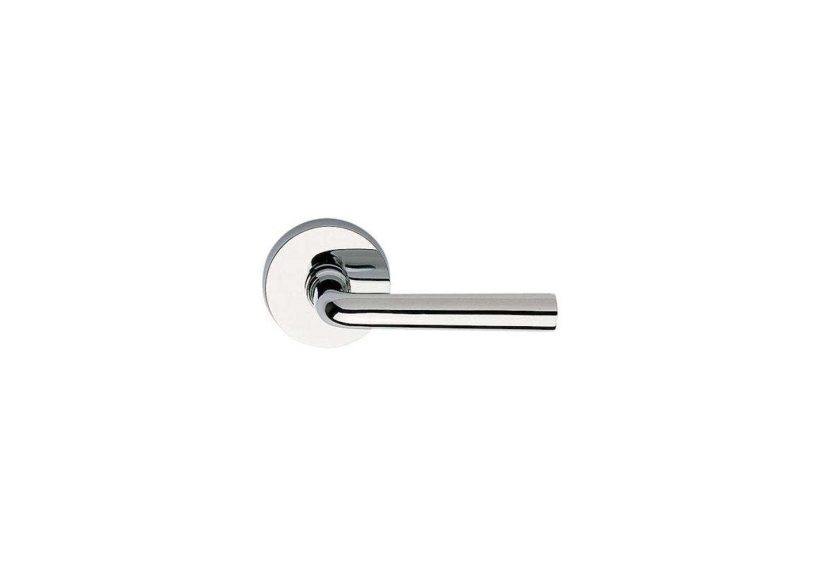
For more modern spaces, Omnia’s stainless-steel latchsets offer a sharper, more minimal look. They tend to pair well with flat-panel doors, clean trim profiles, and contemporary interiors where chrome, nickel, or stainless accents already appear elsewhere. In those rooms, the hardware can read as crisp and tailored rather than ornate.
Many Omnia lever options are also attractive for usability. Lever-style handles are generally easier to operate than knobs and are often favored where accessibility matters. That makes them a practical choice for everyday comfort, not just style points.
Finish Options: The Style Story Is in the Metal
Finish is where a door handle goes from functional hardware to full-blown design decision. Omnia offers a range of finishes across collections, and availability depends on the specific model. In traditional solid-brass lines, you will find finishes such as polished brass, satin brass, oil-rubbed-style darker tones, polished nickel, satin nickel, chrome-like bright finishes, and warmer bronzes. Some offerings also include living or unlacquered-style finishes that will change over time.
This matters because finish is emotional. Warm metals like brass, bronze, and copper-adjacent tones can make a room feel softer, richer, and more layered. Cooler finishes like satin nickel and stainless steel usually feel cleaner, calmer, and more contemporary. That is not design snobbery; it is just how material temperature affects the mood of a room.
If your home has creamy walls, oak floors, and traditional trim, a warmer Omnia finish will usually feel more natural. If your home leans modern with white walls, black-framed glass, or cooler lighting, satin nickel or stainless steel may land better. The trick is not to chase every trend. The trick is to choose a finish that belongs to the house.
One especially interesting Omnia detail is that some unlacquered or aging-prone finishes are expected to change with time. That is not a defect. That is part of the charm. If you love living finishes and patina, that evolution can make the hardware feel more personal and less factory-frozen. If you want your handle to look exactly the same five years from now, you may prefer a more stable plated or lacquered finish.
How to Choose the Right Omnia Interior Door Handle for Each Room
The smartest way to shop Omnia door hardware is by starting with room function, then narrowing by style and finish.
Bedroom and Bathroom
Choose privacy sets. A lever handle often feels more comfortable for regular use, and a coordinated privacy function keeps the room practical without looking clinical.
Hallways and Main Interior Doors
Go with passage sets. These are the workhorses of interior hardware. You want something that feels smooth in daily use because these handles get touched constantly.
Closets, Linen Doors, and Pantries
Dummy trim is usually the answer. It preserves the design language of the house without adding a latch where one is not needed.
Character Homes vs. Modern Homes
Traditional Omnia levers with warmer finishes suit classic and transitional homes. Stainless or simpler modern lever forms work beautifully in updated, minimalist, or urban interiors.
If you are renovating the whole house, try to treat the hardware like a collection, not a scavenger hunt. One family of finishes, one general shape language, and the correct function for each door will make the whole project feel calmer and far more expensive.
What to Check Before You Order
Even gorgeous hardware becomes annoying if it does not fit the door. Before ordering an Omnia Industries interior door handle, measure the essentials: door thickness, bore hole size, and backset. Many Omnia latchsets are designed around common interior door standards, including the familiar 2-1/8-inch bore and 2-3/8-inch or 2-3/4-inch backset options, but exact requirements can vary by collection, rose size, and latch type.
This is also the moment to think about handing, especially on some traditional or specialty lever sets. A few collections may require right-hand or left-hand specification, while others are more forgiving. Read the technical sheet before you click “buy now” with the confidence of someone who definitely has not measured anything. Your future self will appreciate the effort.
If you are replacing old hardware, check the existing bore pattern and whether your current strike and latch setup are standard. Omnia provides installation templates and product data for a reason. They are not there to scare you. They are there to save you from discovering, midway through installation, that your “simple upgrade” has become a Saturday-long negotiation with a chisel.
Installation and Maintenance
Installation is generally straightforward for anyone comfortable with basic door hardware swaps, especially if the door has standard prep. In many cases, the core tools are simple: a screwdriver, a tape measure, and a little patience. That said, premium hardware deserves careful alignment. A crooked rose or badly seated latch can make even a beautiful handle feel sloppy.
Maintenance is refreshingly reasonable. Omnia’s brass care guidance notes that its brass products are hand polished and highly buffed, with a transparent lacquer baked on for extra durability. At the same time, brass-base products naturally age over time. So the goal is not to keep the handle trapped in a museum-grade time capsule. The goal is to keep it clean, dry, and free from harsh chemicals that damage the finish.
If a lever ever loosens, fix it early. Loose hardware can accelerate wear and make the whole set feel less secure. And if a door will not latch correctly, do not blame the handle first. Many “bad hardware” problems are actually door alignment, strike placement, or seasonal movement issues. The handle is often innocent. Dramatic? Maybe. Guilty? Not always.
Is an Omnia Industries Interior Door Handle Worth It?
For the right buyer, yes. Omnia is worth it when you care about material quality, tactile feel, finish depth, and a more tailored look across the house. It is especially appealing for remodels where builder-grade hardware would undermine the rest of the design, and for homeowners who want coordinated interior door hardware that does more than just open and close.
If your only goal is the lowest possible price, Omnia probably is not the hardware brand that will sweep you off your feet. But if you want a handle that feels better in your hand, looks more refined on the door, and offers a wider style vocabulary than generic big-box options, Omnia is a strong choice.
The real value is not just in the brass or the finish. It is in the cumulative effect. A good door handle improves daily use in tiny, repeatable moments. Open the bathroom door. Close the bedroom door. Pull the pantry door. Move through the house. Hardware sits at the exact intersection of function and touch, and Omnia understands that better than a lot of brands.
Real-World Experiences With Omnia Industries Interior Door Handles
Living with an Omnia handle is often less about one dramatic “wow” moment and more about a steady stream of small upgrades that add up over time. On day one, most people notice the weight. The handle does not feel hollow or flimsy, and that changes the entire mood of the door. A bedroom door that used to feel forgettable suddenly has presence. A bathroom door feels more finished. A pantry door with dummy trim stops looking like an afterthought.
In homes with older trim and panel doors, Omnia tends to shine because it does not look like it wandered in from a generic condo package. Traditional brass levers, rectangular roses, and richer finishes can make old millwork feel respected instead of visually interrupted. That is a big deal in houses where the doors already have character. Cheap hardware can flatten that character. Omnia usually supports it.
In more contemporary spaces, the experience shifts from warm and classic to crisp and tailored. A satin or stainless lever on a flat interior door can make the whole opening feel cleaner and more architectural. It is the kind of change guests may not consciously identify, but they notice the room feels more put together. That is the magic of good hardware: it works quietly.
There is also a tactile side to the ownership experience that rarely shows up in product listings. A well-shaped lever is easier to use when your hands are full, when you are carrying laundry, or when you are opening a bathroom door half-awake before coffee has restored your faith in humanity. That comfort matters. It is one of those daily quality-of-life upgrades that seems small until you have it everywhere and do not want to go back.
Finish behavior is another part of the experience. If you choose a more stable plated or lacquered finish, the hardware tends to keep a more consistent look with normal care. If you choose an unlacquered or living finish, you may start noticing little shifts in tone over time. For some homeowners, that is the entire point. The hardware gains personality. It stops looking mass-produced and starts looking lived with. For others, it is a mild heart attack followed by the realization that patina is not damage. It is chemistry having a design moment.
Installation experiences usually depend on preparation. When the door is correctly bored and the right backset is selected, Omnia can feel like a clean upgrade rather than a construction project. When someone orders first and measures later, the experience gets more exciting than necessary. So the best real-world advice is boring but effective: confirm the specs, read the template, and avoid improvising with premium hardware unless you enjoy suspense.
Over the long term, the biggest takeaway is consistency. An Omnia handle tends to make a house feel intentional from room to room. That consistency is often what homeowners love most. It is not just one nice lever on one nice door. It is the sense that the whole interior was thought through. And honestly, that may be the most satisfying part of the experience.