Table of Contents >> Show >> Hide
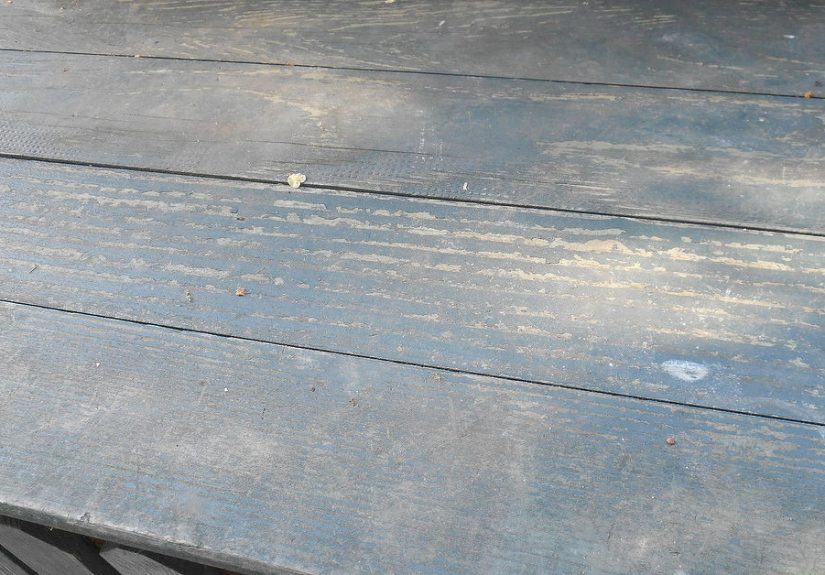
Garden workbenches are the unsung heroes of outdoor spaces. They stand up to the elements, take the brunt of gardening tasks, and often show signs of wear over time. Whether it’s the peeling paint, the cracked wood, or just the general dullness of an old bench, updating your workbench can breathe new life into your garden area. Luckily, repainting and refurbishing your garden workbench is a straightforward DIY project that requires only a few materials, some elbow grease, and a bit of creativity. In this guide, we’ll walk you through the steps to give your old workbench a fresh new look, so it can continue serving you for years to come.
Why Repaint and Update Your Garden Workbench?
Your garden workbench isn’t just a piece of outdoor furniture; it’s a functional tool that helps you with planting, potting, pruning, and all kinds of gardening tasks. Over time, exposure to sun, rain, dirt, and the occasional heavy tool can cause the workbench to lose its luster and functionality. Repainting and updating your bench not only improves its appearance but also protects it from further wear and tear. The fresh coat of paint can give it a modern look, and you’ll enjoy a renewed workspace every time you head out to garden.
Materials You’ll Need
- Outdoor wood primer
- Outdoor paint (latex or oil-based, depending on your preference)
- Paintbrushes and foam rollers
- Sandpaper (medium and fine grit)
- Drop cloth or tarp
- Protective gloves
- Masking tape (if needed)
- Wood filler (for repairing any cracks or holes)
- Wood stain or sealant (optional for additional protection)
Step-by-Step Guide: Repainting and Updating Your Garden Workbench
Step 1: Clean the Workbench
Before starting any painting or sanding, clean your workbench thoroughly. Use a broom to remove loose dirt and debris, and then wipe it down with a damp cloth to remove any grime or sticky residue. Allow the workbench to dry completely before proceeding.
Step 2: Sand the Surface
Once the workbench is clean, it’s time to sand the surface. Sanding helps remove the old paint and smooth out any rough spots. Start with medium-grit sandpaper (around 80-grit) and sand the entire surface. Afterward, use fine-grit sandpaper (around 220-grit) for a smoother finish. Be sure to sand along the grain of the wood to avoid creating scratches. If your workbench has any cracks or holes, fill them with wood filler, smooth it out, and allow it to dry before sanding the repaired areas.
Step 3: Apply the Primer
Applying a primer is crucial to ensure that the new paint adheres well and lasts longer. Use an outdoor wood primer and apply an even coat over the entire surface of the workbench. Allow the primer to dry completely according to the manufacturer’s instructions, usually about 1–2 hours.
Step 4: Repaint the Workbench
Now comes the fun part – painting! Choose a high-quality outdoor paint that is suitable for wood. You can opt for a bold color or a more natural hue, depending on your style. Apply the paint in thin, even coats, using a brush for the edges and a foam roller for the flat surfaces. Let the first coat dry completely, then apply a second coat for full coverage. Depending on the paint and weather conditions, you might need to wait 24 hours for the paint to cure fully.
Step 5: Optional – Add a Protective Sealant
If you want to extend the lifespan of your newly painted workbench, consider applying a protective sealant. Outdoor wood sealants provide an extra layer of protection against rain, UV rays, and other outdoor elements. Apply the sealant with a clean brush, and allow it to dry for a few hours before using the workbench.
Step 6: Reassemble and Enjoy!
After the paint has dried completely, it’s time to bring your workbench back into the garden. If you removed any parts or hardware during the process, now is the time to reassemble them. Set the workbench in your desired location, and admire your handiwork! You’ve now got a fresh, updated space for all your gardening projects.
Tips and Tricks for a Successful Update
- Choose the right paint: For outdoor furniture, always choose a paint designed for exterior use. It will resist fading and peeling from exposure to the elements.
- Work in a well-ventilated area: Painting outdoors is best, but if you have to work inside, make sure there is plenty of airflow. Open windows and doors to allow for proper ventilation.
- Use painter’s tape: If you have intricate details or edges that you don’t want to paint, masking tape can help you get clean lines.
- Plan for dry time: Don’t rush the drying process. Allow the primer and paint to cure completely before using your workbench to avoid smudging or damaging the finish.
- Personalize it: Want to make your workbench truly unique? Consider adding stencils, custom handles, or even hooks for hanging tools. The possibilities are endless!
Experiences: How To Repaint and Update A Garden Workbench DIY
Updating a garden workbench isn’t just a practical project, it can also be a deeply rewarding one. Having gone through the process of repainting my own garden workbench, I can attest to how satisfying it is to see the transformation. I started with a workbench that was faded, chipped, and overall just not very inspiring. The task seemed daunting at first, but as I went through each step, the changes began to take shape, and it became more and more exciting.
The key to success, I found, was taking my time. Rushing through the sanding process might have left rough spots, and not applying a primer would have led to poor paint adhesion. Once I allowed everything to dry fully and cured the paint, the end result was not only a visually appealing workbench but also a durable one that will last through the next seasons of gardening projects. The most rewarding part was seeing how much the freshly painted bench brightened up the garden and made it feel more inviting.
One thing I would highly recommend is choosing a color that complements the rest of your garden’s aesthetic. I opted for a deep green, which blended beautifully with the surrounding plants, while also standing out enough to give the workbench a bold, refreshed look. Also, if you plan to do this project on a sunny day, remember to work in the shade or during cooler hours to avoid the paint drying too quickly and becoming streaky.
Finally, consider the functionality of your workbench as part of the update. I added hooks on the side for easy access to gardening tools and a small shelf underneath for storing soil bags. These additions made my workbench even more practical and enhanced my gardening experience. A simple update like this can make all the difference in turning your garden workspace into a functional and visually pleasing area.
Conclusion
Repainting and updating your garden workbench is a simple, cost-effective way to improve your outdoor space while extending the life of a piece of furniture that’s seen a lot of use. With a little time and effort, you can transform a tired and worn-out workbench into a fresh and inviting hub for all your gardening projects. So grab your paintbrush, roll up your sleeves, and start updating your garden workbench today!