Table of Contents >> Show >> Hide
- What “Neutral” Shoe Polish Actually Does (and Doesn’t)
- Meet Tangent Neutral Shoe Polish: Small Tin, Serious Shine
- Neutral vs. Colored Polish: When Neutral Wins (and When It Can Betray You)
- Shoe Polish vs. Conditioner: Don’t Make Your Leather Choose
- How to Use Tangent Neutral Shoe Polish (Without Getting the White Haze of Regret)
- Common Mistakes (and Quick Fixes)
- Building a Simple Shoe-Care Kit Around Tangent Neutral
- Who Is Tangent Neutral Shoe Polish Best For?
- FAQ: Quick Answers People Actually Need
- Final Thoughts: The “One Tin” Upgrade
- Experience Section (): Life With Tangent Neutral Shoe Polish
Somewhere between “I own one pair of dress shoes” and “I have a dedicated shoe room” lives a very specific
kind of adult: the person who wants their shoes to look sharp… without turning Saturday night into a candlelit
séance with a tin of wax.
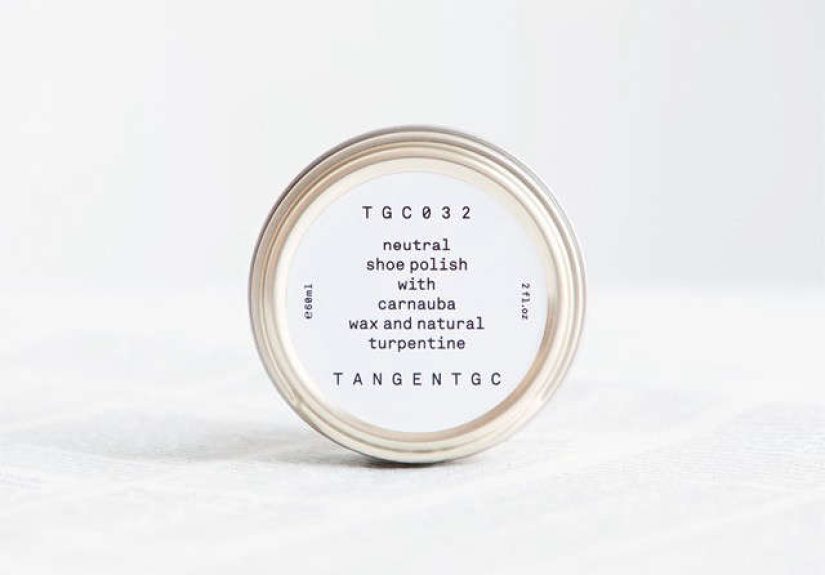
Enter Tangent Neutral Shoe Polish: a small, handsome tin that promises a clean shine, a little
scuff camouflage, and a “put-together” vibe that says, Yes, I know what a lint roller is and I use it.
This guide breaks down what neutral polish actually does, how Tangent’s formula behaves in the real world, and
how to use it without ending up with a chalky toe that looks like it lost a fight with a powdered donut.
What “Neutral” Shoe Polish Actually Does (and Doesn’t)
Neutral shoe polish is basically polish without added color pigment. That’s the whole magic trick. Instead of
repainting leather, it focuses on shine and surface protection, and can help
visually smooth minor scuffs by filling tiny surface texture.
Neutral polish is great for:
- Shining leather without guessing the exact shade (tan? cognac? “walnut but moodier”?)
- Light scuffs and dullness that mostly live on the surface
- Multi-color wardrobes where buying four different polishes feels like a scam invented by Big Shoe
- Minimalists who want one tin that plays nicely with most smooth leathers
Neutral polish is not great for:
- Deep scratches where the leather’s dye is actually gone (you’ll want a pigmented cream or dye for that)
- Color restoration on faded toes and heels (again: pigmented cream polish is your friend)
- Suede/nubuck (wrong tooluse suede brushes/erasers and suede-specific sprays instead)
Think of neutral shoe polish like a clear topcoat. It can make what’s already there look better. It can’t magically
turn a battered toe into “fresh out of the box” if the color is truly missing.
Meet Tangent Neutral Shoe Polish: Small Tin, Serious Shine
Tangent GC’s neutral shoe polish is often described as a polish that highlights the original leather dye
rather than changing it. In plain English: it’s meant to make your shoes look like the manufacturer intended… if the
manufacturer also intended for you to occasionally clean your shoes (a bold assumption, but fair).
What’s in the tin?
Tangent’s neutral shoe polish is commonly listed with a straightforward wax-and-solvent blend:
natural turpentine plus waxes like beeswax and carnauba wax.
That combination matters because turpentine helps the product spread and lift grime, while waxes build shine and a
light protective layer.
What it feels like in use
The best way to describe Tangent Neutral is “controlled polish.” It’s not the drippy chaos of an over-soft formula,
and it’s not a rock-hard wax that makes you question your arm strength. Done right, it applies thin, buffs clean,
and leaves leather looking brighter and more intentionallike your shoes have a skincare routine.
Neutral vs. Colored Polish: When Neutral Wins (and When It Can Betray You)
Neutral polish is popular because it’s convenient. One tin can handle black, brown, tan, oxblood, and that
“espresso but in sunlight it’s kind of burgundy” pair you swear is versatile.
But neutral polish isn’t automatically “safer” in every scenario. Because neutral formulas can rely on solvents to
clean and lay down wax, you should still spot testespecially on delicate finishes, specialty leathers,
or anything with a hand-applied patina you’d cry about if it changed.
A practical rule
If your shoes are smooth leather and already close to the color you want, neutral polish is usually a win.
If your shoes need color backfaded toes, heel burnishing gone rogue, scratches showing lighter underlayersuse a
pigmented cream polish first, then finish with wax (neutral or matching).
Shoe Polish vs. Conditioner: Don’t Make Your Leather Choose
Here’s the trap people fall into: shine addiction. Polish makes shoes look amazing, so people polish constantly…
and forget that leather is skin. It can dry out. It can crack. It needs conditioning sometimesespecially if you
wear the shoes often or live somewhere dry (or you walk on salted sidewalks like it’s a competitive sport).
A good routine usually looks like:
clean → condition (occasionally) → polish.
Polish is not a replacement for conditioner. Think “hair gel vs. shampoo.” One creates the look. The other keeps
things healthy enough to keep having a look.
How to Use Tangent Neutral Shoe Polish (Without Getting the White Haze of Regret)
The secret to great polishing isn’t effortit’s restraint. Thin layers. Proper drying. Real buffing.
Below is an easy, repeatable routine that works for Tangent Neutral Shoe Polish and most neutral wax polishes.
Step 1: Prep like you mean it
- Remove dust with a horsehair brush (dust is basically sandpaper in disguise).
- If the shoes are dirty, wipe with a slightly damp cloth and let them dry fully.
- If you have shoe trees, use themyour shoes will hold shape and buff more evenly.
Step 2: Apply a small amount
Wrap a soft cloth around two fingers (or use a dauber/applicator). Touch the cloth to the polish lightly. You’re
aiming for a thin filmnot a frosting job.
Work in small circles, covering the shoe evenly. Focus on high-wear areas (toe, outside edge, heel counter), but
don’t ignore the rest. Uneven coverage is how you get “shiny toe, sad vamp.”
Step 3: Let it set
Give it time to haze and dryoften around 10–15 minutes, depending on how thin you applied and your
room’s humidity. This step is where shine is born. Rushing it is how you smear polish around and call it “character.”
Step 4: Brush to shine
Buff briskly with a clean horsehair brush. You’ll feel the friction warm the wax slightly, helping it level and gloss.
Keep brushing until the surface looks even and bright.
Step 5 (Optional): Add a little extra gloss on the toe
Want a dressier finish? Add a second ultra-thin layer on the toe and heel, let it dry, and brush again. You can
also finish with a soft cloth for a final “wow, you own a blazer” shine.
Ventilation note: Because Tangent’s formula is commonly listed with natural turpentine, apply it in a
ventilated area. Your shoes should smell refined, not like you’re repainting a porch.
Common Mistakes (and Quick Fixes)
Mistake: Using too much polish
Symptom: cloudy white haze, streaks, or dusty-looking buildupespecially with neutral polish.
Fix: brush harder with a clean brush, then wipe lightly with a soft cloth. Next time, use less. Much less.
Mistake: Polishing over grit
Symptom: micro-scratches and a dull finish.
Fix: brush first, always. Grit under polish is like exfoliating with gravel.
Mistake: Expecting neutral polish to recolor damage
Symptom: scratches still obvious; shoes shiny but “wounded.”
Fix: use a matching cream polish first to restore color, then neutral wax to seal and shine.
Mistake: Using it on suede/nubuck
Symptom: dark spots, stiffness, sadness.
Fix: don’t. Use suede tools and suede-safe products instead.
Building a Simple Shoe-Care Kit Around Tangent Neutral
You don’t need a museum-grade shoe shrine. If you want Tangent Neutral Shoe Polish to do its best work, a small kit
goes a long way.
- Horsehair brush: for dusting and buffing to a shine
- Soft cloths: one for applying, one for final buffing
- Shoe trees: optional, but they improve results and help shoes age better
- Leather conditioner: used occasionally to keep leather from drying out
With those basics, you can keep most smooth-leather shoes looking polished year-roundwithout buying a separate tin
for every color in your closet.
Who Is Tangent Neutral Shoe Polish Best For?
You’ll love it if:
- You own multiple leather shoe colors and want one reliable neutral shoe polish.
- You prefer a natural-looking shine over a thick, makeup-y finish.
- You want an easy routine that feels like “maintenance,” not “craft project.”
You might want something else if:
- Your shoes are heavily faded and truly need pigment back (start with cream polish).
- You mostly wear suede or nubuck (different category of care entirely).
- You’re chasing an extreme mirror gloss daily (you can still get very shiny, but you’ll likely add a hard wax step).
FAQ: Quick Answers People Actually Need
Will Tangent Neutral Shoe Polish change the color of my shoes?
It’s designed to be neutral (no pigment), but any polish can slightly deepen leather temporarilyespecially right
after application. Spot test on a hidden area if you’re worried, and always apply thin layers.
How often should I use neutral shoe polish?
For regularly worn shoes, a light polish every few wears (or when they look dull) is plenty. If you’re conditioning
properly and brushing after wear, you can polish less often and still look sharp.
Can I use it on boots?
Yeson smooth leather boots. Just remember boots often see more dirt and moisture, so cleaning and conditioning
matter even more than shine.
Is neutral shoe polish better than matching color?
Neutral is better for convenience and shine. Matching color is better for restoring color and hiding scratches that
cut through dye. In an ideal world, you use both: cream (matching) for color, wax (neutral or matching) for shine.
Final Thoughts: The “One Tin” Upgrade
Tangent Neutral Shoe Polish is the kind of product that quietly upgrades your whole look. Not because it’s flashy,
but because it helps your shoes show up like they have plans. Used correctly, it delivers a clean shine, a smoother
surface, and that subtle confidence boost you get when your footwear isn’t begging for help.
Keep it simple: brush, apply thin, let it dry, buff. Do that, and your shoes will look better for longerwithout
turning your life into a never-ending cycle of polish, panic, and paper towels.
Experience Section (): Life With Tangent Neutral Shoe Polish
The first time I used Tangent Neutral Shoe Polish, I did what every responsible adult does when they buy a “nice”
thing: I immediately tried it on the pair of shoes I wear the most, because if it can’t handle those, it can’t
handle my life.
The shoes in question were brown leather derbiessolid, dependable, and permanently one bad sidewalk away from looking
“vintage.” They weren’t destroyed, but they had that dry, slightly dull finish that makes leather look tired instead of
lived-in. After a quick brush-off, I applied the polish in a very thin layer and waited. That waiting part felt like
nothing was happening… until I started brushing.
Here’s the oddly satisfying thing about a good neutral polish: it doesn’t scream “I just polished these.” It whispers,
“This person drinks water and owns matching socks.” The shine wasn’t plastic. It was the kind of glow you notice when
light hits the toe at the right angleclean and even. The little scuffs on the toe didn’t disappear completely, but they
softened. They stopped looking like damage and started looking like normal wear, which is basically the best realistic
outcome.
On day two, I tried it on a lighter pairtan loafers that I normally baby because tan leather is dramatic. I spot tested
first (because I enjoy peace), then went in with a thin coat. The loafers looked richer after buffing, but not darker in
a scary waymore like “hydrated.” The biggest difference was how smooth the finish looked. Tan leather can show uneven
shine if you apply polish too thick, but with Tangent Neutral, the trick was doing less and brushing more. I kept the
polish layer almost invisible and let the brush do the heavy lifting.
By day four, I learned the only real way to mess this up: over-apply. I got impatient on a pair of black boots and used
too much, thinking more product would equal more shine. Wrong. I ended up with that faint cloudy cast that neutral polish
can leave when it sits in texture instead of leveling out. The fix was simplebrush like you mean it, then wipe lightly
with a clean cloth. The haze lifted, and the boots looked great, but the lesson stuck: neutral shoe polish rewards
discipline, not enthusiasm.
The best “surprise benefit” was how easy it made upkeep. After wearing shoes, a quick brush at the door became the habit.
Every few wears, I’d do a light Tangent polish sessionten minutes, tops, including drying time while I did something else.
Over a couple weeks, the shoes started looking consistently good instead of cycling between “fine” and “please don’t look
down.” For me, that’s the real value. Tangent Neutral Shoe Polish didn’t turn me into a shoe-care monk. It just made it
ridiculously easy to look like I have my act together from the ground up.