Table of Contents >> Show >> Hide
- What Does “Sorry to Hear That” Mean?
- How People Use “Sorry to Hear That” in Real Life
- Why “Sorry to Hear That” Sometimes Sounds Dismissive
- “Sorry to Hear That” vs. “I’m Sorry to Hear That” vs. “I Hate to Hear That”
- Alternatives to “Sorry to Hear That” (Better Options by Situation)
- Ready-to-Use Mini Scripts (Text, Email, and Customer Support)
- What Should You Say Back When Someone Says “Sorry to Hear That”?
- Common Mistakes to Avoid
- Conclusion: The Best Version of “Sorry to Hear That”
- Experiences: When “Sorry to Hear That” Shows Up (and What It Really Does)
“Sorry to hear that.” Four tiny words that can sound like a warm hug, a polite head-nod, or (if you say it like a robot reading a grocery list) a verbal shrug. If you’ve ever wondered what the phrase actually means, when it works, when it lands weird, and what to say instead, you’re in the right place. We’re going to unpack it like an overstuffed suitcase: carefully, honestly, and with at least one spare pair of examples.
What Does “Sorry to Hear That” Mean?
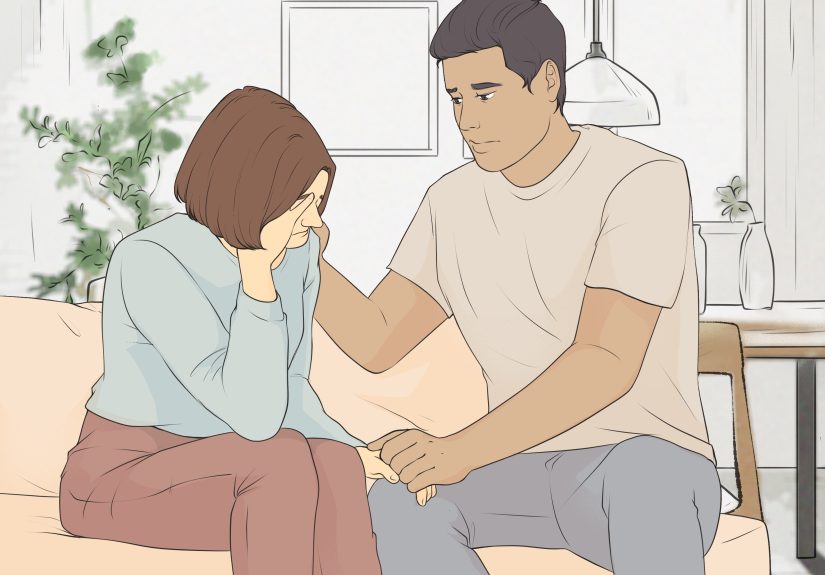
At its core, “sorry to hear that” means you feel sympathy or sadness because someone just told you something unpleasantbad news, a setback, a loss, or a stressful situation. It’s a quick way to communicate: “That sounds hard, and I care that it happened to you.”
It’s Sympathy, Not a Confession
Here’s a common confusion: the word sorry can mean “I regret what I did,” but it can also mean “I feel sad for you.” In “sorry to hear that,” it’s almost always the second meaning. You’re not taking responsibility. You’re acknowledging someone’s pain.
Think of it like holding an umbrella over someone else’s bad weather. You didn’t cause the rainyou’re just showing up with coverage.
How People Use “Sorry to Hear That” in Real Life
This phrase shows up everywhere: friendships, customer service, workplaces, family group chats, and those awkward hallway conversations where someone tells you something heavy right before you reach the stairs. It’s popular because it’s brief, polite, and socially recognized as “the caring response.”
Common Situations
- Health or stress: “I’ve been sick all week.” → “Sorry to hear that. Are you resting?”
- Work or school setbacks: “They canceled the project.” → “Sorry to hear thatwhat happens next?”
- Loss or grief: “My uncle passed away.” → “I’m so sorry to hear that. I’m thinking of you.”
- Everyday bad luck: “My flight got delayed again.” → “Ugh, sorry to hear that. That’s frustrating.”
Spoken vs. Written: Tone Does the Heavy Lifting
Spoken out loud, your tone decides whether it feels sincere or automatic. Written down, your follow-up decides. In texts and emails, “Sorry to hear that” can look a little barelike a sympathy sandwich with no fillingunless you add a second line that shows attention.
Text example (warm):
Sorry to hear that. Do you want to talk about it, or would you rather be distracted?
Text example (too thin):
Sorry to hear that.
The second one isn’t “wrong,” but it can feel like you hit a pre-set button labeled Generic Sympathy Response #3.
Why “Sorry to Hear That” Sometimes Sounds Dismissive
The phrase can accidentally land cold if it’s delivered too fast, too flat, or used as a conversation exit. People may hear it as: “That’s unfortunate… anyway!”
How to Keep It From Feeling Like a Script
- Add a detail: “Sorry to hear thatlosing a job out of nowhere is a lot.”
- Ask a gentle question: “How are you holding up?”
- Offer support: “Want help thinking through next steps?”
- Respect boundaries: “No pressure to share details, but I’m here.”
A good rule: sympathy is not only what you sayit’s the space you create for the other person to feel understood.
“Sorry to Hear That” vs. “I’m Sorry to Hear That” vs. “I Hate to Hear That”
These look similar, but they carry slightly different vibes:
“Sorry to hear that”
The most casual and common version. Works in everyday conversation, especially when the situation is tough but not deeply personalor when you don’t know the person well.
“I’m sorry to hear that”
A bit more personal and direct. The “I’m” makes it feel more intentional, like you’re stepping forward rather than tossing sympathy from across the room.
“I hate to hear that”
Slightly more emotionally expressive. It can feel warmer, but it also depends on your relationshipsome people love it; others find it dramatic.
Alternatives to “Sorry to Hear That” (Better Options by Situation)
If “sorry to hear that” feels too generic, the fix isn’t to become a poetit’s to choose a phrase that matches the moment. Here are alternatives that sound natural in American English and cover everything from mild annoyances to major losses.
1) Simple, sincere alternatives
- “That’s really tough.”
- “I’m sorry you’re dealing with that.”
- “That sounds incredibly stressful.”
- “I’m sad to hear this.” (more formal)
2) Validating alternatives (great when you don’t know what to say)
- “That makes total sense that you’d feel that way.”
- “You don’t deserve to have to handle this alone.”
- “I can’t imagine how heavy that feels, but I’m here.”
3) Supportive alternatives (when you can actually help)
- “How can I support you right now?”
- “Do you want advice, comfort, or a distraction?”
- “I can bring dinner / help with errands / cover that shiftwhat would help most?”
4) Professional alternatives (for work emails and teams)
- “Thank you for letting me know.”
- “I’m sorry to hear about this setbackwhat support do you need from me?”
- “That sounds challenging. Let’s talk through options.”
- “I appreciate you sharing this. We’ll figure out next steps together.”
5) For grief and loss (more careful language)
When someone is grieving, many people reach for clichés because they’re nervous. The safest move is usually: acknowledge the loss, keep it simple, and offer steady presence.
- “I’m so sorry for your loss.”
- “I’m thinking of you, and I’m here.”
- “I don’t have the right words, but I care about you.”
- “If you want to talk about them, I’d love to hear a memory.”
Ready-to-Use Mini Scripts (Text, Email, and Customer Support)
Text to a friend
Sorry to hear that. Do you want to vent, or would it help to switch topics for a bit? Either way, I’m here.
Email to a coworker
Hi [Name],
I’m sorry to hear about the delay. Thank you for the updatewhat’s the biggest blocker right now, and how can I help remove it?
Best,
[Your Name]
Customer support reply (empathetic but efficient)
Sorry to hear you ran into that issuethanks for flagging it. If you share your order number and what you’ve tried so far, we’ll help you get this resolved.
What Should You Say Back When Someone Says “Sorry to Hear That”?
You don’t need a speech. Most of the time, a simple response is perfect:
- “Thanks, I appreciate that.”
- “Yeah, it’s been roughbut thank you.”
- “Thanks for listening.”
- “I’m okay, just frustrated.”
If you want to keep talking, you can add one sentence: “What’s bothering me most is…” If you don’t, you can close gently: “I’ll be alrightjust needed to say it out loud.”
Common Mistakes to Avoid
Even well-meaning people can accidentally make things worse. If you want your “sorry to hear that” to feel supportive, avoid these traps:
1) Minimizing
Phrases like “It’s not that bad” or “At least…” can make someone feel scolded for being upset. You don’t need to fix their feelings; you need to make room for them.
2) Turning it into your story
Sharing a similar experience can help sometimes, but if it steals the spotlight, it backfires. A safe approach: ask first“Want to hear what helped me, or would you rather just vent?”
3) Pushing advice too soon
People often want validation before solutions. A quick check-in helps: “Do you want help brainstorming, or do you just want me to listen?”
4) Using cliché comfort lines
The classics (“Everything happens for a reason,” “They’re in a better place,” “Stay positive”) can feel dismissive, especially in grief. Honest and simple tends to land better than inspirational.
Conclusion: The Best Version of “Sorry to Hear That”
“Sorry to hear that” is a normal, useful phrase in American English. It means sympathynot guiltand it’s often a perfectly kind first response. The upgrade is easy: add a second sentence that proves you’re present. A question. A detail. A specific offer. A reminder that they’re not alone.
Because the goal isn’t to sound impressive. The goal is to sound human.
Experiences: When “Sorry to Hear That” Shows Up (and What It Really Does)
One reason “sorry to hear that” sticks around is that it’s a social bridge. It helps people cross from “I heard your bad news” to “I’m with you” without needing perfect words. And in real life, that bridge mattersbecause most conversations don’t happen in quiet movie scenes with background piano. They happen in parking lots, Slack threads, crowded kitchens, and chaotic group chats.
Picture a friend texting, “I didn’t make the team.” If the reply is only “Sorry to hear that,” it can feel like a polite stamp: acknowledged, filed, moving on. But when someone adds even a small follow-up“You worked so hard for it. Want to talk?”the exact same phrase transforms. Now it’s not a stamp; it’s a hand on the shoulder.
You see the same thing at work. Someone messages, “My presentation got pushed back.” A teammate replies, “Sorry to hear that.” In a busy office, that could be a sincere momentor it could read like autopilot. But add one practical line“Do you want me to help tighten the deck?”and suddenly the empathy becomes action. People remember that. Not because the wording was fancy, but because it reduced their load.
In families, “sorry to hear that” sometimes plays a different role: it’s a safe phrase for people who weren’t taught emotional language. A parent might not say, “That must have been humiliating,” but they can say, “Sorry to hear that,” and mean it deeply. If you’ve ever had a relative who shows love through logistics (“Did you eat?” “Do you have gas in the car?”), this may be their version of emotional support. The phrase looks small, but the intention can be huge.
There’s also the customer-service version, which many of us have seen: “We’re sorry to hear that you’re experiencing this issue.” Sometimes it’s genuinely helpful; sometimes it’s basically the opening credits before a long wait. The difference is what comes next. When support teams follow with clear steps, timelines, or real accountability, the phrase feels reassuring. When it’s followed by vague instructions and endless transfers, it can feel like sympathy wallpaper: pretty, but not structural.
A surprisingly common experience is hearing “sorry to hear that” at the exact moment you’re not sure you want sympathy. Like when you mention a minor annoyance“My phone died again”and someone responds like you announced a tragedy. That’s when alternatives shine: “Ugh, that’s annoying” matches the emotional level better than a full sympathy statement. The best communicators aren’t the ones with the biggest vocabulary; they’re the ones who match the moment without overreacting or underreacting.
And finally: sometimes “sorry to hear that” is what you say when you’re still processing, too. You didn’t expect the news. You’re caught off guard. You’re searching for a response that’s respectful, not awkward. In that situation, it’s okay to start there and then circle back. A follow-up text later“Hey, I keep thinking about what you said. How are you today?”can mean more than any perfectly crafted sentence in the first five seconds. Real empathy isn’t a one-liner. It’s showing up again.