Table of Contents >> Show >> Hide
- The Short Answer: Start at 68°F
- Why 68°F Works So Well
- A Smart Winter Thermostat Schedule
- When 68°F Is Not Enough
- Does Your Heating System Change the Answer?
- Common Thermostat Mistakes That Cost You Money
- How to Feel Warmer Without Cranking the Thermostat
- Best Winter Thermostat Settings by Household Type
- So, What Is the Best Thermostat Setting for Winter?
- Real-World Experiences: What Homeowners Usually Discover
If winter had a personality, it would be the houseguest who shows up uninvited, raids your pantry, and leaves you with a utility bill that makes you question your life choices. That is exactly why so many homeowners ask the same thing every year: what is the best thermostat setting for winter?
The honest answer is not one magic number carved into an HVAC stone tablet. The best winter thermostat setting is the lowest temperature that still feels comfortable and safe for your household. For most homes, that sweet spot starts at 68°F when you are awake and at home. From there, you can adjust lower when you are sleeping or out of the house, and slightly higher if someone in the home is elderly, very young, sick, or especially sensitive to the cold.
That may sound suspiciously simple, but it works. A thoughtful thermostat strategy can balance comfort, energy savings, and common sense without turning your living room into either a sauna or a penguin exhibit.
The Short Answer: Start at 68°F
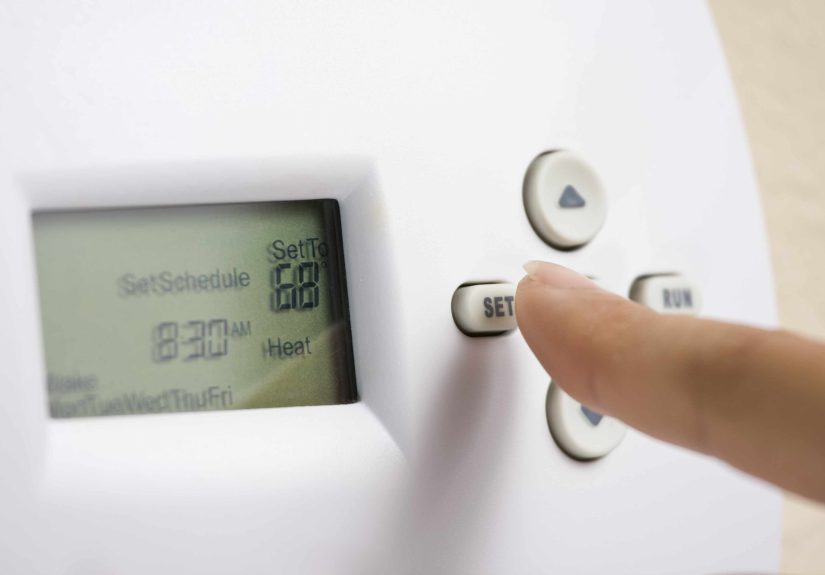
If you want the fast, practical answer, here it is: 68°F is usually the best thermostat setting for winter when people are home and awake. It is the number that comes up again and again in energy-efficiency guidance and consumer advice because it offers a reasonable middle ground. Warm enough to be comfortable for many people. Low enough to avoid setting your heating budget on fire.
That does not mean 68°F is perfect for every human, every house, or every heating system. A drafty 1940s bungalow in Chicago and a newer, well-insulated home in North Carolina will not behave the same way. Neither will a house heated by a gas furnace versus a modern heat pump. Still, 68°F is a smart starting point because it gives you a reliable baseline. From there, your thermostat plan becomes less about guessing and more about fine-tuning.
Why 68°F Works So Well
Winter comfort is not just about the number on the thermostat. It is about how your body feels in the room. That feeling depends on indoor temperature, humidity, air movement, insulation, sun exposure, and whether you are wearing a T-shirt in January because optimism got the best of you.
At 68°F, many households can stay comfortable with normal winter clothing, socks, and maybe a hoodie that has become emotionally important. More importantly, 68°F helps reduce unnecessary heating demand. The warmer you keep the house, the harder your heating system has to work to maintain the indoor-outdoor temperature difference. In plain English: every extra degree tends to cost you.
That is why the best thermostat setting for winter is usually not the warmest setting you can tolerate. It is the setting that keeps your home comfortable without wasting energy. Big difference. Cozy is good. Pretending your hallway is a tropical resort is expensive.
A Smart Winter Thermostat Schedule
A single temperature all day long is easy, but it is not usually the most efficient approach. A better plan is to match your thermostat to how you actually live.
When You Are Home and Awake: 68°F
This is the classic winter daytime setting, and for good reason. It keeps the home reasonably warm while limiting energy use. If 68°F feels just a little cool at first, try giving your body a week to adjust before turning the thermostat up. Many people are surprised by how quickly 68°F starts to feel normal once they stop using 72°F as the emotional support setting.
When You Are Sleeping: 60°F to 67°F
At night, most people can comfortably lower the thermostat because warm blankets and sleep do a lot of the heavy lifting. A good target is somewhere between 60°F and 67°F, depending on your bedding, the outdoor temperature, and how much you enjoy waking up with your nose slightly chilly.
If you are nervous about dropping too low, start small. Try 66°F for a few nights, then 65°F if that still feels fine. Gradual changes are easier than going from “pleasantly warm” to “why can I see my breath?” in one dramatic leap.
When You Are Away for the Day: 60°F to 65°F
If the house is empty for several hours, lowering the thermostat can save energy without sacrificing much comfort. For many households, 60°F to 65°F is a sensible away setting. The exact number depends on your home’s insulation, your local climate, and how quickly your system can recover when you return.
In a well-insulated home, 62°F or 63°F may work beautifully. In an older drafty house, you may prefer 65°F so the place does not feel like an abandoned train station when you walk back in.
When You Are Away for Several Days: Usually 55°F, Sometimes a Bit Higher
If you are leaving town in winter, your goal changes. Now it is less about comfort and more about protecting the home. In many cases, 55°F is a practical minimum for an unoccupied house. Some homeowners go a little lower, some a little higher, but the point is to reduce the risk of frozen pipes, condensation problems, and other expensive surprises waiting to greet you after vacation.
If you have plumbing in vulnerable exterior walls, own a particularly old home, or live in a brutal cold climate, it can be wise to stay above 55°F. The same goes for homes with pets, sensitive houseplants, or that one room that is always five degrees colder than the rest of the house because apparently it has a personal grudge.
When 68°F Is Not Enough
There are situations where the best thermostat setting for winter should be higher than the usual energy-saving baseline.
For example, older adults can be more vulnerable to cold indoor temperatures. The same can be true for babies, people with certain medical conditions, and anyone who is ill. In those homes, setting the thermostat at 68°F to 70°F may be more appropriate. Safety beats savings every time.
You should also consider a higher setting if your house has severe drafts, poor insulation, or rooms that are consistently underheated. Sometimes people blame the thermostat when the real issue is that warm air is escaping through leaky windows, unsealed doors, dirty filters, or neglected ductwork. A thermostat cannot fix a house that leaks heat like a colander leaks pasta water.
Does Your Heating System Change the Answer?
Yes, sometimes.
Gas Furnaces, Oil Furnaces, and Boilers
Most traditional heating systems can handle normal winter setbacks pretty well. If you have a furnace or boiler, a daytime target of 68°F and a lower overnight or away setting is usually a solid plan.
Heat Pumps
Heat pumps are a little trickier. Many modern heat pumps are excellent in winter, but some systems do not love big temperature swings. Large setbacks can trigger auxiliary or backup resistance heat, which can be more expensive to run. That means your clever plan to save money could accidentally become a plot twist.
If you have a heat pump, smaller setbacks are often better. Instead of dropping the temperature 8 or 10 degrees overnight, try 2 to 4 degrees and see how your system performs. Some heat pump thermostats are designed specifically to manage this. In other words, not every thermostat strategy should be treated like a copy-and-paste job.
Zoned Systems
If your home has zoning, congratulations: you have options. You can keep heavily used areas more comfortable while using lower settings in rarely occupied rooms. Just be careful not to let seldom-used spaces get so cold that pipes or finishes are at risk.
Common Thermostat Mistakes That Cost You Money
Turning the Thermostat Way Up to Heat Faster
This is one of the most popular winter myths. Setting the thermostat to 80°F does not make your house heat faster than setting it to 70°F. It just tells the system to keep running until it hits 80°F. That may leave you overheated, annoyed, and wondering why your living room feels like the inside of a baked potato.
Using “Hold” All Season
Programmable and smart thermostats are helpful because they automate your schedule. If you permanently put the thermostat on “hold,” you may wipe out the benefit. A schedule that matches your actual routine is usually better than a set-it-and-forget-it number that stays high around the clock.
Ignoring Maintenance
A dirty filter can reduce airflow and make your heating system work harder. Blocked vents, dusty radiators, and overdue tune-ups can also make a 68°F house feel colder than it should. Sometimes the best thermostat setting for winter is not a new number. It is a clean filter.
How to Feel Warmer Without Cranking the Thermostat
If you want your home to feel better at 68°F, attack the comfort problem from more than one angle.
- Layer up indoors. Sweaters, slippers, and warm socks are cheaper than heating the whole house like a luxury spa.
- Use sunlight. Open curtains during sunny winter days to get free heat, then close them at night to reduce heat loss.
- Seal drafts. Weatherstripping, door sweeps, and caulk can make a noticeable difference.
- Check humidity. Winter air is often dry, and slightly higher indoor humidity can make rooms feel warmer at the same temperature.
- Reverse ceiling fans. A clockwise spin at low speed can help push warm air down from the ceiling.
- Warm the person, not the whole planet. Throw blankets, flannel sheets, and warm pajamas are gloriously low-tech and wildly effective.
Best Winter Thermostat Settings by Household Type
For Energy Savings
Try 68°F while home, 62°F to 65°F while away, and 60°F to 65°F while sleeping. If that feels comfortable, you are in a good place.
For Families With Kids or Older Adults
Start at 68°F to 70°F while occupied and avoid letting the home get too cool overnight. Comfort and safety matter more than squeezing out every last dollar of savings.
For Vacation Homes
Keep the thermostat at about 55°F or higher, depending on freeze risk, plumbing layout, and local weather. Remote monitoring is a smart move if you are away often.
For Heat Pump Homes
Begin around 68°F and use only modest setbacks. Big temperature drops can backfire on some systems.
So, What Is the Best Thermostat Setting for Winter?
The best thermostat setting for winter is usually 68°F when you are home and awake, with lower settings when you are asleep or away. That is the practical, proven starting point. From there, the real goal is to build a schedule that fits your comfort, your house, and your heating system.
If you are chasing the perfect number, here is the good news: you probably do not need one. You just need a reasonable baseline, a little experimentation, and the willingness to wear socks indoors like the energy-efficient legend you were always meant to be.
Real-World Experiences: What Homeowners Usually Discover
One of the most common experiences people have in winter is realizing that their “normal” thermostat setting is based more on habit than comfort. Someone spends years keeping the house at 72°F because that is what they have always done, then one year they try 68°F after a shocking heating bill arrives. For the first day or two, it feels different. By the end of the week, they barely notice. What they do notice is the smaller bill. It is not magic. It is just adaptation.
Another very relatable experience happens at bedtime. Many homeowners assume lowering the thermostat at night will make sleep miserable, but the opposite often happens. A slightly cooler room plus warm blankets can feel more comfortable than a hot, stuffy bedroom. People often report that once they drop the overnight setting a few degrees, they sleep better and wake up less overheated. The trick is not to drop it so far that getting out of bed feels like a polar expedition.
Then there is the classic “empty house all day” discovery. Plenty of people leave the heat running at the same daytime setting even when nobody is home because they worry it will take too much energy to warm the house back up. After switching to a programmable or smart thermostat, they usually learn that a moderate setback works just fine. The house warms up before they return, and the routine becomes automatic. No one has to remember to fiddle with buttons while running out the door with coffee in one hand and existential dread in the other.
Heat pump owners tend to have a different kind of learning curve. Their experience is often more technical. They try a deep setback because it worked in a previous furnace-heated home, then wonder why the system seems to struggle or why the bill does not improve. Once they switch to smaller setbacks, the house feels steadier and the system behaves more efficiently. That is usually the moment when winter thermostat advice finally starts making sense: the “best” setting depends not just on comfort, but on how the equipment actually works.
And perhaps the most universal experience of all is this: the thermostat is rarely the whole story. People bump the temperature up, expecting bliss, but the room still feels chilly because of drafts, dry air, dirty filters, or cold floors. Once they seal a leaky door, replace the furnace filter, add heavier curtains, or use a humidifier, suddenly 68°F feels much warmer than 71°F ever did before. That is when homeowners realize comfort is a system, not just a number on the wall.