Table of Contents >> Show >> Hide
- What Is the Gut-Brain Axis, Exactly?
- The Gut Microbiome: Tiny Roommates, Big Influence
- How the Gut Talks to the Brain
- What Conditions Show the Gut-Brain Link Most Clearly?
- So, Can You Fix Your Brain by Fixing Your Gut?
- What a Good Science Video Usually Leaves Out
- Experiences That Make the Gut-Brain Link Feel Very Real
- Final Takeaway
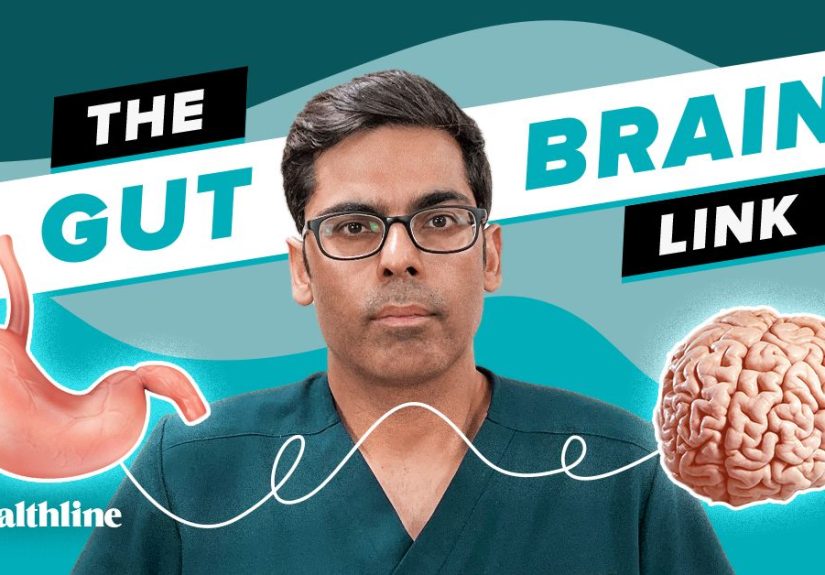
If a video about the gut-brain axis sounds like the kind of thing that starts with dramatic music and ends with someone holding kombucha like it’s a Nobel Prize, fair warning: the real science is cooler than the hype. Your gut and your brain are in constant conversation. Not metaphorically. Not spiritually. Biologically. They exchange signals through nerves, hormones, immune activity, and the trillions of microbes living in your digestive tract.
That means your stomach is not just a food tube with opinions. It is part of a complex communication system that can influence digestion, stress responses, mood, sleep, and how your body reacts to inflammation. At the same time, your brain can change what happens in your gut faster than a bad email can ruin lunch. Ever lost your appetite before a presentation? Needed the bathroom before an exam? Felt “butterflies” before a date? Congratulations. You’ve already met the gut-brain connection.
But what does the science actually say? And where should we be careful not to sprint past the evidence wearing probiotic goggles? Let’s break it down.
What Is the Gut-Brain Axis, Exactly?
The gut-brain axis is the two-way communication network linking your central nervous system and your gastrointestinal tract. Think of it as a nonstop group chat involving your brain, spinal cord, digestive organs, gut nerves, immune system, hormones, and gut microbiome. Everyone is typing at once, and somehow your body still manages to function.
This system is “two-way” because the brain affects the gut, and the gut affects the brain. Stress can speed up digestion, slow it down, increase pain sensitivity, or trigger symptoms like nausea and diarrhea. Meanwhile, changes in the gut, including inflammation, altered motility, infection, or shifts in the microbiome, may influence mood, stress resilience, and how the body processes signals related to discomfort.
The Vagus Nerve: The Body’s Fast-Talking Messenger
One of the most important players here is the vagus nerve, a major communication route between the brain and the digestive tract. It helps relay information about what’s happening in your gut, from stretching and fullness to chemical changes and irritation. If your brain is headquarters, the vagus nerve is the very busy courier who never gets a lunch break.
This matters because gut signals are not random noise. They help the brain monitor the body’s internal state, a process researchers often call interoception. In plain English, your brain is constantly trying to figure out how the body is doing on the inside, and the gut sends a lot of those updates.
The Enteric Nervous System: Why the Gut Gets Called the “Second Brain”
Your digestive tract has its own intricate network of neurons called the enteric nervous system. This is one reason the gut is often nicknamed the “second brain.” No, it cannot do your taxes. But it can independently coordinate many digestive functions, including movement, secretion, and blood flow. It also communicates with the brain through larger neural pathways.
That helps explain why digestive symptoms can feel so immediate and emotional. The gut is not passively waiting for instructions. It is actively sensing, responding, and reporting.
The Gut Microbiome: Tiny Roommates, Big Influence
Now for the stars of modern health headlines: the gut microbiome. This refers to the enormous community of bacteria, viruses, fungi, and other microbes living mostly in the large intestine. Some are helpful, some are opportunistic, and most are part of a complicated ecosystem that scientists are still trying to understand without losing their minds.
These microbes help digest certain foods, produce metabolites, interact with the immune system, and may influence signaling along the gut-brain axis. Some bacteria can produce or help stimulate the production of chemicals involved in nervous system communication, including compounds related to serotonin, GABA, and other neurotransmitter pathways. That does not mean your gut bacteria are writing your emotional playlist by themselves. It means they may affect the biological environment in which mood and cognition happen.
Microbes also generate byproducts such as short-chain fatty acids when they ferment fiber. These compounds appear to affect inflammation, gut barrier function, metabolism, and possibly brain-related processes. That is one reason nutrition researchers keep waving the fiber flag like it’s the last clean napkin at a barbecue.
How the Gut Talks to the Brain
Scientists generally group gut-brain communication into several major routes:
1. Nerve Signaling
The gut sends rapid messages through nerves, especially the vagus nerve and other sensory pathways. These signals help the brain track pain, stretching, fullness, and digestive activity.
2. Hormonal Signaling
The digestive system releases hormones related to hunger, fullness, metabolism, and stress responses. These chemical messengers can shape appetite, energy balance, and even behavior around eating.
3. Immune Signaling
The gut is a major immune organ. When the gut lining is irritated or the microbial balance shifts, immune cells can release signaling molecules that influence inflammation throughout the body. Researchers increasingly suspect that this immune route is one of the most important bridges between gut health and brain health.
4. Microbial Metabolites
Gut microbes make compounds that can affect the gut lining, the immune system, and possibly the brain either directly or indirectly. This includes metabolites produced from fiber and other dietary components.
In other words, the scientific link between your gut and brain is not one magical pathway. It is a whole network, and that is exactly why the field is so exciting and so messy.
What Conditions Show the Gut-Brain Link Most Clearly?
Irritable Bowel Syndrome and Other Disorders of Gut-Brain Interaction
If you want a textbook example of the gut-brain axis in action, start with IBS and other disorders of gut-brain interaction. These conditions can involve altered gut sensitivity, changes in motility, shifts in the microbiome, post-infectious changes, and nervous system miscommunication. In other words, the hardware may look normal on a routine scan, but the signaling system is definitely having a dramatic group meeting.
That is why IBS is not “just stress,” and it is not “all in your head.” Stress can worsen symptoms, but the gut itself may also be more reactive and sensitive. Brain and gut can amplify each other in a feedback loop that feels very real because it is.
Stress, Anxiety, and Mood
Researchers have long observed that stress affects digestion. More recently, scientists have become interested in the reverse direction: how gut inflammation, microbiome changes, and immune signaling may shape mood and stress-related symptoms. Some early and mid-stage research suggests that altering the microbiome through diet or targeted interventions may eventually help certain stress-related conditions. But this is an active research area, not a permission slip to declare blueberries the new antidepressants.
There is also growing interest in so-called psychobiotics, a term used for probiotics or related interventions that may affect mental health. Promising? In some cases, yes. Settled science? Not yet. Results vary, strains matter, doses matter, and what works in one study may not transfer neatly to everyday life.
Parkinson’s Disease, Long COVID, and Neuroinflammation
Some of the most intriguing modern research looks beyond digestion. Scientists are investigating how gut-related immune activity, microbial metabolites, and barrier changes may be involved in neurological conditions such as Parkinson’s disease and in symptoms like fatigue or cognitive changes following illness. That does not mean every brain disorder starts in the gut. It does mean the gut is increasingly viewed as part of the story rather than a side character who wandered in from another script.
So, Can You Fix Your Brain by Fixing Your Gut?
This is where the internet usually puts on a lab coat and starts freelancing. The honest answer is: sometimes gut-focused changes may help overall well-being, but there is no universal gut reboot that cures everything from bloating to burnout.
Still, the science does support a few practical habits that are good for both gut health and broader health:
Eat More Fiber-Rich Foods
Vegetables, fruits, legumes, whole grains, nuts, and seeds help feed beneficial gut microbes. Higher-fiber diets are associated with better microbial diversity and healthier bowel patterns. Translation: your microbes like plants, and frankly, so does the rest of your body.
Manage Stress
Chronic stress can alter digestion, appetite, inflammation, and the gut environment. That is one reason stress-reduction practices such as exercise, better sleep, therapy, mindfulness, and gut-directed behavioral approaches may help some people with GI symptoms.
Move Your Body
Regular exercise appears to support a healthier microbiome and may also reduce stress, improve sleep, and help regulate digestion. Your gut enjoys a brisk walk more than it enjoys doomscrolling at midnight.
Use Antibiotics Carefully
Antibiotics can be lifesaving, but they can also disrupt the microbiome. Take them when medically appropriate, not because a social media comment section told you your “vibe” looks bacterial.
Be Smart About Probiotics
Some probiotics may help certain people in certain situations, especially for specific digestive issues. But they are not all interchangeable, and more is not always better. Choosing a probiotic should be based on the problem you are trying to solve, not packaging that looks like it was designed by a wellness wizard.
What a Good Science Video Usually Leaves Out
Videos about the gut-brain axis are great for grabbing attention, but they often flatten an important truth: this field is real, promising, and still evolving. Researchers are uncovering fascinating links among digestion, microbes, immunity, metabolism, and brain function. At the same time, human biology is wildly individual. Your microbiome is shaped by diet, age, sleep, medication use, genetics, stress, illness history, and plain old life.
So the most accurate takeaway is not “the gut controls everything.” It is this: your gut and brain are deeply connected, and that connection helps explain why digestion, mood, stress, and inflammation often overlap. That does not reduce complex conditions to one cause. It expands the map.
Experiences That Make the Gut-Brain Link Feel Very Real
One reason this topic resonates so strongly is that people often recognize it before they learn the terminology. A student sits down for a major exam and suddenly feels queasy. A job candidate is calm while getting dressed, then develops a tight stomach in the elevator. Someone going through grief loses interest in food for days. Another person under chronic stress notices bloating, cramping, or urgent bathroom trips during the exact weeks life feels most chaotic. The body is not being dramatic. The gut and brain are responding to each other in real time.
Some experiences are short-lived and easy to identify. Butterflies before a first date. A nervous stomach before public speaking. Appetite changes after a scary phone call. Those moments are familiar because the gut-brain axis is built to help the body react quickly to perceived threats or excitement. Blood flow changes. Hormones shift. Muscles in the digestive tract may speed up, slow down, or tighten. Suddenly lunch becomes a complicated emotional event.
Other experiences are more persistent and frustrating. Many people with IBS describe a cycle in which stress worsens gut symptoms, and the gut symptoms then increase anxiety, planning, embarrassment, or fear of eating the wrong thing. Someone might skip a road trip because they are worried about bathroom access. Another person may dread meetings because abdominal pain tends to flare during tense conversations. Over time, the gut issue is no longer just a gut issue. It begins shaping routines, confidence, sleep, and social choices.
There are also post-illness experiences that make this connection feel especially tangible. After a stomach bug or food poisoning, some people seem to recover quickly, while others develop lingering sensitivity, altered bowel habits, or discomfort that hangs around long after the original infection is gone. Researchers studying disorders of gut-brain interaction have been interested in these cases because they suggest that infections can sometimes leave behind changes in gut sensitivity, barrier function, or communication patterns.
Diet can play into the experience, too, though rarely in the oversimplified way the internet suggests. A fiber-poor, ultra-processed diet may leave some people feeling sluggish, irregular, or inflamed. On the flip side, suddenly overhauling your meals in the name of “gut healing” can backfire if your digestive system is sensitive and not thrilled by an overnight avalanche of beans. Real life is less “one superfood saves the day” and more “small, steady habits matter, and your body likes consistency more than theatrics.”
Perhaps the most relatable experience of all is noticing that when sleep, stress, movement, and meals are off, everything else feels off too. Digestion gets weirder. Mood gets wobblier. Focus takes a hit. You may not need a microscope to notice the gut-brain axis at work; sometimes you just need one bad week, three rushed lunches, and a fourth cup of coffee that seemed like a good idea at the time.
Final Takeaway
The scientific link between your gut and brain is not a wellness myth, and it is not a one-sentence miracle explanation either. It is a legitimate biological system involving nerves, hormones, immune signals, and the gut microbiome. It helps explain why stress can wreck digestion, why digestive problems can affect mood, and why researchers are taking the gut seriously in studies of mental and neurological health. The smartest takeaway is refreshingly unsexy: take care of the basics. Eat more fiber. Sleep like it matters. Move regularly. Manage stress. Treat the gut and brain as teammates, because they already are.