Table of Contents >> Show >> Hide
- What Is an Anatolia Kilim Pillow Cover, Exactly?
- Why These Pillow Covers Are So Popular
- Common Features to Look For Before You Buy
- Patterns, Motifs, and Color: Why They Matter
- How to Style an Anatolia Kilim Pillow Cover at Home
- How to Care for It Without Having a Small Panic Attack
- Is an Anatolia Kilim Pillow Cover Worth It?
- What Living With an Anatolia Kilim Pillow Cover Actually Feels Like
- Conclusion
If your sofa looks a little too polite, an Anatolia kilim pillow cover may be exactly the kind of charming troublemaker it needs. These covers bring in color, history, texture, and that deliciously collected look that makes a room feel lived-in instead of staged for a furniture catalog where nobody is allowed to sit down. Rooted in the flatwoven textile traditions of Anatolia, the region that makes up most of modern-day Turkey, kilim pillow covers turn a practical object into a conversation piece. They are decorative, yes, but they also carry the appeal of craft, pattern, and old-world artistry in a size small enough to toss on a chair without filing a renovation permit.
In today’s market, the phrase Anatolia kilim pillow cover usually refers to a pillow cover made from a vintage or vintage-inspired kilim textile. Some are cut from older handwoven rugs or panels and backed with cotton fabric, often with a zipper closure. Others are newly made but designed to echo the geometry, color palette, and texture of historic Anatolian weaving. Either way, they are popular for one simple reason: they make a room look more interesting in about three seconds flat.
What Is an Anatolia Kilim Pillow Cover, Exactly?
Let’s start with the basics. A kilim is a flatwoven textile, which means it has no pile. Unlike plush rugs that feel fuzzy underfoot, a kilim has a smooth, tightly woven surface created by interweaving warp and weft threads. That flat construction is part of its appeal. It gives kilims their crisp geometric patterns, lightweight feel, and signature texture. When that textile is transformed into a cushion cover, you get a decorative accent that feels structured, tactile, and visually rich without being bulky.
The “Anatolia” part matters too. Anatolia has long been associated with highly regarded weaving traditions, especially in village and nomadic contexts. Historic Anatolian kilims were used for far more than floors. They could appear as coverings, storage textiles, room dividers, tent furnishings, and other practical household pieces. That history helps explain why kilim patterns feel so grounded and useful rather than merely ornamental. Even when they are now sitting on a mid-century armchair in a Chicago condo, they still carry that sense of utility-meets-art.
Modern pillow covers inspired by this tradition often share a few familiar traits: a wool front, a cotton or linen backing, a hidden zipper, and slight irregularities that come from handmade materials. Those tiny imperfections are not flaws. They are the textile equivalent of a crooked smile: proof that the thing has character and was not stamped out by a soulless machine at 2:14 a.m.
Why These Pillow Covers Are So Popular
They bring instant texture
A room can have great paint, good lighting, and a decent coffee table, but still feel flat. Kilim pillow covers solve that problem fast. Their woven surface adds visual depth even when the palette is muted. In a room full of velvet, linen, boucle, or leather, kilim introduces a drier, more architectural texture that keeps everything from blending into one big beige yawn.
They look collected, not mass-produced
One reason people love vintage Anatolia kilim pillow covers is that they rarely look identical. Patterns vary. Colors shift. The weaving can be slightly irregular. That individuality makes them feel curated. Instead of saying, “I bought a matching set on a sleepy Sunday,” they say, “I have taste, stories, and at least one strong opinion about textiles.”
They work in many decorating styles
Despite their heritage, kilim pillow covers are surprisingly flexible. They fit beautifully in bohemian interiors, of course, but they also work in rustic, Southwestern, eclectic, traditional, and even modern spaces. On a sleek neutral sofa, a kilim cover adds warmth and contrast. On a vintage leather chair, it feels right at home. On a bed layered with white linen, it becomes the colorful little rebel in the middle of the composition.
They appeal to sustainability-minded shoppers
Many authentic-style covers are made from older textile fragments that have been repurposed rather than discarded. That gives them a sustainability angle people genuinely like. Instead of creating a brand-new decorative object from scratch, the maker gives existing material a second life. In a world overflowing with disposable home goods, that feels refreshingly sensible.
Common Features to Look For Before You Buy
If you are shopping for an Anatolia kilim pillow cover, do not let good photography do all the thinking for you. Some listings are gorgeous, but details matter.
Material
Wool is the classic choice for the front panel, and for good reason. It is durable, textured, and naturally resilient. Many covers pair the wool front with a cotton back, which makes the piece easier to sew, close, and use on modern inserts. If a listing mentions wool, cotton, goat hair, or natural fibers, that is consistent with what many buyers expect in handmade kilim-style pieces.
Construction
Look for a secure zipper closure and neatly finished seams. A hidden zipper usually looks more polished and makes it easier to remove the cover when needed. If the cover uses vintage textile fragments, ask whether the back is newly made and whether the front has been lined or reinforced. Older textiles can be sturdy, but smart construction still matters.
Size and shape
Square sizes like 16×16, 18×18, and 20×20 inches are common, but lumbar shapes are also popular. A square cover is great for layering on sofas and beds. A lumbar cover shines on benches, accent chairs, or anywhere you want a long horizontal line. The best size depends less on trends and more on whether your sofa currently looks like it needs a nap or a makeover.
Color variation
With handmade and vintage textiles, no two covers are exactly alike. Expect slight color variation, a little fading, or small asymmetries. Those are normal. In fact, they are often part of the charm. If you want laser-perfect repetition, you probably want a printed imitation. If you want soul, welcome the variation.
Patterns, Motifs, and Color: Why They Matter
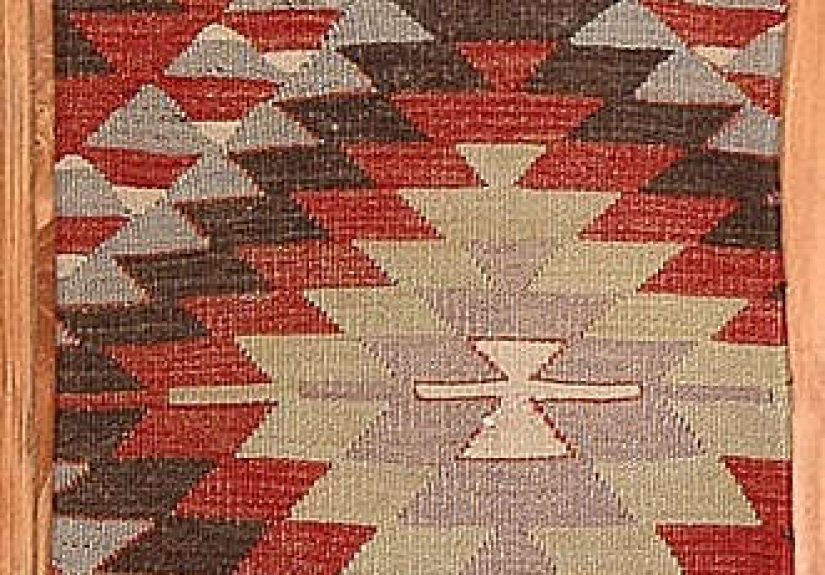
Anatolian kilim designs are known for bold geometry, stylized floral elements, hooked forms, diamonds, stripes, and compartmentalized layouts. Reds, indigo blues, browns, creams, rust tones, soft greens, and occasional brighter accents show up frequently. The colors can feel earthy, but they are rarely boring. Even a faded kilim cover has enough visual rhythm to wake up a neutral room.
Some people love learning the supposed meanings behind motifs, from protective symbols to references to family, fertility, or strength. That symbolic layer can certainly deepen appreciation. Still, a smart reader should keep one foot on the ground. Motif meanings are often interpreted in different ways, and not every shape comes with a tidy translation card. So enjoy the symbolism, but do not feel obligated to turn your pillow into a graduate thesis. Sometimes a beautiful pattern is allowed to be beautifully mysterious.
How to Style an Anatolia Kilim Pillow Cover at Home
On a neutral sofa
This is the easiest win. If your sofa is beige, ivory, taupe, gray, camel, or cream, an Anatolia kilim pillow cover adds movement without requiring a full room redo. Use one statement cover for a refined look or mix two with solid pillows in linen or velvet for more dimension.
With leather furniture
Kilim and leather are basically old friends. The smooth richness of leather pairs beautifully with the dry woven texture of kilim. A faded red or rust kilim cover on a brown leather chair looks warm, timeless, and just rugged enough to suggest you may own very good books.
On a bed
Use a lumbar kilim pillow in front of your sleeping pillows to create a layered, designer-style bed without going overboard. It works especially well with white, oatmeal, or soft charcoal bedding. Suddenly your bedroom looks intentional instead of merely horizontal.
In mixed-textile rooms
Kilim plays well with linen, cotton, boucle, jute, wood, and metal. The key is balance. If the room already has several loud patterns, choose a kilim cover with a quieter palette. If the room is mostly solid and calm, that is when you let the kilim do a little peacocking.
How to Care for It Without Having a Small Panic Attack
The good news is that kilim-style pillow covers are usually not high-drama decor. The less good news is that they are still textiles, and textiles occasionally meet coffee, pets, children, and life.
Start with gentle maintenance. Shake out dust when needed and vacuum lightly with a low-suction upholstery attachment if the cover is sturdy enough. For spills, blot immediately with a clean cloth rather than scrubbing like you are trying to erase your past. A mild detergent and a damp cloth may be appropriate for spot cleaning, especially on newer backings, but always test a small hidden area first. Avoid harsh chemicals and soaking the whole piece unless the maker specifically says it is safe.
For older or more delicate covers, professional cleaning is the wiser choice. Air drying is generally better than aggressive heat. Also, keep prolonged direct sunlight in mind. Sunlight is lovely for brunch, less lovely for vintage dyes.
Is an Anatolia Kilim Pillow Cover Worth It?
If you want a decorative accent with genuine texture, strong visual identity, and real design versatility, yes, it usually is. A good Anatolia kilim pillow cover does more than fill space. It adds history, craftsmanship, and pattern in a format that is easy to use and easy to move around. It can soften a modern room, sharpen a rustic one, and make a plain sofa look about 40 percent more intentional.
That said, it is not the right choice for everyone. If you want ultra-soft, sink-in comfort, you may prefer velvet or chenille. If you need something machine washable because your living room is basically a snack tornado with a streaming subscription, proceed carefully. But if your goal is warmth, individuality, and timeless style, kilim is a strong bet.
What Living With an Anatolia Kilim Pillow Cover Actually Feels Like
There is a big difference between liking an object online and living with it every day. An Anatolia kilim pillow cover tends to improve after it moves into your home because it starts doing the quiet little jobs that photos cannot fully explain.
First, it changes the mood of a room faster than most people expect. A neutral sofa can look perfectly nice in a showroom kind of way, but the moment you add a kilim pillow cover, it gains a pulse. The woven texture catches light differently throughout the day. In the morning, it can look crisp and graphic. In the evening, under warmer lamps, the same piece often feels softer and richer. It is one of those rare accents that looks decorative without seeming fussy.
Then there is the tactile side. A kilim cover does not have the plushness of velvet or the fluff of faux fur, and that is exactly why many people end up loving it. It feels grounded. You notice the weave. You notice the firmness of the textile. It has that satisfying handwoven honesty that makes a room feel layered rather than overly styled. In a world full of slippery synthetics and forgettable fabrics, that texture can feel surprisingly refreshing.
Another part of the experience is how easy it is to move around. One week it may live on the sofa, breaking up a row of plain linen pillows. The next week it might move to a reading chair, where suddenly the chair looks like it has a personality and a passport. Then it may land on the bed as a lumbar accent and make the whole room look more finished. Few decor items are this nomadic without becoming annoying. Kilim covers seem to enjoy relocating. Frankly, they adapt better than most houseguests.
There is also the emotional effect of owning something that does not feel generic. Even when you buy a newly made cover inspired by older Anatolian weaving, the design language carries a sense of continuity. If the piece is made from vintage textile fragments, that feeling gets even stronger. You start to appreciate the softened colors, the tiny irregularities, the sense that someone’s hands were involved somewhere along the line. It is not just a pillow cover. It is a small reminder that home can include objects with memory, not just objects with barcodes.
Practically speaking, living with one also teaches you balance. Because kilim patterns are strong, they encourage you to simplify what surrounds them. A plain throw blanket suddenly feels smarter. A solid pillow becomes useful instead of dull. A wood side table looks warmer. In that way, the cover can become the piece that helps the rest of the room make sense.
And yes, it can become a conversation starter. Guests ask where you found it. People touch it. Someone always says it looks expensive in the best possible way. That is partly because kilim covers have visual depth. They do not shout, but they definitely do not whisper. They have presence.
Over time, the nicest part may be that the pillow never feels trendy in a disposable sense. It can look bohemian, refined, rustic, global, or modern depending on what you pair it with. That flexibility makes it easier to keep and re-style instead of replacing every season. In other words, an Anatolia kilim pillow cover is not just decor. It is one of those rare home pieces that keeps earning its spot.
Conclusion
An Anatolia kilim pillow cover is a small home accent with an outsized effect. It combines flatwoven texture, heritage-inspired pattern, and practical versatility in a way that feels both timeless and fresh. Whether you are drawn to vintage character, handcrafted appeal, or the simple desire to rescue your sofa from blandness, this kind of pillow cover offers substance as well as style. Choose one with strong materials, thoughtful construction, and colors that suit your space, and it can become the detail that makes the whole room click.