Table of Contents >> Show >> Hide
- Who Is Luke Bartels?
- What Are Branch Antlers?
- Why This Accessory Still Feels Fresh
- Design Details That Make the Piece Work
- How to Style Branch Antlers at Home
- What Styles Pair Best With Branch Antlers?
- Why Handmade Accessories Matter
- Branch Antlers as Wall Art
- Buying, Collecting, or Using as Inspiration
- Practical Tips for Decorating With Branch-Inspired Accessories
- Experience Notes: Living With Branch Antlers by Luke Bartels
- Conclusion: A Small Object With a Big Design Voice
- SEO Tags
Some home accessories whisper. Others walk into the room, hang themselves on the wall, and politely ask why your gallery wall is trying so hard. Branch Antlers by Luke Bartels belong to that second category. They are sculptural, rustic, witty, and quietly elegantan unlikely meeting point between woodland walks, modern craft, and the old lodge tradition of mounting antlers above the mantel.
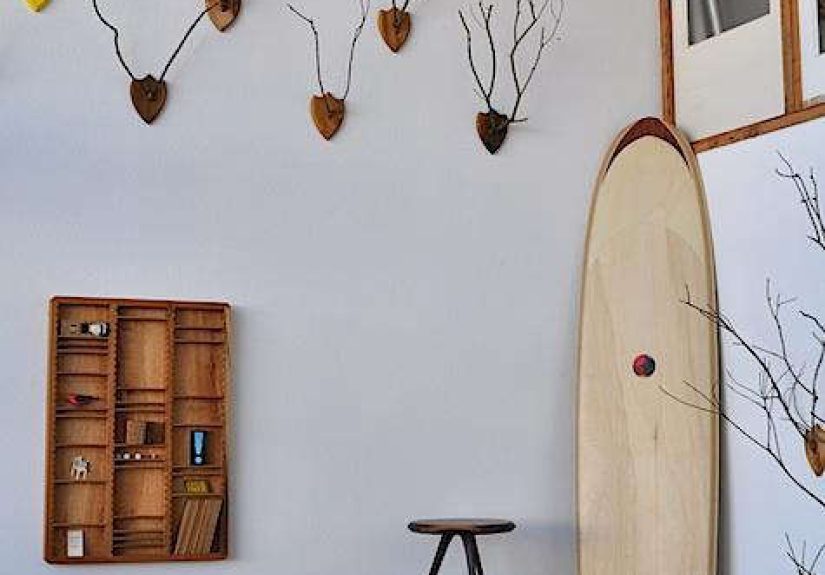
But here is the twist: these are not animal antlers. Bartels’ pieces transform found branches into antler-like wall sculptures, mounting them on hand-shaped wooden plaques with a maker’s eye for proportion, texture, and restraint. The result is a piece of branch wall decor that nods to traditional taxidermy without the fur, glass eyes, or awkward dinner-party questions. It is nature-inspired design with a wink.
Originally spotted in design circles connected to San Francisco’s craft scene, the Branch Antlers reflect Bartels’ broader woodworking approach: locally rooted, material-driven, and charmingly unfussy. They are the sort of object that feels equally at home in a cabin, a city apartment, a beach house, or a minimalist room that needs one strong organic gesture before it starts looking like a very expensive waiting room.
Who Is Luke Bartels?
Luke Bartels is a San Francisco-based woodworker and furniture designer associated with Woodshop, a creative workspace and showroom in the city’s Outer Sunset district. Woodshop brought together a group of makers whose work ranged from wooden surfboards and painted signs to restored seating, furniture, and sculptural objects. Bartels’ own practice has been described through a love of locally sourced materials, live-edge wood, and pieces that let the character of timber do some of the talking.
That matters when discussing the Branch Antlers because they are not simply “cute sticks on a wall.” They come from the same design vocabulary as handmade furniture: balance, joinery, surface, silhouette, and respect for material. A branch is irregular by nature. It curves, splits, thickens, scars, and tapers as it pleases. The craft is in seeing which branch has presence and then giving it just enough structure to become an object without stripping away its wildness.
What Are Branch Antlers?
Branch Antlers by Luke Bartels are wall-mounted sculptural accessories made from found branch specimens arranged to resemble antlers. The branches are attached to carved wooden plaques, traditionally in woods such as walnut or poplar. Early descriptions of the pieces note a hidden dowel used for attachment and a leather strap added for extra support, giving the design both strength and a tailored finishing detail.
The genius of the piece is that it does not over-explain itself. From across the room, the silhouette reads as antlers. Up close, the viewer sees bark, grain, knots, and organic asymmetry. The object plays a little visual trick, but a friendly one. It borrows the authority of a classic lodge trophy and replaces the trophy with a found natural form. In design terms, that is a small move with a big personality.
A Taxidermy Alternative With Better Manners
Traditional antler decor often carries associations with hunting lodges, cabins, alpine hotels, and old-world masculinity. That look can be beautiful, but it can also feel heavy, theatrical, or overly themed. Branch Antlers soften the reference. They bring the shape of antlers into the room without the literal animal trophy. For homeowners who like the rustic silhouette but prefer a gentler, more artful approach, Bartels’ design offers a stylish middle ground.
Think of it as antler decor that went to art school, moved to San Francisco, learned to surf, and started using words like “material honesty.” Somehow, it still looks great above a fireplace.
Why This Accessory Still Feels Fresh
Although the Branch Antlers first gained attention years ago, the idea feels surprisingly current. Interior design has moved steadily toward organic textures, handmade objects, vintage character, and natural materials. Trends such as organic modern, Japandi, biophilic design, and new rustic style all share a common belief: rooms feel better when they include something imperfect, tactile, and connected to the natural world.
That is exactly where Branch Antlers shine. They are not polished to the point of anonymity. They carry irregularity proudly. One branch may fork like a dramatic gesture; another may lean slightly off-center; the plaque may feel refined while the branch remains raw. This contrast between control and wildness is what gives the piece visual tension.
The Biophilic Design Connection
Biophilic design is often simplified as “add plants and call it a day,” but the idea is broader. It is about creating interiors that reconnect people with nature through materials, patterns, light, texture, and organic forms. Branch Antlers fit this philosophy because they use natural shapes rather than manufactured motifs. They do not show a printed leaf pattern; they bring in the actual branching logic of a tree.
In a room filled with straight linesrectangular sofas, square windows, flat walls, right-angled shelvesa branching form gives the eye something more alive to follow. It breaks the grid. It suggests movement. It adds a small reminder that nature rarely uses a ruler, and honestly, nature seems to be doing fine.
Design Details That Make the Piece Work
The success of Branch Antlers comes down to several quiet design decisions. First, the branches are not treated as random debris. They are selected for shape and mounted with intention. Second, the wooden plaque gives the object a traditional framework, connecting it visually to classic trophy mounts while keeping the piece refined. Third, the leather strap introduces a practical and aesthetic bridge between branch and base.
That leather detail is especially important. It prevents the piece from becoming too precious. It gives the sculpture a slightly rugged, handcrafted edge, like something made by a person who knows where the clamps are and does not panic when a board has a knot. The strap also adds contrast: smooth against rough, crafted against found, human-made against naturally grown.
Why the Plaque Matters
Without the plaque, a branch on the wall might look like something the dog dragged in and nobody had the courage to discuss. The plaque changes everything. It frames the branch, elevates it, and tells the viewer: this is intentional. By referencing the familiar shape of an antler mount, the plaque creates context. The branch is no longer a branch; it is a branch performing as an antler.
That theatrical transformation is part of the charm. Great accessories often work because they contain a little story. Branch Antlers tell a story about nature, craft, humor, and the way design can gently remix tradition instead of throwing it into the nearest dumpster.
How to Style Branch Antlers at Home
Branch Antlers are statement pieces, but they do not need to dominate a room. Their natural palette makes them easier to style than many bold accessories. The key is to give them enough breathing room so their silhouette can be appreciated.
Above a Fireplace
The most obvious placement is also one of the best: above a mantel. This location references traditional antler mounts while updating the mood. Pair the Branch Antlers with simple ceramics, a low vase of seasonal branches, or a framed landscape print. Avoid overcrowding the mantel. The antlers already bring shape and movement; too many small objects underneath can make the whole arrangement look like a craft fair had a traffic accident.
In an Entryway
An entryway is another strong location. A sculptural object near the front door sets the tone for the home immediately. Branch Antlers can make a plain hallway feel collected and personal, especially when paired with a bench, woven basket, wool runner, or simple wall hooks. The look says, “Welcome, we appreciate nature,” not “Please remove your shoes and admire our twig.”
In a Dining Room
In dining spaces, Branch Antlers can add a rustic note without pushing the room into full cabin mode. They work beautifully with wood tables, linen napkins, matte black fixtures, stoneware plates, and candlelight. The branch form brings height and shadow, helping a dining room feel more layered and intimate.
In a Minimalist Space
Minimalist interiors often need one object that interrupts perfection. Branch Antlers can do that without adding visual clutter. On a white or limewashed wall, the dark lines of a branch become almost calligraphic. The piece functions as wall art, sculpture, and conversation starter at once.
What Styles Pair Best With Branch Antlers?
The best thing about Branch Antlers is their flexibility. They do not belong to one narrow style category. Instead, they can shift depending on the room around them.
Rustic Modern
In a rustic modern home, Branch Antlers feel completely natural. Pair them with exposed beams, neutral upholstery, blackened metal, stone, and warm wood. The branch shape reinforces the rustic side, while the clean mounting keeps the look modern.
Organic Modern
Organic modern interiors favor curved forms, natural materials, soft neutrals, and calm layouts. Branch Antlers add a sculptural focal point without disrupting the quiet mood. They work especially well with oak, plaster, boucle, linen, travertine, clay, and handmade ceramics.
Japandi
Japandi design blends Japanese restraint with Scandinavian warmth. A piece like Branch Antlers fits because it celebrates imperfection, natural texture, and negative space. The trick is to keep the surrounding room edited. One branch sculpture on a simple wall can feel poetic; five branch sculptures plus twelve baskets may feel like the forest is filing a lease application.
Coastal Cabin
Because Bartels comes from a San Francisco craft environment connected to surf culture and handmade woodwork, the piece also suits coastal interiors. Try it with white walls, weathered wood, canvas, rope, and muted blue or gray accents. The branch form can echo driftwood without becoming beach-themed in the souvenir-shop sense.
Why Handmade Accessories Matter
Mass-produced home decor has its place. Not every object in a house needs to arrive with a backstory and a poetic relationship to a tree. But handmade accessories add something that factory-perfect pieces often lack: presence. They reveal decisions. They show variation. They make a room feel less like a catalog and more like a life in progress.
Branch Antlers are compelling because each version depends on the found material. No two branches are exactly alike, which means the final object carries a built-in uniqueness. That is one reason natural accessories remain appealing even as trends change. A branch does not look “so last season.” It looks like a branch. Trees are famously unbothered by trend forecasting.
Branch Antlers as Wall Art
Calling Branch Antlers an accessory is accurate, but slightly modest. They also function as wall art. Their strength is silhouette. A good wall sculpture does not need bright color or complicated symbolism to hold attention. Sometimes a strong shape, a natural texture, and the right placement are enough.
In rooms where framed art feels too formal, Branch Antlers offer dimensionality. They cast shadows. They change slightly with the light. They can make a flat wall feel architectural. This is especially useful in rentals or small spaces where major renovations are not possible. One sculptural object can bring depth without requiring a contractor, a permit, or a spiritual journey through tile samples.
Buying, Collecting, or Using as Inspiration
Because the original Branch Antlers were featured years ago, current availability and pricing may vary. Early design coverage listed the pieces as handmade works offered directly through the artist, with an additional option for painted mounting plaques. Anyone interested in acquiring an original should verify availability through current artist or studio channels rather than relying on old listings.
For many design lovers, however, the piece also serves as inspiration. It shows how a simple natural form can be elevated through proportion and craft. The lesson is not merely “put branches on walls.” The lesson is to look carefully at humble materials. A found object becomes design when it is selected well, mounted thoughtfully, and placed with confidence.
Practical Tips for Decorating With Branch-Inspired Accessories
If you love the look of Branch Antlers, approach branch decor with restraint. Choose one strong piece rather than scattering twigs around the house like a nervous bird preparing for winter. Scale matters. A tiny branch on a large wall can look accidental, while an oversized branch in a narrow hallway may threaten guests emotionally and physically.
Color also matters. Dark branches look graphic on pale walls. Pale branches feel softer and more coastal. A walnut or black-painted plaque gives formality; a natural poplar or light wood mount feels relaxed. Leather, brass, iron, and linen are all compatible supporting materials because they share the same earthy vocabulary.
Finally, think about lighting. A branch sculpture becomes more interesting when light creates a shadow behind it. Side lighting from a sconce or nearby lamp can exaggerate the form and make the wall feel more dimensional. This is the rare case where shadows are your friend, not something you blame on bad overhead lighting.
Experience Notes: Living With Branch Antlers by Luke Bartels
The experience of living with a piece like Branch Antlers is different from living with ordinary wall art. A painting usually asks to be looked at straight on. A branch sculpture changes depending on where you stand. From the sofa, it may look like a clean antler silhouette. From the side, you notice the depth of the branch, the way it projects from the wall, and the quiet construction holding it in place. Over time, it becomes less like decoration and more like a small architectural feature.
In a real home, the piece works best when it has room to breathe. I would not crowd it with a busy gallery wall or surround it with too many rustic references. The magic is in the pause around it. A blank wall, a single bench, a handmade bowl, or a linen-shaded lamp nearby is enough. When the surrounding space is calm, the branch shape feels intentional and sculptural rather than crafty.
One of the most enjoyable things about Branch Antlers is how they change the mood of a room without demanding a full redesign. Imagine a plain apartment living room with a neutral sofa, a wood coffee table, and a few books stacked with suspiciously decorative precision. Add Branch Antlers above the sofa or near the entry, and suddenly the room has a point of view. It feels warmer, more personal, and slightly more adventurous. Not “I live in a remote cabin and churn my own butter” adventurous, but definitely “I know what texture is” adventurous.
The piece is also a reliable conversation starter. Guests tend to recognize the antler reference first, then realize it is made from branches. That little moment of recognition is valuable. Good accessories create interaction. They invite people to look twice. They tell a story quickly without requiring a museum label or a 20-minute monologue from the host, although some hosts will provide one anyway.
Branch Antlers also age well stylistically because they are not locked into a single trend. If your home leans rustic, they feel at ease. If you shift toward organic modern, they still work. If you simplify your interiors, they become stronger against a cleaner backdrop. The only real risk is over-theming. Pair them with one or two natural textures, not an entire woodland fantasy. Nobody needs a living room that looks like a deer started an Airbnb.
From a practical standpoint, branch-inspired decor should be treated as sculpture, not storage. It may look hook-like, but that does not mean it wants to hold tote bags, wet coats, dog leashes, or the emotional weight of your entire entryway. Let it be decorative. Dust it gently. Keep it away from heavy traffic areas where people might bump into it. Give it the same respect you would give any handmade object.
The deeper appeal is emotional. Branch Antlers bring the outdoors inside in a way that feels subtle, witty, and crafted. They remind us that design does not always need rare materials or dramatic gestures. Sometimes it needs a branch with a good silhouette, a skilled maker who knows what to do with it, and a wall that is ready for a little personality.
Conclusion: A Small Object With a Big Design Voice
Accessories: Branch Antlers by Luke Bartels is more than a clever take on rustic wall decor. It is a thoughtful example of how handmade design can reinterpret tradition, celebrate natural materials, and add character to modern interiors. By turning found branches into antler-like sculptures, Bartels created an accessory that feels familiar and surprising at the same time.
Its enduring appeal comes from that balance. It is rustic but not rough, humorous but not gimmicky, natural but carefully composed. Whether styled above a fireplace, in an entryway, or against a minimalist wall, Branch Antlers bring texture, shadow, and story into the home. In a world full of mass-produced decor trying very hard to look soulful, this piece has the advantage of actually having some soul.
Note: This article is written as original web-publishing content and synthesizes publicly available information about Luke Bartels, Woodshop SF, the original Branch Antlers feature, and broader interior design principles related to natural materials, biophilic design, rustic modern styling, and handmade wall accessories. Source links are intentionally omitted from the article body as requested.