Table of Contents >> Show >> Hide
- Why This Two-Story Tiny Home Has Everyone Clicking “Save for Later”
- What You Actually Get With an Amazon Two-Story Tiny Home
- Why “Perfect” Is a Tempting WordAnd a Risky One
- The Real-World Checklist Before You Buy
- Who This Kind of Tiny Home Is Best For
- What Makes the Best Listings Stand Out
- So, Is Amazon Really Selling the Perfect Two-Story Tiny Home?
- Experiences Related to “Amazon Is Selling the Perfect Two-Story Tiny Home”
There are two kinds of people in this world: people who open Amazon to buy paper towels, and people who somehow end up staring at a two-story tiny home with a wraparound porch, a balcony, or a rooftop deck and thinking, “Well… maybe I could just start over in the woods.” If you’re in the second group, welcome. You are among friends.
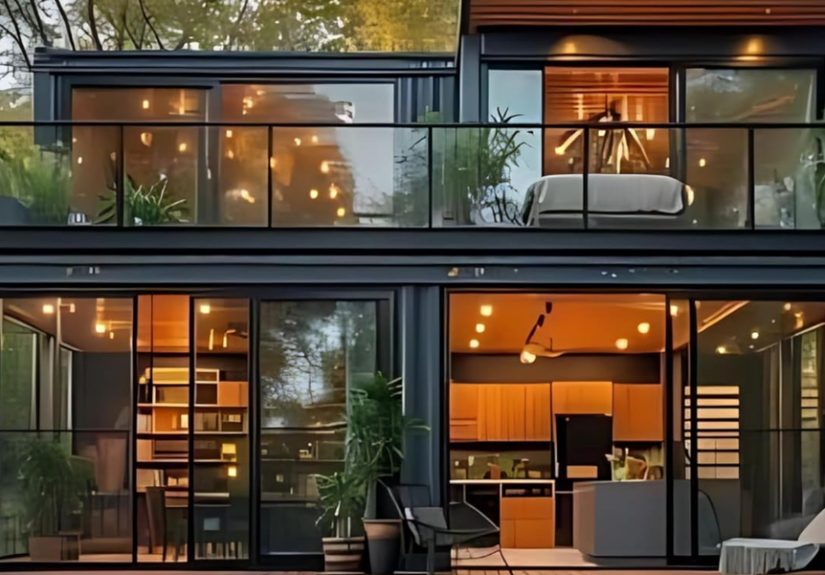
Amazon’s tiny-home universe has grown from quirky internet curiosity into a real shopping category filled with prefab cabins, expandable container homes, and surprisingly roomy two-story models. Some look like sleek modern villas. Others resemble cabin kits for adults who enjoy ambition, spreadsheets, and weekend power tools. And while calling any home “perfect” is a bold move, the current crop of two-story Amazon tiny homes gets unusually close to the dream: compact footprint, flexible layout, eye-catching design, and a price tag that looks far less terrifying than a traditional house.
That said, the magic is not just in the listing photos. The real appeal is that these homes sit at the crossroads of affordability, style, and possibility. They promise the kind of life many people want right now: less clutter, lower overhead, more control, and maybe a front porch where your coffee tastes suspiciously better because your mortgage isn’t trying to ruin your day.
Why This Two-Story Tiny Home Has Everyone Clicking “Save for Later”
What makes a two-story tiny home so compelling is simple: it solves one of the biggest problems with small-space living. Instead of trying to cram every function into one low, boxy level, a two-story design creates separation. That means sleeping upstairs, living downstairs, and not having your bed stare directly at your toaster all day. This is progress.
On Amazon, some of the most buzzworthy two-story options fall into two broad categories. The first is the expandable or container-style prefab home, often marketed as a modern, fast-install solution with prewired systems, flexible bedroom counts, and eye-catching extras like rooftop decks or sunrooms. The second is the cabin-kit approach: larger wood-based structures that feel more like a small traditional house and less like a clever shipping experiment.
That range matters because shoppers are not all looking for the same thing. One buyer wants a sleek backyard guesthouse. Another wants a full-time residence. Someone else wants a short-term rental that photographs beautifully and makes strangers on the internet type, “Where is this and why don’t I live there?” A well-designed two-story tiny home can serve all three goals.
What You Actually Get With an Amazon Two-Story Tiny Home
The most appealing listings tend to overdeliver on visual drama. Think floor-to-ceiling windows, sliding glass doors, compact but open living areas, upstairs sleeping space, and exterior features that make the home feel bigger than its footprint. Some models are marketed with multiple bedrooms and bathrooms, insulated walls, pre-installed wiring, and plumbing-ready systems. Others come as customizable shells that let buyers shape the interior around their own priorities.
That flexibility is one reason these homes are so attractive. A two-story design can become a primary residence for a solo owner, a retirement downsizing move, a backyard ADU for family, a remote-work studio with overnight guest space, or even a vacation rental with premium curb appeal. Tiny square footage becomes a lot less limiting when vertical space is doing some heavy lifting.
And then there is the emotional side of the product. A good two-story tiny home listing sells more than square footage. It sells a lifestyle fantasy: sunlight pouring through oversized windows, a minimalist kitchen that keeps you honest, an upstairs nook for reading, and a downstairs lounge that somehow says both “intentional living” and “I still own a very good blanket.”
The Design Advantage of Going Up Instead of Out
When small homes add a second floor, the layout starts to feel less compromised and more deliberate. That is a big deal. Instead of forcing every function into one room, the home gains rhythm. Public space stays below. Private space goes above. Even when the total square footage remains modest, the experience feels more like a home and less like an extremely well-organized suitcase.
This vertical layout also improves the exterior. Two-story tiny homes often have stronger proportions, more curb appeal, and more personality than flat, one-level units. They look less temporary. They look more architectural. And for many buyers, that matters just as much as the floor plan.
Why “Perfect” Is a Tempting WordAnd a Risky One
Let’s be honest: Amazon listings are very good at making things look effortless. A tiny home may be shown fully furnished, beautifully staged, and ready for a life of uncomplicated bliss. In reality, the word “perfect” only applies if the home works in your location, meets your local requirements, fits your budget beyond the sticker price, and matches how you actually live.
That is where smart buyers separate fantasy from function.
Before you fall in love with the lofted bedroom and the cute porch chairs, you need answers to a few unromantic questions. Is this a manufactured home, modular structure, kit cabin, or another kind of prefab building? Does it require a permanent foundation? Will your town allow it as a full-time residence or only as an accessory structure? Are the electrical and plumbing systems included, partially included, or merely prepared for later installation? Does the listed price include shipping, on-site assembly, permits, foundation work, utility hookups, and finishing materials?
Those details can transform a “cheap tiny home” into a much more expensive project. The home itself may be affordable compared with conventional housing, but the total installed cost is what really counts.
The Real-World Checklist Before You Buy
1. Know what kind of home you are buying
This sounds obvious, but it is not. A manufactured home, a modular home, a kit home, and a tiny house shell can all appear in the same online shopping session while following different rules. Some structures are built to federal standards. Others are governed by local or state codes. Some arrive mostly complete. Others require major on-site work.
2. Check zoning and building rules first
A two-story tiny home is not truly affordable if you have nowhere legal to place it. Local zoning, minimum size requirements, utility rules, egress requirements, and permit standards vary widely. What works in one county might be blocked in another. Tiny-house-friendly communities exist, but they are not universal, and assuming approval is a classic way to have a bad week.
3. Budget for the land and the “not-so-fun” costs
Foundation work, grading, permits, utility hookups, septic systems, delivery logistics, crane access, stairs, insulation upgrades, skirting, site prep, and contractor labor can all pile on fast. These are not exciting purchases. No one dreams about paying for trenching. But these costs determine whether your project is realistic.
4. Understand financing before you romanticize the floor plan
Financing tiny homes can be tricky. Many lenders prefer homes on permanent foundations, and small loan amounts do not always fit standard mortgage products. Some buyers pay cash. Others use personal loans, builder financing, home equity, or, in certain cases, manufactured-home loan programs. The lowest sticker price is not always the lowest long-term cost if the financing is expensive.
5. Read shipping, return, and warranty terms like an adult
This is the least glamorous part of the dream, but maybe the most important. Large online purchases come with delivery timelines, return limits, freight issues, and seller policies that deserve close attention. If a product page promises a schedule, that matters. If it does not, policy still matters. You should know exactly what happens if there is a delay, a defect, a missing part, or a disagreement about condition on arrival.
Who This Kind of Tiny Home Is Best For
The “perfect” Amazon two-story tiny home is not for everyone, but it can be a strong fit for several types of buyers.
It works well for backyard expansion. If you already own land and want space for guests, aging parents, adult kids, or a private office, a compact two-story prefab can offer far more usefulness than a one-room shed or basic studio.
It also appeals to short-term rental hosts. The market loves a memorable stay, and a stylish two-story tiny home photographs well, feels intentional, and can command attention in crowded rental markets when placed legally and designed thoughtfully.
It may suit downsizers and minimalist households. Buyers who want lower maintenance, fewer possessions, and a more efficient lifestyle often find that a tiny home forces better choices. Not always fun choices, but better ones.
And it can attract first-time alternative-home buyers. For people priced out of conventional housing, a prefab tiny home may feel like one of the only remaining ways to create ownership, flexibility, and personal space without signing up for a thirty-year panic attack.
What Makes the Best Listings Stand Out
The strongest Amazon tiny-home listings tend to share a few traits: clear layout plans, transparent materials information, realistic delivery details, and enough visual evidence to help buyers understand scale. Listings that show floor plans, installation expectations, customization options, and exact inclusions are far more useful than listings built entirely on beautiful renderings and optimism.
Buyers should also look for clues about durability and livability. Good insulation, weather resistance, window quality, structural materials, snow or wind claims that are clearly explained, and evidence of support after purchase all matter. Reviews can be helpful, but only when read with caution. A five-star comment about “loving the porch” is nice. A detailed review about assembly, support, and long-term performance is gold.
So, Is Amazon Really Selling the Perfect Two-Story Tiny Home?
In spirit, yes. In literal terms, not quiteand that is actually the better answer.
Amazon is selling something more interesting than a single “perfect” house. It is selling a new version of the American housing fantasy: smaller, faster, more flexible, more design-conscious, and far less tied to the idea that a dream home must be enormous to feel meaningful. That shift is why these two-story tiny homes are getting so much attention.
The perfect model is the one that fits your land, your local code, your climate, your budget, and your tolerance for assembly-related chaos. For some people, that will be a stylish steel-frame double-story prefab with a rooftop deck. For others, it will be a wood cabin kit with a porch, multiple bedrooms, and a more traditional feel. The point is not that one listing solves everything. The point is that buyers now have real, creative alternatives that once felt niche and now feel increasingly mainstream.
And maybe that is the most appealing part of all. These homes are not just small. They are strategic. They are a response to rising housing costs, changing family needs, remote work, and the growing appeal of living with less stuff and more intention. They are proof that “tiny” no longer has to mean cramped, plain, or temporary. Sometimes it just means smarter.
Experiences Related to “Amazon Is Selling the Perfect Two-Story Tiny Home”
The experience of buying a two-story tiny home from Amazon is part excitement, part research marathon, and part reality check. At first, it feels almost ridiculous in the best possible way. You are scrolling through everyday items, maybe looking for storage bins or a coffee grinder, and suddenly there it is: a modern two-story house with giant windows, a staircase, and enough charm to make you question every rent payment you have ever made. The emotional appeal is instant. It feels accessible, futuristic, and oddly empowering.
Then the second phase kicks in: the planning brain. Buyers start imagining where the home could go, how the upstairs could become a bedroom or studio, and whether the downstairs could handle daily life without feeling cramped. This is usually when the tiny home stops being a novelty and starts becoming a real project. You begin measuring land, reading county rules, pricing utility connections, and realizing that the phrase “some assembly required” becomes much funnier when the item is a house.
There is also a very specific thrill in seeing how efficiently these homes use space. A well-designed two-story tiny home feels like it was created by someone who refuses to waste a single inch. Stairs can double as storage. Windows pull in light that makes the rooms feel larger. The upper floor offers separation and privacy that a one-level tiny home often cannot. Even people who are skeptical at first tend to understand the appeal once they see how vertical space changes the experience. It feels less like camping and more like compact living with dignity.
For many shoppers, the biggest emotional shift happens when they realize the dream is possiblebut not automatic. The home itself may be available with a few clicks, but the full experience includes talking to contractors, checking permit rules, planning site access, and deciding whether the purchase is for full-time living, guests, family use, or rental income. That can be overwhelming, but it can also be energizing. A traditional home purchase often feels locked inside a rigid system. A tiny home project feels more hands-on, more creative, and more personal.
Living in a two-story tiny home, or even just seriously planning for one, tends to sharpen your thinking. You become more honest about what you need. Do you really need a formal dining room, or do you need one good table near a sunny window? Do you need five different junk drawers, or would one excellent storage wall do the job? Tiny-home culture has a way of exposing how much of modern housing is habit rather than necessity.
That is why the experience resonates with so many people. It is not only about buying a prefab house online. It is about the feeling that homeownership, flexibility, and good design might still be within reach. The perfect two-story tiny home is not perfect because it is flawless. It is perfect because it represents freedom in a compact, modern, deeply intriguing formand for a lot of buyers right now, that is more than enough reason to keep dreaming.
Note: This article is written for web publication in clean HTML and excludes publishing artifacts or source-link placeholders.