Table of Contents >> Show >> Hide
- The Roman and Williams Design Point of View
- Why Bath Accessories Matter More Than People Think
- The Ace Hotel Influence: Industrial Bath Accessories with Soul
- From Rough Utility to Refined Precision: The R.W. Atlas Bath Language
- Signature Features of Roman and Williams Bath Accessories
- How to Use Roman and Williams-Inspired Accessories in Your Own Bathroom
- Bath Accessories as Mood Makers
- Are Roman and Williams Accessories Worth the Attention?
- Experience Section: Living with the Roman and Williams Bath Mood
- Conclusion
If most bathrooms are treated like purely practical spaces, Roman and Williams has long argued the oppositewithout actually standing on a soapbox in a claw-foot tub. The New York design duo, Robin Standefer and Stephen Alesch, built their reputation on rooms that feel cinematic, tactile, and gloriously alive. Their bath accessories follow the same philosophy. A towel bar is not just a rod. A hook is not just a hook. A shelf is not just a shelf. In the Roman and Williams universe, even the smallest bath details are allowed to have posture, personality, and a little bit of swagger.
That is exactly why Roman and Williams bath accessories continue to fascinate designers, homeowners, and anyone who has ever stared at a builder-grade toilet paper holder and thought, “Well, this is emotionally unhelpful.” From the industrial pieces created for the Ace Hotel bath to the more refined yet still muscular R.W. Atlas collection made with Waterworks, the brand’s bathroom approach blends utility, craftsmanship, and atmosphere in a way that feels deeply intentional rather than simply decorative.
This article explores what makes Roman and Williams accessories so compelling in the bath, how their design language works, what materials and forms define the look, and how you can borrow the spirit of it all without needing a celebrity budget or a museum curator on speed dial.
The Roman and Williams Design Point of View
Before talking about robe hooks and metal shelves, it helps to understand the broader Roman and Williams aesthetic. Their work has always sat in that delicious middle zone between refinement and rebellion. It is polished, but never too polished. Historic, but not dusty. Handmade, but never precious. Their store, Roman and Williams Guild in SoHo, helped make that vision tangible for the public by presenting furniture, lighting, linens, objects, antiques, and artisan-made pieces in a setting that feels less like a retail space and more like a beautifully moody fever dream with excellent taste.
That atmosphere matters because it explains why their bathroom accessories never read as isolated products. They feel like part of a world. Roman and Williams is obsessed with materials that age well, surfaces that reveal the hand of the maker, and objects that become more beautiful through use. They do not chase trendiness. They chase presence. In bathroom design, that is a powerful distinction. The best bath hardware should disappear when you need calm and stand out when you need character. Roman and Williams somehow manages both.
Why Bath Accessories Matter More Than People Think
Bathroom design often gets divided into “big stuff” and “little stuff.” The tub, vanity, tile, and shower get the glory. The accessories show up later like underpaid interns expected to save the day with a clipboard and a smile. Roman and Williams flips that logic. Accessories are the punctuation marks of the room. They determine whether the bath feels generic, luxurious, industrial, romantic, or quietly dramatic.
A thoughtfully chosen bath accessory collection can make a simple room feel custom. It can introduce texture where the palette is restrained. It can echo the sink fittings, reinforce a material story, and add the kind of subtle visual rhythm that makes a space feel professionally designed. Roman and Williams understands that the daily ritual of reaching for a towel, turning on a faucet, or setting down a glass should feel intuitive and satisfying. Beauty lives in repetition. So does bad design. Choose wisely.
The Ace Hotel Influence: Industrial Bath Accessories with Soul
One of the most memorable early examples of Roman and Williams bathroom accessories came through the Ace Hotel in New York. Those pieces drew attention because they used humble hardware parts in a way that felt inventive rather than improvised. Towel bars, hooks, toilet roll holders, and caddies were created from powder-coated plumbing pipe and industrial components, giving the bath an honest, workshop-like spirit. It was utilitarian, yes, but it was also stylish in that maddening way that makes you wonder why your own bathroom can’t look this cool with the same basic ingredients.
The brilliance of that approach was its refusal to separate luxury from rawness. Roman and Williams made industrial bathroom accessories feel warm, intelligent, and tactile. The forms were simple, but the effect was rich. Instead of over-designing the room, they let the utility speak. That is still one of the most useful lessons from their bath work: restraint creates confidence. When the proportions are good and the materials have integrity, you do not need a lot of fuss.
What made the Ace-style bath accessories work?
First, they looked real. Not faux-industrial. Not farmhouse-by-algorithm. Real metal, real hardware logic, real weight. Second, they created visual continuity. The same language appeared across multiple touchpoints in the bath, so the room felt composed rather than random. Third, they supported the larger mood of the space. Roman and Williams did not treat accessories like decoration sprinkled on top. They made them part of the architecture.
From Rough Utility to Refined Precision: The R.W. Atlas Bath Language
If the Ace Hotel accessories showed Roman and Williams at their scrappier, more improvised best, the R.W. Atlas collaboration with Waterworks showed how that same sensibility could evolve into a more polished luxury bath system without losing its backbone. The collection includes fittings, hardware, mirrors, washstands, shelves, lighting, and accessories. What ties it together is the balance of bold scale and precise detail.
The look is often described as industrial-inspired, but that phrase alone does not do it justice. R.W. Atlas has references to old machinery, fire engine valves, camera lenses, and early mechanical design, yet it never feels costume-y. It feels edited. Knurled detailing, coin edges, solid brass, hand-finished surfaces, and opalescent glass give the pieces heft and texture. These are bathroom accessories that know how to hold a line. They are assertive without shouting.
That is important in a modern bath, where many rooms lean either too clinical or too ornate. Roman and Williams offers a third path: tactile sophistication. A robe hook gets sculptural knurling. A metal shelf feels sturdy enough to survive a century. A lavatory faucet has the kind of physical presence that makes even handwashing feel a little more glamorous. No fireworks. No gimmicks. Just beautifully resolved design.
Signature Features of Roman and Williams Bath Accessories
1. Honest materials
Roman and Williams consistently favors materials that age with dignity: brass, bronze, glass, ceramic, linen, wood, and metals with visible depth. In the bath, this creates warmth. Instead of a room full of slick surfaces that repel personality, you get materials that gather character over time. A little patina is welcomed, not treated like a crime scene.
2. Tactility over gloss
Even when the finish is refined, the overall effect is tactile. Knurled posts, cast forms, textured surfaces, and hand-blown glass all make the room feel more human. This is a big reason Roman and Williams accessories photograph beautifully and live even better. They invite touch. In a bathroom, that matters more than people admit.
3. Strong silhouettes
Roman and Williams pieces are rarely flimsy or visually timid. Their towel bars, hooks, shelves, and fittings tend to have weighty profiles and clear lines. That works especially well in bathrooms because these rooms often rely on a few repeated forms. Strong silhouettes help create order.
4. A balance of old and new
The duo is famous for mixing vintage references with contemporary clarity. Their bath accessories can feel historical, industrial, and modern at the same time. That layered quality keeps a bathroom from feeling locked into one trend cycle. It also means the accessories can work with a wide range of spaces, from a loft-style powder room to a more tailored traditional bath.
5. Everyday ritual elevated
This may be the secret ingredient. Roman and Williams does not design for Instagram alone. The goal is to make ordinary actshanging a towel, placing a candle, washing your hands, reaching for soapfeel a touch more ceremonial. Their accessories support routine, but they also honor it.
How to Use Roman and Williams-Inspired Accessories in Your Own Bathroom
You do not need to copy a showroom or order every piece in a luxury collection to capture the essence of Roman and Williams bath design. In fact, that would miss the point. The brand’s appeal comes from curation, not clutter. Here are the principles worth borrowing.
Start with the hardware
If you want the bathroom to feel more elevated, begin with the workhorse items: towel bars, robe hooks, toilet paper holders, and shelves. Choose pieces with visible substance and a finish that feels rich rather than flashy. Unlacquered brass, burnished nickel, dark bronze, and matte black all work well when the form is simple and the quality is obvious.
Let one accessory act as the hero
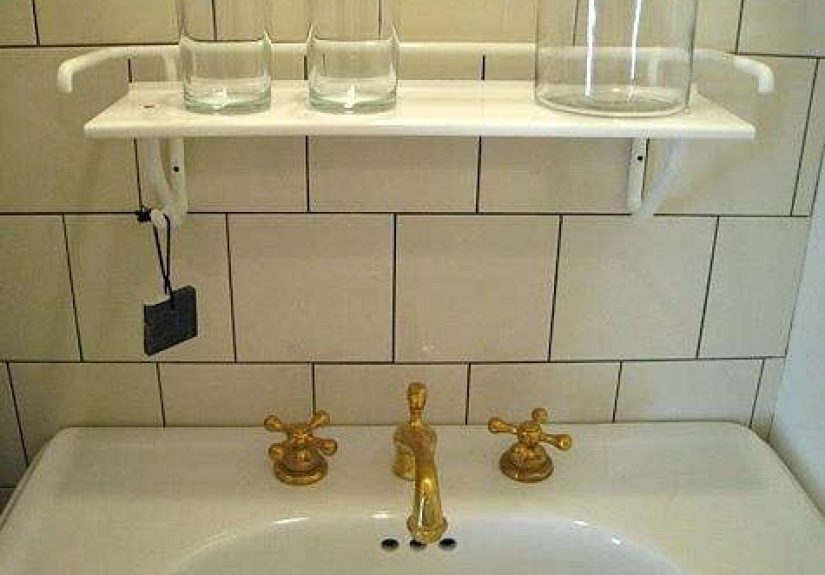
In a Roman and Williams-inspired bath, a mirror, a shelf, or a sconce can anchor the room. You do not need five stars auditioning at once. A beautifully proportioned metal shelf over the vanity, a dramatic sconce with opalescent glass, or a thoughtfully designed hook set can do more than an army of tiny decorative objects.
Mix rough and refined
This is where the magic happens. Pair elegant stone or marble with industrial-style hardware. Use a handmade ceramic tray beside a structured brass fitting. Add a linen hand towel near a metal shelf. The tension between softness and structure gives the bathroom depth.
Use objects that feel collected
Roman and Williams has always celebrated artisan work and found objects. In a bathroom, that could mean a hand-thrown ceramic vessel for cotton balls, a sculptural bud vase, a candleholder with architectural shape, or a tray that looks as though it came from a fascinating little shop you discovered while avoiding email. The room should feel inhabited, not staged.
Do not over-style the counter
One of the easiest ways to lose the look is by piling on too many “pretty” things. Roman and Williams rooms have personality, but they also have restraint. Keep the vanity edited. Let the materials and forms carry the mood. Your toothpaste does not need an audience.
Bath Accessories as Mood Makers
What sets Roman and Williams apart is not just the look of their accessories, but the feeling they help create. Their best interiors are immersive. They understand that design is sensory. In a bathroom, that means the cold touch of metal should feel satisfying, not sterile. The glow from a sconce should flatter the room, not interrogate it. A shelf should hold everyday objects while still contributing to the room’s composition. Even a small bud vase or candleholder can make the bath feel less like a utility room and more like a private retreat.
That emotional quality is why the brand resonates so strongly. Plenty of companies sell bathroom hardware. Fewer sell atmosphere. Roman and Williams has built an entire design language around atmosphere, and bath accessories are one of its most underappreciated expressions.
Are Roman and Williams Accessories Worth the Attention?
Yesespecially if you care about design that lasts beyond a trend report. The appeal of Roman and Williams accessories for the bathroom is not that they are loud or instantly recognizable. It is that they feel resolved. They combine utility with artistry, and they treat the bath as a room worthy of the same thought as the living room, bedroom, or dining space.
In a design culture that often confuses novelty with originality, Roman and Williams continues to make a more persuasive case for depth, material intelligence, and timeless character. Their bath accessories prove that the smallest objects in a room can do serious heavy lifting. Literally, in the case of a shelf. Spiritually, in the case of everything else.
Experience Section: Living with the Roman and Williams Bath Mood
Imagine waking up early on a gray Saturday, the kind of morning that begs for coffee, quiet, and exactly zero notifications. You step into a bathroom shaped by the Roman and Williams mindset. Not a showroom copy, but a room that borrows its spirit: a sturdy brass hook holding a thick linen robe, a metal shelf with just enough heft to look permanent, a softly glowing sconce that makes the room feel awake before you are.
That first impression is what these accessories do best. They change the emotional temperature of the room. The bath feels grounded. Not flashy. Not overly polished. Just deeply considered. The towel bar has weight when you reach for it. The shelf does not feel like it was added as an afterthought. The soap dish is handmade and slightly irregular, which somehow makes the whole room seem more alive. Suddenly, brushing your teeth feels less like maintenance and more like participation in a space that actually deserves your attention.
There is also something wonderfully cinematic about a Roman and Williams-inspired bathroom. Maybe that comes from the founders’ background in creating worlds, or maybe it comes from their understanding that good design is about sequence. The candle by the tub, the rough ceramic cup, the shadow cast by the sconce, the way the metal develops depth as the day changesnone of it feels accidental. The room knows how to tell a story without ever becoming theatrical.
And that story gets better through use. This is not a bathroom designed for a single photo taken before real people show up. It is a bathroom that improves when the robe is slightly rumpled, when the hand towel softens, when the brass collects patina, when the shelf gains a favorite candle, a tiny vase, or a book someone swore they would only read in the tub and then absolutely did. The room starts to absorb life. Roman and Williams has always understood that perfection is less interesting than character.
Guests notice it too, even if they cannot explain why. They may comment on the hook, the mirror, or the lighting. More often, they just say the bathroom feels good. That vague compliment is actually the highest one. It means the design is working on the level it should: not as a checklist of expensive parts, but as an experience. The room feels calm, tactile, and memorable. It feels like somebody cared.
That is the real lesson of Roman and Williams bath accessories. They are not about turning a bathroom into a museum piece. They are about making daily rituals feel richer. Hanging up a towel becomes a satisfying gesture. Washing your face at night feels less like surrender to exhaustion and more like a reset. Lighting a candle near a textured vase and a metal shelf somehow turns five ordinary minutes into a small ceremony. No grand speech required. Just good design doing what it does best: quietly improving life.
So if you are drawn to this look, do not think only in terms of products. Think in terms of mood, material, and memory. Choose accessories that feel strong, honest, and beautifully made. Let them age. Let them live with you. And let your bathroom be more than a room that contains plumbing. With the right pieces, it can become one of the most soulful spaces in the house.
Conclusion
Bath: Roman and Williams Accessories is ultimately a lesson in how thoughtful design transforms ordinary routines. From the industrial charm of the Ace Hotel bath pieces to the tactile luxury of the R.W. Atlas collection, Roman and Williams shows that bathroom accessories are not minor details at all. They are the touchpoints that define how a room looks, feels, and functions every single day. Choose pieces with integrity, mix refinement with utility, and your bathroom can become less of a pit stop and more of a sanctuary with excellent taste.