Table of Contents >> Show >> Hide
- What Is Belgian Bluestone?
- What Does “Honed” Mean?
- Why Belgian Bluestone Slabs Stand Out
- Best Uses for a Belgian Bluestone Honed Limestone Stone Slab
- Pros of Belgian Bluestone Honed Limestone Stone Slab
- Potential Drawbacks You Should Know Before Buying
- How to Choose the Right Slab
- Care and Maintenance Tips
- Belgian Bluestone vs. Other Popular Stones
- Who Should Choose Belgian Bluestone Honed Limestone Stone Slab?
- Real-World Experience: What It Is Actually Like to Live With Belgian Bluestone
- Conclusion
If you have ever looked at a stone slab and thought, “Well, that one clearly has a better passport than the others,” you were probably staring at Belgian bluestone. This material has a quietly dramatic look that designers love and homeowners tend to obsess over in a very grown-up, slightly expensive-sounding way. It is moody without being gloomy, refined without acting like it is too good for muddy shoes, and classic without feeling stuck in a historical reenactment.
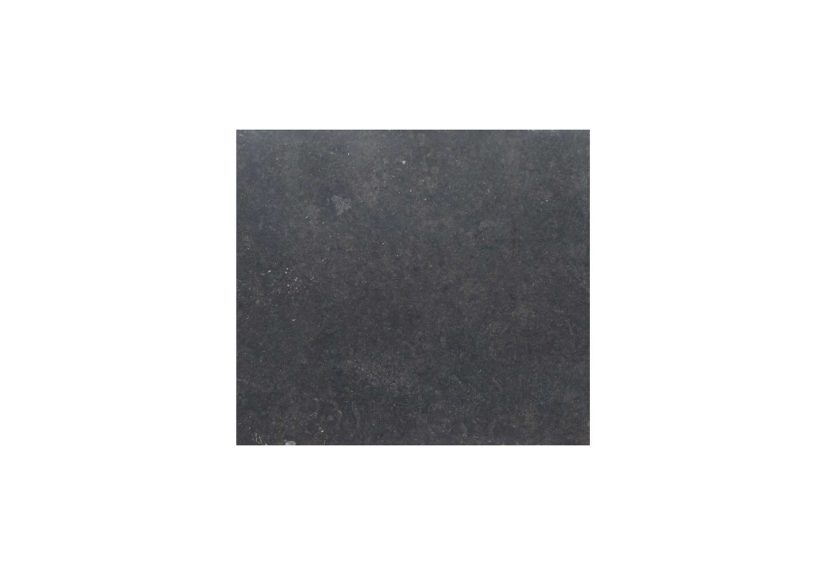
Belgian bluestone honed limestone stone slab is a natural limestone known for its smoky blue-gray to charcoal tone, subtle fossil markings, and matte finish. It works beautifully in kitchens, bathrooms, mudrooms, fireplace surrounds, bar tops, and certain exterior applications where the goal is timeless texture instead of glossy perfection. In other words, it is the kind of stone that does not shout for attention. It just stands there looking confident while everything around it tries harder.
This guide explains what Belgian bluestone is, why the honed finish matters, where this slab works best, what homeowners should know before buying, how to care for it properly, and what living with it is really like over time. If you want a natural stone that feels elegant, architectural, and just a little bit old-world in the best possible way, keep reading.
What Is Belgian Bluestone?
Despite the name, Belgian bluestone is not the same thing as the bluestone many Americans associate with rustic patios or sandstone pavers. Belgian bluestone is a limestone quarried in Belgium. Its charm comes from a dense, fine-grained structure, a rich gray-blue or smoky indigo cast, and tiny fossil speckles that give the surface a naturally aged character. Those fossil details are part of the appeal. They make the slab feel authentic, layered, and impossible to fake convincingly.
In slab form, Belgian bluestone is commonly selected for countertops, vanity tops, fireplace facings, window sills, and custom architectural details. In tile form, it is often used on floors, walls, backsplashes, and even outdoor settings, depending on the finish and installation method. The slab version, however, is where the stone really gets to show off. Larger pieces allow the color variation and fossil patterning to read clearly, which gives a space more visual depth and a calmer, more seamless look.
Designers often gravitate toward Belgian bluestone because it sits in that rare sweet spot between rustic and tailored. It can look stunning in a sleek modern kitchen, but it also belongs in a farmhouse, a classic colonial, a minimalist bath, or a cozy mudroom that regularly sees boots, pets, and a level of chaos no polished marble should have to endure.
What Does “Honed” Mean?
The word honed matters here. A honed limestone stone slab has a smooth, matte or low-sheen surface rather than a glossy reflective finish. That one detail changes the mood of the stone dramatically.
Polished surfaces tend to feel brighter, more formal, and more reflective. Honed stone feels softer, quieter, and more architectural. It absorbs light instead of bouncing it around the room. On Belgian bluestone, that matte finish deepens the moody color and highlights the natural fossils without making the slab look flashy. The result is elegant, but not precious.
There is also a practical side to the honed finish. Because it is less shiny, it tends to disguise small scratches, mild wear, and day-to-day life a little better than a highly polished surface. For many homeowners, that makes honed Belgian bluestone more realistic for busy households. It still needs care, because limestone is limestone and not a superhero, but it wears in a forgiving, lived-in way that many people actually prefer.
Why Belgian Bluestone Slabs Stand Out
1. The color feels sophisticated without being cold
Belgian bluestone has a layered blue-gray tone that can shift depending on the lighting. In morning light, it may read as soft charcoal. In warmer evening light, it can lean smoky navy or deep graphite. That color range gives it more personality than a flat black stone while still working as a neutral.
2. The fossils add character
Many slabs feature tiny marine fossil markings and mineral movement that create a subtle, naturally speckled appearance. This is not loud veining or dramatic marbling. It is quieter than that. Think of it as stone with a memory.
3. It plays well with many design styles
Belgian bluestone pairs beautifully with white oak, walnut, painted cabinetry, unlacquered brass, black steel, aged bronze, and limewashed plaster. It also looks fantastic next to creamy walls, terracotta floors, and old brick. It is one of those rare materials that can make a new build feel more established or help a historic home feel freshly edited.
4. It ages gracefully
Some stones look best on installation day and spend the rest of their lives trying to recover. Belgian bluestone is different. With proper care, it develops patina and depth over time. For homeowners who like materials that look more interesting after a few years rather than clinically untouched, that is a real advantage.
Best Uses for a Belgian Bluestone Honed Limestone Stone Slab
Kitchen countertops
A Belgian bluestone slab can make a kitchen feel grounded, custom, and instantly more polished without the shine of polished stone. It works especially well in kitchens with warm wood cabinets, painted island bases, or vintage-inspired details. That said, it is usually best for homeowners who understand natural stone and can live with minor signs of use. If your cooking style involves constant lemon squeezing, vinegar splashing, and tomato sauce acrobatics, you will want to be realistic about maintenance.
Bathroom vanities
This is one of the smartest places to use Belgian bluestone. The honed finish looks luxurious, the color adds contrast without harshness, and the daily wear is often gentler than in a busy kitchen. On a vanity, the stone feels rich, tailored, and spa-like without tipping into hotel-lobby drama.
Fireplace surrounds and hearths
Belgian bluestone and fireplaces are an excellent match. The slab format gives a fireplace a monolithic, architectural quality, and the dark tone creates a beautiful focal point in both traditional and modern rooms. It can feel clean-lined and contemporary or deeply old-world depending on the profile and setting.
Mudrooms and laundry rooms
Because the honed surface hides visual noise better than a high-gloss finish, Belgian bluestone is a strong candidate for hardworking utility spaces. It adds a premium feel to rooms that are usually treated as design afterthoughts. Your laundry room may still be full of unmatched socks, but at least the countertop will look fantastic.
Outdoor kitchens, facings, and select exterior details
Some suppliers market Belgian bluestone for exterior use, especially in finishes or specifications suited to outdoor conditions. This can be a beautiful choice for facings, landscape accents, and outdoor kitchen areas. The look outdoors is exceptional: earthy, elegant, and perfectly at home next to brick, wood, and greenery. Exterior performance depends on finish, climate, thickness, fabrication, and installation, so it is important to confirm the exact product specification before committing.
Pros of Belgian Bluestone Honed Limestone Stone Slab
- Timeless appearance: It feels classic rather than trendy, which helps it age well stylistically.
- Matte elegance: The honed finish gives the slab a soft, understated luxury.
- Natural character: Fossil markings and tonal shifts make each slab unique.
- Versatile design appeal: It works with modern, traditional, farmhouse, and European-inspired interiors.
- Better visual forgiveness: Honed stone often hides minor wear better than high-gloss surfaces.
- Architectural feel: Large slabs create a clean, custom, substantial look.
Potential Drawbacks You Should Know Before Buying
It is limestone, so it is not carefree
This is the big one. Belgian bluestone is beautiful, but it is still a calcite-rich limestone. That means it can be more porous and more sensitive than tougher stones like granite or some quartzites. Acids can etch the surface, and spills left sitting can increase the chance of staining. If you want a countertop that forgives absolutely everything, this may not be your best match.
Sealing is part of the relationship
Natural stone care is not complicated, but it does require follow-through. Belgian bluestone should be sealed appropriately, and the surface should be cleaned with pH-neutral stone-safe products rather than harsh or acidic cleaners. Think of it less as “high maintenance” and more as “please stop attacking me with vinegar spray.”
Variation is guaranteed
For most people, this is a benefit. For a few, it is a problem. Because Belgian bluestone is natural, slabs vary in tone, fossil distribution, and movement. If you want perfect uniformity, a man-made surface may suit you better. If you want character, this stone delivers it in abundance.
How to Choose the Right Slab
Look at full slabs, not just samples
A tiny sample can hint at the color, but it cannot tell the full story of the fossil pattern, tonal shifts, or overall movement. Full slabs show the stone’s personality. And yes, stone has personality. Anyone who has chosen between two slabs knows this already.
Check thickness and application
Slabs are commonly available in thicknesses used for countertops and architectural applications, often around 2 cm or 3 cm depending on the supplier. The right thickness depends on your project, desired edge profile, weight considerations, and installation details.
Ask about finish and location suitability
Not every finish performs the same way in every setting. Confirm whether your selected Belgian bluestone is intended for interior countertops, wet areas, or exterior applications. This is especially important for outdoor installations and freeze-thaw climates.
Review edge profiles carefully
A simple eased edge keeps the look minimal and contemporary. A thicker mitered edge can make the stone feel more substantial. A classic profile can give the slab an old-house sensibility. Small details matter here because Belgian bluestone is subtle. It rewards thoughtful design.
Care and Maintenance Tips
If you treat Belgian bluestone like a refined natural material instead of a workshop table, it can age beautifully.
- Seal the slab with a stone-appropriate impregnating sealer as recommended by your fabricator or supplier.
- Use pH-neutral, stone-safe cleaners for routine care.
- Wipe acidic spills like lemon juice, vinegar, wine, and tomato sauce promptly.
- Avoid abrasive scrubbers and harsh chemicals.
- Use cutting boards, trivets, and trays in hardworking kitchen zones.
- Expect some patina over time and view it as part of the material’s charm, not a personal insult.
One of the smartest mindset shifts with honed limestone is understanding that perfection is not the goal. Belgian bluestone is best when appreciated like leather, wood, or unlacquered brass. A little evolution is part of the beauty.
Belgian Bluestone vs. Other Popular Stones
Vs. marble
Both can be elegant and both require care, but Belgian bluestone generally offers a moodier, earthier, more grounded look. Marble usually reads brighter and more formal. Belgian bluestone feels quieter and more architectural.
Vs. granite
Granite usually wins on pure toughness and stain resistance. Belgian bluestone wins when the goal is a softer matte finish and a more nuanced old-world appearance. If durability is the only priority, granite may be easier. If atmosphere matters more, Belgian bluestone can be far more compelling.
Vs. quartz
Quartz is lower maintenance and more uniform. Belgian bluestone is more natural, more varied, and often more soulful. Quartz is practical. Belgian bluestone is practical enough, but also dramatically better at making a room feel designed.
Who Should Choose Belgian Bluestone Honed Limestone Stone Slab?
This stone is ideal for homeowners, designers, and builders who want a premium natural material with real depth and historic character. It is a smart fit for people who love matte surfaces, appreciate subtle variation, and understand that living materials change over time.
It is especially well suited for:
- European-inspired kitchens
- Moody powder rooms and elegant bathrooms
- Fireplace surrounds with custom millwork
- Mudrooms that need to look beautiful while doing hard work
- Homes that balance old-world texture with modern lines
If you want a sterile, perfect-looking surface forever, this is probably not your stone. If you want a surface with depth, history, texture, and a bit of soul, Belgian bluestone makes an excellent case for itself.
Real-World Experience: What It Is Actually Like to Live With Belgian Bluestone
Here is the part most spec sheets skip. Belgian bluestone honed limestone stone slab is one of those materials that tends to impress people more after it is installed than when they first see a small sample. A sample can look dark, handsome, and a little mysterious, but a full countertop, vanity, or hearth shows the real magic. The stone starts interacting with light, cabinetry, paint colors, metal finishes, and daily life. That is when it stops being “just a slab” and becomes part of the atmosphere of the house.
In kitchens, the most common experience homeowners describe is that Belgian bluestone makes the room feel calmer. A polished surface can bounce light everywhere and sometimes compete with everything around it. Honed Belgian bluestone does the opposite. It settles the space down. White cabinets look warmer next to it. Wood cabinets look richer. Brass feels more lived-in. Even simple subway tile suddenly seems more intentional. The stone has a grounding effect that is hard to explain until you see it in place.
Another real-world observation is that the slab tends to look different throughout the day, and that is a good thing. In bright natural light, you notice the gray and blue undertones. In lower evening light, the stone can read almost charcoal with tiny fossil flecks catching your eye when you get close. That shifting character keeps the material interesting. It does not feel flat or one-note.
Homeowners also quickly learn that Belgian bluestone rewards a relaxed attitude. If you are the sort of person who examines every square inch of a countertop like a detective at a crime scene, natural limestone may test your patience. But if you understand that stone develops a gentle lived-in look, you may end up loving it more after a year than you did on day one. Small signs of use usually blend into the matte surface rather than screaming for attention. The overall impression remains refined, not worn out.
On bathroom vanities, the experience is often even easier. People love the contrast it brings to lighter tile, plaster walls, and painted cabinetry. It feels custom and expensive without trying too hard. In mudrooms and laundry rooms, it gives hardworking spaces a level of design credibility they rarely get. Suddenly the room for boots, baskets, and detergent has the mood of a boutique hotel. That is a strong upgrade for a place normally associated with wet umbrellas and rogue socks.
Fireplaces may be where Belgian bluestone feels most naturally at home. Installed as a slab surround or hearth, it creates an instant sense of permanence. The room feels anchored. Even a newly built house can gain a little historical gravity from it. Designers love that effect because it makes a space feel collected instead of freshly assembled from boxes.
The final experience worth mentioning is emotional rather than practical. Belgian bluestone often becomes the material people talk about most in a finished room. Not because it is loud, but because it is memorable. It has texture, depth, and quiet confidence. It does not need spotlighting. It earns second glances on its own. And in a world full of surfaces trying very hard to look perfect, that kind of understated beauty feels refreshingly human.
Conclusion
Belgian bluestone honed limestone stone slab is a standout natural material for anyone who wants depth, texture, and timeless design value. Its smoky blue-gray color, fossil-speckled surface, and matte finish make it feel sophisticated without becoming flashy. It can elevate kitchens, bathrooms, fireplaces, mudrooms, and selected exterior areas with a look that is both grounded and elegant.
It is not maintenance-free, and that is important to understand. As a limestone, it benefits from sealing, gentle cleaning, and realistic expectations about patina. But for homeowners who appreciate natural materials that age with grace rather than artificial perfection, Belgian bluestone offers something many surfaces cannot: genuine character.
If your goal is a slab that feels classic, architectural, and quietly luxurious, Belgian bluestone deserves a serious look. It may not be the loudest stone in the showroom, but it is often the one people remember after everything else has stopped trying so hard.