Table of Contents >> Show >> Hide
- Why Renters Need a Different Kind of Security System
- What Makes a Home Security System Renter-Friendly?
- Best Home Security Systems for Renters
- 1. SimpliSafe: Best Overall for Most Renters
- 2. Ring Alarm: Best for Budget-Conscious Renters and Alexa Homes
- 3. Abode: Best for Apple HomeKit and Smart-Home Nerds
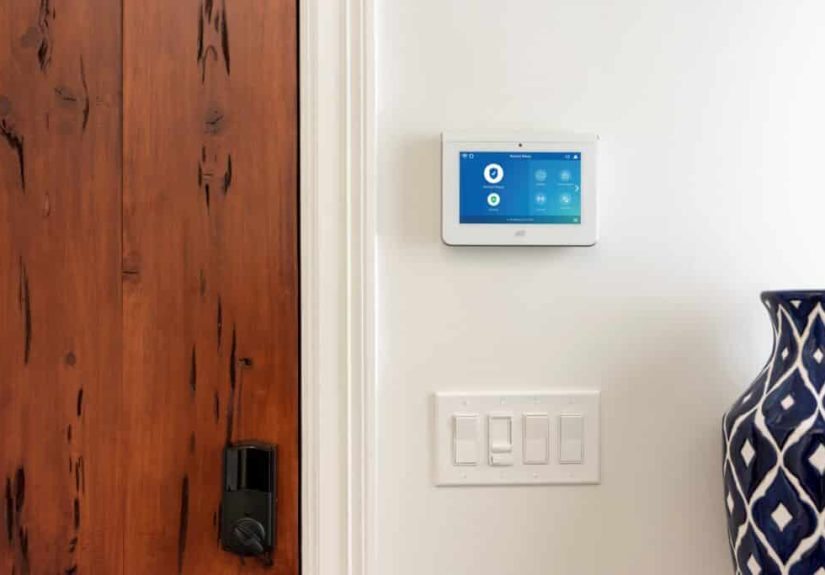
- 4. ADT Self Setup: Best for Renters Who Want Premium Monitoring
- 5. Cove: Best for Affordable Professionally Monitored Security
- 6. eufy: Best for Renters Who Want No Monthly Fees
- How to Choose the Right Security System for Your Rental
- Best Setup Ideas for Different Types of Renters
- Common Renter Security Mistakes to Avoid
- Renter Experiences: What Living With These Systems Is Actually Like
- Final Verdict
- SEO Tags
Renting comes with a special kind of chaos. You want to feel safe, but you also do not want to lose your deposit because your security setup looked like a home-improvement reality show gone wrong. That is why the best home security systems for renters are not just “good security systems.” They are portable, wireless, easy to install, easy to remove, and flexible enough to survive your next move without turning into an expensive box of regret.
The good news is that renters now have better options than the old-school alarm systems that demanded drilling, wiring, contracts, and the patience of a saint. Today’s renter-friendly systems lean heavily on peel-and-stick sensors, app control, optional professional monitoring, and simple starter kits that can protect a studio apartment, a townhouse, or a rental house without making your landlord break into hives.
In this guide, we will break down the best home security systems for renters, who each one is best for, what features actually matter, and which setup mistakes to avoid. Because “secure and lease-friendly” is the dream. “Secure but now I owe for drywall repair” is not.
Why Renters Need a Different Kind of Security System
Home security for renters is not the same as home security for long-term homeowners. A renter usually needs something that can be installed fast, removed cleanly, packed easily, and adjusted when the next move inevitably appears with two weeks’ notice and a suspiciously tiny elevator.
That changes the shopping priorities. Renters tend to care less about hardwired equipment and permanent infrastructure, and more about wireless sensors, app alerts, flexible monitoring, and whether the system can move with them. The best apartment security system is often the one that does its job quietly, does not bully your walls, and does not trap you in a long contract.
In plain English, the best renter-friendly security systems solve three problems at once: they protect your space, respect your lease, and keep your life simple.
What Makes a Home Security System Renter-Friendly?
Before we get into the picks, it helps to know what separates a great system for renters from a system that is technically good but practically annoying.
1. Easy DIY Installation
Renters should prioritize wireless, self-install systems with peel-and-stick sensors. If the setup requires a power drill, wall fishing, or a contractor named Rick who says, “This will only take all day,” it is probably not your best match.
2. No Long-Term Contract
A good no-contract home security system gives you breathing room. You can self-monitor, add professional monitoring for a busy month, or cancel when you move without entering a dramatic breakup arc with customer service.
3. Portability
The best systems for renters are not married to the property. They should be easy to take down, pack up, and reinstall at the next place. Think “carry-on luggage energy,” not “call an electrician.”
4. Flexible Cameras and Sensors
Not every renter needs the same setup. A studio apartment may only need a base station, keypad, motion sensor, and a couple of entry sensors. A renter in a townhome or rental house may want an indoor camera, video doorbell, glass-break detection, or environmental sensors for smoke, flood, or freeze alerts.
5. Smart-Home Compatibility
If you already live in the worlds of Alexa, Google Home, or Apple HomeKit, compatibility matters. The more naturally your security system fits into your tech habits, the more likely you are to actually use it instead of treating the app like a gym membership.
Best Home Security Systems for Renters
| System | Best For | Why Renters Like It | Possible Drawback |
|---|---|---|---|
| SimpliSafe | Most renters overall | Easy setup, portable gear, flexible monitoring | Add-ons can raise the final cost |
| Ring Alarm | Budget-minded Alexa households | Affordable kits, simple app, strong camera ecosystem | Best experience often grows with subscriptions |
| Abode | Apple users and automation fans | No contract, HomeKit support, strong smart-home angle | Less ideal if you want the simplest plug-and-play experience |
| ADT Self Setup | Renters wanting premium monitoring | DIY install plus ADT ecosystem and Google Nest support | Better for people willing to pay for a more premium path |
| Cove | Affordable monitored protection | No contract, easy setup, monitoring-first value | Not the flashiest for smart-home tinkerers |
| eufy | No-monthly-fee shoppers | Local storage, DIY equipment, low ongoing cost | Best for self-directed users rather than traditional alarm service lovers |
1. SimpliSafe: Best Overall for Most Renters
If you want the safest answer for the largest number of renters, SimpliSafe is the easy pick. It has become the default recommendation for apartments and rentals because it checks the big boxes: wireless equipment, peel-and-stick installation, portable sensors, and flexible monitoring with no long-term contract drama.
SimpliSafe is especially good for first-time buyers because it does not feel intimidating. The system is straightforward, the app is easy to understand, and starter packages make sense for smaller homes. It also scales nicely. You can begin with basic door and window protection, then add indoor cameras, outdoor cameras, a video doorbell, glass-break sensors, or smart locks later.
Best for: renters who want a balanced mix of simplicity, security features, and flexibility.
Why it stands out: easy setup, contract-free monitoring options, portable equipment, and a strong reputation in renter and apartment reviews.
2. Ring Alarm: Best for Budget-Conscious Renters and Alexa Homes
Ring Alarm is a strong fit for renters who want solid security without spending like they are guarding a museum full of diamonds. The equipment is approachable, the ecosystem is huge, and it pairs especially well with people already living in Amazon’s smart-home orbit.
One of Ring’s biggest advantages is choice. You can start with a simple alarm kit, then expand into video doorbells, indoor cameras, outdoor cameras, lighting, and other accessories without switching platforms. For renters, that matters because you can customize the setup based on the quirks of your building. One person may just want front-door coverage. Another may want a full package-protection setup because their lobby is basically a pirate bay for deliveries.
Ring also gets points for battery backup in the base station, which adds peace of mind during outages. It is a good match for renters who want easy app control, reasonable starter pricing, and plenty of hardware choices.
Best for: apartment dwellers, Alexa users, and budget-focused renters who want room to expand.
Why it stands out: easy DIY setup, broad device lineup, and a friendly entry point into home security.
3. Abode: Best for Apple HomeKit and Smart-Home Nerds
Abode is the pick for renters who want their security system to do more than just scream when a door opens. It is one of the strongest choices for smart-home integration, and it is especially appealing to Apple households because native HomeKit support is still surprisingly rare in the security world.
Abode is also renter-friendly in the ways that count: no long-term contract, DIY installation, self-monitoring or professional monitoring options, and portable equipment. It works well for renters who like automation scenes, voice control, and a setup that can play nicely with locks, lights, and other connected devices.
This is not necessarily the system for someone who wants the absolute simplest experience. But for renters who enjoy customizing tech, Abode feels more flexible and more open-ended than many competitors.
Best for: Apple users, automation fans, and renters who want no-contract flexibility.
Why it stands out: HomeKit support, strong smart-home compatibility, and renter-friendly portability.
4. ADT Self Setup: Best for Renters Who Want Premium Monitoring
ADT Self Setup is a smart choice for renters who like the idea of DIY installation but still want the comfort of a major security brand behind the curtain. This option blends self-install convenience with access to the ADT ecosystem, and it works with Google Nest devices through the ADT+ app.
That makes ADT Self Setup appealing to renters who want more premium camera options or who already like the Nest experience. It is also a good middle ground for people who want easy installation without giving up the feeling of “serious” security support.
It is not the cheapest path, and it is probably more than a very casual renter needs. But if your priority is dependable monitoring, stronger brand recognition, and a more polished camera ecosystem, ADT Self Setup deserves a serious look.
Best for: renters who want DIY convenience with a premium monitoring path and Nest integration.
Why it stands out: easy self-setup, strong monitoring pedigree, and a more upscale smart-home feel.
5. Cove: Best for Affordable Professionally Monitored Security
Cove is for renters who care most about monitored protection and do not want to get trapped in a long-term contract. It has built a reputation around straightforward equipment, easy setup, and pricing that makes professional monitoring feel less like a luxury add-on and more like a realistic option.
If you are the kind of renter who says, “I do not want to babysit alerts all day, I want someone else watching the system,” Cove makes a lot of sense. It is not the flashiest platform for advanced automation or camera bragging rights, but it does the core job well.
This is the practical-shoes choice. Maybe not glamorous. Definitely useful.
Best for: renters who want professional monitoring without a big commitment.
Why it stands out: no contracts, simple DIY installation, and strong value for monitored protection.
6. eufy: Best for Renters Who Want No Monthly Fees
Some renters do not mind buying equipment up front, but they absolutely do mind another monthly bill. If that sounds familiar, eufy deserves your attention. Its big appeal is local storage and low ongoing costs, which can be a huge advantage for people who want cameras and alerts without subscribing forever.
eufy is especially attractive for renters who want doorbell cameras, indoor cameras, or a modular camera setup they can control themselves. It feels more DIY and self-directed than a traditional alarm company, which is either a bonus or a drawback depending on your personality. If you like independence, it is a feature. If you want full-service hand-holding, less so.
Best for: renters who want to avoid monthly fees and prefer local control.
Why it stands out: local storage options, DIY flexibility, and lower ongoing cost.
How to Choose the Right Security System for Your Rental
Match the System to Your Space
A studio apartment does not need the same gear as a two-story rental house. For a smaller apartment, start with the basics: one base station, one keypad, a motion sensor, and contact sensors on the main entry points. For larger rentals, consider adding extra sensors, cameras, and environmental protection.
Decide Whether You Want Self-Monitoring or Professional Monitoring
Self-monitoring is cheaper and more flexible. Professional monitoring adds another layer of backup when you are asleep, busy, or away from your phone. Neither choice is wrong. The right answer depends on your budget, schedule, and stress tolerance.
Think About Moving Day Now, Not Later
The best renter security setup is one you can remove without muttering apologies to your walls. Look for removable adhesives, wireless components, and compact gear that can be packed quickly. Future You will be tired, carrying boxes, and deeply grateful.
Do Not Overbuy on Day One
Many renters start too big. A smarter move is to begin with entry sensors and one motion detector, then add cameras or specialty sensors after living in the space for a few weeks. Security gets better when it fits your actual routine, not your dramatic imagination at 1:00 a.m.
Best Setup Ideas for Different Types of Renters
For the First Apartment Renter
Go with SimpliSafe or Ring Alarm and keep it simple. Cover the front door, the most accessible window, and the main living area. Add a camera only if it suits your comfort level and building rules.
For the Smart-Home Enthusiast
Abode is the standout, especially if you use Apple HomeKit. If you are more of a Google household, ADT Self Setup becomes more appealing thanks to its Nest connection.
For the Renter Who Moves Often
Prioritize light, portable gear and contract-free plans. SimpliSafe, Ring Alarm, and Abode all make more sense than systems designed around permanent installation.
For the “Please No More Subscriptions” Shopper
eufy is the obvious place to look. If you want security cameras and alerts without stacking another monthly payment on top of rent, streaming, groceries, and your coffee habit, it is a compelling option.
Common Renter Security Mistakes to Avoid
Buying a system that is too advanced for your lifestyle. If you are not going to use six automations, four cameras, and three smart locks, do not pay for them.
Ignoring the entry points that matter most. Most renters are better off protecting the front door and ground-level windows first than obsessing over every square inch.
Forgetting about internet and power backup. A renter-friendly system should not turn into a decorative paperweight the second the power flickers.
Skipping the lease check. Even great DIY systems should be installed with common sense. Review building rules before adding anything outside your unit or in shared spaces.
Renter Experiences: What Living With These Systems Is Actually Like
The real renter experience with home security is usually less “high-tech command center” and more “I just want to know if someone opened my front door while I was at work.” That is exactly why simple systems tend to win. Renters often discover that the best security setup is the one they can actually live with every day, not the one with the longest feature list.
A common experience starts on move-in week. You finally get the couch through the doorway, your Wi-Fi is barely cooperating, and the last thing you want is a security system that needs special tools or a support marathon. Systems like SimpliSafe and Ring Alarm tend to feel good in that moment because they are fast. Peel, stick, pair, done. You get immediate peace of mind without turning the apartment into a construction site. For renters, that ease matters more than brands sometimes admit.
Another frequent experience is learning that security feels different in an apartment than in a detached house. Many renters do not need a giant system. They need one contact sensor on the front door, maybe another on a balcony door, and one motion sensor covering the living space. Once the basics are in place, the emotional payoff is bigger than expected. A lot of renters report sleeping better, especially in a new neighborhood or after moving from a building with weak entry control. It is not always about fear. Sometimes it is just about finally being able to stop wondering whether every hallway noise is relevant.
Then there is the subscription question, which is almost a personality test. Some renters love professional monitoring because it means someone else can react when they are in class, at work, flying, or just not checking their phone. Others hate recurring fees with the energy of a person who has already counted twelve monthly charges this week. Those renters often lean toward eufy or a self-monitored setup because the freedom feels worth the trade. Neither camp is wrong. The lived experience just depends on whether convenience or long-term cost annoys you more.
Smart-home renters have their own version of this story. People who already use Apple Home, Alexa, or Google Home often get much happier with security once the system fits into the rest of the apartment. Abode stands out here because automation can make the whole setup feel natural rather than extra. Arm the system when you leave. Disarm when you return. Turn on lights if a sensor trips late at night. That kind of convenience is what makes a security system feel like part of daily life instead of a gadget you remember only when the battery alert arrives at the worst possible time.
Moving out is where renter-friendly systems really earn their reputation. The best experiences usually come from gear that removes cleanly, packs easily, and can be reinstalled in the next place without replacing half the kit. Renters who choose portable systems tend to avoid that awful moment of standing in an empty apartment, looking at wall damage, and wondering whether “character marks” is a real phrase landlords accept. In practical life, the best home security systems for renters are not just good at protecting homes. They are good at protecting your deposit, your sanity, and your weekend.
Final Verdict
If you want the best home security system for renters overall, start with SimpliSafe. It is the most balanced choice for portability, ease of use, and flexible monitoring. If budget and Alexa compatibility matter most, Ring Alarm is a smart alternative. If you are deep in Apple’s ecosystem, Abode is the standout. If premium monitoring and Nest integration sound appealing, ADT Self Setup is worth the extra attention. If you want monitored protection at a better value, Cove makes a strong case. And if your top priority is skipping monthly fees, eufy is the clear conversation starter.
The best pick really comes down to this: choose the system that fits your space, your budget, and your tolerance for subscriptions. Renters do not need the biggest system. They need the right one. Preferably one that does not require a drill, a contractor, or an apology letter to the property manager.