Table of Contents >> Show >> Hide
- What Makes Great Hunting Pants in 2024?
- How to Choose Hunting Pants: Match Your Pants to Your Hunt
- Best Hunting Pants of 2024: The Standout Picks
- Best Overall: First Lite Men’s 308 Hunting Pants
- Best Budget Technical Option: Killik Summit Vital Hunting Pants
- Best Concealment Value: Kryptek Alaios Lightweight Hunting Pants
- Best Warm Weather: Sitka Equinox Guard Pants
- Best Mid- to Late-Season All-Around Weight: Under Armour Ridge Reaper Raider HD Pants
- Best Rain and Snow Shell: Sitka Dewpoint Pants
- Best Cold Weather Option: First Lite Core Bib
- Best Crossover (Hunt + Hike + Everyday): Badlands Scree Pants
- Best for Heavy Brush: KUIU PRO Brush Pant
- Honorable Mention: KUIU Attack Pant (Mountain Versatility)
- Honorable Mention: Gamehide Woodsman Upland Hunting Jeans (Budget Brush Protection)
- Honorable Mention: Arborwear Original Tree Climbers’ Pants (Ridiculously Tough Canvas)
- Honorable Mention: Chêne Sherpa Fleece Wader Pant (Under-Wader Comfort)
- Quick Buying Cheats: Build a “Pants System,” Not a Closet
- Care Tips: Keep Your Hunting Pants Alive
- Conclusion
- Field Notes: of Hunting-Pants Wisdom (The Stuff You Learn the Hard Way)
Hunting pants are a weirdly personal thing. Some folks treat them like a sacred garment that must never touch a washing machine. Others treat them like a disposable napkin for burrito grease, barbed wire, and whatever mysterious goo lives in a duck boat. Either way, your legs are doing a ton of workclimbing, kneeling, sweating, freezing, and occasionally sprinting because you swore that deer “was definitely going to come in right there” and it absolutely did not.
In 2024, the best hunting pants weren’t just “camo pants that exist.” The standouts were built around modern realities: longer seasons, more walking, more layering, more weather swings, and more hunters who want one pair that can hunt Saturday and grab breakfast Sunday without looking like they just crawled out of a swamp (even if they did). This guide breaks down what actually matters, how to choose based on your style, and the best hunting pants of 2024 for everything from early-season sweat-fests to late-season sit-and-shiver marathons.
What Makes Great Hunting Pants in 2024?
“Best” depends on the hunt. A western spot-and-stalk day is basically hiking with a weapon and better snacks. A whitetail tree-stand sit is basically a patience competition with hypothermia as the referee. So instead of crowning one magical pair for everyone, here are the performance traits the best pants for hunters shared in 2024.
1) Comfort and mobility (aka: don’t fight your pants)
Look for articulated knees, stretch fabric, and a gusseted crotch (glamorous words, life-changing results). The best hunting pants move with you when you step high over deadfall, kneel to glass, or twist around a tree to check the “I heard something” direction.
2) Temperature control you can actually use
Breathability matters, but vents are the cheat code. Heat-dumping zips (hip vents or thigh vents) let you hike in without soaking yourself, then cool down without turning into a human swamp cooler. If you’ve ever started a morning cold, hiked hard, and then froze the second you stoppedyeah. That’s the problem vents help solve.
3) Quiet where it counts
“Quiet fabric” isn’t marketing fluff if you bowhunt, still-hunt, or hunt close-range in crunchy conditions. Brushed faces and softer weaves tend to be quieter than stiff, slick fabrics. If you mainly rifle hunt at distance, you can prioritize durability and weather resistance without losing sleep over a little swish.
4) Weather resistance (DWR vs. truly waterproof)
Most hunting pants live in the “water-resistant” world: a DWR (durable water repellent) finish that beads light moisture and helps brush off wet grass. For serious rain or snow, the best move is often a dedicated waterproof shell pant you can pull on over your main pair. Think of it like carrying a rain jacketexcept for your legs, and your dignity.
5) Durability for your terrain
Briars, rocks, cactus, brush, and kneeling on sharp ground all ask different things from fabric. In heavy brush and upland cover, reinforced panels and brush guards matter more than being ultralight. In open country, lighter softshells and stretch wovens can be the sweet spot.
How to Choose Hunting Pants: Match Your Pants to Your Hunt
Early season and high-output hunts
If you’re moving a lotspot-and-stalk, public-land loops, scouting, climbing ridgesgo lightweight, breathable, and stretchy. You’ll want fabrics that dry fast, don’t bind, and don’t feel like a sauna. Bonus points for vents and a fit that allows a thin base layer if a cold snap shows up uninvited.
Mid-season “do-it-all” hunting
This is where most hunters live. You want a true all-around pant: durable enough for kneeling and brush, breathable enough for walking, and roomy enough to add a base layer. In 2024, the best all-around choices leaned toward tough synthetics (often polyester or nylon blends) that balance stretch and abrasion resistance.
Late season and long sits
If you’re stationary for hours, insulation becomes your best frienduntil you walk in and sweat through it. The common 2024 strategy: wear a comfortable, moderately warm main pant, then add insulation through layering or insulated bibs once you’re settled. Bibs also help seal gaps at the waist and keep cold air from doing that fun “find every crack” thing.
Wet weather, snow, and “my forecast lied” days
DWR is great for wet vegetation and light precipitation. For sustained rain or slushy snow, bring a waterproof shell pant you can pull on fastideally with long zips so you don’t have to take boots off while the sky is actively dumping on you.
Heavy brush and upland punishment
Upland and brush-country hunters don’t need “the lightest pant ever.” They need a pant that doesn’t get shredded by thorns and stickers. Look for reinforced lower legs, tough face fabrics, and design details that keep cuffs from riding up or snagging nonstop.
Best Hunting Pants of 2024: The Standout Picks
The pants below were standouts across 2024 gear conversations and field-focused roundups because they solve real problems: heat management, durability, weather protection, and comfort over long days. Use the “Best for” notes to match them to your style.
Best Overall: First Lite Men’s 308 Hunting Pants
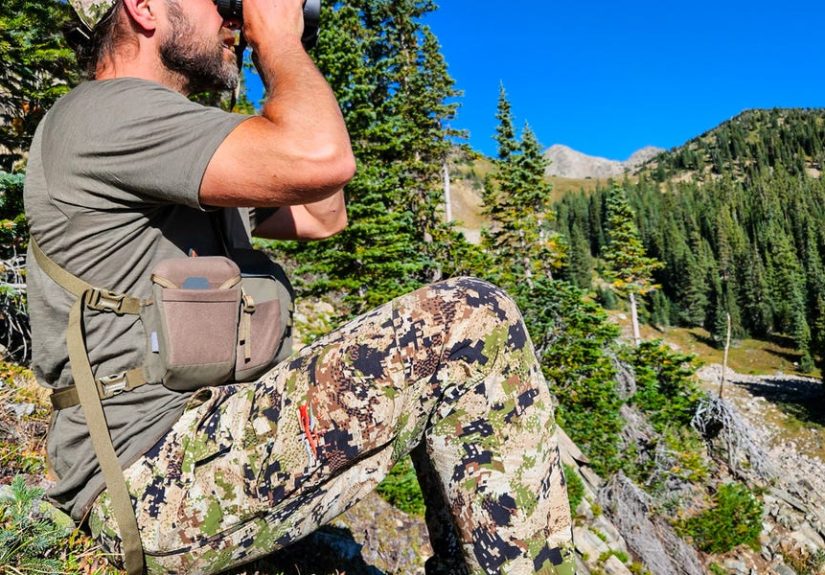
If you want one pair of hunting pants to do most things well, the 308s earned “best overall” love in 2024 for a reason: they’re built to balance durability and mobility without feeling flimsy. They’re sized by waist and length for a dialed fit, and the fabric choice leans toward rugged practicalityless “runway stretch,” more “crawl over rocks and keep going.” Best for: the hunter who wants one dependable, all-season workhorse and would rather spend money once than complain forever.
Best Budget Technical Option: Killik Summit Vital Hunting Pants
Budget hunting pants often come with a secret tax: sweat, noise, or weird fit. The Summit Vital pants gained traction as a lower-cost way to get into modern synthetic performance without paying premium-brand prices. Expect a more utilitarian feel than top-tier fabrics, but you’ll still get lightweight stretch and moisture handling that beats denim for active hunts. Best for: new hunters building a kit, or anyone who wants “good enough to hunt hard” without the premium price tag.
Best Concealment Value: Kryptek Alaios Lightweight Hunting Pants
Kryptek’s name is tied to high-tech camouflage, but the Alaios pants also bring practical features hunters actually use: reinforced knees, smart pocket placement, and heat-dumping zips at the hips for regulating temperature on the move. If you like patterns (or just want solids that still look purpose-built), this is a strong blend of performance and price. Best for: hunters who want functional design, camo credibility, and ventilation without going full “space suit.”
Best Warm Weather: Sitka Equinox Guard Pants
Hot-weather hunting pants need to do three things: breathe, move, and protect you from the miserable little realities of warm seasons bugs, brush, and long hikes in sticky air. The Equinox Guard line is aimed squarely at early-season comfort with protection built in, making it a go-to when “lightweight” can’t mean “fragile.” Best for: early-season whitetail, turkey, and any hunt where you’re moving in warm temps and still want technical features.
Best Mid- to Late-Season All-Around Weight: Under Armour Ridge Reaper Raider HD Pants
Under Armour is one of the bigger non-endemic brands that built legit hunting-specific pants instead of just splashing camo on gym gear. The Ridge Reaper Raider HD pants are praised for a solid all-season weight: thick enough to feel substantial, flexible enough to move, and friendly to layering when temperatures drop. Best for: hunters who want one pant that can handle cool mornings, active movement, and the occasional cold sit with layers.
Best Rain and Snow Shell: Sitka Dewpoint Pants
Here’s the honest truth: most “water-resistant hunting pants” are not rain pants. The Dewpoint is a dedicated waterproof shell you carry for when weather turns your hunt into a soggy endurance event. The best part is how practical it is as an over-layer: long side zips make it easier to pull on quickly over your regular pants when the sky decides to be dramatic. Best for: hunters who stay out in bad weather because “heading in early” is not a personality trait.
Best Cold Weather Option: First Lite Core Bib
Not technically “pants,” but bibs are a cold-weather hunting cheat code, and the Core Bib got attention in 2024 for warmth-focused design. Bibs reduce waist gaps, keep insulation where it matters, and often include features tailored to long sits (treestand, blind, saddle). If your late-season hunts involve long hours of stillness, bibs can be the difference between “comfortable” and “I can’t feel my knees.” Best for: treestand and blind hunters in real winter conditions, especially when you want warmth without a dozen layers bunching up.
Best Crossover (Hunt + Hike + Everyday): Badlands Scree Pants
Not every hunt demands full camo. The Scree pants leaned into the crossover trend: earth-tone solids, mobility for hiking, and practical durability for outdoor abuse. They’re the kind of pant you can scout in, glass in, and still wear to the gas station without looking like you’re auditioning for a camouflage catalog. Best for: spot-and-stalk, scouting, early-season hunts, and hunters who value versatility over strict camouflage requirements.
Best for Heavy Brush: KUIU PRO Brush Pant
Heavy brush is where lightweight technical pants often get humbled. The PRO Brush pant exists for the “I hunt where thorns live” crowd, using reinforced high-wear panels and practical details like vents and boot-lace hooks to keep cuffs controlled. Expect a tougher, more protective feel than ultralight pantsbecause that’s the point. Best for: upland, thick cover, and any hunt where you routinely hear the sound of fabric getting bullied by brambles.
Honorable Mention: KUIU Attack Pant (Mountain Versatility)
The Attack Pant stayed popular because it hits a versatile middle ground: a softshell-like feel with ventilation built in, useful pockets, and a design that works when you’re climbing, glassing, and moving through rough terrain. If your hunts look suspiciously like backcountry hiking with occasional moments of extreme seriousness, it’s a strong contender. Best for: western hunts, big-mile days, and anyone who wants a technical pant that can handle variable conditions.
Honorable Mention: Gamehide Woodsman Upland Hunting Jeans (Budget Brush Protection)
Sometimes you want the straightforward approach: tough fabric, brush-busting lower-leg protection, and a price that doesn’t make you whisper apologies to your wallet. The Woodsman Upland Hunting Jean is a no-frills option that gets recommended because it’s practical, affordable, and built for real cover. Best for: upland starters, backup pants, and anyone who’d rather spend the difference on shells, tags, or dog food.
Honorable Mention: Arborwear Original Tree Climbers’ Pants (Ridiculously Tough Canvas)
These aren’t “high-tech hunting pants.” They’re “I might outlive my pants” pants. Built from heavy canvas with durability features like double knees and a gusseted design, they’ve been embraced by hunters who value toughness, comfort, and “work pants that hunt.” They can get heavy when soaked, but for hard use in cooler weather, they’re legendary. Best for: hunters who punish gear, hunt in rough cover, or want a do-it-all pant that also works outside hunting season.
Honorable Mention: Chêne Sherpa Fleece Wader Pant (Under-Wader Comfort)
Waterfowl hunters have a special relationship with discomfort. Under-wader pants should be warm, stay put, and not bunch up into a misery accordion when you pull waders on. Sherpa-style fleece wader pants got love for solving those annoyances with comfort-focused fit and details like stirrups that help keep cuffs from riding up. Best for: duck hunters, marsh walkers, and anyone who’s ever performed interpretive dance trying to pull waders on over bunched pants.
Quick Buying Cheats: Build a “Pants System,” Not a Closet
You don’t need twelve pairs. You need a plan. In 2024, the smartest approach looked like this:
The 2-pant system (most hunters)
- Active pant: breathable, stretchy, dries fast (your hiking/spot-and-stalk/scouting workhorse).
- Weather layer: a waterproof shell pant you can pull over when rain or wet snow shows up.
The 3-pant rotation (hunters who do everything)
- Warm-weather pant: lighter fabric, vents, bug/brush protection.
- Mid-season pant: sturdier all-around weight with layering room.
- Late-season warmth: insulated bibs or insulated layers for long sits.
This approach keeps you comfortable across seasons without buying duplicates that all do the same job slightly differently. (That’s how gear closets become museums.)
Care Tips: Keep Your Hunting Pants Alive
- Wash less, air more: Let pants dry and air out after hunts. Frequent washing can wear finishes down faster.
- Skip fabric softener: It can reduce breathability and mess with water-repellent treatments on technical fabrics.
- Re-treat DWR when needed: If water stops beading on the surface, it may be time for a wash + re-treatment.
- Patch early: Small snags become big tears at the worst possible time (usually when you’re far from the truck).
- Check seams and cuffs: Brush and boot friction are relentlesscatch wear before it fails.
Conclusion
The best hunting pants of 2024 weren’t defined by a logothey were defined by how they performed when hunters were sweaty, cold, wet, kneeling, hiking, crawling, and stubbornly refusing to go home early. If you want one do-it-all pair, start with a durable, breathable mid-season pant that fits your body and your style. If you hunt in real weather, add a waterproof shell pant. If you sit in real cold, consider insulated bibs. Buy with your hunt in mind, and your legs will quietly thank you all season long (which is better than the loud alternative).
Field Notes: of Hunting-Pants Wisdom (The Stuff You Learn the Hard Way)
Hunters don’t actually remember most gear by brand. They remember it by moment. The pants that let you kneel in wet grass without soaking through your base layer become “the good ones.” The pants that ripped on the first fence crossing become “those idiots.” And the pants that sounded like two grocery bags fighting in a wind tunnel? Those get retired to “truck emergency backup” before the season even ends.
One of the most repeated lessons from 2024 gear talk is that fit beats hype. A premium pant that binds at the knees, pinches at the waist, or rides low when you climb is a fancy way to be uncomfortable. Hunters who walk a lot consistently favored pants offered in multiple inseams or with athletic articulation, because friction and bunching become real problems when you’re stacking miles. If you’ve ever had a seam rub you raw halfway through a day, you already know: comfort is not optional; it’s equipment.
Another hard-won truth: you can’t out-tough heavy brush with “lightweight” marketing. If you hunt upland cover, cattail edges, briars, or thorny cutovers, you’ll eventually pay the price for thin fabric. That’s why reinforced panels and brush protection kept showing up in “best for” categories. The best brush pants aren’t always the quietest, and the quietest aren’t always the toughestso decide which problem you’re actually solving. If you bowhunt close and slow, lean quiet. If you’re walking through the green version of barbed wire, lean durable.
Temperature management is where most hunters accidentally sabotage themselves. You start cold, overdress, hike in, sweat, then freeze the moment you stop. The fix is almost always a better system, not a warmer pant. Vents help more than you’d think, and layering helps more than you want to admit. Wear a breathable pant for movement, then add insulation when you settle in. In late season, bibs are popular because they keep warmth where it matters and reduce the “cold air up the back” phenomenon that ruins morale at sunrise.
Wet weather deserves its own paragraph because it’s the great equalizer. DWR will get you through wet brush and light drizzle, but real rain laughs at it. Hunters who stayed comfortable in the worst conditions usually weren’t wearing “waterproof hunting pants” as their main pantthey carried a shell layer and pulled it on when needed. That strategy keeps your core pant breathable most of the day and gives you real waterproofing when the sky breaks bad. It’s less romantic than “one pant to rule them all,” but it’s wildly effectiveand it prevents the classic end-of-hunt misery shuffle.
Finally: pockets. Everyone thinks they want 14 pockets until they realize stuff on your thighs swings, snags, and annoys you for miles. The best setups are usually simple: secure phone/keys, one cargo pocket for essentials, and the rest goes in a pack. If your pants have a pocket you forget exists, congratulationsyou found the perfect place for snacks you’ll rediscover next season.