Table of Contents >> Show >> Hide
- Why Cleaning Your Thermometer Matters
- The Golden Rule: Clean Before and After Each Use
- What You Need to Clean a Thermometer Safely
- How to Clean a Digital Oral or Underarm Thermometer
- How to Clean a Rectal Thermometer
- How to Clean an Ear Thermometer
- How to Clean a Forehead or Temporal Thermometer
- Do Probe Covers Replace Cleaning?
- What to Avoid When Cleaning a Thermometer
- Hand Hygiene Still Matters
- How to Store a Thermometer So It Stays Clean
- When to Replace Your Thermometer
- Everyday Experiences: What This Looks Like in Real Life
- Conclusion
Thermometers are tiny household heroes. They sit quietly in a drawer for months, then suddenly get promoted to emergency duty at 2 a.m. when somebody feels hot, miserable, and dramatically convinced they are “definitely dying.” Because thermometers come into contact with skin, saliva, ear canals, or rectal areas, they can also pick up germs and body fluids. That means cleaning your thermometer after every use is not a fussy little extra. It is basic hygiene.
The good news is that thermometer care is not complicated. In most cases, a little rubbing alcohol or some soap and lukewarm water will do the trick. The key is knowing which type of thermometer you have, how much moisture it can handle, and when you need to be extra careful. Once you learn the routine, it takes less time than scrolling through fever advice online while panicking over a reading of 99.4.
This guide walks through how to clean a thermometer safely, what supplies to use, common mistakes to avoid, and how real families and caregivers handle thermometer hygiene in everyday life. Whether you use a basic digital oral thermometer, a rectal thermometer for a baby, or a forehead or ear model, the goal is the same: keep it clean, keep it accurate, and keep germs from making a return appearance.
Why Cleaning Your Thermometer Matters
A thermometer may look clean even when it is not. That is the sneaky part. A reading device can seem perfectly fine while still carrying leftover moisture, skin oils, saliva, or other contaminants from the last use. If the same thermometer is used again without proper cleaning, especially in a shared household, you are increasing the chance of spreading germs from one person to another.
This matters even more when someone in the house has a cold, the flu, COVID-like symptoms, a stomach bug, or any other contagious illness. A clean thermometer is one small but important part of a bigger hygiene routine that includes handwashing, disinfecting high-touch surfaces, and keeping personal care items from becoming communal science experiments.
Cleaning also protects the thermometer itself. Dried residue on the sensor tip can interfere with readings. In plain English, a dirty thermometer is not just gross. It can be less reliable. And when you are trying to decide whether someone needs rest, fluids, or a call to the doctor, accuracy is not exactly optional.
The Golden Rule: Clean Before and After Each Use
If you remember only one thing from this article, make it this: clean the thermometer before and after each use. Before use helps remove anything that settled on it in storage. After use removes whatever the thermometer picked up during the reading.
That two-step habit is especially helpful if the thermometer lives in a bathroom drawer, travels in a bag, or gets used by more than one person. It is the same logic as washing a spoon before cooking and after eating. One cleaning protects the next use. The other cleans up the last one.
What You Need to Clean a Thermometer Safely
For most household thermometers, the supplies are refreshingly basic:
- Rubbing alcohol or alcohol wipes
- Mild soap
- Lukewarm or cool water
- A clean cloth, gauze pad, cotton pad, or paper towel
- Disposable probe covers, if your model uses them
- A dry, clean storage case
That is it. No fancy gadget spa day required. What matters most is using the right cleaner for the device and following the manufacturer’s instructions. If your thermometer manual has a cleaning section, treat it like the boss of the room.
How to Clean a Digital Oral or Underarm Thermometer
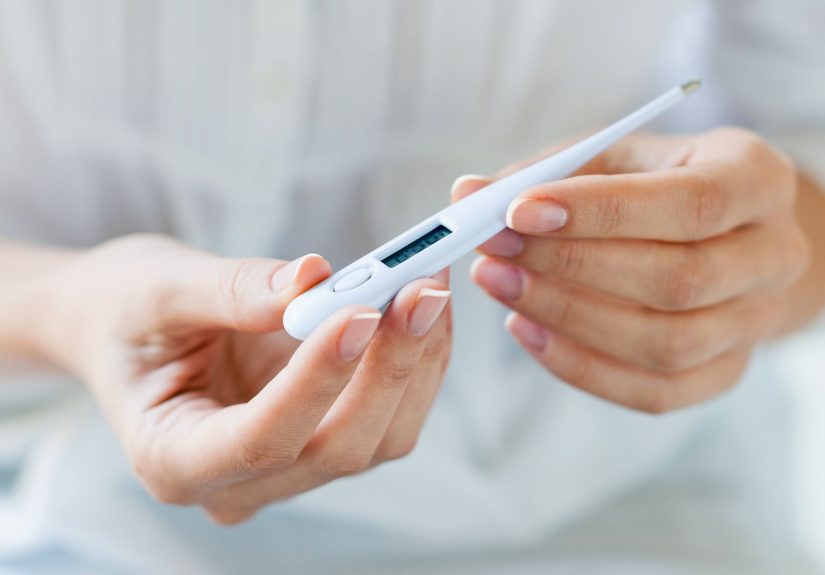
A basic digital thermometer used in the mouth or under the arm is usually the easiest type to clean. These are common in family medicine cabinets, and most can be cleaned with rubbing alcohol or soap and lukewarm water.
Step-by-step cleaning method
- Wash your hands with soap and water first. If that is not available, use hand sanitizer with at least 60% alcohol.
- Turn the thermometer off.
- Wipe the tip with rubbing alcohol, or wash the probe end gently with mild soap and lukewarm water.
- If you used soap, rinse carefully with cool or lukewarm water.
- Dry it with a clean paper towel or let it air dry fully.
- Store it in a clean, dry case.
One important note: avoid getting the display, battery compartment, or the full body of the thermometer overly wet unless the manual specifically says the unit is waterproof. The probe can usually handle careful cleaning. The electronics may be a lot less enthusiastic about bath time.
How to Clean a Rectal Thermometer
Rectal thermometers need extra attention, and for obvious reasons. When a thermometer has been used rectally, soap and water should be part of the cleaning process, not an afterthought. Many experts also recommend an alcohol wipe afterward if your device allows it.
Safe cleaning steps for rectal use
- Wash your hands before and after handling the thermometer.
- Clean the probe thoroughly with soap and lukewarm water.
- Rinse it well.
- Wipe it with rubbing alcohol if appropriate for your model.
- Let it dry completely before storing.
Also, do not use the same thermometer for oral and rectal temperatures. Keep separate thermometers and label them clearly. This is one of those household systems that may feel a little extra until the moment it saves you from a terrible mix-up. Then it feels brilliant.
How to Clean an Ear Thermometer
Ear thermometers are convenient, quick, and especially useful for squirmy kids who treat a temperature check like an audition for a stunt show. But they still need cleaning. If your ear thermometer uses disposable probe covers, throw the cover away after each use and replace it with a new one next time.
Even with covers, you should still follow the manufacturer’s cleaning instructions for the probe area and the rest of the device. Usually, that means gently wiping the exterior and cleaning the sensor area as directed, without soaking the thermometer. Ear models can be more delicate than basic stick thermometers, so this is not the time for guesswork or aggressive scrubbing.
How to Clean a Forehead or Temporal Thermometer
Forehead thermometers often get a reputation for being “clean enough” because they may not go into the mouth or ear canal. Nice try. They still touch skin or come close to it, and they still pick up oils, sweat, makeup residue, and everyday grime.
To clean a forehead thermometer safely, wipe the sensor and body according to the manual. In many cases, a soft cloth lightly dampened with alcohol is appropriate. Make sure the sensor area is clean and dry before the next reading. A smudged sensor is a great way to collect questionable numbers and unnecessary anxiety.
Do Probe Covers Replace Cleaning?
Not entirely. Probe covers are useful because they act as a sanitary barrier, and many are designed for single use only. That can help reduce contamination between people. But a cover does not magically clean the rest of the device, and it does not excuse sloppy storage.
Think of a probe cover as backup, not a free pass. It adds protection, but the thermometer should still be cared for according to the manufacturer’s cleaning instructions.
What to Avoid When Cleaning a Thermometer
When people hear “disinfect,” some immediately reach for the strongest chemical in the house like they are about to sanitize a spaceship. Slow down. Thermometers are small medical devices, and harsh cleaning can damage them.
Skip these common mistakes
- Do not boil the thermometer unless the manufacturer specifically says it is safe.
- Do not use very hot water.
- Do not soak electronic parts unless the device is designed for it.
- Do not use abrasive scrubbers that can damage the sensor.
- Do not reuse single-use probe covers.
- Do not put an old mercury thermometer back into service just because it “still works.”
If you still own a glass mercury thermometer, it is better to retire it. Mercury thermometers are no longer recommended for home fever checks because the glass can break and mercury is toxic. If one breaks, it requires special cleanup, not a casual wipe and a shrug.
Hand Hygiene Still Matters
Thermometer hygiene does not start with the thermometer. It starts with your hands. Wash your hands before taking a temperature and after cleaning the device. If soap and water are not available, use hand sanitizer with at least 60% alcohol. That simple habit helps prevent you from transferring germs to the thermometer and from carrying germs away from it.
This is especially important when you are caring for a sick child, checking several family members in a row, or dealing with a stomach illness where cross-contamination is a genuine concern. The thermometer may be tiny, but the hygiene rules around it are not.
How to Store a Thermometer So It Stays Clean
Once your thermometer is clean and dry, store it in a protective case if it came with one. Keep it in a cool, dry place rather than loose in a cluttered bathroom drawer beside hair ties, mystery batteries, and that one expired cough drop nobody claims.
Good storage protects both cleanliness and accuracy. A thermometer tossed into a damp or dirty space can pick up residue before the next use. A cracked case or missing cap is not a crisis, but it is a good reason to give the device a quick pre-use cleaning every time.
When to Replace Your Thermometer
A thermometer should be replaced if it cracks, stops giving consistent readings, develops a damaged sensor, or can no longer be cleaned properly. For digital thermometers, battery issues can also affect performance. If the screen fades, the readings jump around, or the device has survived one too many dramatic drops onto tile, retirement may be the most hygienic option.
And yes, if your thermometer has become a family relic of uncertain age and unknown accuracy, you do have permission to move on. Some household objects deserve nostalgia. Fever tools do not.
Everyday Experiences: What This Looks Like in Real Life
In real households, thermometer cleaning is rarely a grand event. It is usually a tiny decision made in a tired moment. A parent checks a child’s temperature before school, sees a mild fever, and suddenly the morning changes direction. The backpack stays on the chair, the orange juice becomes “hydration,” and the thermometer becomes the most important object in the kitchen. In that kind of moment, people often remember the reading but forget the cleanup. That is why creating a small routine matters.
Many caregivers say the habit sticks best when it becomes automatic: wash hands, take temperature, clean thermometer, put it back. No debate. No “I’ll do it later.” No leaving it on the nightstand like a tiny germ baton waiting for the next relay runner. When families build that rhythm, they tend to feel calmer during sick days because one more task has already been turned into muscle memory.
Parents of babies often become the most careful thermometer cleaners of all. That makes sense. Rectal temperature checks can be the most accurate option for infants, and nobody wants confusion about which thermometer was used where. Families who label one thermometer for rectal use and another for oral or underarm use usually report the same thing: at first it feels overly organized, and then it feels completely necessary. Clear labels remove guesswork when everyone is sleep-deprived.
Adults living with elderly relatives often have another experience entirely. They may be taking temperatures for more than one person, sometimes several times a day during a respiratory illness. In that setting, thermometer hygiene stops feeling like a nice idea and starts feeling like responsible caregiving. Cleaning between uses becomes part of protecting a vulnerable household member, right along with washing hands, cleaning doorknobs, and not sharing towels.
Then there is the forehead thermometer crowd. These are the people who love speed and convenience and sometimes assume that “noncontact” means “never needs cleaning.” Usually, they figure out the truth after a few strange readings or a manual-reading session they should have done months earlier. The lesson is simple: easy to use does not mean maintenance-free. A clean sensor still matters.
Perhaps the most relatable experience is the one where someone realizes, halfway through a feverish family weekend, that the thermometer has been used three times and cleaned zero times. It is not a moral failure. It is just a reminder that good hygiene habits need systems, not guilt. Keep alcohol wipes nearby. Store the thermometer with its case. Label the rectal one. Put the cleaning supplies where the thermometer lives. Small setup choices make safe care much easier when everyone is tired.
Conclusion
Cleaning your thermometer after each use is one of those habits that feels minor until you realize how much it protects. It helps prevent the spread of germs, supports more reliable readings, and keeps a basic health tool ready for the next time you need it. For most digital thermometers, safe cleaning is wonderfully simple: wash your hands, use rubbing alcohol or soap and lukewarm water, dry the device fully, and store it properly.
The big rules are easy to remember. Clean before and after use. Keep oral and rectal thermometers separate. Follow the manufacturer’s instructions for forehead and ear models. Use single-use covers only once. Retire old mercury thermometers. And when in doubt, be gentler, cleaner, and a little more organized than your sick-day brain first suggests. Your future self, standing in pajamas under bad lighting with a beeping thermometer, will be grateful.