Table of Contents >> Show >> Hide
- The 20-Second Answer
- What Collagen Is (and Why Your Body Cares)
- What Gelatin Is (the Culinary Side of the Family)
- Processing Differences: Why They Act So Differently
- Nutrition: Are Collagen and Gelatin Basically the Same Protein?
- What the Evidence Suggests (and What It Doesn’t)
- Collagen vs. Gelatin for Cooking: Who Wins Where?
- Choosing the Right One: A Simple Decision Guide
- Quality and Safety Checklist (Because Supplements Aren’t Policed Like Medications)
- FAQs People Actually Ask
- Real-World Experiences: “Collagen vs. Gelatin” in Daily Life (About )
- Conclusion
Collagen and gelatin are basically cousins… who share the same DNA and then grew up in wildly different careers. One became the “mixes into your coffee” supplement. The other became the reason your panna cotta jiggles like it has secrets. They both come from animal collagen, but they behave differently in recipes, dissolve differently in liquids, and tend to be chosen for different goals.
If you’ve been staring at a tub of collagen peptides and a box of gelatin packets wondering which one belongs in your cart (or your mug), you’re in the right place. Let’s break down what collagen and gelatin actually are, what the science says they might help with, when they’re interchangeable (sometimes), and when they are absolutely not.
The 20-Second Answer
- Choose collagen peptides if you want a supplement that dissolves easily in hot or cold liquids and won’t change texture much (think coffee, smoothies, oatmeal).
- Choose gelatin if you want a gelling agent for cooking and baking (gummies, marshmallows, panna cotta, thickened sauces, “bone broth that turns to jelly”).
- Nutritionally, they’re similar (both are mostly protein from collagen), but they are not complete proteins and shouldn’t replace your main protein sources.
- Health claims are modest: collagen supplements show some evidence for skin hydration/elasticity and possibly joint discomfort in certain groups, but results vary and hype often outruns proof.
What Collagen Is (and Why Your Body Cares)
Collagen is the most abundant protein in your body, showing up in skin, tendons, ligaments, cartilage, bones, and connective tissue. Think of it as your body’s “structural scaffolding” proteinlike the rebar inside concrete.
Collagen Types You’ll Hear About
- Type I: common in skin, tendons, bones
- Type II: common in cartilage (often emphasized for joint products)
- Type III: often paired with Type I in skin/connective tissue discussions
Your body makes collagen from amino acids (protein building blocks). It also needs certain nutrientsvitamin C is especially important for collagen production. That’s one reason “food-first” advice often focuses on adequate protein plus vitamin C-rich foods rather than chasing a magic powder.
What Gelatin Is (the Culinary Side of the Family)
Gelatin is collagen that has been partially broken down (denatured) so it can dissolve and then form a gel. That gel formation is gelatin’s superpower. It’s why gelatin can turn liquid into a tender wobblean elegant dessert texture, a gummy candy chew, or a glossy sauce that clings like it’s auditioning for a food commercial.
Gelatin’s Special Trick: It Gels
Gelatin sets when cooled because its protein strands form a network that traps water. In cooking, this matters a lot. If your goal is structuremarshmallows, gummies, panna cotta, mousse stabilizationgelatin is the tool.
Processing Differences: Why They Act So Differently
Collagen Peptides (Hydrolyzed Collagen)
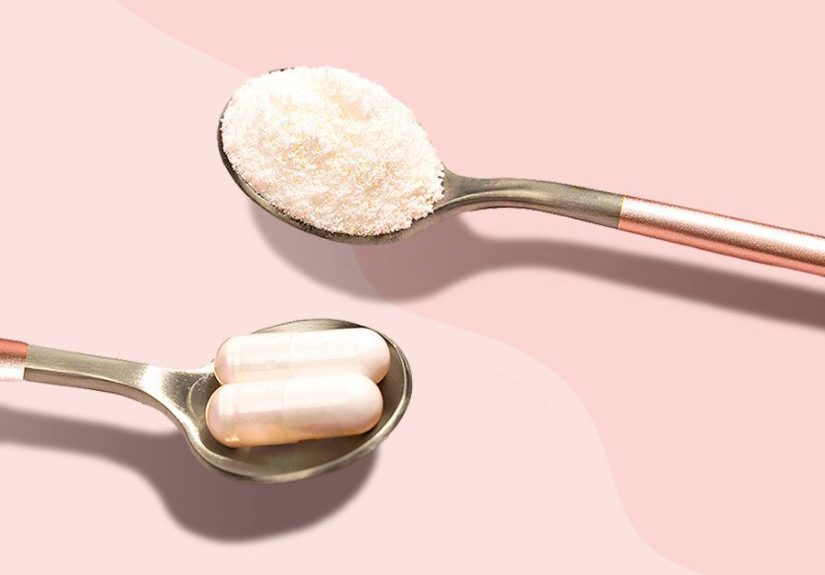
Collagen peptides are collagen that’s been more extensively broken down (hydrolyzed) into smaller peptides. The practical result: they dissolve easily and generally don’t gel. That makes them convenient for beverages and everyday foods.
Gelatin
Gelatin is less broken down than collagen peptides. It can dissolve in warm liquid and then gel as it cools. It’s usually sold as powder/granules or sheets.
Can You Swap Them 1:1?
Not reliably. If a recipe needs a gel, collagen peptides won’t give you that set texture. If you just want extra protein in a drink, gelatin can make things thick or lumpy if you don’t use it correctly (and it may try to “set” if chilled).
Nutrition: Are Collagen and Gelatin Basically the Same Protein?
They’re closely related, and both are mostly protein. But there’s a big nutrition footnote that marketing often whispers instead of singing:
They’re Not Complete Proteins
Collagen and gelatin are incomplete proteinsmeaning they don’t provide all essential amino acids in sufficient amounts. They’re notably low in (or missing) tryptophan. That doesn’t make them “bad,” it just means they shouldn’t be your main protein source. Think of them as an add-on, not the foundation.
What the Evidence Suggests (and What It Doesn’t)
Let’s treat collagen claims like a movie trailer: exciting highlights, dramatic music… and it helps to remember it’s edited for maximum hype.
1) Skin Hydration, Elasticity, and Fine Lines
There’s a growing pile of studies and reviews suggesting hydrolyzed collagen supplements may improve skin hydration and elasticity for some people, especially over several weeks. However, study quality, product types, and funding sources vary, and results aren’t guaranteed. If you’re expecting a “delete pores” button, you will be emotionally betrayed.
Realistic expectation: If it helps, changes are usually subtlebetter hydration/feel, small changes in elasticity or appearancerather than a total face reboot.
2) Joint Discomfort and Mobility
Some research suggests collagen supplements may help with joint discomfort or mobility in certain groups (like athletes or people with osteoarthritis), but results vary. It’s not a replacement for a medical plan, strengthening, mobility work, or professional guidancemore like a “maybe helpful” add-on.
3) Bones, Tendons, and Training Support
Because collagen is a major component of connective tissue, it’s often marketed for tendons/ligaments and bone health. There’s early research interest here, but outcomes depend on overall diet, training, and individual factors. If you’re doing strength training, your biggest “supplement” is still consistent training plus adequate total protein.
4) Gut Health
Gelatin and collagen are sometimes hyped for “gut lining” support. The truth: you’ll see plausible biological stories (certain amino acids are involved in tissue structure), but strong, consistent human evidence for dramatic gut transformations is limited. If your gut symptoms are persistent, it’s smarter to talk with a qualified clinician than to DIY your way through the supplement aisle.
Collagen vs. Gelatin for Cooking: Who Wins Where?
When Gelatin Is the Clear Winner
- Gummies & marshmallows: you need structure and a set.
- Panna cotta, mousse stabilization, no-bake cheesecake: gelatin creates that clean slice/jiggle.
- Thickening sauces and upgraded stock: gelatin can add body and a silky mouthfeel.
When Collagen Peptides Are the Clear Winner
- Coffee, tea, smoothies: dissolves easily without turning your drink into a science experiment.
- Oatmeal, yogurt, soups: boosts protein with minimal texture change.
- “I will actually use this daily” situations: convenience matters more than theoretical perfection.
Gelatin Tips (So It Doesn’t Betray You)
- Bloom it first: sprinkle gelatin over cool water and let it hydrate before heating, so it dissolves smoothly.
- Don’t boil it hard: high heat can weaken gelatin’s setting power.
- Watch acidic ingredients and fresh enzymes: some fruits (like fresh pineapple/kiwi) contain enzymes that can interfere with gelling unless heated/treated appropriately.
Choosing the Right One: A Simple Decision Guide
If Your Goal Is “I want an easy daily supplement”
Pick collagen peptides. They dissolve well and are less fussy. Look for “hydrolyzed collagen” or “collagen peptides” on the label.
If Your Goal Is “I want gummies, panna cotta, marshmallows, or jello-like texture”
Pick gelatin. If a recipe says gelatin, it means the recipe needs a gel network. Collagen peptides can’t reliably do that job.
If Your Goal Is “skin support”
Collagen peptides are usually the go-to because that’s what most skin studies use. Still, manage expectations: sun protection, sleep, and a balanced diet often deliver more noticeable results than any single supplement.
If Your Goal Is “joint support”
You’ll see products using collagen peptides (and sometimes specific Type II collagen). The best choice depends on the product and the person, and the evidence is mixed. If you have ongoing joint pain, especially if you’re young or symptoms are worsening, it’s worth getting professional input.
Quality and Safety Checklist (Because Supplements Aren’t Policed Like Medications)
Here’s the unglamorous but important part: dietary supplements in the U.S. aren’t approved the way medications are. Labels can be messy, and products vary.
What to Look For
- Third-party testing (examples you may see: USP, NSF, or other reputable certifiers).
- Simple ingredient lists (especially if you’re sensitive to sweeteners, flavorings, or mega-doses of added vitamins).
- Source transparency (bovine, marine, porcine, chicken). If you have allergies, this matters.
- Protein reality check: collagen isn’t a complete proteinstill eat a balanced diet with complete protein sources.
Who Should Be Extra Cautious
- Anyone with fish/shellfish or animal-source allergies (especially with marine collagen).
- People who are pregnant or breastfeeding (ask a clinician first).
- Anyone with a medical condition or taking medications who is considering high-dose or multi-ingredient “beauty blend” supplements.
FAQs People Actually Ask
Is gelatin “better” than collagen for health?
Not universally. Gelatin and collagen are related forms of the same family of proteins. “Better” depends on how you’ll use it: gelatin wins for gelling/cooking; collagen peptides win for convenience and mixability.
Is bone broth basically collagen or gelatin?
Bone broth that turns to jelly in the fridge is showing off its gelatin. During long cooking, collagen from connective tissue can convert into gelatin. Broths vary widely depending on ingredients and cooking time.
Can vegans take collagen?
True collagen supplements are animal-derived. Some products marketed as “vegan collagen” are usually collagen boosters (nutrients and plant compounds intended to support your body’s collagen production). If you’re vegan, focus on adequate total protein and nutrients that support collagen synthesisespecially vitamin C.
How long does it take to notice anything?
Studies often run 8–12 weeks for skin outcomes. Joint outcomes vary. If you try it, give it a fair window, keep expectations realistic, and track one or two meaningful measures (like skin hydration/feel or exercise-related joint comfort) rather than hoping for a total transformation.
Real-World Experiences: “Collagen vs. Gelatin” in Daily Life (About )
Most people don’t choose between collagen and gelatin because they read a thrilling scientific paper over breakfast. They choose because something practical happenslike a recipe fails, a supplement tastes weird, or they realize their “beauty powder” has turned their iced coffee into a mysterious cloud.
The “My Coffee Turned Into a Science Fair” Moment
A common first experience is someone tossing gelatin into a cold drink expecting it to behave like collagen peptides. Instead, gelatin clumps, gets stringy, or settles in a way that feels… emotionally inconvenient. Collagen peptides usually win here because they dissolve easily and don’t try to become a gel network in your mug. People who stick with collagen tend to do so because it’s boringin the best way. It disappears into routines without requiring a culinary degree.
The “I Just Wanted Homemade Gummies” Adventure
On the flip side, people trying to make gummies, marshmallows, or panna cotta learn quickly that collagen peptides are not the hero of dessert structure. The mixture may taste fine, but it won’t set with the same bounce. That’s when gelatin becomes the kitchen MVP. Many home cooks also notice that gelatin doesn’t just make things firm; it changes the whole mouthfeelgiving sauces more body and making “healthy-ish” treats feel more like real treats.
The “Bone Broth That Jellies” Flex
There’s a special kind of pride that comes from opening the fridge and seeing homemade broth turned to jelly. People interpret this as “proof” of collagen content, but what they’re actually seeing is gelatin doing what it does best: forming a gel when cooled. That jiggly broth often becomes a gateway into gelatin useadding a little gelatin to soups or sauces to mimic the luscious texture of long-simmered stock.
The “I Tried It for Skin, Stayed for the Routine” Story
When people try collagen peptides for skin support, the most realistic reports tend to be subtle: a sense that skin feels more hydrated, nails feel a bit stronger, or hair seems slightly less prone to breakagesometimes. Other times, nothing noticeable happens, and the person stops buying it. The most consistent “success” stories usually come from people who pair supplements with basics that actually move the needle: sunscreen, adequate protein, hydration, and sleep. Collagen becomes the side characternot the entire plot.
The “What I’ll Actually Use” Rule
Probably the most honest deciding factor is adherence. A theoretically perfect option you don’t use is less helpful than the slightly-less-perfect option you’ll take consistently. People who love cooking often keep gelatin around because it does real, visible things in food. People who hate kitchen fuss tend to choose collagen peptides because it fits into a routine without drama. In real life, that’s usually the winning metric: choose the one that matches your habits, not your hopes.
Conclusion
Collagen vs. gelatin isn’t a battleit’s a tool choice. If you want mixability and convenience, collagen peptides are usually the better fit. If you want gelling power and culinary magic, gelatin is the clear winner. Nutritionally, they’re close relatives, but neither is a complete protein, and supplement benefitswhile promising in some areastend to be modest and product-dependent.
If you’re choosing for health reasons, prioritize fundamentals first: adequate total protein, vitamin C-rich foods, consistent movement/strength training, and skin protection from sun damage. Then, if you still want to experiment, pick the option you’ll actually use and keep expectations grounded in reality (which, sadly, is not filtered).