Table of Contents >> Show >> Hide
- Why HVAC Mistakes Cost More Than Comfort
- Maintenance Mistakes Homeowners Make
- 1) Forgetting to change the air filter (or picking the wrong one)
- 2) Skipping seasonal tune-ups (until something breaks)
- 3) Ignoring the condensate drain (aka the “why is my ceiling wet?” trap)
- 4) Letting the outdoor unit become a shrubbery exhibit
- 5) Treating duct cleaning like a yearly subscription
- Operation Mistakes That Stress Your System
- Design & Upgrade Mistakes That Lock In Problems
- DIY & Safety Mistakes to Never DIY
- A Quick “Do This Instead” Checklist
- Real-World HVAC Mistake Stories (So You Don’t Repeat Them)
- Conclusion: Comfort, Savings, and Fewer “Why Is It Doing That?” Moments
Your HVAC system has one job: keep you comfortable without sounding like a dying spaceship or charging you “new-car-payment” money every month.
Most breakdowns and sky-high utility bills don’t come from bad luckthey come from a handful of totally avoidable mistakes. The good news?
You don’t need to become an HVAC wizard. You just need to stop doing the things that make your system work overtime.
Below are the most common HVAC mistakes homeowners make, why they matter, and what to do insteadwritten in plain English,
with just enough humor to keep this from reading like a warranty pamphlet.
Why HVAC Mistakes Cost More Than Comfort
HVAC problems rarely stay “small.” A clogged filter can start as “the house feels a little stuffy” and end as “why is the system
icing over?” Thermostat misuse can turn into long run-times, higher wear and tear, and that special kind of stress that only arrives
when your AC quits during the hottest week of the year.
And then there’s the not-funny stuff: fuel-burning equipment that isn’t maintained properly can create indoor air safety issues.
HVAC isn’t just about temperatureit’s also about airflow, humidity, and healthy indoor air.
Maintenance Mistakes Homeowners Make
1) Forgetting to change the air filter (or picking the wrong one)
If your HVAC system could talk, it would start every sentence with: “Please change the filter.”
A dirty filter restricts airflow, makes the blower work harder, reduces efficiency, and can contribute to comfort problems.
The most common mistake is forgetting the filter entirely. The second most common mistake is buying the most “intense” filter you can find
without checking whether your system can handle it. High-efficiency filters can improve air quality, but they can also increase resistance
(pressure drop), which may reduce airflow if the system isn’t designed for it.
Do this instead: Check your filter monthly. Replace it on a schedule that matches your home (often every 1–3 months),
especially if you have pets, allergies, or construction dust. If you want higher filtration, talk with a pro about whether your system
can support itor whether a thicker media cabinet upgrade makes more sense than forcing a restrictive 1-inch filter to do superhero work.
2) Skipping seasonal tune-ups (until something breaks)
Many homeowners treat maintenance like flossing: everyone agrees it’s a good idea, and then… life happens.
But HVAC maintenance isn’t just a “nice to have.” A proper check can catch small issues (weak capacitors, dirty coils, loose electrical connections,
poor airflow) before they become expensive failures.
Do this instead: Schedule routine service before heavy-use seasons. Think spring for cooling and fall for heating.
You’re not “wasting money” on preventionyou’re buying fewer emergency calls and a smoother-running system.
3) Ignoring the condensate drain (aka the “why is my ceiling wet?” trap)
Air conditioners and heat pumps pull moisture out of the air. That water has to go somewherethrough a drain line.
If the drain clogs, you can get leaks, water damage, and sometimes system shutdowns.
Do this instead: If you notice musty smells, water near the indoor unit, or your system shutting off unexpectedly,
ask for the drain and pan to be checked. During routine service, make sure drain flow is part of the checklist.
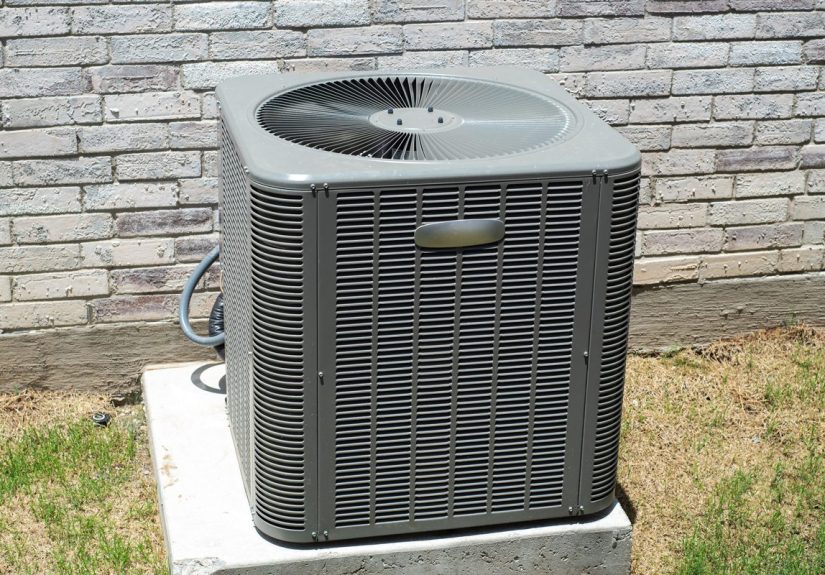
4) Letting the outdoor unit become a shrubbery exhibit
Outdoor condensers need breathing room. When coils get packed with leaves, grass clippings, and “mystery fluff,” heat transfer suffers.
Translation: longer run times, higher bills, and more wear.
Do this instead: Keep clearance around the unit. Gently rinse debris from the outside (power off first),
and avoid blasting fins with high pressure like you’re power-washing a driveway.
5) Treating duct cleaning like a yearly subscription
Duct cleaning is one of the most misunderstood services in homeownership. Many people assume ducts must be cleaned every year
“or else the air is dirty.” In reality, major authorities generally suggest duct cleaning only when there’s a specific reason:
visible mold, pest infestation, or heavy debris that’s clearly affecting performance.
Do this instead: Focus on filter changes, coil cleanliness, and fixing moisture issues.
If you’re considering duct cleaning, have someone assess whether you actually need itand be cautious of scare-tactic sales pitches.
Operation Mistakes That Stress Your System
6) Playing thermostat whack-a-mole
Constantly cranking the thermostat down because you’re hot right now doesn’t cool your home faster (unless you have specialized equipment
designed for rapid staging). It just tells the system to run longer.
Do this instead: Pick a steady temperature you can live with, then use fans, window coverings, and humidity control to improve comfort.
If your home takes forever to cool, that’s usually an airflow, insulation, duct, or sizing issuenot a “thermostat needs to be set to Antarctica” issue.
7) Using extreme temperature setbacks like a “life hack”
Smart setbacks can save energy. But big swings can backfire depending on your system, climate, and how your home holds heat.
If you blast the system to “catch up” every day, you may end up with long run-times and comfort complaints.
Do this instead: Use moderate setbacks and a programmable or smart thermostat schedule.
A good baseline is adjusting temperatures when you’re asleep or awaywithout making the system do marathon recovery runs.
8) Closing too many vents (and blocking return air)
It sounds logical: “Close vents in rooms we don’t use so more air goes where we want.” But many duct systems aren’t designed for that.
Closing supply vents can increase static pressure, reduce airflow, and strain the blower.
Blocking return vents is even worseit’s like making your system breathe through a straw.
Do this instead: Keep returns clear (no furniture piled in front). If certain rooms are always uncomfortable,
look at airflow balancing, duct issues, insulation, or zoningnot a vent-closing campaign.
9) Forgetting ventilation and humidity are part of comfort
Temperature is only one leg of the comfort stool. Humidity and fresh-air exchange matter too.
High humidity can make 75°F feel sticky; overly dry air can make winter heating feel harsh.
Poor ventilation can contribute to odors and indoor air complaints.
Do this instead: Use bathroom/kitchen exhaust fans as intended, manage moisture sources, and ask about ventilation options
if your home feels stale. If you’re upgrading equipment, consider whether dehumidification or ventilation improvements belong in the plan.
Design & Upgrade Mistakes That Lock In Problems
10) Replacing equipment with “the same size as before”
A lot of HVAC replacements go like this: “The old unit was 3 tons, so I guess we need another 3-ton.”
That’s not a strategyit’s a guess with a nice round number.
Homes change. Windows get upgraded. Attics get insulated. Ductwork gets modified. Even shade trees grow up and change heat gain.
If you size based on history alone, you can end up oversized (short cycling, humidity problems) or undersized (never catching up).
Do this instead: Treat replacement like a design project, not a swap. Ask for a load calculation and duct evaluation.
The goal isn’t “big enough.” It’s “right-sized.”
11) Skipping a proper load calculation (Manual J) and duct design check
Right-sizing is usually built on a recognized load calculation method. If the inputs are sloppy,
the results will be sloppyand sloppy math has a habit of turning into expensive comfort problems.
Do this instead: When installing or replacing a system, ask how the contractor is sizing it.
A real load calculation considers your home’s characteristics (insulation, windows, orientation, occupancy, and more).
If someone tries to size based on “rule of thumb,” that’s a yellow flag waving a tiny red flag.
12) Ignoring duct leakage and insulation
You can buy the world’s most efficient HVAC equipment, but if your ducts leak into an attic or crawlspace,
you’re basically paying to condition spaces that don’t pay rent.
Do this instead: If rooms are uneven, bills are high, or airflow seems weak,
ask about duct sealing and insulation. Duct problems can mimic equipment problemsand lead to unnecessary replacements.
13) Misunderstanding air filtration (more filtration isn’t always “more better”)
Filtration is a balancing act: better particle capture often means more resistance to airflow.
High-efficiency targets (like MERV 13) can be beneficial in some situations, but only if the system can handle it.
Do this instead: Aim for the highest filtration your system can support without harming airflow.
If you need higher filtration for health reasons, consider system modifications or supplemental air cleaning rather than choking the blower.
DIY & Safety Mistakes to Never DIY
14) Messing with refrigerant like it’s windshield wiper fluid
Refrigerant isn’t a casual DIY project. Handling it improperly is a safety risk anddepending on what you’re doingcan violate federal rules.
If your system is low on refrigerant, the real issue is usually a leak. “Topping it off” without diagnosing the cause is like refilling a tire
with a nail in it and calling it solved.
Do this instead: If you suspect refrigerant problems (ice on lines, weak cooling, hissing, short cycling),
call a certified technician. Proper diagnosis and repair protect your system, your safety, and the environment.
15) Ignoring carbon monoxide (CO) basics with fuel-burning equipment
If you have a gas furnace, boiler, or any fuel-burning appliance, carbon monoxide awareness matters.
CO is dangerous because it’s not something you can reliably detect with your senses.
Do this instead: Have fuel-burning systems inspected and serviced regularly,
and use properly installed CO alarms. If you ever suspect a CO issue, treat it as urgent and follow local safety guidance.
A Quick “Do This Instead” Checklist
- Monthly: Check your air filter; replace as needed.
- Seasonally: Schedule preventive HVAC service before peak heating/cooling seasons.
- Always: Keep return vents unblocked and don’t close a bunch of supply vents to “force” airflow.
- Outside unit: Keep it clear of debris and give it breathing room.
- Thermostat: Use a stable setting with reasonable setbacks instead of constant manual changes.
- Upgrades: Ask for load calculations and duct evaluationdon’t size by guesswork.
- Safety: Maintain fuel-burning appliances and use CO alarms.
Real-World HVAC Mistake Stories (So You Don’t Repeat Them)
Homeowners tend to make HVAC mistakes for the most human reasons: something feels uncomfortable, a bill looks scary,
or a friend says, “Oh, just do this.” Below are real-world style scenarios homeowners commonly reporteach one a greatest hit
of avoidable trouble.
The “I Bought the Most Expensive Filter, Why Is My Airflow Terrible?” Story
A homeowner upgrades to a super high-efficiency filter because allergies are acting up. The packaging promises cleaner air,
so it feels like a smart move. Two weeks later, some rooms barely get airflow, and the system seems louder.
What happened? The filter may be too restrictive for the system’s existing duct design and blower setup.
The HVAC can’t move enough air, so comfort drops and components strain.
The fix usually isn’t “go back to the cheapest filter forever.” The fix is balance: pick a filter that fits your system,
replace it consistently, andif you truly need higher filtrationask about upgrades like a deeper media cabinet,
better return sizing, or a whole-home air cleaner that won’t throttle airflow.
The “We Closed Every Vent Downstairs to Push Air Upstairs” Adventure
Upstairs is hot, downstairs is fine, and someone declares: “Close the downstairs vents so the air goes upstairs!”
So… they do. For a few hours it feels better upstairs. Then the system starts making weird noises,
airflow weakens overall, and the downstairs gets stuffy. What they accidentally created is higher system pressure and poorer circulation.
The more lasting solution is boring (which is why it works): check for duct issues, return placement,
insulation problems, and whether the system is sized and balanced correctly for the home’s layout.
Sometimes adding a return upstairs or sealing duct leaks does more than any vent-closing strategy ever could.
The “Thermostat Ping-Pong” Pattern
Some homes run like a soap opera: set to 72°F, then 68°F, then 74°F, then 70°Fbecause comfort keeps changing.
That constant adjustment usually means the home isn’t managing heat gain, airflow, or humidity well.
So people try to fix a building problem with a thermostat button.
In many cases, a steadier setpoint plus simple comfort boosters (fans, better window coverings, sealing air leaks)
reduces the urge to tinker. If the home still swings wildly, that’s a clue to investigate duct balancing,
insulation, or equipment stagingnot to keep spinning the thermostat like it’s a prize wheel.
The “We Didn’t Service It for Years Because It ‘Worked Fine’” Surprise
A common story starts with: “It always worked, so we didn’t touch it.” Then one day it stops working
typically when it’s 95°F outside or when you have guests arriving in two hours. Emergency service is expensive,
and you usually have fewer choices for timing and contractors.
Routine service isn’t glamorous, but it’s often the difference between replacing a small component early
and replacing a bigger one later. It’s also when you catch things like drain issues, dirty coils,
or airflow problems that quietly sabotage efficiency long before anything “breaks.”
The “New System, Same Old Problems” Replacement
A homeowner replaces an aging unit with a brand-new systemand the comfort is still uneven.
The mistake wasn’t buying new equipment. The mistake was assuming equipment alone solves comfort.
If ducts leak, airflow is poorly balanced, or the system is oversized for the home, a new unit can inherit those problems instantly.
The lesson: replacement should include a plan. Sizing calculations, duct checks, and realistic comfort goals
turn “new unit” into “new system that actually performs.”
Conclusion: Comfort, Savings, and Fewer “Why Is It Doing That?” Moments
The most expensive HVAC mistake is the one you repeat. A little consistencyfilter changes, sensible thermostat habits,
clear airflow paths, and preventive servicegoes a long way. And when it’s time to replace equipment,
insisting on right-sizing and duct evaluation can save you years of frustration (and a surprising amount of money).
If you remember nothing else, remember this: HVAC systems don’t like surprises. Treat them well, and they’ll return the favor
by quietly doing their joblike the best kind of roommate.