Table of Contents >> Show >> Hide
- What is type 2 diabetes in children?
- Symptoms parents should not brush off
- What causes type 2 diabetes in children?
- How doctors diagnose type 2 diabetes in kids
- Treatment: more than one lecture about vegetables
- Can type 2 diabetes in children be reversed?
- Why early treatment matters so much
- How families can lower risk
- Final takeaway
- Real-life experiences: what this diagnosis often feels like for families
Type 2 diabetes in children used to sound like one of those problems filed under “grown-up stuff,” somewhere between mortgage paperwork and lower back pain. Not anymore. Today, pediatricians, endocrinologists, and parents know that type 2 diabetes can absolutely affect kids and teens, and it deserves serious attention without panic, shame, or weird internet miracle cures.
At its core, type 2 diabetes happens when the body becomes resistant to insulin and the pancreas cannot keep up well enough to keep blood sugar in a healthy range. In children, the condition may develop quietly. Some kids have obvious symptoms. Others seem mostly fine until routine blood work, a sports physical, or another health issue reveals that blood sugar has been running too high for too long.
The good news is that early diagnosis and steady treatment can make a huge difference. Families are not powerless here. With the right mix of medical care, daily habits, school support, and patience, many children can improve blood sugar control, feel better, and lower their risk of long-term complications.
What is type 2 diabetes in children?
Type 2 diabetes is a chronic condition in which the body either does not use insulin well or cannot produce enough insulin to meet demand. Insulin is the hormone that helps move glucose from the blood into the body’s cells for energy. When that system stops working smoothly, glucose builds up in the bloodstream instead of being used efficiently.
In children and teens, type 2 diabetes is often linked to insulin resistance. That means the body is making insulin, sometimes a lot of it, but the cells are responding like a group chat that has everybody on mute. The pancreas tries to compensate, but over time it may not keep pace. That is when blood sugar rises, symptoms show up, and damage can begin.
One important thing to remember: type 2 diabetes is not a character flaw, not a punishment, and not proof that a parent “failed.” Genetics, puberty, family history, access to healthy food, physical activity patterns, sleep, stress, and weight-related factors can all play a role. This is a medical condition, not a moral review.
Symptoms parents should not brush off
One of the tricky things about type 2 diabetes in kids is that it can sneak in quietly. Some children have no clear symptoms at first. Others show changes that are easy to blame on growth spurts, school stress, a busy sports schedule, or simply being a kid.
Common symptoms of type 2 diabetes in children
- Increased thirst
- Frequent urination, including getting up at night to pee
- Fatigue or low energy
- Increased hunger
- Blurred vision
- Unexplained weight loss in some cases
- Slow-healing cuts or frequent infections
- Headaches, irritability, or trouble concentrating
Some children also develop dark, velvety patches of skin around the neck, underarms, or groin. This is called acanthosis nigricans, and it can be a clue that insulin resistance is already in the picture.
Parents should also know when “watch and wait” is not the move. If a child has vomiting, belly pain, severe dehydration, rapid breathing, confusion, extreme sleepiness, or seems suddenly very ill, urgent medical evaluation is needed. While type 2 diabetes often develops gradually, children can still become seriously sick when blood sugar is very high.
What causes type 2 diabetes in children?
There is no single cause. Type 2 diabetes develops because biology, environment, and daily habits all start leaning in the wrong direction at the same time. The main engine behind the condition is insulin resistance. As resistance increases, the pancreas must work harder. Eventually, that “work overtime forever” plan fails.
Major risk factors
- Family history: Having a parent or close relative with type 2 diabetes raises risk.
- Overweight or obesity: Excess body fat, especially around the abdomen, is strongly associated with insulin resistance.
- Physical inactivity: Less movement usually means lower insulin sensitivity.
- Puberty: Hormonal changes during puberty naturally increase insulin resistance, which can unmask a problem that was already building.
- History of prediabetes: Elevated blood sugar that has not yet crossed into diabetes territory is a major warning sign.
- Maternal diabetes or gestational diabetes exposure: A child’s risk can be influenced before birth.
- Certain racial and ethnic backgrounds: In the United States, risk is higher in some populations, including Hispanic, Black, Native American, Alaska Native, Asian American, and Pacific Islander youth.
None of this means every child with these risk factors will develop diabetes. It means they deserve earlier conversations, better screening, and support that is practical rather than judgmental.
How doctors diagnose type 2 diabetes in kids
Diagnosis usually starts with a detailed history, physical exam, and blood tests. Doctors do not diagnose diabetes based on vibes, suspicious snacking, or one dramatic afternoon at a birthday party.
Tests commonly used
- A1C test: Shows average blood sugar over the last two to three months.
- Fasting plasma glucose: Measures blood sugar after an overnight fast.
- Oral glucose tolerance test: Measures how the body handles glucose over time.
- Random plasma glucose: Used when classic symptoms are present.
In general, diabetes may be diagnosed with an A1C of 6.5% or higher, a fasting glucose of 126 mg/dL or higher, a two-hour glucose of 200 mg/dL or higher during an oral glucose tolerance test, or a random glucose of 200 mg/dL or higher when classic symptoms are present.
Doctors may also order additional testing to help distinguish type 2 diabetes from type 1 diabetes, because treatment decisions depend on getting that part right. They may check ketones, diabetes-related antibodies, kidney function, liver enzymes, cholesterol, blood pressure, and urine protein. Once a child is diagnosed, monitoring for eye, nerve, kidney, and cardiovascular complications becomes part of long-term care.
Treatment: more than one lecture about vegetables
Treatment for type 2 diabetes in children usually combines lifestyle changes, regular monitoring, and medication when needed. The goal is not perfection. The goal is safe, steady blood sugar control and a healthier future.
1. Food changes that are realistic enough to survive Tuesday
Healthy eating for pediatric diabetes is not about banning every carb until a child starts dreaming about toast. Kids need balanced nutrition to grow. What helps most is a family-based eating pattern built around consistency, quality, and portion awareness.
- Choose more vegetables, fruit, beans, whole grains, and high-fiber foods.
- Include lean protein and healthy fats to improve fullness and blood sugar stability.
- Cut back on sugar-sweetened drinks, oversized portions, and ultra-processed snack habits.
- Keep meal timing fairly regular instead of turning every day into a random buffet.
- Work with a pediatric dietitian when possible, especially if food battles are already intense.
The best meal plan is not the one that looks heroic on day one. It is the one the family can still follow three months later.
2. Physical activity that fits real life
Movement improves insulin sensitivity, supports weight management, boosts mood, and helps protect long-term health. Children should aim for regular daily activity, with about 60 minutes of moderate to vigorous movement most days. That can include sports, dance, biking, brisk walking, active play, martial arts, or even a family routine that gets everybody off the couch and away from the gravitational pull of the fridge.
Reducing long stretches of screen time matters too. A child does not need to become a tiny fitness influencer. They just need movement to become normal again.
3. Medication when lifestyle changes are not enough
Many children with type 2 diabetes need medication. Metformin is a common starting treatment. Some children need insulin right away, especially if blood sugar is very high at diagnosis or if they are sick. In the United States, some newer glucose-lowering medicines are also approved for certain children age 10 and older, usually under the care of a clinician experienced in pediatric diabetes.
Medication is not a failure badge. It is a treatment tool. A child who needs medicine is not “worse” than a child who responds to lifestyle changes alone. They simply have a different medical picture.
4. Monitoring and follow-up
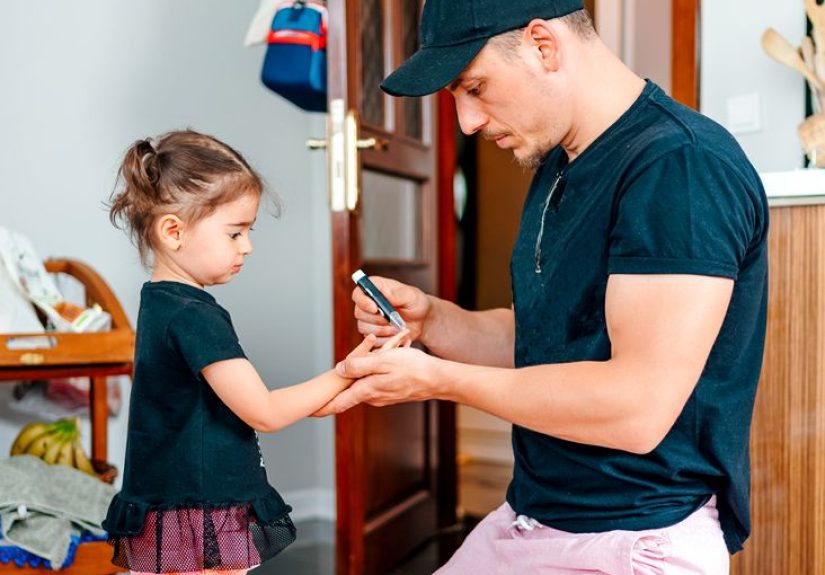
Kids with type 2 diabetes usually need regular blood sugar checks, A1C testing, and follow-up visits. The care team may include a pediatrician, pediatric endocrinologist, diabetes educator, dietitian, school nurse, and mental health professional. Over time, clinicians also watch blood pressure, cholesterol, kidney function, liver health, eye health, and signs of nerve problems.
5. Emotional health is part of treatment
Children with diabetes are not just managing numbers. They are managing school, sports, friend groups, body image, routines, and sometimes shame. That is a lot for an adult, let alone a seventh grader who still forgets where they put their water bottle every single day.
Diabetes distress is real. So are burnout, anxiety, and frustration. Good care includes emotional support, clear routines, and adults who know how to help without turning every meal into a courtroom drama.
Can type 2 diabetes in children be reversed?
The smarter word is usually managed, and in some cases remission may be possible. Some children who are diagnosed early and make significant, sustained improvements in weight, activity, and nutrition may see blood sugar return to a non-diabetes range. But nobody should promise a magic cure, a detox tea, or a “three-day pancreas reset.” The condition is serious, and long-term success usually depends on consistent medical follow-up.
What families should aim for is excellent control, fewer risk factors, and habits that improve the child’s overall health, not just one lab value.
Why early treatment matters so much
Youth-onset type 2 diabetes can be aggressive. When it is poorly controlled, complications may show up much earlier than many people expect. That includes high blood pressure, abnormal cholesterol, fatty liver disease, kidney disease, nerve problems, and eye damage. Research following young people with type 2 diabetes has shown that complications can begin by young adulthood, which is exactly the kind of plot twist nobody ordered.
That is why early screening for at-risk children, prompt diagnosis, and steady treatment are so important. Waiting for symptoms to become dramatic is not a great strategy.
How families can lower risk
Prevention is not about chasing a “perfect” diet. It is about building a home environment that makes healthier choices easier more often.
- Serve balanced meals and keep sugary drinks for occasional use, not everyday hydration.
- Encourage regular movement as a normal family habit.
- Support healthy sleep routines.
- Keep pediatric checkups and ask about screening if a child has risk factors.
- Address weight concerns with compassion, not teasing, blame, or public commentary.
- Focus on health behaviors for the whole family instead of singling one child out.
A child is much more likely to succeed when the adults around them stop treating change like punishment and start treating it like support.
Final takeaway
Type 2 diabetes in children is serious, but it is manageable. The big warning signs include thirst, frequent urination, fatigue, hunger, blurred vision, slow healing, and sometimes no obvious symptoms at all. The condition develops because insulin resistance and reduced insulin function push blood sugar too high. Treatment often includes healthy eating, regular activity, medication when needed, and ongoing medical follow-up.
The most important message for families is this: act early, stay consistent, and do not let guilt run the treatment plan. Kids do best when care is practical, kind, and built for real life instead of fantasy life. No child needs perfection. They need support, structure, and a care team that knows what it is doing.
Real-life experiences: what this diagnosis often feels like for families
The lived experience of pediatric type 2 diabetes is rarely dramatic in the movie-trailer sense. It is more often a slow accumulation of little moments. A child starts asking for water all the time. A parent notices more bathroom trips. A teacher says the student seems tired after lunch. Someone mentions a sports physical, a routine lab test, or dark skin at the back of the neck. Then, suddenly, the family is learning words like A1C, insulin resistance, and glucose monitoring when they were just trying to survive homework season.
For many parents, the first emotion is confusion. They may have heard of type 2 diabetes in adults but not in kids. They wonder if they missed something obvious, if they caused it, or if life is about to become a nonstop spreadsheet of carbs and panic. Most families discover that the answer is no. The early weeks are overwhelming, but routine eventually replaces chaos. That first grocery trip after diagnosis may feel like preparing for a complicated exam. By the fourth or fifth trip, it starts to feel more normal. Labels make more sense. Portion sizes stop being mysterious. The family figures out which breakfasts work, which snacks travel well, and which foods send blood sugar on a roller coaster.
Children experience the diagnosis differently depending on age. Younger kids may mostly care that they have more appointments and adults suddenly want them to drink water, move more, and not treat fruit snacks like a food group. Middle schoolers often struggle with embarrassment. They may hate checking blood sugar at school, explaining medications, or feeling “different” around friends. Teens usually understand more, but that does not mean they love it. Many resent the constant planning. Some do great for two weeks and then get tired of thinking about diabetes every time they eat a burrito.
School becomes a major part of the experience. Families often need to coordinate with nurses, teachers, coaches, and cafeteria staff. This can be smooth, or it can feel like assembling furniture with missing screws. Parents worry about whether their child will remember medication, whether the school understands symptoms of high or low blood sugar, and whether sports practice changes meal timing. The emotional relief that comes from one knowledgeable school nurse should frankly qualify for an award.
Food is often the most sensitive topic. In many homes, meals are tied to culture, comfort, and family routines. That means treatment cannot just be a list of forbidden foods. Families do better when they learn how to adjust portions, frequency, and balance instead of declaring war on every beloved recipe. Kids respond better when they do not feel punished. A child who hears “we are all making healthier choices together” usually does better than a child who hears “you cannot eat what everyone else is eating because you are the problem.”
Another common experience is discovering that progress is not perfectly linear. A child may have a strong month, then a chaotic one. Holidays happen. Birthdays happen. Stress happens. Puberty happens, which is basically biology deciding to make everything more complicated. Families who succeed long term usually learn to stop treating every off day like disaster. They reset, review the routine, and keep going.
Perhaps the most encouraging pattern is this: once families understand the condition, many feel more capable than they expected. The diagnosis that once sounded terrifying becomes manageable. The child learns which habits help. Parents become better advocates. Mealtimes become calmer. Follow-up visits become less scary. Diabetes is still there, yes, but it stops being the only thing in the room.