Table of Contents >> Show >> Hide
- What a TENS Machine Actually Does
- Why the “Pain-Relief PCB” Idea Sounds So Appealing
- What the Evidence Says About TENS for Pain Relief
- Why a DIY TENS Machine Crosses a Line
- The Real Risks People Underestimate
- Safer Alternatives to a DIY Build
- How to Talk About This Topic Responsibly
- Experience, Curiosity, and the Temptation of a DIY Fix
- Conclusion
- SEO Tags
Editorial note: This article is for education only and does not provide instructions for building a medical electrical stimulator. When your body is involved, “close enough” engineering is not a charming personality trait.
The phrase “DIY TENS machine” sounds wonderfully hacker-friendly. It has all the ingredients the internet loves: a circuit board, a pain problem, and the delicious fantasy that maybe one clever weekend project can do what sore backs, cranky shoulders, and stubborn nerves refuse to do on their own. But once you move past the catchy phrasing, a more grounded truth appears: a TENS machine is not just a fun little electronics project. It is a pain-relief device that sends electrical pulses through the skin, and that means the line between “interesting PCB” and “medical device” gets very real, very fast.
If you are researching the topic for curiosity, content, or product understanding, you are in the right place. If you are hoping to build one in your garage beside a half-finished keyboard and three mystery resistors, this article is here to wave a bright caution flag. A pain-relief PCB is more than copper traces and components. It is a system that has to manage output, skin contact, electrode behavior, user settings, and safety boundaries that matter because, well, humans are not breadboards.
What a TENS Machine Actually Does
TENS stands for transcutaneous electrical nerve stimulation. In plain English, it is a device that delivers mild electrical current through electrode pads placed on the skin near a painful area. The basic idea is that this stimulation may help change, interrupt, or block pain signaling for some users. That is why TENS shows up in conversations about back pain, joint pain, nerve pain, post-surgical discomfort, and other pain-management plans. It is small, noninvasive, and much less dramatic than the phrase “electrical stimulation” makes it sound. No thunderstorm soundtrack required.
The important word in that description is may. A TENS unit is not magic. It does not “cure pain” the way a cartoon scientist might promise while standing next to a glowing machine. Pain is complicated. It can come from inflammation, irritated nerves, muscle strain, chronic conditions, injury, surgery, or a nervous system that has basically decided to become an unreliable narrator. TENS can be one tool in a larger pain-management toolbox, but it is rarely the whole toolbox by itself.
Why the “Pain-Relief PCB” Idea Sounds So Appealing
There is a reason the DIY electronics crowd finds this subject fascinating. At a glance, the concept seems straightforward: a portable device, a power source, a control circuit, pulse settings, output leads, electrode pads, and a body area that hurts. From a pure engineering perspective, that looks like a neat challenge. From a human-health perspective, it is where things get serious.
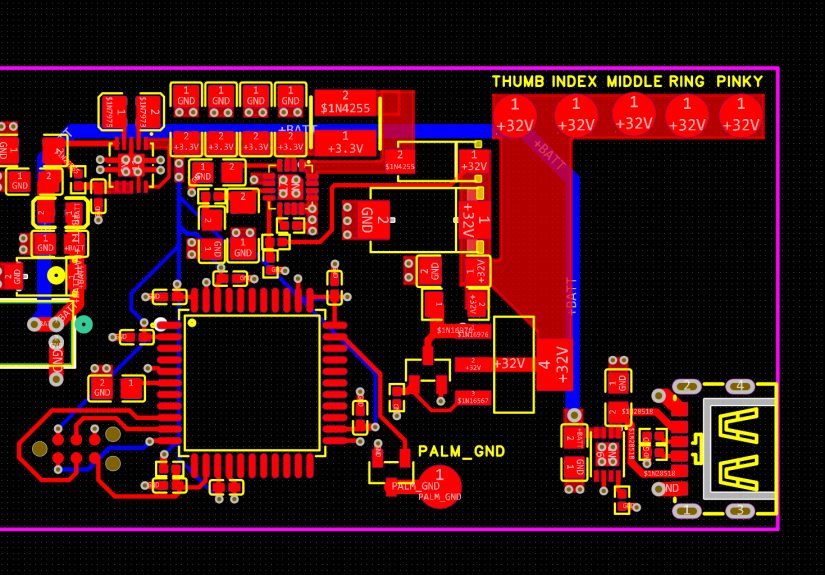
A PCB can absolutely be the heart of a modern pain-relief device. That part is true. Commercial TENS units depend on electronics to manage pulse timing, intensity, frequency, and user controls. But the leap from “a PCB is involved” to “therefore a homebuilt device is a good idea” is the same kind of leap that leads people to believe owning a whisk qualifies them to open a pastry school. A real medical-use product has to deal with output stability, user error, skin reactions, labeling, risk controls, and safe operation under ordinary, non-laboratory conditions.
What the Evidence Says About TENS for Pain Relief
Here is where the story gets interesting and mercifully less dramatic than internet hype. The evidence on TENS for pain relief is mixed, but not meaningless. Some reviews and clinical sources suggest that TENS may help certain people with acute or chronic pain, while other evidence summaries find the benefits inconsistent or too limited to support broad, sweeping claims. That means the honest answer is neither “TENS is a miracle” nor “TENS is useless.” The honest answer is that it may help some people, for some conditions, under some circumstances, and expectations should stay realistic.
Where TENS May Fit In
TENS is often discussed as part of a broader non-drug pain management approach. That can matter to people who want to reduce reliance on medication, explore physical therapy support, or add a noninvasive option to a clinician-guided plan. In practical life, that might include someone with persistent low back pain who is already doing exercise therapy, or a patient recovering from a procedure who needs multiple layers of pain support instead of one grand hero treatment riding in on a plastic clip and a set of sticky pads.
Why Expectations Need a Reality Check
What TENS often delivers best is not a cinematic “my pain vanished” moment, but a more modest possibility: temporary symptom relief, improved comfort during movement, or a small reduction in pain intensity that makes everyday activity more manageable. That can still be meaningful. If a person can walk a little farther, stretch a little easier, or get through physical therapy with less misery, that matters. Pain management is frequently about improving function and quality of life, not auditioning for a before-and-after commercial.
Why a DIY TENS Machine Crosses a Line
This is the section where the fun, improvisational energy of the maker world has to sit down and drink some water. A DIY TENS machine is not just a hobby gadget because it applies electrical stimulation to the body. Once you are dealing with current delivery to skin and nerves, safety is no longer a decorative afterthought. Output that is poorly controlled, mislabeled, unstable, or inappropriate for the user can create discomfort, skin problems, interference concerns, and avoidable risk.
Regulated devices exist for a reason. In the United States, TENS devices are part of a medical-device framework, and FDA materials make clear that electrical stimulators that have not met applicable requirements are not something consumers should shrug at and treat like an off-brand flashlight. Safety standards, intended use, controls, warnings, and testing are not glamorous topics, but neither is explaining to an urgent-care clinician why your “prototype wellness board” left you with irritated skin and an excellent story for absolutely the wrong audience.
There is also the issue of placement and personal health status. TENS is not something that should be used casually anywhere on the body. Certain areas are off-limits or require extra caution, and people with devices such as pacemakers or implantable cardioverter defibrillators should not treat electrical stimulation as a casual experiment. The same goes for damaged or numb skin, certain health conditions, and situations in which a person has no idea whether what they are treating is muscular pain, nerve pain, referred pain, or a problem that actually needs medical evaluation instead of a heroic amount of optimism.
The Real Risks People Underestimate
When readers hear “TENS risks,” they often imagine dramatic worst-case scenarios and miss the more common, practical problems. The first is misplaced confidence. If someone believes a homemade pain-relief device is automatically safe because it is low-voltage or battery-powered, they may ignore important details about skin contact, intensity control, electrode quality, or symptom red flags. The second is skin trouble. Even commercial systems can cause skin-site irritation in some users, which means a rough-and-ready home version is not exactly winning extra trust points.
The third risk is the sneakiest one: delayed proper care. Pain can be a symptom, not just an inconvenience. If someone uses a DIY stimulator to mute symptoms while missing an underlying injury, nerve issue, or condition that needs diagnosis, the device stops being a clever workaround and starts becoming a detour away from actual care. The body has a habit of sending warning signals for a reason. It is not always being dramatic. Sometimes it is filing a complaint.
Safer Alternatives to a DIY Build
If the appeal here is affordability, customization, or curiosity, there are safer roads. The first and most obvious is to consider a commercially available, appropriately regulated TENS unit and use it according to professional advice and product instructions. That route is less exciting than solder fumes and late-night forum threads, but it has one enormous advantage: it begins with a product designed for use on actual people rather than on a workbench beside loose jumper wires.
The second alternative is broader and, frankly, smarter: treat pain management as a system, not a single gadget. Depending on the condition, that may include exercise therapy, physical therapy, stretching, heat or cold, pacing activity, better sleep habits, stress reduction, medication when appropriate, or other clinician-guided options. A TENS unit may be one piece of that plan, but the smartest pain strategy is usually the one that respects how stubborn and complicated pain can be.
How to Talk About This Topic Responsibly
If you are writing, researching, or producing content around the idea that a DIY TENS machine is a pain-relief PCB, the most responsible framing is this: yes, a TENS device relies on electronics and circuit design, but no, that does not make it a casual starter project. The better story is not “build one at home.” The better story is “understand how regulated pain-relief electronics work, why they appeal to makers, and why body-contact medical devices deserve far more caution than ordinary consumer electronics.”
That framing is also more useful for readers. It helps them understand the technology without nudging them toward risky behavior. It respects real pain without promising shortcuts. And it acknowledges something modern wellness culture occasionally forgets: not every device that looks simple is simple, especially once it touches skin, affects sensation, and starts pretending it belongs in the same category as a weekend Bluetooth speaker project.
Experience, Curiosity, and the Temptation of a DIY Fix
One of the most relatable experiences around this topic has almost nothing to do with engineering and everything to do with being uncomfortable. Pain has a way of shrinking patience. A sore back can make a normal workday feel like a hostile negotiation with a chair. Neck pain can turn checking your blind spot into a scene from a low-budget action movie. When people start searching for answers, they do not always begin with “What is the most evidence-based, appropriately regulated, clinician-reviewed option?” They begin with “Please make this stop.” That urgency explains a lot about why the idea of a DIY TENS machine gets attention.
Another common experience is the seduction of technical confidence. Someone who understands boards, batteries, signal control, or embedded systems may look at a commercial TENS unit and think, “I know what this is doing.” And to a point, that feeling is fair. Yes, there is circuitry. Yes, pulse behavior can be described. Yes, electronics are involved. But understanding part of a system is not the same as safely reproducing the whole system for human use. Many smart people have learned the hard way that the body is not impressed by confidence, and nerves do not care how tidy your schematic looks.
Then there is the user experience problem that almost nobody mentions in the early excitement phase. Pain is personal, weird, and inconsistent. What feels tolerable one day may feel annoying the next. Electrode placement can matter. Skin sensitivity can matter. The type of pain can matter. Expectations can matter. A person can go into the rabbit hole hoping for a neat “tech solves pain” story and come out realizing that pain management is less like installing a gadget and more like adjusting a whole routine. That realization is not glamorous, but it is honest.
There is also a quiet emotional side to this subject. People living with recurring pain often become amateur researchers out of necessity. They compare options, read reviews, watch demonstrations, and try to decode every acronym that wanders through the pain-relief marketplace. TENS, EMS, stimulation, therapy mode, frequency settings, pads, programs, recovery mode, body map graphics that look suspiciously optimistic; it is a lot. When people get curious about a “pain-relief PCB,” they are often trying to regain control. That part deserves empathy. The internet loves to mock desperate hacks, but many people are not chasing novelty. They are chasing relief.
And that is exactly why the caution matters so much. When discomfort, curiosity, and technical skill collide, bad ideas can start to sound practical. A person may tell themselves they are only experimenting. They may assume that a small current means small risk. They may believe that because commercial devices are portable and simple-looking, the margin for error must be wide. In reality, the safer and wiser experience is usually the less dramatic one: learn how the technology works, respect what it is designed to do, choose regulated options, and treat pain as a health issue instead of a DIY challenge. It is not the flashiest ending, but it is the kind your nervous system would probably appreciate.
Conclusion
DIY TENS machine is a pain-relief PCB is a catchy phrase because it is partly true. Yes, TENS devices depend on electronics. Yes, circuit design is part of modern pain-relief hardware. But the phrase becomes misleading when it suggests that a medical-use stimulator is basically just another board project waiting for a free weekend and a soldering iron. It is not. A TENS unit sits at the intersection of electronics, physiology, product safety, and pain management. That is a place where respect matters more than improvisation.
The smartest takeaway is simple: understand the technology, appreciate the engineering, keep expectations realistic, and leave body-contact medical-device design to properly regulated products and qualified professionals. When pain relief is the goal, “safe and boring” can be a far better outcome than “creative and regrettable.”