Table of Contents >> Show >> Hide
- What Is Dulce de Leche Flan?
- Why You’ll Love This Dulce de Leche Flan Recipe
- Ingredients You’ll Need
- Equipment for the Best Flan
- How to Make Dulce de Leche Flan
- Recipe Tips for Silky Dulce de Leche Flan
- Common Mistakes to Avoid
- Flavor Variations
- How to Serve Dulce de Leche Flan
- How to Store Dulce de Leche Flan
- Experience Notes: What Making Dulce de Leche Flan Teaches You
- Conclusion
- SEO Tags
Some desserts politely enter the room. Dulce de leche flan makes an entrance, brings its own caramel spotlight, and somehow convinces everyone at the table that they have room for “just a tiny slice.” This rich, silky custard combines classic flan with dulce de leche, the creamy Latin American milk caramel known for its deep golden color and spoon-stopping flavor. The result is smooth, glossy, make-ahead friendly, and dramatic enough to look like you hired a pastry chef who speaks fluent caramel.
This Dulce de Leche Flan Recipe is designed for home cooks who want a reliable dessert without mystery, panic, or custard-related emotional damage. It uses simple ingredients: eggs, evaporated milk, dulce de leche, vanilla, a pinch of salt, and homemade caramel. The method is traditional enough to respect the dessert, but practical enough for a regular oven and a regular kitchen where someone may or may not have forgotten to unload the dishwasher.
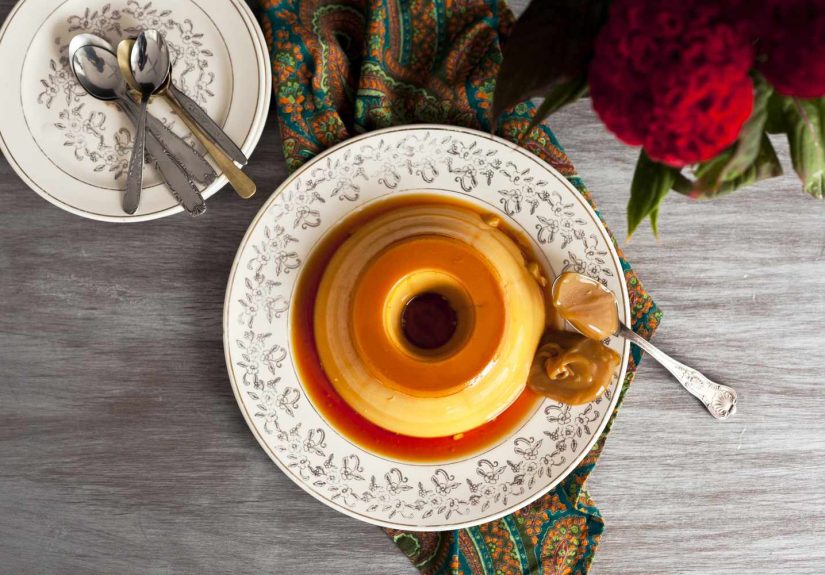
The secret to great dulce de leche flan is not complicated. Cook it gently, strain the custard, bake it in a water bath, chill it completely, and unmold it with confidence. Follow those steps and you get a flan that is creamy rather than rubbery, sweet but not flat, and topped with a shiny caramel sauce that flows over the sides like dessert lava in formal wear.
What Is Dulce de Leche Flan?
Dulce de leche flan is a caramel custard dessert made by blending dulce de leche into the custard base before baking. Traditional flan usually relies on eggs, milk, sugar, and vanilla. This version adds dulce de leche for a deeper flavor that tastes like toasted milk, butterscotch, caramel, and sweet cream decided to become best friends.
Flan is popular throughout Latin America, Spain, the Philippines, and many other parts of the world, with each region adding its own personality. Some versions use whole eggs. Others rely mostly on egg yolks for a richer texture. Some include cream cheese, coconut milk, citrus zest, coffee, or condensed milk. Dulce de leche flan stands out because it layers caramel on caramel: first the traditional amber caramel coating in the pan, then the dulce de leche custard itself.
If classic flan is smooth jazz, dulce de leche flan is smooth jazz with a velvet jacket. It is still elegant and creamy, but it brings a warmer, richer flavor that makes it perfect for holidays, Sunday dinners, birthdays, potlucks, or any night when “fruit for dessert” simply will not do.
Why You’ll Love This Dulce de Leche Flan Recipe
This recipe has the magic combination every home baker loves: it looks impressive, tastes luxurious, and can be made ahead. In fact, flan actually improves after chilling because the custard firms up and the caramel has time to loosen into a sauce. That means you can make it the day before serving and walk into dessert hour looking relaxed, organized, and suspiciously powerful.
The texture is the biggest win. A good flan should be creamy, sliceable, and delicate, with a gentle jiggle in the center. It should not be foamy, grainy, or stiff enough to bounce off the table. This version uses a low-and-slow approach with a water bath to protect the custard from harsh oven heat. The custard is also strained before baking to remove bubbles or bits of egg, which helps create that polished, restaurant-style finish.
The flavor is another reason this recipe earns repeat status. Dulce de leche adds a roasted sweetness that is more complex than plain sugar. A little salt keeps the dessert from tasting too sweet, while vanilla rounds everything out. The caramel topping adds a bittersweet edge that balances the rich custard beautifully.
Ingredients You’ll Need
For the Caramel
- 1 cup granulated sugar
- 1/4 cup water
- 1 teaspoon fresh lemon juice or light corn syrup, optional, to help prevent crystallizing
For the Dulce de Leche Custard
- 1 can dulce de leche, about 13 to 14 ounces
- 1 can evaporated milk, 12 ounces
- 4 large eggs
- 2 large egg yolks
- 1 teaspoon pure vanilla extract
- 1/4 teaspoon fine salt
- 1/2 cup whole milk or heavy cream, for a softer, richer custard
Use store-bought dulce de leche for convenience. Look for a thick, glossy product made from milk and sugar. If it is very stiff, warm it slightly before mixing so it blends smoothly into the custard. Avoid using thin caramel syrup as a direct replacement; caramel and dulce de leche are related in spirit but not identical in flavor or texture.
Equipment for the Best Flan
- 8-inch round cake pan or flan mold
- Large roasting pan for the water bath
- Medium saucepan for caramel
- Blender or mixing bowl and whisk
- Fine-mesh strainer
- Aluminum foil
- Thin knife or offset spatula for unmolding
- Large rimmed serving plate
A round cake pan works beautifully, but make sure your serving plate has a rim. When the flan is unmolded, the caramel sauce will pour out generously. A flat plate may turn your big dessert reveal into a caramel escape scene.
How to Make Dulce de Leche Flan
Step 1: Make the Caramel
Add the sugar, water, and lemon juice or corn syrup to a medium saucepan. Place the pan over medium heat and let the sugar dissolve. Do not stir once the mixture starts bubbling. Instead, gently swirl the pan as needed. Stirring can encourage sugar crystals, and sugar crystals are the tiny villains of smooth caramel.
Cook until the syrup turns a deep amber color, about 8 to 12 minutes. Watch closely near the end because caramel goes from golden to burnt faster than a teenager closes a laptop when a parent enters the room. Immediately pour the caramel into your cake pan and tilt the pan carefully to coat the bottom. Set it aside while you make the custard.
Step 2: Warm the Dulce de Leche
If your dulce de leche is thick, spoon it into a microwave-safe bowl and warm it for 15 to 25 seconds, just until loosened. You can also warm it gently in a small saucepan over low heat. It should be pourable, not boiling. This simple step makes it easier to blend into the custard without leaving little caramel pockets behind.
Step 3: Blend the Custard
In a blender, combine the dulce de leche, evaporated milk, eggs, egg yolks, vanilla extract, salt, and whole milk or heavy cream. Blend on low speed just until smooth, about 20 to 30 seconds. Do not overblend. Too much blending adds air bubbles, and air bubbles can create little holes in the finished flan.
If you do not have a blender, whisk the eggs and yolks in a bowl first, then slowly whisk in the dulce de leche, evaporated milk, vanilla, salt, and milk or cream. The mixture should be smooth and evenly colored.
Step 4: Strain the Custard
Pour the custard through a fine-mesh strainer directly over the caramel-coated pan. This step may feel fussy, but it is one of the easiest ways to improve texture. Straining catches bits of egg, foam, and unmixed dulce de leche, giving the finished dessert a silkier finish.
Step 5: Prepare the Water Bath
Preheat the oven to 325°F. Place the filled flan pan inside a large roasting pan. Cover the flan pan loosely with foil. Transfer the roasting pan to the oven rack, then carefully pour hot water into the roasting pan until it reaches halfway up the sides of the flan pan.
The water bath, also called a bain-marie, helps the custard bake gently and evenly. Without it, the edges can overcook before the center sets. With it, your flan gets a calm spa day instead of a scorching oven tantrum.
Step 6: Bake Until Just Set
Bake for 55 to 75 minutes, depending on your pan, oven, and custard depth. The flan is ready when the edges are set and the center still has a gentle wobble. It should not look liquid, but it should not be completely firm either. Think soft jiggle, not earthquake.
If you use an instant-read thermometer, the center should be around 175°F to 180°F. Avoid overbaking because eggs tighten as they cook, and overcooked custard can become grainy or rubbery.
Step 7: Cool and Chill
Remove the flan pan from the water bath and let it cool at room temperature for about 1 hour. Then refrigerate for at least 6 hours, preferably overnight. This chilling time is not optional if you want clean slices and a confident unmold. Warm flan is delicious in theory, but it unmolds with the structural integrity of a dramatic soap opera character.
Step 8: Unmold and Serve
Run a thin knife around the edge of the chilled flan. Place a large rimmed serving plate upside down over the pan. Hold the plate and pan firmly together, then flip in one smooth motion. Let it sit for a few seconds. You may hear the soft, glorious sound of caramel releasing. Lift the pan slowly and admire your masterpiece.
Spoon any remaining caramel from the pan over the top. Slice with a clean knife and serve chilled.
Recipe Tips for Silky Dulce de Leche Flan
Use Gentle Heat
Custard loves patience. Baking at 325°F gives the eggs time to set slowly, which helps prevent curdling. Higher heat may cook the flan faster, but it also increases the risk of bubbles, cracks, and a texture that feels more like sweet scrambled eggs than dessert.
Do Not Skip the Water Bath
The water bath is the insurance policy for creamy flan. It cushions the custard from direct oven heat and helps maintain a steady temperature. Use hot water, but do not let it boil aggressively in the oven. If the water bath bubbles hard, the custard may bubble too.
Strain for Smoothness
Even a well-blended custard can have small egg particles or foam. Straining is quick and makes the difference between homemade-good and bakery-window-good.
Chill Overnight When Possible
Six hours will work, but overnight is better. The flavor deepens, the custard firms, and the caramel has more time to turn saucy. Make-ahead desserts are a gift to future you.
Common Mistakes to Avoid
Burning the Caramel
Caramel should be deep amber, not blackened. If it smells harsh or smoky, start over. Burnt caramel will make the whole flan taste bitter. A slight bittersweet edge is wonderful; full campfire regret is not.
Overmixing the Custard
Blend only until smooth. If the mixture gets foamy, let it sit for 10 minutes before straining. You can also skim off bubbles with a spoon.
Unmolding Too Soon
Patience matters. A flan that has not chilled fully may break when flipped. The dessert needs time to set, and you need time to practice your dramatic serving-table reveal.
Using the Wrong Plate
Always use a rimmed plate. The caramel sauce is part of the experience, but it should be on the dessert, not traveling across your countertop with ambition.
Flavor Variations
Once you master the basic dulce de leche flan recipe, you can customize it in small ways without changing the structure too much. Add 1/2 teaspoon cinnamon for warmth, or a pinch of espresso powder to deepen the caramel notes. Orange zest adds brightness, while a tablespoon of dark rum gives the dessert a more grown-up, holiday-style flavor. For a coconut twist, replace the whole milk or cream with full-fat coconut milk.
You can also make individual dulce de leche flans in ramekins. Divide the caramel among six to eight ramekins, add the custard, cover with foil, and bake in a water bath. Start checking around 35 minutes. Individual flans chill faster, unmold easily, and make dinner guests feel like you planned dessert with their personal happiness in mind.
How to Serve Dulce de Leche Flan
Dulce de leche flan is rich, so it pairs well with simple toppings. Fresh berries, sliced strawberries, or orange segments add brightness. Lightly whipped cream is lovely, though not necessary. Toasted coconut, chopped toasted pecans, or a tiny sprinkle of flaky salt can add contrast.
For drinks, serve it with coffee, espresso, black tea, or a glass of cold milk. The creamy caramel flavor also works beautifully after a spicy meal, especially tacos, enchiladas, grilled chicken, roasted pork, or dishes with chili and citrus. The cool custard balances bold flavors and ends dinner on a smooth note.
How to Store Dulce de Leche Flan
Store leftover flan covered in the refrigerator for up to 3 days. Keep it in an airtight container or cover the serving plate tightly with plastic wrap. The caramel sauce may thin as it sits, which is normal and delicious.
Freezing is not recommended. Custards can separate after thawing, and the texture may become watery or grainy. Since this dessert keeps well in the refrigerator, it is better to make it a day ahead rather than freeze it.
Experience Notes: What Making Dulce de Leche Flan Teaches You
Making dulce de leche flan is one of those kitchen experiences that feels a little intimidating the first time and wonderfully satisfying every time after. The recipe asks for calm attention, not advanced pastry training. You learn to watch caramel by color and smell, to trust a gentle jiggle, and to understand that dessert sometimes needs a full night in the refrigerator to become its best self. Honestly, there is a life lesson in there somewhere, but let’s not make the custard carry too much emotional labor.
The first memorable moment is making the caramel. At the beginning, it looks like nothing is happening. Then the syrup bubbles, the edges turn pale gold, and suddenly the whole pan shifts into amber territory. That is the moment to stay nearby. Caramel rewards attention and punishes multitasking. This is not the time to answer a message, reorganize the spice drawer, or wonder whether the dog understands economics. Once the caramel is ready, pouring it into the pan feels dramatic and slightly dangerous in the best responsible-kitchen way.
The second experience is learning how little effort the custard actually needs. Many people assume a fancy-looking flan requires complicated technique, but the custard is basically a smooth mixture of dairy, eggs, dulce de leche, vanilla, and salt. The real skill is restraint. Blend gently. Strain carefully. Bake slowly. Chill completely. That is the rhythm of good flan. It is less about doing more and more about not rushing the important parts.
Serving the flan is the grand finale. There is always a tiny suspenseful pause after flipping the pan. Will it release? Will the caramel flow? Will the top shine like a dessert commercial? When it works, and it usually does if the flan is properly chilled, the reveal feels ridiculously rewarding. The custard slides out, caramel spills over the top, and everyone nearby suddenly becomes very interested in helping “taste test.” This is the kind of dessert that makes people hover in the kitchen with forks before dinner is even cleared.
One practical experience worth remembering: dulce de leche flan tastes best when served cold but not icy. Letting it sit at room temperature for 10 minutes before slicing softens the texture just enough for the flavors to open up. The custard becomes creamier, the caramel tastes fuller, and the dulce de leche flavor comes forward. It is a small detail, but small details are often what turn a good dessert into the one people ask about later.
This recipe also teaches you the value of make-ahead desserts. There is something deeply comforting about knowing dessert is already finished before guests arrive. No last-minute frosting, no collapsing soufflé, no “just give me twenty more minutes” chaos. Dulce de leche flan sits quietly in the fridge, getting better while you do literally anything else. That alone makes it a strong candidate for holidays, family dinners, and celebrations where oven space is precious.
Conclusion
Dulce de leche flan is creamy, elegant, deeply caramelized, and surprisingly achievable at home. With a smooth custard base, a glossy caramel topping, and the rich flavor of dulce de leche, it delivers everything people love about classic flan with an extra layer of warmth and sweetness. The key is gentle baking, a proper water bath, careful chilling, and a confident flip at the end.
Serve it for a special occasion or make it simply because the day needs caramel. Either way, this dulce de leche flan recipe proves that a few humble ingredients can become a dessert that looks polished, tastes luxurious, and disappears faster than anyone wants to admit.
Note: This article is written for web publishing in standard American English and focuses on practical cooking guidance, real flan-making methods, and reader-friendly SEO structure without inserting source links or unnecessary reference tags.