Table of Contents >> Show >> Hide
- What Makes a Great Ventriloquist?
- List of Top Male Ventriloquists
- Jeff Dunham: Arena-filling ventriloquist comedian
- Terry Fator: Vegas superstar with a voice for everyone
- Edgar Bergen: The radio-era icon
- Paul Winchell: Ventriloquist, voice actor, and inventor
- Ronn Lucas: Technically brilliant comedy ventriloquist
- Jay Johnson: The sitcom and Broadway standout
- Willie Tyler: Veteran ventriloquist with Lester
- Other notable male ventriloquists you’ll hear about
- Experiences and Insights: What It’s Like to Watch Top Ventriloquists Live
- Why Famous Male Ventriloquists Still Matter
At first glance, ventriloquism looks like sorcery with a side of sarcasm: a performer stands on stage, barely moving their lips, while a wooden troublemaker says everything you wish you could get away with. For more than a century, famous male ventriloquists have filled radio waves, TV screens, Vegas theaters, and comedy clubs with fast jokes and even faster comebacks.
From early radio icons like Edgar Bergen and his top-hatted sidekick Charlie McCarthy to modern arena-level stars like Jeff Dunham and Las Vegas headliner Terry Fator, male ventriloquists have shaped the way audiences think about comedy, puppets, and live performance. Some built their reputations on family-friendly children’s shows; others leaned into sharp, adult humor. All of them share one skill: they make it impossible to look away.
This list of top male ventriloquists blends legends from the golden age of radio and television with contemporary ventriloquist comedians who sell out tours and headline major casinos. Along the way, you’ll see how their characters, voices, and jokes helped ventriloquism evolve from novelty act to mainstream headliner status.
Whether you’re a casual fan or secretly practicing with a thrift-store dummy in your closet (no judgment), use this guide to discover the most famous male ventriloquists and what makes each one special.
What Makes a Great Ventriloquist?
Before we dive into the list, it helps to understand why some ventriloquists become household names while others remain niche favorites. Being a “top” male ventriloquist is about much more than technical skill. It’s a combination of stagecraft, character creation, and an almost ruthless commitment to the bit.
1. Technical mastery (a moving mouth is the enemy)
Classic ventriloquism requires the ability to speak without obvious jaw movement. Performers train for years to reshape consonants, control airflow, and use their tongue and soft palate to form sounds normally created with the lips. Masters like Ronn Lucas are praised for routines where their faces barely move, even at rapid-fire “auctioneer” speeds.
2. Memorable characters with their own personalities
The puppet isn’t just a prop; it’s a second comedian on stage. Edgar Bergen’s Charlie McCarthy became so famous that he was treated like a real celebrity, complete with a distinctive voice, wardrobe, and attitude. Modern stars like Jeff Dunham follow the same formula with characters such as Peanut, Walter, and Achmed that audiences talk about as if they’re real people.
3. Storytelling, timing, and crowd control
Great ventriloquists are great writers and directors too. They manage pacing, build tension, and time punchlines so that the “conversation” with the puppet feels natural and unpredictable. They also read the room, adjusting jokes and improvising with hecklers or enthusiastic fans. In large venues and Vegas shows, this showmanship can be as important as the technical ventriloquism itself.
4. Adaptability across eras and platforms
The most famous male ventriloquists have adapted to whatever medium dominated their era: radio, TV variety shows, family sitcoms, talent competitions, streaming platforms, even TikTok clips. That flexibility helps explain why some names keep coming up decade after decade.
List of Top Male Ventriloquists
Below is a curated list of some of the most famous male ventriloquists in history and today. It isn’t every male ventriloquist on the planet, but it includes many of the most influential and widely recognized performers.
Jeff Dunham: Arena-filling ventriloquist comedian
When many people think of a modern ventriloquist, they think of Jeff Dunham. Born in Texas, Dunham started practicing ventriloquism as a child and turned that obsession into one of the most successful comedy careers on record. He’s known for headlining arena tours, multiple Comedy Central and streaming specials, and even holding a Guinness World Record for selling the most tickets for a stand-up comedy tour.
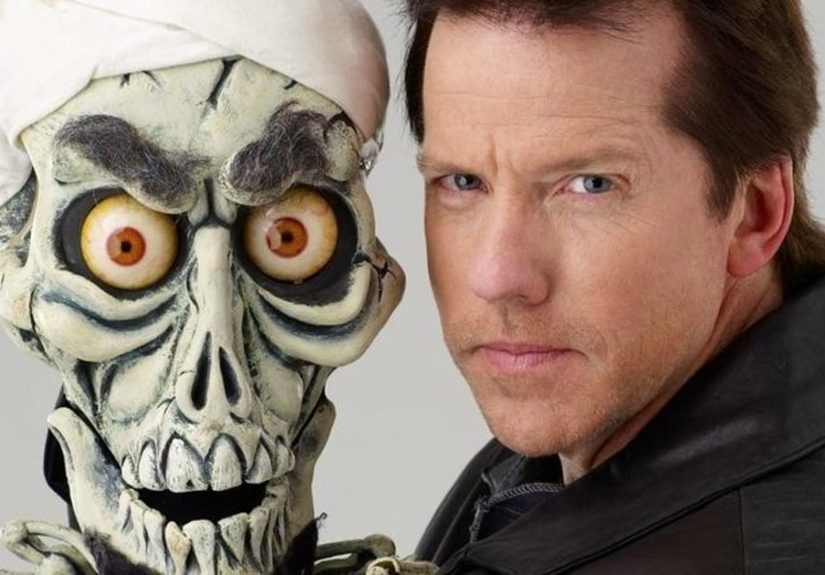
Dunham’s strength is his cast of sharply drawn puppet personalities. Walter is the permanently annoyed retiree; Peanut is chaotic energy in fuzzy form; José Jalapeño “on a steek” and Achmed the Dead Terrorist push boundaries with politically incorrect humor. Whether you love or critique his style, Dunham has proven that a ventriloquist can pack venues usually reserved for rock stars and pop icons.
- Signature style: High-energy stand-up fused with multi-character banter.
- Where you’ve seen him: Comedy Central specials, Netflix specials, arena tours, and international tours.
- Why he’s on this list: He reintroduced ventriloquism to a massive mainstream audience in the 21st century.
Terry Fator: Vegas superstar with a voice for everyone
Terry Fator exploded into public consciousness after winning season 2 of America’s Got Talent. His combination of ventriloquism, musical impressions, and heartfelt storytelling turned him from fairground performer to Las Vegas headliner almost overnight. He landed a multi-million-dollar Vegas contract and has since been a marquee name on the Strip, performing at major casinos in long-running residencies.
What sets Fator apart is his vocal range. Through his puppets, he covers everything from rock and country to classic standards, jumping between uncanny impressions of famous singers. Fans get a full concert and a comedy act at the same time, with characters that sing duets, argue with each other, and flirt with the audience.
- Signature style: Musical ventriloquism with celebrity impressions and soulful ballads.
- Where you’ve seen him: America’s Got Talent, Las Vegas residencies, national tours.
- Why he’s on this list: He proved ventriloquism could win a high-profile talent competition and anchor a major Vegas show for years.
Edgar Bergen: The radio-era icon
Edgar Bergen is often called the quintessential ventriloquist of the 20th century. Long before streaming, Bergen and his dummy Charlie McCarthy dominated American radio, which is especially impressive for a visual art form. His act also included Mortimer Snerd and other characters, but Charliecomplete with tuxedo, monocle, and razor-sharp witbecame the breakout star.
Bergen wasn’t known as the most technically perfect ventriloquist, but audiences adored his chemistry with his characters. Charlie’s wisecracks, flirtations, and insults made him feel like a living personality. The dummy became so famous that it ended up in museum collections after Bergen’s death, cementing its place in pop-culture history.
- Signature style: Sophisticated, dialogue-driven comedy with a mischievous puppet co-host.
- Where you’ve seen him: Classic radio programs, early TV appearances, and film cameos.
- Why he’s on this list: He helped turn ventriloquism into mainstream entertainment at a national scale.
Paul Winchell: Ventriloquist, voice actor, and inventor
Paul Winchell was a multi-hyphenate long before that was trendy. Known as a ventriloquist, comedian, children’s TV host, and voice actor, he entertained generations with characters like Jerry Mahoney and Knucklehead Smiff. Kids who never saw his ventriloquism still know his voice as Tigger from Disney’s Winnie the Pooh and other iconic animated characters.
Beyond the stage and screen, Winchell also had a serious inventive side. He worked on medical devices and patented an early form of a mechanical artificial heart. This unusual combination of technical curiosity and show-business flair makes him one of the most fascinating figures in ventriloquism history.
- Signature style: Family-friendly ventriloquism mixed with television hosting and voice acting.
- Where you’ve seen him: Classic kids’ TV, Disney animation, and variety shows.
- Why he’s on this list: He expanded what a ventriloquist could beentertainer, educator, and inventor.
Ronn Lucas: Technically brilliant comedy ventriloquist
Ronn Lucas is frequently praised by fans and critics as one of the most technically skilled ventriloquists working today. Based in the U.S., he has headlined multiple long-running Las Vegas shows and performed for presidents, royalty, and international audiences. His routines often feature a wisecracking dragon, a cowboy, and even a talking microphone.
Lucas’s appeal comes from how effortlessly he blends classic ventriloquism technique with modern, adult-oriented comedy. He’s the kind of performer other ventriloquists point to when they want to show “perfect” lip control and timing.
- Signature style: Extremely clean technique with clever, fast-paced routines.
- Where you’ve seen him: Vegas casinos, TV appearances, and live specials.
- Why he’s on this list: He’s widely regarded as one of the technically strongest performers in the craft.
Jay Johnson: The sitcom and Broadway standout
Jay Johnson became widely known for his role on the TV sitcom Soap, where he played Chuck, a ventriloquist who treated his dummy Bob as if he were fully alive and independent. The show gave mainstream audiences a taste of ventriloquism as part of a scripted narrative rather than a stand-up or variety act.
Johnson later created and starred in the one-man Broadway show Jay Johnson: The Two and Only!, which explored his life, career, and relationship with his various characters. The production earned critical acclaim and a Tony Award, showing that ventriloquism could carry a full-length theatrical piece all on its own.
- Signature style: Character-driven storytelling that blurs the line between ventriloquist and actor.
- Where you’ve seen him: Soap, stage shows, and guest TV appearances.
- Why he’s on this list: He elevated ventriloquism into award-winning theater.
Willie Tyler: Veteran ventriloquist with Lester
Willie Tyler is a longtime American ventriloquist and comedian who performs with his partner, Lester. He gained national exposure in the 1960s and 1970s through TV variety shows, including Rowan & Martin’s Laugh-In, and has appeared in numerous commercials, sitcoms, and live events.
Tyler’s material often blends music, observational humor, and warm back-and-forth exchanges with Lester. Over the decades, he has remained a respected figure in the comedy scene, proving that classic ventriloquism can adapt and stay relevant.
- Signature style: Music-infused, conversational ventriloquism with a strong emphasis on personality.
- Where you’ve seen him: TV variety shows, comedy clubs, and special events.
- Why he’s on this list: Longevity, consistency, and a beloved on-stage partnership with Lester.
Other notable male ventriloquists you’ll hear about
While the performers above are some of the most widely recognized, many lists of famous male ventriloquists also include names like:
- Paul Zerdin – British ventriloquist and winner of America’s Got Talent season 10, known for sharp timing and interactive routines.
- Dan Horn – A respected American ventriloquist praised for smooth technique and creative characters.
- Various international acts – From Latin America to Europe and Asia, male ventriloquists continue to bring local language and cultural flavor to an art form historically dominated by English-language performers.
Experiences and Insights: What It’s Like to Watch Top Ventriloquists Live
Reading a list of famous male ventriloquists is one thing; actually seeing them perform is something else entirely. If you’ve ever sat in a theater, stared at a puppet, and caught yourself answering it in your head, you already know how strange and delightful the experience can be.
The “wait, I know he’s doing this… but how?” moment
One of the most common audience reactions is a kind of amused confusion. Your brain understands that the ventriloquist is supplying the voice, yet the puppet’s movements are so perfectly matched that your attention shifts away from the human entirely. In big arena shows, huge screens zoom in on the performer’s face, and it’s still hard to catch obvious lip movement. That feeling of “this shouldn’t work, but it does” is part of the magic.
Two characters, one performer, real emotional impact
In the best routines, you forget that one person is controlling both sides of the dialogue. You see this especially in shows where the puppet becomes vulnerable for a momentnervous about singing, jealous of another character, or even curious about human emotions. The ventriloquist responds as a friend, coach, or exasperated parent. The scene may be played for laughs, but there’s often an underlying emotional thread that gives the act depth.
For fans of performers like Terry Fator, those emotional beats often happen during songs. A puppet might joke around between verses, then suddenly deliver a sincere, surprisingly powerful vocal performance. The audience shifts from laughter to silence to applause in a few seconds, and you can feel the mood in the room flip.
How humor lands differently when a puppet says it
Another big part of the ventriloquist experience is how edgy jokes feel “safer” coming from a puppet. When a cranky old-man dummy is grumbling about traffic, marriages, or politics, people laugh at things they might not accept as easily from a solo stand-up. That doesn’t mean every line works for every audience, but it does explain why some of the most famous male ventriloquists lean into controversial topics via their characters.
Puppets can be bratty, clueless, flirtatious, or brutally honest in ways that would make a regular human look mean. The puppet becomes a pressure valve for social tension. Viewers get to laugh, roll their eyes, and occasionally groanbut they stay engaged because the character feels oddly real.
What fans often take away from shows
Fans who attend ventriloquist shows, whether on the Strip or in small-town theaters, often walk away talking about three things:
- The timing: Audiences marvel at how fast conversations move and how clean the back-and-forth feels, especially when multiple puppets are involved.
- The technical discipline: Even people who know nothing about ventriloquism can recognize that this level of skill required thousands of hours of practice.
- The unexpected emotional moments: Many shows weave in heartwarming stories, tributes, or personal anecdotes that catch people off guardin a good way.
Why ventriloquism still feels fresh in a digital world
In a time of CGI, filters, and AI voices, ventriloquism is surprisingly refreshing because it’s unmistakably live. You can see the puppet, hear the voice, watch the improvisation in real time, and know that what you’re experiencing is happening right in front of you. That sense of “anything could go wrong, but doesn’t” adds a thrill that streaming clips can’t fully replicate.
For many people, a great ventriloquist show becomes a core memory: the night they laughed so hard their cheeks hurt, or the evening they watched a wooden dummy sing a love ballad better than most karaoke bars could dream of. Those are the experiences that keep fans lining up for tours, residencies, and reunion shows long after the first viral clip fades.
Why Famous Male Ventriloquists Still Matter
Famous male ventriloquists have done more than just tell jokes with puppets. They’ve carried live performance traditions through changing media, shaped comedy styles, and inspired new generations of performers who see a puppet not as a toy, but as a co-star.
From Edgar Bergen’s radio fame and Paul Winchell’s inventive career to Jeff Dunham’s arena tours and Terry Fator’s Vegas success, each performer on this list shows a different way to make ventriloquism work in their time. Together, they prove that as long as audiences enjoy sharp dialogue, bold characters, and a little illusion, ventriloquism will keep talkingno strings attached.