Table of Contents >> Show >> Hide
- Why Food Matters When You Have Diabetic Retinopathy
- 1. Leafy Green Vegetables: The Retina’s Favorite Salad Bar
- 2. Fatty Fish: Omega-3 Support for Blood Vessels and Eyes
- 3. Beans, Lentils, and Chickpeas: Fiber With Superpowers
- 4. Colorful Vegetables and Fruits: Antioxidants Without the Confetti Cannon
- 5. Whole Grains: Choose the Slow Burn
- 6. Nuts and Seeds: Small Foods, Big Benefits
- 7. Extra-Virgin Olive Oil and Avocado: Healthy Fats With Style
- 8. Eggs and Low-Fat Dairy: Protein Plus Eye-Friendly Nutrients
- Foods to Limit for Better Blood Sugar and Eye Health
- A Simple Diabetic Retinopathy-Friendly Plate
- Sample One-Day Meal Plan
- Practical Tips for Making These Foods Work
- Experience-Based Section: What Eating for Diabetic Retinopathy Can Feel Like in Real Life
- Conclusion
Note: This article is for educational purposes only and should not replace care from an ophthalmologist, endocrinologist, registered dietitian, or other qualified health professional. Food cannot “cure” diabetic retinopathy, but the right eating pattern may support steadier blood sugar, healthier blood vessels, better cholesterol levels, and overall eye health.
Diabetic retinopathy sounds like the kind of term that belongs in a medical textbook with tiny print and zero snacks nearby. In real life, it is much more personal: it is a diabetes-related eye disease that affects the tiny blood vessels in the retina, the light-sensitive tissue at the back of the eye. When blood sugar stays high over time, those delicate vessels can weaken, leak, swell, or grow abnormally. The result may be blurry vision, dark spots, trouble reading, or in serious cases, vision loss.
Here is the good news: your dinner plate is not a magic wand, but it can be a powerful supporting character in the story. Think of it as the reliable friend who shows up with vegetables, fiber, healthy fats, and a calm attitude. A balanced diet can help manage blood glucose, blood pressure, cholesterol, inflammation, and weightall factors that matter for people with diabetes and diabetic retinopathy.
This guide explores foods that may be beneficial for diabetic retinopathy, including leafy greens, fatty fish, beans, berries, whole grains, nuts, seeds, and Mediterranean-style meals. We will keep it practical, science-based, and friendly enough that your broccoli does not feel like homework.
Why Food Matters When You Have Diabetic Retinopathy
Diabetic retinopathy is closely linked to long-term blood sugar control. High glucose can damage small blood vessels throughout the body, including those in the retina. But blood sugar is only part of the picture. Blood pressure and cholesterol also influence the health of retinal blood vessels. That means a smart diabetic retinopathy diet is not just about avoiding dessert. It is about building meals that support the whole vascular system.
The most helpful eating approach is usually not extreme. It does not require living on steamed sadness or pretending cauliflower is birthday cake. Instead, it focuses on consistent, nutrient-dense meals: non-starchy vegetables, lean protein, high-fiber carbohydrates, heart-healthy fats, and limited added sugars, refined grains, and excess sodium.
The Main Nutrition Goals
A food plan for diabetic eye health should aim to:
- Support stable blood sugar after meals
- Provide antioxidants that help protect cells from oxidative stress
- Promote healthy blood pressure and cholesterol levels
- Include anti-inflammatory fats, especially omega-3 fatty acids
- Encourage a healthy body weight without overly restrictive dieting
- Make meals enjoyable enough to repeat in real life
1. Leafy Green Vegetables: The Retina’s Favorite Salad Bar
Leafy greens are among the best foods for eye health because they contain lutein and zeaxanthin, two carotenoids concentrated in the eye. These compounds are often discussed for their role in supporting the macula, the central part of the retina responsible for sharp vision. While they are not a treatment for diabetic retinopathy, leafy greens are a smart addition to a diabetes-friendly eating plan.
Great choices include spinach, kale, collard greens, Swiss chard, romaine lettuce, turnip greens, and mustard greens. They are low in carbohydrates, rich in vitamins and minerals, and easy to add to meals. Toss spinach into an omelet, stir kale into soup, or use romaine as the crunchy base for a grilled chicken salad.
For better flavor, do not punish the greens. Add olive oil, lemon juice, garlic, herbs, or a sprinkle of nuts. Vegetables behave much better when they are not treated like a courtroom sentence.
2. Fatty Fish: Omega-3 Support for Blood Vessels and Eyes
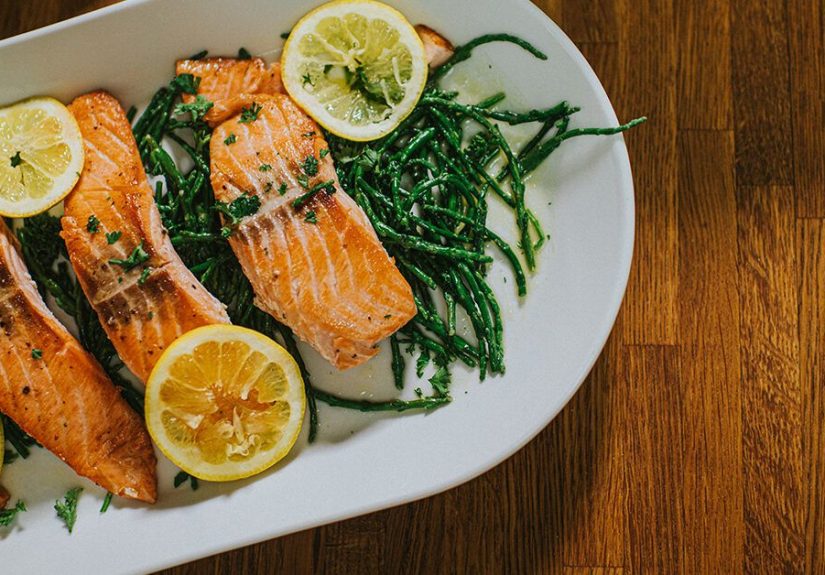
Fatty fish such as salmon, sardines, trout, mackerel, anchovies, and herring provide omega-3 fatty acids, especially EPA and DHA. These fats are known for supporting heart health and may also help maintain healthy blood vessels and retinal function. Some research has linked higher intake of oily fish or marine omega-3s with a lower risk of sight-threatening diabetic retinopathy, particularly in people with type 2 diabetes.
A practical goal is to eat fish about twice per week, especially baked, grilled, broiled, or poached fish. Fried fish sandwiches, while delicious, do not bring the same nutrition résumé to the table. Pair salmon with roasted Brussels sprouts and quinoa, or try sardines on whole-grain toast with tomato and avocado.
If you do not eat fish, consider plant-based omega-3 sources such as chia seeds, ground flaxseed, walnuts, and soy foods. These contain ALA, a different omega-3 that the body converts only partly into EPA and DHA, but they still contribute healthy fats and fiber.
3. Beans, Lentils, and Chickpeas: Fiber With Superpowers
Beans and lentils deserve more applause. They are affordable, filling, versatile, and loaded with fiber. For people with diabetes, fiber is especially helpful because it slows digestion and can reduce sharp blood sugar spikes after meals. High-fiber foods may also support cholesterol management, which matters because diabetic retinopathy risk is influenced by vascular health.
Try black beans, kidney beans, pinto beans, lentils, split peas, chickpeas, and edamame. Add them to soups, salads, tacos, grain bowls, or veggie chili. A bowl of lentil soup with leafy greens and a side salad can be deeply satisfying without sending blood sugar on a roller-coaster ride.
If beans cause digestive drama, start with small portions, rinse canned beans well, and increase slowly. Your gut may need a polite adjustment period.
4. Colorful Vegetables and Fruits: Antioxidants Without the Confetti Cannon
Colorful produce contains vitamins, minerals, fiber, and plant compounds that support overall health. For diabetic retinopathy, the goal is not to chase one miracle fruit. It is to eat a variety of produce regularly, especially non-starchy vegetables and modest portions of whole fruit.
Good choices include bell peppers, carrots, tomatoes, broccoli, zucchini, eggplant, asparagus, cabbage, berries, citrus fruits, apples, pears, and peaches. Berries are especially useful because they offer fiber and antioxidants with a relatively modest carbohydrate load compared with many sweet snacks.
Whole fruit is generally better than fruit juice for people with diabetes because it contains fiber and is less likely to cause a fast glucose spike. Orange slices are useful. A giant glass of orange juice is basically fruit sprinting through your bloodstream in running shoes.
5. Whole Grains: Choose the Slow Burn
Whole grains can fit into a diabetic retinopathy-friendly diet when portions are sensible and the grains are minimally processed. Compared with refined grains, whole grains usually contain more fiber, magnesium, and nutrients. They digest more slowly, which may help with steadier blood sugar.
Examples include oats, barley, quinoa, brown rice, farro, bulgur, whole-wheat pasta, and 100% whole-grain bread. Oats are a strong breakfast option because they contain soluble fiber. Try steel-cut or old-fashioned oats topped with walnuts, cinnamon, and a small portion of berries. Skip the sugar-loaded instant packets that taste like dessert wearing a breakfast costume.
Portion size still matters. A diabetes-friendly plate often places high-fiber carbohydrates in about one-quarter of the plate, alongside non-starchy vegetables and lean protein.
6. Nuts and Seeds: Small Foods, Big Benefits
Nuts and seeds bring healthy fats, plant protein, fiber, vitamin E, magnesium, and crunch. Almonds, walnuts, pistachios, pecans, chia seeds, flaxseed, pumpkin seeds, and sunflower seeds can all be useful additions to meals and snacks.
Walnuts provide plant-based omega-3 fats. Almonds and sunflower seeds offer vitamin E, an antioxidant nutrient. Chia and flaxseed add fiber and can be stirred into yogurt, oatmeal, or smoothies. Because nuts are calorie-dense, a small handful is usually enough. The goal is “smart snack,” not “accidentally ate a family-size jar while answering email.”
7. Extra-Virgin Olive Oil and Avocado: Healthy Fats With Style
A Mediterranean-style diet is often discussed for diabetes and cardiovascular health because it emphasizes vegetables, fruits, legumes, whole grains, fish, nuts, seeds, and olive oil. This pattern may also be supportive for people concerned about diabetic retinopathy because it helps address several related risk factors, including blood sugar, cholesterol, blood pressure, and inflammation.
Extra-virgin olive oil can replace butter, shortening, or creamy dressings. Use it in salad dressing, drizzle it over roasted vegetables, or cook with it at moderate heat. Avocado can add creaminess to toast, salads, wraps, or grain bowls. These fats do not make a meal carbohydrate-free, but they can help create satisfying meals that reduce the urge to snack constantly.
8. Eggs and Low-Fat Dairy: Protein Plus Eye-Friendly Nutrients
Eggs contain lutein and zeaxanthin, along with protein. For many people, eggs can be part of a balanced diabetes meal plan, especially when paired with vegetables instead of refined carbs and processed meats. A vegetable omelet with spinach, mushrooms, and tomatoes is a better choice than eggs served beside a mountain of white toast and sausage.
Unsweetened Greek yogurt, low-fat cottage cheese, and plain kefir can also offer protein, calcium, and sometimes probiotics. Choose unsweetened versions and add your own berries or cinnamon. Flavored yogurts can contain surprising amounts of added sugar, which is rude behavior from something pretending to be healthy.
Foods to Limit for Better Blood Sugar and Eye Health
Eating for diabetic retinopathy is not only about what to add. It is also about what to reduce. Some foods can make blood sugar, blood pressure, or cholesterol harder to manage when eaten often or in large portions.
Limit Added Sugars
Sugary drinks, candy, pastries, sweetened cereals, and desserts can raise blood glucose quickly. You do not have to ban joy from your kitchen, but treats should be planned, portioned, and occasional rather than the default fuel source.
Reduce Refined Carbohydrates
White bread, regular pasta, white rice, crackers, and many snack foods digest quickly and may spike blood sugar. Swap them for whole grains, beans, or smaller portions paired with protein and vegetables.
Watch Sodium
High sodium intake can make blood pressure harder to control. Since blood pressure affects tiny blood vessels, including those in the retina, reducing sodium is a smart move. Limit processed meats, packaged meals, salty snacks, canned soups, and fast food. Herbs, spices, vinegar, citrus, garlic, and pepper can add flavor without turning the salt shaker into a maraca.
Choose Fats Carefully
Limit trans fats and keep saturated fat moderate by reducing fried foods, processed meats, butter-heavy dishes, and full-fat dairy if your care team recommends it. Choose fish, nuts, seeds, olive oil, and avocado more often.
A Simple Diabetic Retinopathy-Friendly Plate
The plate method is one of the easiest ways to build balanced meals. Use a 9-inch plate if possible:
- Half the plate: non-starchy vegetables such as broccoli, spinach, peppers, green beans, mushrooms, salad greens, or cauliflower
- One-quarter of the plate: lean protein such as fish, chicken, turkey, tofu, eggs, beans, or lentils
- One-quarter of the plate: high-fiber carbohydrates such as oats, quinoa, brown rice, beans, sweet potato, or whole-grain bread
- Add a healthy fat: olive oil, avocado, nuts, or seeds
- Drink: water, sparkling water, unsweetened tea, or another low-calorie beverage
Sample One-Day Meal Plan
Breakfast
Old-fashioned oatmeal topped with blueberries, ground flaxseed, cinnamon, and a small spoon of chopped walnuts. Add a boiled egg or plain Greek yogurt for extra protein.
Lunch
A large salad with spinach, grilled salmon, chickpeas, cucumbers, tomatoes, bell peppers, avocado, and olive oil vinaigrette. Add a small portion of quinoa if you need more staying power.
Snack
Carrot sticks with hummus, or plain Greek yogurt with berries. Simple, useful, and unlikely to require a nap afterward.
Dinner
Turkey and bean chili with tomatoes, onions, peppers, and leafy greens stirred in near the end. Serve with a side of roasted broccoli or a small portion of brown rice.
Evening Option
If your meal plan allows a snack, try a small apple with peanut butter or a handful of nuts. Ask your healthcare team how evening snacks fit with your medication schedule and glucose goals.
Practical Tips for Making These Foods Work
Start small. Add one extra serving of non-starchy vegetables daily. Replace one refined grain with a whole grain. Eat fish once this week, then work toward twice weekly. Small changes are less dramatic than a complete pantry revolution, but they are more likely to last.
Check your blood sugar response. Different people react differently to foods, even healthy ones. Oatmeal may work beautifully for one person and raise glucose too much for another unless paired with protein. Use your glucose meter or continuous glucose monitor, if you have one, to learn your personal patterns.
Plan for real life. Keep canned salmon, frozen vegetables, microwaveable brown rice, canned beans, eggs, Greek yogurt, and salad greens available. Healthy eating becomes easier when your kitchen has backup plans that do not require heroic chopping at 8:30 p.m.
Experience-Based Section: What Eating for Diabetic Retinopathy Can Feel Like in Real Life
For many people, the hardest part of eating for diabetic retinopathy is not knowing what foods are healthy. Most people have heard that vegetables are good and donuts are not exactly applying for a wellness award. The harder part is turning that knowledge into meals on busy mornings, stressful afternoons, family gatherings, and evenings when takeout sounds like the only emotionally reasonable option.
A realistic experience often begins with one scary eye appointment. The doctor mentions retinal changes, maybe mild diabetic retinopathy, maybe swelling, maybe the need for closer monitoring. Suddenly food feels more serious. Breakfast is no longer just breakfast; it becomes part of protecting vision. That can feel overwhelming at first. But with time, many people discover that the goal is not perfection. It is consistency.
One helpful approach is building “default meals.” For example, breakfast might become Greek yogurt with berries and chia seeds, oatmeal with walnuts, or eggs with spinach. Lunch might become a salad bowl with beans or grilled chicken. Dinner might rotate between salmon and vegetables, turkey chili, lentil soup, tofu stir-fry, or chicken with roasted vegetables and quinoa. The magic is not in fancy recipes. It is in reducing decision fatigue. When your healthy meals are familiar, you do not have to negotiate with yourself every single day.
Another real-world lesson is that blood sugar-friendly meals need flavor. People are much more likely to keep eating vegetables when those vegetables taste good. Roasted broccoli with olive oil, garlic, and lemon is a completely different experience from plain boiled broccoli that looks like it has given up on life. Beans become exciting with cumin, chili powder, lime, salsa, or herbs. Fish tastes better with mustard, dill, paprika, ginger, or citrus. Healthy food does not need to be bland; it needs better public relations.
Snacking also becomes a place where small wins matter. Instead of grabbing cookies alone, someone might choose apple slices with peanut butter, hummus with peppers, a boiled egg, or a small handful of nuts. These swaps may seem tiny, but they can reduce glucose spikes and help energy feel steadier. Over weeks and months, small choices can become habits.
Family meals can be tricky, especially when everyone else wants white rice, fries, soda, or dessert. One practical strategy is to keep the main dish shared but adjust the plate. If the family eats chicken, vegetables, and rice, the person managing diabetes might fill half the plate with vegetables, choose a smaller rice portion, and add salad or beans. This avoids making diabetes feel like a separate lonely menu.
Eating out requires similar flexibility. Grilled fish, salads with protein, bean-based soups, vegetable sides, bunless burgers, fajitas without oversized tortillas, or omelets with vegetables can all work. Sauces and dressings can be ordered on the side. Sweet drinks can be swapped for water or unsweetened tea. Nobody needs to announce, “I am now making a medically responsible decision.” Just order confidently and enjoy the meal.
The emotional side matters too. Diabetic retinopathy can be frightening because vision is deeply connected to independence. Food choices may feel like pressure at first, but they can also become a source of control. You may not control every lab result or eye scan, but you can control what goes on the grocery list today. That sense of agency is powerful.
The best experience-based advice is this: make the healthy choice the easy choice. Wash greens ahead of time. Keep frozen vegetables ready. Buy fish portions you can bake quickly. Choose canned beans with no added salt or rinse them well. Put nuts in small containers. Keep sugary drinks out of daily rotation. The less willpower required, the better.
Most importantly, stay connected with your care team. Food is one piece of diabetic retinopathy management, along with eye exams, glucose monitoring, medication, blood pressure control, cholesterol management, movement, and sleep. A strong plate supports the plan; it does not replace the plan.
Conclusion
Foods that may be beneficial for diabetic retinopathy are the same foods that support healthier blood sugar, stronger blood vessels, better cholesterol, and lower inflammation. Leafy greens, fatty fish, beans, lentils, colorful vegetables, berries, whole grains, nuts, seeds, olive oil, eggs, and unsweetened dairy can all fit into a practical eating pattern for diabetic eye health.
The smartest strategy is not a miracle food or a dramatic diet challenge. It is a steady, enjoyable, nutrient-rich way of eating that helps protect your whole body, including your eyes. Start with one better breakfast, one greener lunch, or one fish dinner this week. Your retina may not send a thank-you card, but your future self might.