Table of Contents >> Show >> Hide
- Why Interior Door Knobs Matter More Than People Admit
- Before You Buy: Know the Main Interior Door Knob Functions
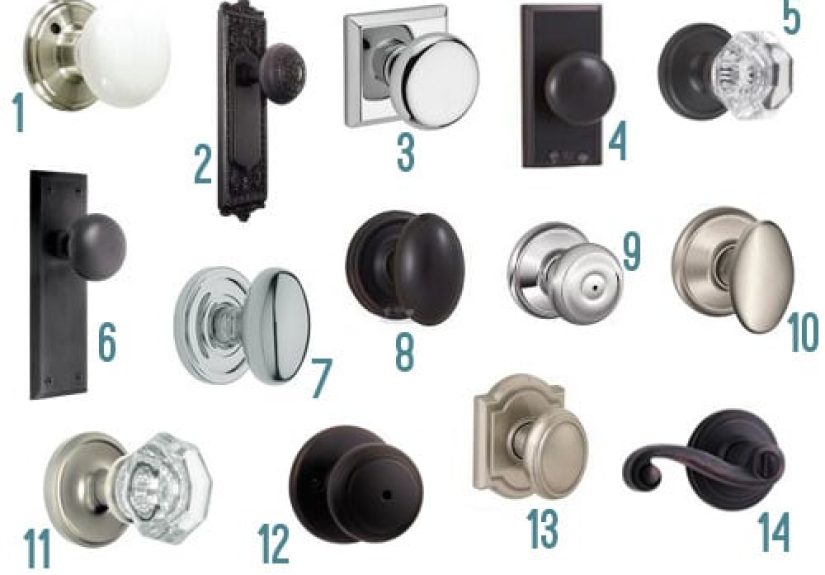
- Fourteen New Interior Door Knob Options Worth Considering
- 1. Classic Round Passage Knobs
- 2. Privacy Knobs for Bedrooms and Bathrooms
- 3. Dummy Knobs for Closets and Decorative Doors
- 4. Matte Black Modern Knobs
- 5. Satin Nickel Transitional Knobs
- 6. Warm Brass Statement Knobs
- 7. Oil-Rubbed Bronze Traditional Knobs
- 8. Glass or Crystal Knobs
- 9. Porcelain Cottage-Style Knobs
- 10. Knurled or Textured Metal Knobs
- 11. Low-Profile Minimalist Knobs
- 12. Oversized Rosette Knobs
- 13. Mixed-Metal Knobs
- 14. Smart-Looking Security Knobs for Select Interior Uses
- How to Choose the Best Interior Door Knob for Your Home
- Real-Life Experience: What Upgrading Interior Door Knobs Actually Feels Like
- Final Thoughts
Interior door knobs are the kind of home detail people ignore for years and then suddenly obsess over for an entire weekend. One minute you are walking past a perfectly normal hallway door, and the next minute you are thinking, “Why does this knob look like it came free with a time machine?” The good news is that replacing interior door hardware is one of the fastest ways to freshen up a room without knocking down walls, refinancing your soul, or pretending you enjoy tile dust.
If you are shopping for interior door knob options, you have more choices now than the old “brass blob or silver blob” era ever allowed. Today’s market includes sleek modern profiles, warm heritage finishes, cottage-inspired materials, mixed-metal looks, and room-specific functions that actually make sense. In other words, your bedroom does not have to wear the same hardware personality as your pantry.
This guide breaks down fourteen new interior door knob options worth considering, along with practical buying advice on function, finish, fit, and style. Whether you want a subtle update or a full-on “Who is this elegant person with coordinated hardware?” makeover, there is a knob here with your name not engraved on it, but metaphorically very much attached.
Why Interior Door Knobs Matter More Than People Admit
Interior door knobs do three jobs at once. First, they control function. Some rooms need privacy. Some need free access. Some just need a handle that looks useful while doing almost nothing, which is honestly a career goal for a lot of objects. Second, knobs contribute to comfort. A well-made knob feels solid, turns smoothly, and does not make every bathroom trip sound like a minor mechanical crisis. Third, they shape style. Door hardware acts like the jewelry of a room: small, noticeable, and surprisingly capable of making the entire outfit look intentional.
That is why choosing the right knob is not just about color. The best interior door knobs balance appearance, room function, durability, and installation compatibility. A gorgeous knob that does not fit your door is decor with trust issues.
Before You Buy: Know the Main Interior Door Knob Functions
Passage Knobs
Passage door knobs are non-locking knobs typically used for hallways, closets, laundry rooms, and other spaces where privacy is not required. They turn on both sides and are designed for easy traffic flow. If a door needs to open, close, and mind its business, passage hardware is usually the answer.
Privacy Knobs
Privacy door knobs are the standard pick for bedrooms, bathrooms, and sometimes home offices. They usually lock from the inside with a push-button or turn-button and can be opened from the outside in an emergency. These are the knobs that say, “Please knock,” but in a polite indoor voice.
Dummy Knobs
Dummy door knobs do not turn or latch. They are decorative pull-style knobs for doors like closets, French doors, linen cupboards, or pantry doors where a latch is not needed. They exist to look good and provide a grip, which is frankly a strong personal brand.
Keyed Interior Knobs
Most interior rooms do not need keyed entry hardware, but there are exceptions. A home office with confidential files, a storage room, or an interior garage-access door may benefit from a keyed knob. Use this option carefully, because nobody wants to lock themselves out of a craft room over a glue gun and some ribbon.
Fourteen New Interior Door Knob Options Worth Considering
1. Classic Round Passage Knobs
The classic round passage knob remains a favorite because it works almost anywhere. It is simple, familiar, and easy to pair with traditional, transitional, or builder-grade interiors. If you want a clean update without making a huge style statement, this option is the dependable friend who always shows up on time.
Best for hallways, closets, laundry rooms, and secondary bedrooms. Finishes like satin nickel, polished chrome, or matte black keep it current without trying too hard.
2. Privacy Knobs for Bedrooms and Bathrooms
This is less a style category and more a must-have function dressed in whatever finish you like. A modern privacy knob can be sleek and minimal or softly traditional. The key is choosing a model that turns smoothly, unlocks easily from the inside, and does not feel flimsy.
In real homes, privacy knobs earn their keep every single day. They are especially smart in shared households where a little personal space can prevent dramatic monologues in the hallway.
3. Dummy Knobs for Closets and Decorative Doors
Dummy knobs are perfect for linen closets, pantry doors, shallow storage, or paired doors that do not require a latch. They help create a consistent look throughout the house, which matters more than people think. Hardware that changes personality from door to door can make an otherwise nice home feel visually scattered.
This option is ideal when you want coordinated style without unnecessary mechanics. Less drama, fewer moving parts, more peace.
4. Matte Black Modern Knobs
Matte black hardware became wildly popular because it adds strong contrast and a crisp outline to painted doors, especially white, gray, or natural wood interiors. A matte black interior door knob feels contemporary, graphic, and confident without being flashy.
It works especially well in modern, industrial, Scandinavian, and high-contrast spaces. The caution: matte black can look a little harsh if every other finish in the room is warm and traditional. It is stylish, but it still needs friends.
5. Satin Nickel Transitional Knobs
If there were a universal translator for door hardware, it would probably be satin nickel. This finish works with warm or cool palettes, hides fingerprints reasonably well, and fits a wide range of design styles. That makes it one of the safest and smartest interior door knob options for whole-home updates.
Satin nickel is especially useful when you want consistency from room to room. It looks clean, current, and quietly polished without screaming, “Notice me!” from across the hallway.
6. Warm Brass Statement Knobs
Warm brass has made a big comeback, and for good reason. It brings depth, richness, and a little old-world charm to otherwise plain doors. In traditional homes, it feels timeless. In modern homes, it adds warmth. In transitional spaces, it bridges the gap beautifully.
Choose a brushed or satin brass finish if you want something softer and more livable than bright polished brass. This is a great option when you want your hardware to feel intentional rather than merely present.
7. Oil-Rubbed Bronze Traditional Knobs
Oil-rubbed bronze remains a strong choice for classic interiors, farmhouse looks, and homes with warm wood trim. It has a grounded, slightly aged appearance that adds character without looking fussy.
This finish is especially flattering in homes with cream walls, beige tones, deeper wood stains, or rustic details. If satin nickel is the calm diplomat, oil-rubbed bronze is the distinguished history professor who owns too many excellent cardigans.
8. Glass or Crystal Knobs
Glass and crystal-style knobs bring sparkle, texture, and vintage appeal. They look beautiful on powder rooms, guest bedrooms, old-house restorations, and any door that deserves a touch of glamour. They also play surprisingly well with black doors, white trim, brass accents, and traditional millwork.
If you want hardware that catches the light and turns an ordinary door into a design moment, this is one of the most charming options available. It is the opposite of invisible hardware, and that is exactly the point.
9. Porcelain Cottage-Style Knobs
Porcelain knobs feel soft, nostalgic, and full of personality. They work beautifully in cottage, farmhouse, vintage, and country-inspired spaces. White porcelain with dark trim can look wonderfully classic, while patterned or marbled versions add a more collected, decorative feel.
This option is great when you want a home to feel layered rather than showroom-perfect. It says, “I have taste,” without saying, “Please do not sit on the furniture.”
10. Knurled or Textured Metal Knobs
For people who like modern design with a little edge, textured metal knobs are an exciting update. Knurled detailing adds grip, visual interest, and a slightly industrial look. These knobs often appear in higher-end hardware collections and feel more custom than plain smooth rounds.
They are especially effective in offices, dens, media rooms, and contemporary interiors where detail matters. A textured knob can make even a flat painted door feel more expensive.
11. Low-Profile Minimalist Knobs
Some newer designs focus on thinner roses, cleaner silhouettes, and less visual bulk. These low-profile knobs are ideal for minimalist interiors, modern condos, and homes where the goal is calm simplicity. They do not dominate the door; they just make it look smarter.
If your home leans modern, this is often a better choice than anything ornate. Clean lines age well, and they keep the room from feeling over-accessorized.
12. Oversized Rosette Knobs
A larger backplate or rosette can add just enough drama to make a standard knob look special. This option works beautifully in traditional and transitional homes, especially where there is substantial trim, paneled doors, or higher ceilings.
It is a subtle trick, but an effective one. A larger rosette gives the hardware more presence and makes the whole door feel better dressed, like adding a blazer to jeans and suddenly pretending you planned it all along.
13. Mixed-Metal Knobs
Mixed-metal hardware combines finishes such as matte black and satin brass, or bronze and nickel, for a more layered designer look. This option works best when it echoes other finishes already present in the home. Done well, it feels curated and current. Done badly, it looks like the knob could not commit.
If your lighting, faucets, cabinet hardware, or furniture already mix finishes, a mixed-metal door knob can help tie the house together in a very polished way.
14. Smart-Looking Security Knobs for Select Interior Uses
While smart locks are more common on exterior doors, some newer keyed or upgraded knob designs bring better convenience and cleaner styling to select interior spaces. Think secure home offices, hobby rooms, internal storage, or garage-entry transitions where a bit more control is useful.
You do not need to turn every room into a top-secret vault. But for the right spaces, a more secure interior knob can add peace of mind without looking bulky or outdated.
How to Choose the Best Interior Door Knob for Your Home
Match the Function to the Room
This is rule number one. Use privacy knobs where privacy is actually needed, passage knobs where free movement matters, and dummy knobs where only appearance and pull function count. Choosing the wrong function is the fastest route to daily annoyance.
Pick a Finish That Works With the Whole House
It is tempting to choose hardware one room at a time, but consistency matters. You do not have to make every knob identical, but the overall finish story should make sense. Satin nickel, brass, bronze, chrome, and matte black can all look fantastic when they relate to nearby lighting, faucets, hinges, and room tone.
Check Door Thickness and Backset
Before buying, confirm that the knob fits your door. Standard interior doors are commonly around 1 3/8 inches thick, and many residential locksets are designed around common backsets such as 2 3/8 inches or 2 3/4 inches. Translation: measure first, celebrate later.
Think About Daily Use
A guest room can handle something more decorative. A busy bathroom should prioritize reliability. A closet knob can be simpler. High-traffic spaces benefit from finishes that hide fingerprints and scuffs. Hardware lives a hard life. Treat it accordingly.
Consider Style Longevity
Trendy can be fun, but timeless is easier to live with. If you plan to keep the hardware for years, choose shapes and finishes that still make sense if the wall color changes, the rugs change, and your brief fling with maximalism quietly ends.
Real-Life Experience: What Upgrading Interior Door Knobs Actually Feels Like
Here is the funny part about replacing interior door knobs: at first, it seems ridiculously minor. You start the project thinking you are simply swapping hardware. Then about three doors in, you realize you have accidentally changed the mood of the entire house.
One of the biggest surprises is how much better the doors feel. Old knobs often turn with that sad, loose, rattly motion that suggests they have seen things. New knobs feel tighter, smoother, and more deliberate. You notice it immediately in the bathroom, where the privacy lock finally works without a full negotiation, and in the hallway, where the latch no longer sounds like a spoon falling into a garbage disposal.
There is also the visual effect. A builder-basic knob tends to disappear in the least flattering way possible. It is not invisible because it is elegant. It is invisible because your brain filed it under “do not ask questions.” But once you install better hardware, the doors suddenly look finished. White doors with matte black knobs become crisp and architectural. Warm wood doors with bronze or brass hardware feel richer. A glass knob on a guest room door can make the whole room seem more charming, even if the rest of the upgrade budget currently ends at “fresh pillowcase.”
Another real-world experience is that consistency matters more than almost anyone expects. One new knob looks nice. Replacing all the visible knobs on a floor creates rhythm. Hallway to bedroom, bedroom to bath, closet to office, everything starts to feel like it belongs to the same house instead of a collection of unrelated home-improvement decisions made over twelve years and three hardware-store emergencies.
Of course, there are small lessons learned along the way. Measuring matters. Deeply. Passionately. Optimistically assuming that “all doors are basically the same” is how people end up holding a screwdriver in silence while staring at a latch that definitely does not fit. It also helps to decide your finish in daylight, because brushed brass in the store can look dramatically different under your actual wall color and trim.
The most satisfying part, though, is the way the update keeps paying off. Unlike trendy decor that fades into the background after a week, a good doorknob gets touched every day. You feel the quality every time you open a bedroom, close a bathroom, or reach for a pantry that now looks inexplicably more expensive. It is a small home upgrade, yes, but it is one of those rare projects where the effort is modest and the reward is constant.
So if you are on the fence about trying one of these interior door knob options, here is the honest experience-based answer: yes, it is worth it. Not because the house becomes unrecognizably grand, but because it becomes noticeably more complete. And sometimes that is exactly the kind of upgrade a home needs.
Final Thoughts
The best interior door knob options are the ones that fit your rooms, your routine, and your overall style story. Some homes look best with satin nickel simplicity. Some come alive with warm brass. Some practically beg for crystal sparkle or porcelain charm. The right choice is not about chasing a trend just because the internet got excited. It is about choosing hardware that feels good in your hand, works for the room, and makes the house feel more pulled together.
And that is really the beauty of updating interior door knobs. It is not a giant renovation. It is a targeted, practical, style-boosting improvement with a very high satisfaction-to-chaos ratio. In the world of home upgrades, that is almost suspiciously efficient.