Table of Contents >> Show >> Hide
- What Is the Shaker Chair at DWR?
- Why Shaker Style Still Works
- Design Details That Make the DWR Salt Chair Stand Out
- Where the Shaker Chair at DWR Works Best
- How to Style the DWR Shaker Chair
- Is the Salt Chair Comfortable?
- Durability and Everyday Use
- Who Should Buy the Shaker Chair at DWR?
- Pros and Cons of the DWR Salt Chair
- How It Compares With Other Dining Chair Styles
- Buying Tips Before You Order
- Experience Notes: Living With a Shaker Chair at DWR
- Conclusion: A Quiet Classic for Modern Living
- SEO Tags
Some chairs shout for attention. Others quietly do their job, look good from every angle, and never make dinner guests wonder whether they are sitting on a sculpture or a dare. The Shaker-inspired Salt Chair at Design Within Reach belongs to the second camp. It is simple, compact, practical, and charmingly unfussythe furniture equivalent of someone who arrives on time, brings dessert, and does not talk over anyone.
Known at DWR as the Salt Chair, this modern dining chair takes inspiration from classic Shaker furniture and translates it for contemporary homes, cafés, breakfast nooks, apartments, and design-conscious dining rooms. It is not a museum reproduction, and it is not trying to cosplay as an antique. Instead, it borrows the Shaker values of utility, proportion, restraint, and honest materials, then packages them in a lightweight, everyday chair that works surprisingly hard without looking like it broke a sweat.
For homeowners searching for a Shaker chair at DWR, a modern dining chair with a small footprint, or a Design Within Reach chair that blends heritage with clean-lined style, the Salt Chair is worth a serious look. Let’s pull it away from the table, turn it around, and see why this humble seat has stayed relevant in a world full of trendier, louder, and occasionally much less comfortable furniture.
What Is the Shaker Chair at DWR?
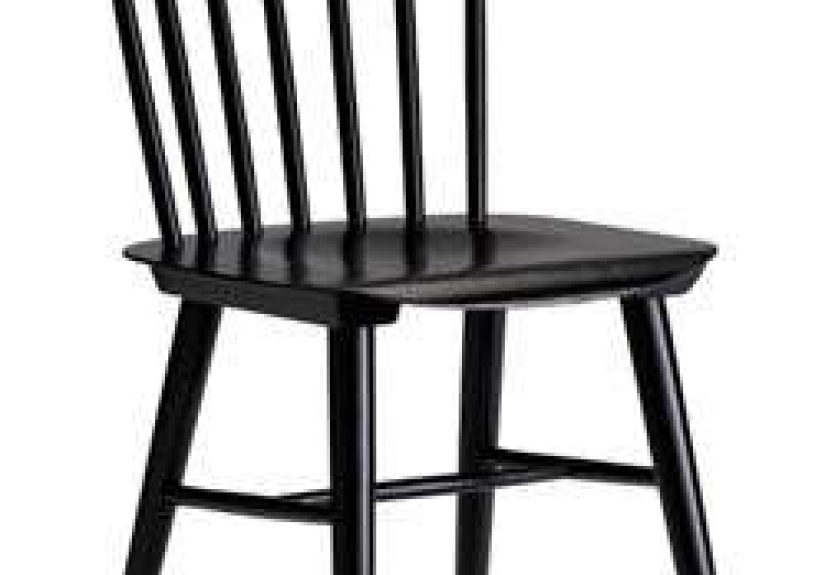
The chair commonly described as the Shaker chair at DWR is the Salt Chair, designed by Tom Kelley and produced by Ton. It is a dining chair with a slim silhouette, a bentwood top rail, seven hand-smoothed spindles, and a shaped seat with a waterfall front edge. At the time of this writing, DWR lists it as made in the Czech Republic, crafted from European beech wood from FSC-certified sources, molded plywood, a wood seat, water-based stain and clear varnish, and nylon floor glides.
The dimensions make the chair especially friendly to small spaces: approximately 33.25 inches high, 17 inches wide, and 18.5 inches deep, with a 17.75-inch seat height. It weighs about 7.75 pounds, which means moving it around the dining table does not require a gym membership, a pep talk, or a second adult.
The name “Salt Chair” is wonderfully appropriate. Like a salt shaker, it is basic in the best sense: useful, familiar, easy to place, and always welcome at the table. It is not flashy. It does not need to be. A chair like this earns its keep by being comfortable, durable, and visually calm.
Why Shaker Style Still Works
Shaker furniture has remained influential because it solves problems without creating new ones. The Shakers valued simplicity, utility, order, craftsmanship, and clean construction. Their furniture avoided unnecessary ornamentation and emphasized honest materials, balanced proportions, and practical use. That sounds old-fashioned until you realize it also describes half the mood boards on the internet right now.
In an age of visual clutter, Shaker style feels refreshing. It gives a room breathing space. It pairs with farmhouse tables, Scandinavian interiors, modern kitchens, vintage rugs, painted cabinets, butcher-block counters, and even minimalist apartments where every object has been chosen with monk-like discipline. A Shaker-style chair does not bully the rest of the room. It joins the conversation, contributes something useful, and knows when to stop talking.
The Salt Chair Is Shaker-Inspired, Not Shaker-Literal
Traditional Shaker chairs often feature ladder backs, woven seats, turned posts, and a handmade presence rooted in 18th- and 19th-century American communities. The Salt Chair does not copy those elements exactly. Instead, it captures the broader idea: a practical wooden chair with a light frame, clean vertical rhythm, and minimal decoration.
The result is more modern than rustic. The spindles give it familiarity, while the bentwood top rail softens the silhouette. The shaped seat adds comfort without needing upholstery. The small footprint makes it practical for modern homes, where dining rooms often double as workstations, homework zones, puzzle headquarters, and the place where unopened mail goes to form a tiny paper mountain.
Design Details That Make the DWR Salt Chair Stand Out
Good design often hides in the details. At first glance, the Salt Chair looks simplealmost too simple. But the longer you look, the more you notice the quiet decisions behind it.
1. Compact Footprint
One of the most practical benefits of the Salt Chair is its narrow width. Because the legs are not dramatically splayed, multiple chairs can sit side by side without wasting space between them. This matters in apartments, breakfast areas, restaurants, cafés, and dining rooms where every inch counts.
A bulky dining chair can make a room feel crowded even when nobody is sitting down. The Salt Chair does the opposite. It provides seating while keeping the room visually light. For a small dining table, that can be the difference between “cozy” and “why are we all trapped in this corner?”
2. Lightweight but Sturdy Construction
At under eight pounds, the chair is easy to move, yet its beech wood construction gives it a sturdy everyday feel. Beech is commonly used in chairmaking because it can be strong, workable, and suitable for bending techniques. Ton, the manufacturer, is known for its long history with bentwood furniture, which gives the Salt Chair more credibility than a trendy knockoff that looks good for three months and then develops mysterious wobble syndrome.
3. Seven Hand-Smoothed Spindles
The seven vertical spindles are a major part of the chair’s personality. They create a rhythm that feels classic but not fussy. They also help keep the chair visually open. Instead of a solid back that blocks sightlines, the spindle back lets light pass through, making the chair a smart choice for smaller rooms or open-plan spaces.
4. Waterfall Front Edge
A shaped seat with a waterfall front edge is not just a nice phrase for a product page. It is a comfort feature. The gently curved front edge can feel softer behind the legs than a hard, squared-off seat. For a dining chair, that matters. Nobody wants to finish dessert while silently negotiating with an uncomfortable seat.
5. Water-Based Finish
The Salt Chair’s finish includes water-based stain and clear varnish. That detail supports the chair’s clean, modern identity. It also reflects the larger furniture trend toward finishes and materials that are more mindful of indoor living and environmental concerns.
Where the Shaker Chair at DWR Works Best
The beauty of this chair is that it does not demand a perfect design scheme. It is flexible. It can go traditional, modern, coastal, Scandinavian, cottage, farmhouse, café-style, or urban minimal. It is the kind of furniture that does not panic when you change the rug.
In a Small Apartment Dining Area
If your dining area is really a wall, a window, and a hopeful little table, the Salt Chair makes sense. Its compact size lets you tuck in more seating without making the room feel stuffed. Choose a natural beech finish for warmth, black for graphic contrast, or a painted color for personality.
In a Modern Farmhouse Kitchen
Modern farmhouse interiors can easily drift into theme-park territory if every item looks distressed, galvanized, and emotionally attached to a barn. A Shaker-style chair keeps the warmth but removes the gimmick. Around a wood table, the Salt Chair feels honest and relaxed without looking overly rustic.
In a Café or Breakfast Nook
DWR highlights the chair’s usefulness in cafés and tight seating arrangements, and that makes sense. The chair is light, compact, and easy to place in multiples. In a breakfast nook, it delivers café charm without turning your kitchen into a commercial espresso barunless that is your goal, in which case please invite us.
In a Mixed-Chair Dining Setup
The Salt Chair is also great for mixing. Pair it with a bench on one side of the table, upholstered host chairs at the ends, or vintage wood chairs for an intentionally collected look. Because its design is restrained, it can play well with louder pieces. Think of it as the calm friend who makes the group photo work.
How to Style the DWR Shaker Chair
Styling a Shaker-style chair is less about decorating the chair itself and more about giving it the right surroundings. Its simplicity makes it adaptable, but a few thoughtful choices can make it shine.
Pair It With a Simple Wood Table
A natural wood table emphasizes the chair’s craftsmanship and warmth. For a classic look, pair natural beech Salt Chairs with oak, maple, or pine tones. For contrast, use black chairs around a pale wood table. The result feels crisp but not cold.
Add Texture Through Rugs and Lighting
Because the chair is visually quiet, it benefits from texture nearby. A flatweave rug, linen curtains, a woven pendant, or ceramic tableware can add depth without fighting the chair’s clean lines. The goal is warmth, not clutter.
Use Color Strategically
If you choose a painted version, let the chair color echo something else in the room: cabinet hardware, artwork, a backsplash tone, or a favorite serving bowl. This creates a pulled-together look without making everything match like a hotel conference room.
Keep the Tabletop Simple
A Shaker-inspired chair looks best when the surrounding styling respects its restraint. A bowl of fruit, a small vase, a linen runner, or a simple candle arrangement is enough. You do not need a centerpiece large enough to block eye contact with your own family.
Is the Salt Chair Comfortable?
Comfort is personal, but the Salt Chair has several features that help: a shaped seat, a waterfall front edge, a supportive spindle back, and a light frame that is easy to adjust around the table. It is a wood dining chair, so it will not feel like a padded lounge chair. That is not its job. Its job is to support meals, conversation, coffee, laptops, board games, and the occasional “I’ll just sit here for five minutes” that turns into an hour.
If you prefer plush seating, you may want an upholstered dining chair. But if you like a firmer, more upright seat with classic lines, the Salt Chair fits the bill. You can also add a thin chair pad if you want extra softness, though many people prefer the clean look of the bare wood seat.
Durability and Everyday Use
The Salt Chair is designed for everyday use, and that is one of its most appealing qualities. It does not feel precious. You can imagine it in a design magazine, but you can also imagine it under a kitchen table with toast crumbs, homework pencils, and someone’s abandoned hoodie nearby.
The beech wood construction, water-based finish, and simple frame all point toward practical living. The lack of upholstery means fewer worries about spills. The lightweight build makes cleaning around the table easier. The nylon floor glides help protect floors, though it is still smart to check them regularly, especially if the chair lives on hardwood.
Who Should Buy the Shaker Chair at DWR?
The Salt Chair is a strong choice for people who want a dining chair that is timeless, compact, and versatile. It suits buyers who appreciate Shaker style but do not want a reproduction antique. It is also a good fit for anyone who wants authentic modern furniture from DWR without jumping into the four-figure-per-chair zone.
It may not be the best option if you want thick cushioning, dramatic curves, arms, or a chair that makes a bold sculptural statement. This is not a peacock chair. It is more like a well-tailored white shirt: useful, clean, dependable, and quietly stylish.
Pros and Cons of the DWR Salt Chair
Pros
- Compact footprint works well in small dining rooms and cafés.
- Shaker-inspired design feels timeless and easy to style.
- Lightweight construction makes it simple to move.
- Beech wood and bentwood detailing give it warmth and character.
- Water-based finish and certified wood sources add sustainability appeal.
- Fully assembled design means no confusing hardware bag with one extra screw left over.
Cons
- Firm wood seat may not suit people who prefer plush dining chairs.
- Minimal design may feel too plain in highly decorative interiors.
- Price is higher than mass-market dining chairs.
- Availability, colors, and pricing can change over time.
How It Compares With Other Dining Chair Styles
Compared with upholstered dining chairs, the Salt Chair is easier to clean and visually lighter, but less cushioned. Compared with metal café chairs, it feels warmer and more domestic. Compared with plastic shell chairs, it has a more traditional, crafted presence. Compared with antique Shaker chairs, it is easier to source through modern retail and more consistent in dimensions and finish.
That middle-ground quality is its strength. It does not force you to choose between old and new, rustic and modern, practical and pretty. It simply sits at the intersection and behaves itself.
Buying Tips Before You Order
Before buying any dining chair, measure your table carefully. Check the distance from the floor to the underside of the tabletop, then compare it with the chair’s seat height. A seat height around 17 to 18 inches works with many standard dining tables, but table aprons and thick tabletops can reduce leg clearance.
Also measure the total width you have available. If you want three chairs along one side of a table, do not rely on wishful thinking. Tape out the spacing on the floor if needed. Chairs need room for people, elbows, and that one guest who gestures with a fork like they are conducting an orchestra.
Finally, consider finish. Natural beech feels warm and casual. Black adds contrast and a modern edge. Painted finishes can make the chair more playful. If you already have a lot of wood tones in the room, a painted option may help prevent the space from looking like a lumber showroom.
Experience Notes: Living With a Shaker Chair at DWR
Spending time with a chair like the Salt Chair changes how you think about “simple” furniture. At first, simplicity can seem like a lack of drama. There are no arms sweeping outward, no thick cushions, no brass caps, no theatrical silhouette begging to be photographed from a low angle. But after a few days of using a Shaker-inspired dining chair, the quietness becomes the point.
In a real home, furniture has to survive more than admiration. It has to slide in and out from the table several times a day. It has to handle breakfast, work calls, coffee, guests, and the occasional bag of groceries dropped onto the seat “just for a second.” The Salt Chair’s light weight becomes a daily pleasure. You can pull it out with one hand, move it to another room when extra seating is needed, or tuck it neatly under the table when the kitchen needs to look civilized again.
The compact footprint is especially noticeable in smaller spaces. In many apartments, dining chairs are secretly traffic hazards. They stick out too far, block walkways, and make the room feel smaller than it is. A slim Shaker-style chair helps the table area breathe. It creates the feeling of a proper dining space without demanding a formal dining room. That is a small luxury, but a real one.
Another pleasant surprise is how adaptable the chair feels over time. Around a plain wood table, it looks classic. Next to white walls and black lighting, it looks modern. With a striped rug and open shelving, it leans casual and coastal. Add handmade ceramics and a linen tablecloth, and suddenly it has that “effortless weekend house” energy, even if the weekend house is actually a Tuesday apartment with laundry on the sofa.
The firm seat encourages good posture, which can be either a benefit or a gentle accusation, depending on how you sit. For long dinners, some people may want a cushion. But for everyday meals, writing, reading, or morning coffee, the shaped seat is more comfortable than its plain appearance suggests. The waterfall edge helps, and the spindle back gives enough support without making the chair feel heavy.
What stands out most is the chair’s emotional durability. Trendy furniture can feel exciting at first and exhausting later. The Salt Chair does not try to dominate the room, so it is less likely to become visually annoying. It is the kind of piece you can own through several paint colors, table swaps, apartment moves, and design phases. In a world where furniture trends often arrive wearing tap shoes, a good Shaker-inspired chair is refreshingly calm.
That is the real experience of living with the Shaker Chair at DWR: it makes everyday life easier without turning itself into the main event. It supports the room, the meal, the conversation, and the routine. It is not boring. It is edited. And as anyone who has ever decluttered a kitchen drawer knows, edited is sometimes the highest compliment.
Conclusion: A Quiet Classic for Modern Living
The Shaker Chair at DWR, better known as the Salt Chair, proves that furniture does not need to be loud to be memorable. Its appeal comes from proportion, utility, craftsmanship, and restraint. It is compact enough for apartments, polished enough for design-forward dining rooms, and practical enough for daily use.
As a modern interpretation of Shaker-style furniture, it respects tradition without getting stuck in the past. The beech wood construction, bentwood detail, spindle back, shaped seat, and clean finish make it a versatile choice for many interiors. It may not be the cushiest dining chair in the world, and it will not satisfy anyone looking for maximalist drama. But if you want a chair that is simple, useful, handsome, and easy to live with, the DWR Salt Chair deserves a seat at the table.