Table of Contents >> Show >> Hide
- Why Garbage Pail Kids Cards Still Have Value
- What Determines Garbage Pail Kids Card Value?
- How Much Are Garbage Pail Kids Cards Worth?
- Rare and Valuable Garbage Pail Kids Cards to Watch
- How to Identify a Potentially Valuable GPK Card
- Should You Grade Garbage Pail Kids Cards?
- Where to Sell Garbage Pail Kids Cards
- Tips for Selling GPK Cards for the Best Price
- Are Complete Sets Worth More Than Singles?
- Common Mistakes Collectors Make
- Collector Experiences: What This Hobby Feels Like in Real Life
- Final Takeaway
- SEO Tags
Garbage Pail Kids cards are the kind of collectibles that make people laugh first and check sold listings second. One minute you are remembering the gross-out humor from the 1980s, and the next minute you are staring at a copy of Adam Bomb wondering whether it is worth lunch money, rent money, or “maybe I should buy a better sleeve” money. That is the magic of Garbage Pail Kids, or GPK for short: they are nostalgic, weird, artistic, and surprisingly serious in the collectibles market.
If you are trying to figure out Garbage Pail Kids card value, spot the rare Garbage Pail Kids cards, or decide where to sell Garbage Pail Kids cards, this guide breaks it all down in plain English. No confusing hobby fog. No dramatic auctioneer voice. Just the facts, the patterns, and the smart ways to avoid selling a potential gem for the price of a sad vending-machine snack.
Why Garbage Pail Kids Cards Still Have Value
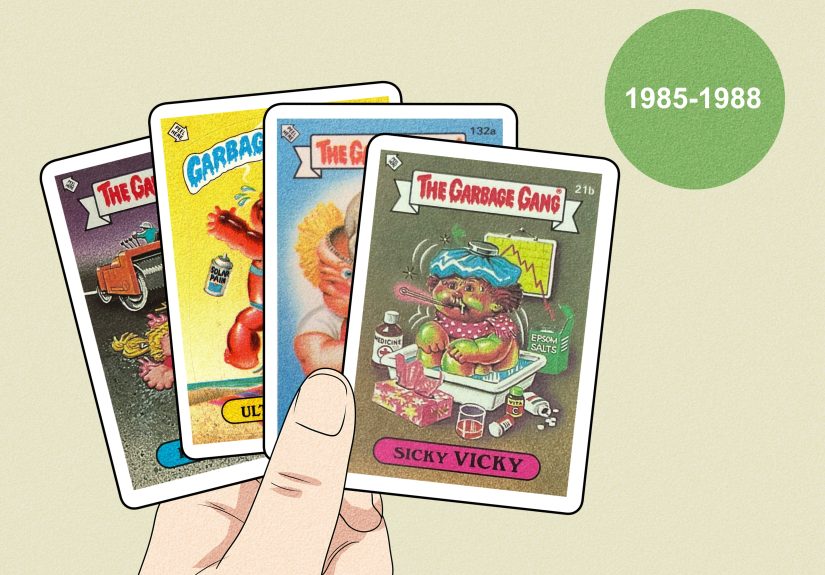
GPK cards are not valuable just because they are old. Plenty of old stuff is worth roughly the same as a cardboard box full of regret. Garbage Pail Kids remain collectible because they hit several value triggers at once: nostalgia, iconic artwork, recognizable characters, variation collecting, condition sensitivity, and a strong base of collectors who specifically chase original 1985 issues.
The original Topps release from 1985 is still the heart of the market. Original Series 1, often called OS1, gets the most attention because it introduced the most famous names and images. Cards from later original series, U.K. issues, glossy or matte variations, misprints, and certain modern Chrome or Sapphire parallels can also be desirable, but the hobby usually starts its conversation with one character: Adam Bomb.
That card has become the face of the brand. Even people who never built a full set can often recognize the mushroom-cloud head and the wonderfully terrible sense of humor. In collecting, iconic art matters. When a card becomes the mascot of an entire franchise, it usually stays on the hobby’s VIP list.
What Determines Garbage Pail Kids Card Value?
1. Series and era
In general, 1985 and 1986 original-series cards lead the market, especially Series 1. Modern Garbage Pail Kids releases still sell, but vintage originals usually draw stronger demand from nostalgia-driven buyers.
2. Character popularity
Not all GPK cards are created equal. Adam Bomb, Nasty Nick, Evil Eddie, Jay Decay, New Wave Dave, and a few other stars tend to be mentioned again and again by collectors. A no-name mid-series card in average condition may be modestly priced, while a top-tier character in high grade can jump dramatically.
3. Condition
This is where values start doing gymnastics. Centering, corners, edges, surface gloss, stains, wax residue, print defects, and back damage all matter. GPK cards are especially sensitive because many were peeled, handled, stuffed into binders, or lived hard lives in schoolyards and bedroom floors. In other words, mint copies had to survive childhood, which was not exactly a museum environment.
4. Grading
A professionally graded card from PSA, CGC, or Beckett can command much more than a raw copy if the grade is strong. The difference between a nice raw card and a PSA 10 can be enormous. A card that looks “pretty good” to the naked eye may still fall short because of slight off-centering, soft corners, or surface issues.
5. Variations, errors, and scarcity
Some collectors pay more for glossy versus matte versions, unusual backs, scarce parallels, or notable errors. In modern releases, numbered parallels, autographs, sketches, and premium Chrome or Sapphire versions can outperform ordinary base cards. In vintage sets, rarity often comes from condition scarcity, variation collecting, and card-specific demand rather than massive built-in serial numbering.
How Much Are Garbage Pail Kids Cards Worth?
The honest answer is: it depends wildly. A random lot of common, worn cards may be worth only a few dollars per card or less when sold in bulk. Meanwhile, elite vintage examples of iconic characters can reach hundreds, thousands, or more.
Here is a practical market snapshot:
- Common raw vintage cards in played condition: often low-dollar items, especially outside the biggest characters.
- Better OS1 stars in solid raw condition: often worth noticeably more, particularly when the front is clean and centering is decent.
- Graded mid-grade vintage stars: can move into the meaningful collector range.
- High-grade or gem-mint iconic cards: these are where the market can get spicy.
- Modern low-print parallels, sketches, or autographs: value depends heavily on numbering, artist, character, and buyer timing.
That is why two cards with the same artwork can sell for completely different prices. One has a dinged corner and a cloudy surface. The other looks like it was protected by a tiny cardboard guardian angel for forty years.
Rare and Valuable Garbage Pail Kids Cards to Watch
Below are some of the names and types that collectors most often chase. This is not a promise that every copy is expensive. It is a list of cards and categories that deserve a closer look before you toss them into a bargain lot.
| Card / Type | Why Collectors Care | Value Clue |
|---|---|---|
| 1985 OS1 #8a Adam Bomb | Most iconic GPK image; franchise mascot-level popularity | Huge premium in top grade |
| 1985 OS1 #1a Nasty Nick | First card on the original checklist and a hobby favorite | Strong demand, especially graded |
| 1985 OS1 Evil Eddie / Jay Decay / New Wave Dave | Classic characters from the earliest and most-loved series | Can outperform typical commons |
| Matte and glossy variations | Variation collectors chase tougher finishes | Check exact card and finish carefully |
| Error or unusual-back cards | Some collectors actively seek oddities | Research before selling cheap |
| Modern Chrome, Sapphire, sketches, autos | Low-print parallels and premium inserts can be scarce | Best comps come from sold listings |
How to Identify a Potentially Valuable GPK Card
Check the year and series
Start with the obvious. Is it from the original 1980s run? If yes, that is already a good sign. Original Series 1 should get special attention.
Look at the card number and name
Collectors search by exact card number, name, and variation. “Adam Bomb 8a” is more useful than “that exploding kid card my uncle had in a shoebox.” Specificity wins.
Inspect the finish and back
Some early GPK cards have variations involving finish or back style. If a card looks a little different from another copy, do not assume one is fake. It may be a recognized variation.
Study condition under good light
Use bright indirect lighting and examine corners, centering, print dots, stains, scratches, and edge wear. Tiny flaws can mean big money left on the table if you overestimate the grade.
Compare sold prices, not wishful prices
Anyone can list a card for a moon-sized number. What matters is what people actually paid. Sold listings are your reality check, your therapist, and your anti-delusion device.
Should You Grade Garbage Pail Kids Cards?
Sometimes yes. Sometimes absolutely not. Grading is usually smartest when a card checks at least three of these boxes:
- It is a major character or scarce variation.
- It appears very clean and centered.
- Recent sold prices show a large spread between raw and graded copies.
- You plan to sell to serious collectors.
Grading may not make sense for heavily worn commons, bulk duplicates, or lower-demand modern base cards. Fees, shipping, and waiting time can eat the upside. In other words, do not send a battered common card to grading just because it survived the 1980s. Survival alone is admirable, not always profitable.
Where to Sell Garbage Pail Kids Cards
eBay
Best for: singles, lots, graded cards, and market testing.
eBay is the most flexible option for many sellers because it gives you access to a huge buyer pool and easy comparison shopping. It works especially well for identifiable cards like Adam Bomb, rare parallels, or complete sets. Strong photos, accurate titles, and sold-comparison pricing matter here.
COMC
Best for: patient sellers with many cards.
COMC can be useful if you have volume and do not want to individually manage every listing. It is especially practical for collectors who want a consignment-style approach to cards and stickers rather than constant message notifications and shipping chaos.
Auction houses
Best for: high-grade grails, rare sealed product, original art, or elite pieces.
If you have a top-condition vintage star, rare sealed wax, or something special enough to make advanced collectors lean forward, major auction houses may be worth considering. This is the “do not casually toss this online at midnight with blurry photos” category.
Facebook groups, hobby forums, and collector communities
Best for: quick direct deals with niche buyers.
GPK collectors can be highly knowledgeable, and niche communities often understand variations better than general marketplaces. The tradeoff is that you need to know your item and price it fairly, because the sharks can smell uncertainty from several ZIP codes away.
Local card shops and shows
Best for: fast cash, not always maximum value.
These are convenient if you want a quick deal, but expect room for reseller margin. Great for moving bulk lots. Less ideal if you suspect you have premium singles.
Tips for Selling GPK Cards for the Best Price
- Sort before you sell. Separate early original-series cards, stars, variations, modern parallels, and bulk commons.
- Use exact titles. Include year, series, card number, character name, grade, and variation when known.
- Take sharp front-and-back photos. Collectors want to see flaws, not guess at them.
- Be honest about condition. Overgrading burns trust fast.
- Check sold comps close to your card’s condition. A PSA 10 comp does not magically transfer to your off-center raw copy.
- Protect the card properly. Penny sleeve, semi-rigid or top loader, team bag, and sturdy mailer.
- Consider selling stars individually and commons in lots. This often improves overall return.
Are Complete Sets Worth More Than Singles?
Sometimes, but not always. A complete set can appeal to nostalgia buyers who want the whole experience in one purchase. However, the best individual cards may perform better when separated, especially if they are key names or high-grade examples.
A smart approach is to compare both paths. Add up likely individual sale prices for the top cards, then compare that to what similar full sets have actually sold for. If the math says the stars carry the team, break the set. If the set is clean, uniform, and attractive, selling it intact may be easier and still profitable.
Common Mistakes Collectors Make
- Selling all vintage GPK cards as “random old stickers” without checking key names.
- Assuming every 1985 card is valuable.
- Ignoring variations, especially matte or glossy differences.
- Using active listings instead of sold listings for pricing.
- Shipping raw cards with terrible protection, which is basically value sabotage.
Collector Experiences: What This Hobby Feels Like in Real Life
One of the funniest things about Garbage Pail Kids collecting is how often it starts with a laugh and ends with a spreadsheet. Someone finds an old binder, sees a disgusting cartoon kid with a horrible pun name, and thinks, “Oh wow, I forgot these existed.” Ten minutes later, they are searching card numbers, comparing centering, and learning that the phrase checklist back can somehow affect the fate of their weekend.
A very common experience is discovering that condition is the entire plot twist. Collectors often remember their childhood cards as “mint” because they were kept in a drawer instead of being used as bicycle-wheel noisemakers. Then they inspect them under real light and notice whitening on the corners, tiny stains, print snow, or centering that drifts off like it has somewhere else to be. That is not bad news, exactly. It is just normal hobby reality. Garbage Pail Kids were made to be handled, traded, laughed at, and peeled. Truly sharp survivors are special because so many copies were loved to death.
Another real-world lesson is that star power matters more than people expect. A collector may have fifty vintage GPK cards, but the market conversation changes fast when Adam Bomb, Nasty Nick, or another headline character shows up. Buyers tend to focus on the names they know first. That is why sorting matters. A mixed pile can look average until one key card changes the whole mood.
Selling also teaches patience. Some cards move quickly because the demand is obvious. Others need the right buyer, the right title, and the right timing. Many sellers learn that a clean, well-photographed listing with accurate details beats a rushed listing every time. Good photos build trust. Accurate descriptions avoid returns. Reasonable pricing attracts watchers who turn into buyers instead of ghosting you forever.
Collectors also talk about the strange joy of rediscovering the art. Even people who came in for resale sometimes stay for the artwork, the parody names, and the odd little time capsule of 1980s pop culture. Garbage Pail Kids are gross, sure, but they are also clever. That combination gives the cards a life beyond pure nostalgia. They are collectibles with personality, which is a big reason the market still has a pulse decades later.
And maybe that is the most honest experience of all: GPK collecting sits at the crossroads of memory and market value. You might open a binder looking for profit and end up keeping three cards because they make you laugh. You might plan to sell everything, then decide the weirdest card of the bunch deserves one more year in your collection. In the world of Garbage Pail Kids, that is not a mistake. That is the hobby working exactly as intended.
Final Takeaway
If you want the short version, here it is: the most valuable Garbage Pail Kids cards are usually iconic early originals, scarce variations, or premium modern hits in strong condition. The market rewards rarity, eye appeal, and grade. Before selling, identify the card precisely, compare sold prices, and decide whether it belongs in a bulk lot, a single-card listing, or a grading submission. A little research can make a big difference.
So yes, your old GPK cards might be worth something. Maybe not tropical-island money. But possibly enough to make that dusty shoebox suddenly feel very important.