Table of Contents >> Show >> Hide
- Why Puerto Rico Still Needs Help
- Emergency Relief vs. Long-Term Recovery
- The Best Ways to Help Puerto Rico
- How Volunteers Can Help Without Getting in the Way
- Ethical Travel: Helping Puerto Rico by Visiting Responsibly
- Advocacy Is Also a Form of Help
- What Makes Good Help Different From Bad Help?
- Specific Examples of Helpful Support
- How Businesses Can Help Puerto Rico
- How Schools, Churches, and Community Groups Can Help
- Personal Experiences and Reflections on Helping Puerto Rico
- Conclusion: Help For Puerto Rico Means Showing Up the Right Way
When people search for Help For Puerto Rico, they are usually looking for more than a donation button. They want to know what Puerto Rico actually needs, which organizations are trustworthy, how disaster recovery works, and how ordinary peopleyes, even those of us whose emergency skill set is mostly “I own a phone charger”can make a real difference.
Puerto Rico is not a distant foreign country. It is a U.S. territory, home to more than three million people, with communities that have endured hurricanes, earthquakes, power outages, flooding, economic pressure, health system strain, and the slow paperwork marathon known as long-term recovery. The island is stunning, resilient, musical, funny, entrepreneurial, and deeply proud. It is also vulnerable to climate-driven disasters and infrastructure challenges that can turn a heavy rainstorm into a community-wide crisis.
Helping Puerto Rico well means moving beyond sympathy. It means understanding the difference between emergency relief and long-term recovery. It means supporting local organizations, investing in resilient housing and energy, respecting Puerto Rican leadership, and remembering that recovery does not end when the television cameras pack up and chase the next headline.
Why Puerto Rico Still Needs Help
Puerto Rico’s needs did not appear overnight. They are the result of repeated disasters layered on top of older infrastructure problems, economic hardship, and geographic realities. Islands face unique recovery challenges: supplies can be delayed, roads and bridges are limited lifelines, ports and airports become critical choke points, and power outages can quickly affect hospitals, water systems, refrigeration, communications, and transportation.
Hurricane Maria in 2017 remains the defining modern disaster for Puerto Rico. It made landfall as a powerful Category 4 hurricane with winds that battered homes, roads, schools, hospitals, farms, power lines, and public buildings. Then Hurricane Fiona in 2022 brought widespread flooding, mudslides, and renewed damage, especially in central and southern areas. Add earthquakes, landslides, inflation, supply chain problems, and a fragile electrical grid, and you get a recovery puzzle with more pieces than a family board game nobody wants to finish.
Yet the story of Puerto Rico is not only about damage. It is also about neighbors clearing roads, local kitchens feeding families, clinics reopening, solar microgrids powering community centers, volunteers distributing supplies, and community leaders refusing to let bureaucratic delays define their future.
Emergency Relief vs. Long-Term Recovery
One of the biggest mistakes donors make is assuming that “help” means the same thing at every stage. It does not. In the first days after a disaster, people may need water, food, medicine, hygiene supplies, shelter, generators, tarps, transportation, and emergency communication. That is emergency relief. It is urgent, practical, and often chaotic.
Long-term recovery is different. It is slower, less dramatic, and arguably more important. It includes rebuilding homes, strengthening roofs, repairing bridges, restoring clinics, improving drainage, training local emergency responders, expanding mental health support, and making sure communities are better prepared for the next storm. Emergency relief is the ambulance. Long-term recovery is the physical therapy, the home repair, the insurance paperwork, the new roof, the backup battery, and the neighbor who still checks on an elder two years later.
The Best Ways to Help Puerto Rico
1. Donate to Local and Community-Led Organizations
If you want your money to work hard, support organizations with direct relationships in Puerto Rico. Local groups understand which roads are passable, which families have been missed, which elders need medication, and which communities are too often overlooked. They also know cultural context, language, trust networks, and the difference between useful help and well-intentioned clutter.
National nonprofits can be valuable, especially when they partner with local organizations. But community-led groups often stretch dollars in powerful ways because they are already embedded in the neighborhoods they serve. A small local nonprofit may know exactly which family needs a water filter, which clinic needs refrigeration for medication, or which school needs roof repairs before hurricane season.
2. Support Reliable Healthcare Access
Health care becomes especially fragile after disasters. Power outages can interrupt dialysis, refrigeration for insulin, oxygen machines, electronic medical records, and transportation to appointments. Clinics may need generators, solar backup, medical supplies, protective equipment, chronic disease medications, and mental health resources.
Organizations focused on medical relief, such as health-centered nonprofits and clinic networks, help Puerto Rico prepare before storms and recover after them. Supporting healthcare resilience is not as glamorous as dropping off a dramatic mountain of canned beans, but it may save lives quietly, efficiently, and without needing a camera crew.
3. Help Rebuild Safer Homes
Housing is one of Puerto Rico’s most urgent long-term recovery issues. Many families live in homes that were damaged by hurricanes or flooding, and some face complicated land title or ownership issues that make it harder to qualify for formal rebuilding assistance. A roof is not just a roof. It is protection from rain, mold, heat, mosquitoes, and the stress of wondering whether the next storm will peel your life open again.
Support for resilient housing can include roof repairs, structural reinforcement, safe rebuilding, flood mitigation, legal help for property documentation, and training for local construction workers. The goal is not merely to rebuild what existed before. The goal is to build safer, stronger, and smarter.
4. Invest in Energy Resilience
Puerto Rico’s power grid has been one of the most visible symbols of the island’s vulnerability. When electricity fails, everything else becomes harder: hospitals, schools, water pumping stations, small businesses, refrigeration, communication, and daily life. Energy resilience is therefore not a luxury. It is a public health strategy, an economic strategy, and a dignity strategy.
Solar panels, battery storage, microgrids, and backup power for clinics and community centers can help communities function during outages. This is especially important for medically vulnerable residents, older adults, families with young children, and rural communities where power restoration can take longer. A resilient energy system does not make hurricanes polite, but it does make communities harder to knock down.
5. Donate Cash, Not Random Stuff
After disasters, people often want to ship boxes of clothing, canned food, shoes, blankets, toys, and mystery items from the back of a closet. The impulse is generous. The logistics are sometimes a nightmare. Unrequested goods can clog ports, overwhelm volunteers, require sorting, and distract relief teams from urgent work.
Cash donations are usually more effective because organizations can buy exactly what is needed, often locally. Buying locally also supports Puerto Rican businesses and speeds up distribution. If an organization publishes a specific supply list, follow it carefully. Otherwise, money is the Swiss Army knife of disaster giving: flexible, practical, and much less likely to arrive as a box of winter coats in the Caribbean.
6. Support Food Security and Local Agriculture
Food aid matters immediately after storms, but long-term food security requires stronger local systems. Puerto Rico has farms, fishers, markets, restaurants, food entrepreneurs, and community kitchens that can play a major role in resilience. Disasters can damage crops, interrupt supply chains, close roads, and make food prices rise. Supporting local agriculture, food banks, community kitchens, and farmer networks helps families today and strengthens the island for tomorrow.
Groups that provide hot meals after hurricanes do more than fill stomachs. They create gathering points, restore a sense of normal life, and help people feel seen. A plate of warm food after a disaster can say, “You are not forgotten,” which is sometimes exactly what a community needs to hear.
How Volunteers Can Help Without Getting in the Way
Volunteering in Puerto Rico can be meaningful, but it should be done responsibly. Do not self-deploy after a disaster unless you are trained and invited. Showing up without coordination can create extra pressure on housing, transportation, food, fuel, and emergency teams. In disaster response, good intentions without planning can become another item on someone else’s to-do list.
The best approach is to connect with established organizations that already have volunteer systems. They can match your skills with real needs. Medical professionals, translators, construction workers, electricians, mental health providers, logistics experts, grant writers, teachers, and communications specialists may all have useful roles. Even remote volunteers can help with fundraising, data entry, social media, translation, phone banking, and administrative support.
Ethical Travel: Helping Puerto Rico by Visiting Responsibly
Tourism is a major part of Puerto Rico’s economy, and visiting the island can be a form of support when done respectfully. Stay in locally owned hotels or guesthouses, eat at local restaurants, hire Puerto Rican guides, buy from artisans, tip generously, and explore beyond the most obvious tourist areas when it is safe and appropriate.
Responsible travel also means not treating disaster-affected communities as attractions. Do not photograph damaged homes like they are scenery. Do not use hardship as content. Ask permission, respect privacy, and remember that people are not props in your vacation slideshow.
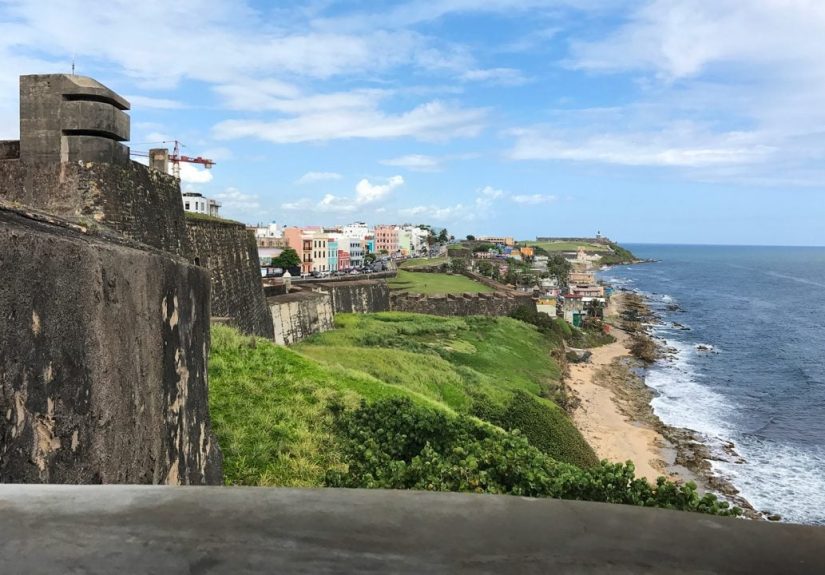
Puerto Rico offers extraordinary experiences: Old San Juan’s colorful streets, El Yunque National Forest, beaches in Vieques and Culebra, mountain towns, coffee farms, bomba and plena music, museums, food tours, and roadside kiosks serving things so delicious they should probably come with a warning label. Enjoy the island, spend locally, and leave it better than you found it.
Advocacy Is Also a Form of Help
Not every form of help comes with a receipt. Advocacy matters because Puerto Rico’s recovery depends heavily on policy decisions, federal funding, infrastructure planning, healthcare support, energy investment, housing programs, and fair access to disaster resources. People in the mainland United States can contact elected officials, support transparency in recovery funding, and ask for policies that prioritize resilience, equity, and local decision-making.
Advocacy also means paying attention after the headlines fade. Disaster recovery is not a one-week story. It can take years. Bridges, schools, clinics, water systems, and homes do not rebuild themselves because the internet got bored. Keeping Puerto Rico in public conversation helps maintain pressure for accountability and long-term investment.
What Makes Good Help Different From Bad Help?
Good help listens before acting. Bad help assumes. Good help supports local leadership. Bad help parachutes in with a logo and a megaphone. Good help asks what communities need now, next month, and next year. Bad help sends whatever was easiest to collect. Good help respects Puerto Rico’s culture, language, complexity, and dignity. Bad help treats the island like a charity project instead of a place filled with capable people who deserve partnership.
Good help is also transparent. Before donating, check whether the organization explains how funds are used, who its partners are, what programs it supports, and whether it has experience in Puerto Rico. A trustworthy group should be able to describe its work clearly without making every sentence sound like it was inflated with a bicycle pump.
Specific Examples of Helpful Support
Here are practical examples of support that can make a difference:
- Monthly donations to local nonprofits working on housing, health, food security, women-led recovery, or renewable energy.
- Emergency preparedness funding for community centers, clinics, and schools before hurricane season.
- Solar and battery backup projects for medically vulnerable households and public service facilities.
- Legal aid for families facing property title barriers that delay home repair assistance.
- Mental health programs for disaster survivors, caregivers, elders, and frontline workers.
- Local purchasing from Puerto Rican farms, restaurants, artists, and small businesses.
- Volunteer support through trained, organized, invitation-based programs.
How Businesses Can Help Puerto Rico
Businesses can do more than write a check, although checks are still very welcome and rarely complain about being useful. Companies can match employee donations, sponsor rebuilding projects, offer skilled volunteers, provide logistics support, fund solar installations, donate technology, support Puerto Rican suppliers, or partner with local nonprofits for long-term programs.
Small businesses can also help by choosing Puerto Rican vendors, hosting fundraisers, promoting Puerto Rican products, and educating customers about responsible giving. Larger companies should avoid short-term publicity campaigns that disappear after one press release. The best corporate help is sustained, measurable, and designed with local partners from the beginning.
How Schools, Churches, and Community Groups Can Help
Schools, faith communities, clubs, and neighborhood groups can play a powerful role. They can host educational events about Puerto Rico, organize fundraisers, invite Puerto Rican speakers, build preparedness kits based on requested needs, and create long-term partnerships with community organizations on the island.
The key is consistency. A one-day fundraiser is helpful. A yearly partnership is better. A relationship that includes learning, listening, and recurring support is best. Puerto Rico does not need pity. It needs allies who understand that solidarity is a verb.
Personal Experiences and Reflections on Helping Puerto Rico
One of the most powerful lessons from Puerto Rico’s recovery story is that help often begins with ordinary people doing ordinary things at the right time. After major storms, the first responders are frequently not wearing uniforms. They are neighbors with flashlights, relatives with pickup trucks, restaurant owners cooking whatever food is still fresh, nurses checking on patients, and community leaders turning a school, church, or basketball court into a lifeline.
Anyone who has watched Puerto Rican communities respond to crisis notices something quickly: resilience is not a slogan there. It is a daily habit. People share generators. They check on elders. They clear debris. They pass along information when cell service fails. They cook large pots of rice, beans, stew, or soup and somehow make disaster food taste like love showed up wearing an apron.
For supporters outside Puerto Rico, the experience of helping can be humbling. Many people begin with the simple question, “Where can I donate?” That is a good start, but the deeper question is, “How can I support what Puerto Ricans are already building?” The difference matters. The first question can accidentally center the donor. The second centers the community.
A meaningful experience might be choosing one local organization and following its work for years, not days. You learn what it does during hurricane season, what it does during quiet months, and how disasters affect issues like housing, health care, disability access, food systems, and education. You begin to understand that recovery is not a straight line. It is more like a mountain road after heavy rain: possible, but slow, uneven, and full of sharp turns.
Another real-world experience is visiting Puerto Rico responsibly after a disaster period has passed and tourism is welcomed. Spending money locally can feel small, but it matters. A meal at a family-owned restaurant, a local guide, a purchase from an artisan, a stay at a Puerto Rican-owned guesthouse, or a visit to a community-based tour operator all help circulate money where it can do good. The trick is to travel with respect, not rescue fantasies. Nobody needs a tourist announcing, “I came to save the island,” while blocking the sidewalk in Old San Juan with a rolling suitcase.
Helping Puerto Rico can also change how people think about preparedness at home. You realize that disaster resilience is not only about one place. It is about how every community prepares for heat, storms, floods, outages, and vulnerable neighbors. Puerto Rico teaches a hard but useful lesson: infrastructure matters, local leadership matters, and recovery money must reach real people, not vanish into a maze of paperwork and press conferences.
The most important experience is perhaps emotional. Helping Puerto Rico well requires patience. You may not see instant results. A repaired clinic, a stronger roof, a solar battery, a reopened road, or a trained community response team may not create viral content. But these are the things that protect lives when the next emergency arrives. Real help is not always loud. Sometimes it hums quietly in the background, like a backup generator keeping medicine cold through the night.
In the end, Puerto Rico does not need saviors. It needs partners, advocates, donors, visitors, volunteers, and policymakers who respect the island’s strength while helping remove the obstacles that make recovery harder than it should be. The best help for Puerto Rico is steady, informed, locally guided, and rooted in dignity. And that kind of help does more than respond to disaster. It helps build a future where communities can face the next storm with more safety, more power, and more hope.
Conclusion: Help For Puerto Rico Means Showing Up the Right Way
Help For Puerto Rico is not just a search phrase. It is a call to act with intelligence, humility, and consistency. Puerto Rico needs emergency support after storms, but it also needs long-term investment in housing, health care, energy resilience, food systems, small businesses, mental health, and community-led preparedness.
The best way to help is to trust Puerto Rican leadership, support organizations with proven local partnerships, donate cash when possible, travel responsibly, advocate for fair recovery policies, and keep paying attention long after the news cycle moves on. Puerto Rico has already shown the world what resilience looks like. The rest of us can help by making sure resilience is supported, funded, respected, and never taken for granted.