Table of Contents >> Show >> Hide
- What Is Herpes?
- Herpes Symptoms: What It Can Feel Like
- Causes of Herpes and How It Spreads
- Diagnosis: How Doctors Test for Herpes
- Herpes Treatment: What Actually Helps
- Prevention and Lowering the Risk of Transmission
- Living With Herpes Without Letting It Take Over
- Common Experiences People Have With Herpes
- Final Takeaway
Herpes is one of those health topics that arrives with a lot of whispers, a little panic, and way too many myths. The truth is less dramatic and far more useful: herpes is common, manageable, and very often misunderstood. Some people have noticeable outbreaks. Others have such mild symptoms that they mistake them for an ingrown hair, skin irritation, or a random bad day. Either way, herpes does not get to define your health, your future, or your love life.
This guide breaks down what herpes is, what symptoms can look like, what causes it, how doctors diagnose it, and what treatment actually helps. We will also cover what real day-to-day life can feel like for people living with herpes, because medical facts matter, but so does the human experience behind them. Think of this as the calm, clear, no-nonsense version of the internet you wish showed up first.
What Is Herpes?
Herpes is an infection caused by the herpes simplex virus, usually called HSV. There are two main types: HSV-1 and HSV-2. HSV-1 often causes oral herpes, including cold sores around the mouth, while HSV-2 is more commonly linked to genital herpes. That said, the two types are not as territorial as they sound. Either type can affect the mouth or genitals depending on how transmission happens.
That matters because many people still assume oral herpes is “one thing” and genital herpes is “another thing,” full stop. Not exactly. Oral sex can spread HSV-1 to the genitals, and that is one reason more genital herpes cases today are linked to HSV-1 than many people realize. In other words, herpes does not care much about labels. Biology loves a plot twist.
Another important point: herpes is a lifelong viral infection. After the virus enters the body, it can stay inactive in nerve cells and then reactivate later. That is why outbreaks can come and go. But lifelong does not mean constant chaos. For many people, outbreaks become less frequent over time, and treatment can make a big difference.
Herpes Symptoms: What It Can Feel Like
One of the most frustrating things about herpes is that it often causes no symptoms, or symptoms so mild they fly under the radar. That is why many people do not know they have it. When symptoms do show up, they can vary based on whether the infection is oral or genital, whether it is a first outbreak or a recurrent one, and which virus type is involved.
Common symptoms of oral herpes
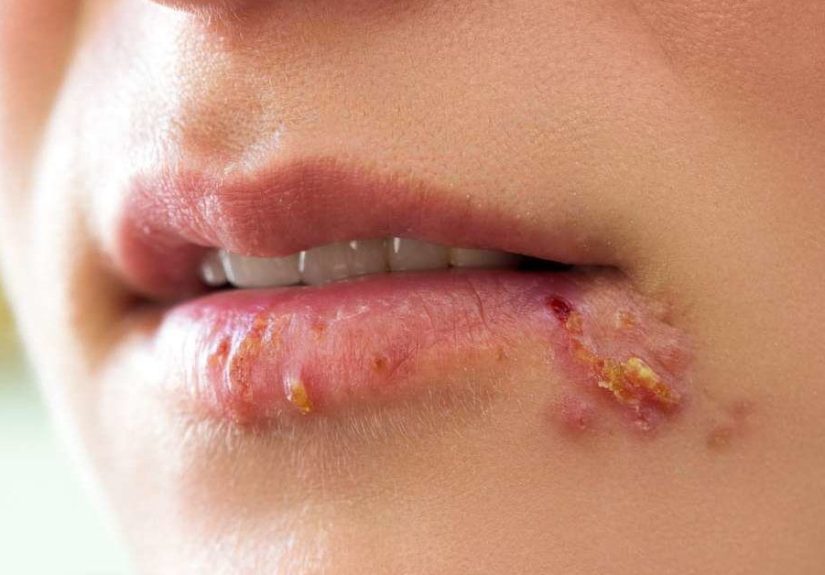
Oral herpes usually appears as cold sores or fever blisters on or around the lips and mouth. Before a sore appears, some people notice tingling, burning, itching, or tenderness. Then small blisters may form, break open, crust over, and heal. Eating spicy or acidic foods during an outbreak can feel like your lunch declared war on your face.
Common symptoms of genital herpes
Genital herpes can cause:
- Pain, itching, or irritation in the genital area
- Small bumps or blisters
- Painful sores after blisters break open
- Scabbing as the sores heal
- Painful urination
- Swollen lymph nodes
- Flu-like symptoms during a first outbreak, such as fever, body aches, fatigue, or headache
The first outbreak is often the roughest. Repeat outbreaks are usually shorter and less severe. Some people also notice warning signs before a recurrence, sometimes called a prodrome. This can feel like tingling, nerve pain, burning, or unusual sensitivity in the area before sores appear. It is not exactly a welcome text message from your body, but it can help people start treatment early.
Why symptoms can be confusing
Herpes can be mistaken for pimples, razor burn, an ingrown hair, a yeast infection, irritation from friction, or another skin condition. That is one reason self-diagnosis is unreliable. If a sore, blister, or recurring irritation keeps showing up, it is smart to let a healthcare professional figure out what is really going on instead of playing medical detective with a search bar at 2 a.m.
Causes of Herpes and How It Spreads
Herpes spreads through close personal contact. Genital herpes can spread during vaginal, anal, or oral sex. Oral herpes can spread through kissing, oral contact, or oral sex. The virus can be present in saliva, genital fluids, and skin in an infected area.
One of the biggest reasons herpes spreads so easily is something called asymptomatic shedding. That means the virus can be released from the skin even when no blisters or visible sores are present. So yes, a person can transmit herpes without knowing they are infected or without having an active outbreak at the time. This surprises a lot of people, but it is a core fact of how HSV behaves.
Can you get herpes from everyday objects?
In general, herpes is not spread through toilet seats, bedding, swimming pools, silverware, or soap. The virus does not typically hang around waiting to launch a sneak attack from your bathroom. Herpes spreads through direct contact far more than through casual household contact.
Risk factors that increase transmission
Your chance of getting herpes may be higher if:
- You have sexual contact with a partner who has HSV
- You do not use condoms or barriers consistently
- You have sex during an active outbreak
- You or your partner do not know an infection is present
- You have another STI that affects the skin or mucous membranes
Herpes can also increase the risk of getting HIV because sores or breaks in the skin can make it easier for HIV to enter the body. That is one more reason timely testing and prevention matter.
Diagnosis: How Doctors Test for Herpes
Diagnosing herpes is not always as simple as taking one look and declaring a verdict. If sores or blisters are present, a clinician may examine them and take a swab sample from the sore for testing. This is often the most useful way to confirm HSV when symptoms are active.
If no sores are present, a blood test may be used to look for HSV antibodies in certain situations. Blood tests can help show whether a person has been infected, but they do not tell you who transmitted the virus or exactly when the infection started. That is important, especially because people sometimes want a neat timeline and herpes rarely offers one.
Testing decisions depend on symptoms, risk, exposure history, and whether the person has a partner with herpes. In short, the best test often depends on timing. If a suspicious sore appears, getting checked quickly can improve the chances of a useful result.
Herpes Treatment: What Actually Helps
There is no cure for herpes, but there are effective ways to manage it. Prescription antiviral medications are the main treatment. Common options include acyclovir, valacyclovir, and famciclovir. These medicines can shorten outbreaks, reduce symptom severity, and, in some cases, lower the risk of passing the virus to a partner.
Episodic treatment
This approach means taking antiviral medicine when symptoms begin or when you feel an outbreak coming. It is often most helpful when started early, especially during the tingling, itching, or burning phase before sores fully appear.
Suppressive therapy
Suppressive therapy means taking antiviral medication every day. It may be recommended for people who have frequent outbreaks, significant discomfort, or major stress related to recurrences. It can also reduce transmission risk in some people with recurrent genital herpes. For many patients, daily treatment can make outbreaks much less frequent and life much more predictable.
Self-care during an outbreak
Medication is the star player, but everyday comfort measures matter too. Helpful steps may include:
- Keeping the area clean and dry
- Wearing loose, breathable clothing
- Using cool compresses for discomfort
- Taking pain relievers if a clinician says they are appropriate
- Avoiding touching sores and washing hands well if contact happens
For oral herpes, some people find cold foods or drinks soothing. For genital herpes, friction, heat, and tight clothing can make discomfort worse. In either case, the goal is to reduce irritation while the skin heals.
Prevention and Lowering the Risk of Transmission
While no prevention method is perfect except avoiding sexual contact altogether, several steps can lower the risk of spreading or getting herpes:
- Use condoms or dental dams consistently
- Avoid sexual contact during outbreaks or when warning symptoms begin
- Consider suppressive antiviral therapy if recommended by a clinician
- Talk openly with partners about herpes status and symptoms
- Get tested for other STIs when appropriate
Condoms help, but they do not cover every area where the virus may shed. That is why they reduce risk rather than eliminate it. Still, lower risk is not a small thing. It matters.
What about pregnancy?
Pregnancy deserves special attention. A pregnant person who has herpes or may have been exposed should tell their healthcare provider. Herpes can sometimes be passed to a baby during delivery, and neonatal herpes can be serious. In some cases, antiviral medication late in pregnancy may be recommended, and if symptoms or sores are present at delivery, a C-section may be considered.
Living With Herpes Without Letting It Take Over
A herpes diagnosis can bring up embarrassment, anger, confusion, sadness, or all four before lunch. That emotional reaction is real, but it is also very common. Herpes is manageable, and millions of people with HSV have normal relationships, healthy sex lives, pregnancies, careers, and ordinary Tuesdays.
What usually helps most is accurate information. Herpes is not a sign that someone is dirty, irresponsible, or doomed to become the villain in a health class cautionary tale. It is a virus. A common one. And while it can be painful or inconvenient, it is usually not dangerous in otherwise healthy adults.
Talking with a partner can feel intimidating, but honesty is part of good care. The conversation does not have to sound like a courtroom confession. A calm explanation, practical prevention plan, and willingness to answer questions often go a long way.
Common Experiences People Have With Herpes
The medical definition of herpes is straightforward. The lived experience is messier, more emotional, and much more human. People often do not just deal with symptoms; they deal with uncertainty, stigma, relationship worries, and the strange fact that a tiny virus can create such a large amount of mental noise.
One common experience is the shock of a first outbreak. Many people say the first symptoms do not immediately scream “herpes.” They may assume it is irritation from shaving, a yeast infection, a cold sore, a friction rash, or just skin being dramatic for no reason. When the diagnosis finally comes, the biggest reaction is often not physical pain but emotional whiplash. People start asking who, when, how, and why, even though herpes testing cannot always provide neat answers.
Another frequent experience is realizing that herpes is less constant than feared. Many people imagine life after diagnosis as an endless parade of outbreaks. In reality, symptoms often become less frequent over time, especially with treatment and better recognition of triggers. Some people notice stress, illness, fatigue, sun exposure, or friction seem to bring symptoms back. Others never figure out a clear pattern at all. Bodies, as usual, refuse to become perfectly organized spreadsheets.
Relationships are another major theme. People commonly worry that herpes will end dating, intimacy, or trust. But many find the opposite over time: once they learn how to talk about it clearly and calmly, the condition becomes one part of a broader conversation about health, boundaries, and mutual care. Some partners respond with questions. Some need time. Some already know plenty because they or someone they care about has dealt with HSV too. The feared “nobody will ever understand” scenario is much less universal than stigma makes it seem.
There is also the day-to-day practical experience. People living with herpes often become surprisingly skilled at spotting early symptoms, knowing when to call a doctor, keeping medication on hand, and adjusting routines during an outbreak. They learn what clothing feels better, what personal care products irritate the skin, and how much difference sleep and stress management can make. It becomes less of a mystery and more of a health condition with a playbook.
For some, the hardest part is not the outbreak itself but the silence around it. Shame can keep people from asking questions, seeking care, or talking to partners. That is why good information matters so much. The more people understand that herpes is common and manageable, the less power misinformation has. In many cases, the real turning point is not a miracle cure. It is the moment a person realizes, “This is treatable, I am not alone, and my life is not over.” That realization is not flashy, but it is powerful.
In the end, the most common long-term experience is adaptation. People learn, adjust, treat symptoms when needed, reduce transmission risk, and move forward. Herpes may stay in the body, but it does not have to stay at the center of the story.
Final Takeaway
Herpes can be uncomfortable, confusing, and emotionally heavy at first, but it is also highly manageable. Knowing the symptoms, understanding how HSV spreads, getting the right diagnosis, and using antiviral treatment when needed can make a major difference. Good prevention habits help, honest conversations help, and medical guidance helps most of all. The smartest approach is not panic. It is information, care, and a plan.