Table of Contents >> Show >> Hide
- First Things First: What Exactly Is Eggnog?
- From Medieval “Posset” to Fancy Milk Punch
- The Mystery of “Nog”: What Does It Even Mean?
- When Did People Start Saying “Eggnog”?
- Eggnog and Colonial America: A Perfect Match
- So What Does the Name Really Mean?
- Modern Eggnog: Same Name, Many Versions
- Living With a Drink Called “Eggnog”: Experiences, Traditions, and Fun
- Conclusion: A Quirky Name With Serious History
If you’ve ever sipped a creamy glass of eggnog and thought, “Who on earth decided to call this eggnog?” you’re not alone. For a drink that tastes like melted holiday custard with a side of nostalgia, the name sounds a little… clunky. Cozy? Yes. Festive? Sure. Elegant? Not exactly.
But behind that odd little word is a surprisingly rich history that stretches from medieval England to colonial America, with stopovers in old taverns, fancy drawing rooms, and plenty of holiday parties. The story of how eggnog got its name is part language mystery, part drinking culture, and part branding accident that stuck for centuries.
First Things First: What Exactly Is Eggnog?
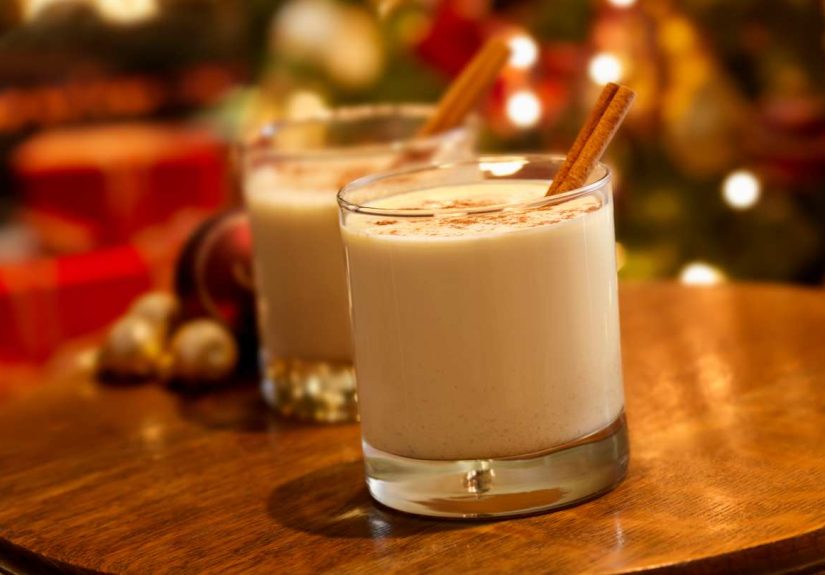
Before we dissect the name, let’s talk about the drink itself. Eggnog is a sweet, rich, dairy-based beverage traditionally made with milk or cream, sugar, whipped eggs (both yolks and whites), and warm spices like nutmeg or cinnamon. Many traditional recipes spike it with rum, brandy, bourbon, or a combo of all three, though non-alcoholic versions are now just as common in grocery store cartons.
In modern North America, eggnog is practically welded to the holiday season. It starts popping up in supermarkets in November and quietly disappears sometime after New Year’s, like a seasonal roommate who never pays rent but brings dessert. It’s been part of winter celebrations for hundreds of years, especially in the United States and Canada, and its roots are older than its name.
From Medieval “Posset” to Fancy Milk Punch
The ancestor of eggnog is a British drink called posset, dating back to the Middle Ages. Posset was made by heating milk and then curdling it with ale, wine, or another alcohol, often flavored with sugar and spices. It was thick, warm, and sometimes prescribed as a remedy for colds and chills. Think of it as a cross between a hot toddy and a very early milkshake that decided to study herbal medicine.
Over time, especially by the 15th to 17th centuries, richer versions of posset began to appear in upper-class households. Wealthier people had access to expensive ingredients like cream, eggs, sugar, and imported spices. Some recipes added egg yolks and whites, beaten into froth, turning the drink into something much closer to what we’d recognize as eggnog: creamy, foamy, and indulgent.
By the time the drink crossed the Atlantic to the American colonies, it had evolved into a kind of milk punch. Colonists added locally available rum (often cheaper and easier to get than wine), and boom: the foundation for our modern holiday eggnog was in place. The drink existed. Now it just needed a name that would stick.
The Mystery of “Nog”: What Does It Even Mean?
The “egg” part of eggnog is obvious enough. The real puzzle is the “nog.” Where did that come from, and why did it end up attached to a festive dairy cocktail?
Theory 1: “Nog” as Strong Ale
One of the most widely cited explanations is that nog originally referred to a strong type of beer or ale. Historical dictionaries and etymology sources point to an old English dialect word for a potent brew, especially associated with East Anglia. In this theory, “eggnog” literally combines “egg” with “strong drink” essentially “egg-ale” or “egg-strong-booze.”
That makes sense when you remember that early versions of the drink were heavily alcoholic. Eggnog wasn’t just a cute dessert drink; it could be quite powerful, especially when fortified with rum, brandy, or sherry. Calling it something that invoked strong ale fits the drink’s reputation as a festive, sometimes knock-you-on-your-couch beverage.
Theory 2: “Noggin,” the Wooden Cup
Another popular theory ties “nog” to the word noggin, which originally meant a small wooden mug or cup used for serving alcohol. In this story, people drank their egg-based punch out of these little wooden vessels, and the container gave the drink its name.
So instead of “eggs plus strong ale,” the meaning becomes closer to “eggs in a little cup.” Some sources even gloss eggnog as “eggs in a small cup,” which is oddly charming and sounds exactly like something a colonial bartender would shout over a noisy tavern: “Another round of eggnoggins!”
Over time, as language tends to do, the longer phrase may have been shaved down. The mug (noggin) and the drink became conceptually fused in people’s minds. Eventually, the drink itself inherited the shortened name: eggnog.
Theory 3: “Egg-and-Grog” Turned “Eggnog”
Then there’s the sailor story and you just knew sailors would show up in a tale involving alcohol. Some historians and writers suggest that early versions of the drink might have been called “egg-and-grog,” referring to eggs mixed with rum or another spirit known as grog. Over time, “egg-and-grog” could have slurred into “egg-n-grog” and then compressed into “eggnog.”
This theory fits nicely with the maritime culture of the 1700s and the use of rum in colonial American eggnog. However, language experts point out that there’s not much hard evidence in early written records to prove this exact phrase ever existed. It’s a compelling story, but more folklore than verified fact.
Theory 4: A Scottish Connection
A less common but still interesting suggestion is that “nog” is related to a Scottish term for ale warmed with a hot poker (sometimes called “nugg” or “nugged ale”). That sort of drink fits the pattern of warm, spiced, boozy punches served in cold weather. While the Scottish connection isn’t as widely accepted as the ale-or-noggin theories, it demonstrates how many regional drinking traditions could have influenced both the recipe and the name.
When Did People Start Saying “Eggnog”?
Even though “nog” shows up in English in the late 1600s, the combined word “eggnog” doesn’t appear in print until the 18th century. By then, the drink had made itself very comfortable in North America.
One of the earliest known references comes from a clergyman named Jonathan Boucher in the 1770s, who used the term in a poem. Later, in the 1780s, American newspapers mention a young man drinking a glass of eggnog. By the late 1700s and early 1800s, the word “eggnog” appears often in American writings, suggesting the drink was already a familiar part of social life, especially around Christmas and New Year’s.
Many dictionaries and etymology references now label “eggnog” as an American coinage from roughly 1765–1775. The drink may have older European roots, but the name itself likely crystallized in the American colonies, where eggs, milk, and rum were available in abundance and holiday parties were an excellent excuse to combine all three.
Eggnog and Colonial America: A Perfect Match
In colonial America, ingredients that were rare or expensive in Englandlike fresh milk and creamwere easier to come by on farms. At the same time, imported rum from the Caribbean was relatively affordable. Put those together, and you get a rich, boozy drink that felt luxurious but wasn’t completely out of reach for colonists with access to farms and trade.
Eggnog quickly became associated with hospitality and celebration. Diaries, travelogues, and letters from the late 18th and early 19th centuries describe people starting their day or toasting special occasions with eggnog. Some accounts even mention famous figures, like George Washington, having their own amped-up recipes loaded with multiple spirits.
The name “eggnog” fit this world perfectly. It sounded rustic enough for taverns and farmhouses, but familiar enough to anyone who knew what eggs, ale, and cups were. And once a name works in conversation“Pass me some eggnog, will you?”it tends to stick.
So What Does the Name Really Mean?
After sifting through the different theories, most historians and language experts lean toward a blended explanation. You can think of the name “eggnog” as a kind of linguistic cocktail.
- “Egg” points to the key ingredient that made the drink rich, frothy, and distinctive compared to other punches.
- “Nog” most likely connects either to strong beer/ale or to the small wooden mugs (noggins) used to serve alcoholic drinks.
In either case, eggnog probably started as a descriptive phrase: an egg-based drink served as a strong, festive beverage in a particular type of cup. Over time, as the drink became more closely tied to the winter holidays, the name moved from being descriptive to iconic. Today, “eggnog” doesn’t need explainingeveryone hears the word and immediately thinks of Christmas, cinnamon, and possibly one regrettable office party.
Modern Eggnog: Same Name, Many Versions
Interestingly, while the name “eggnog” stayed the same, the drink itself has continued to evolve. Supermarkets now carry dairy-free nogs made from almond, oat, soy, or coconut milk. There are vegan “nogs” with no eggs at all, light nogs with less sugar and fat, and flavored versions that lean into vanilla, pumpkin spice, or coffee.
Beyond the United States, similar drinks show up under different names: Mexico has rompope, Puerto Rico has coquito, and other countries put their own spin on the idea of a creamy, spiced holiday drink. But it’s the English-language worldand especially North Americathat clings to the quirky word “eggnog.”
At this point, the name is less about literal eggs and noggins and more about tradition. Even people who don’t particularly enjoy the taste of eggnog still recognize it as a cultural symbol. It’s the drink that shows up on greeting cards, in holiday songs, and in jokes about spiking the punch bowl.
Living With a Drink Called “Eggnog”: Experiences, Traditions, and Fun
Knowing where the name comes from makes eggnog feel less random and a lot more rooted in historybut it also adds a fun layer to how we experience it today. For many people, the word “eggnog” is almost as polarizing as the drink itself. Some hear it and immediately think, “Yes, please!” Others hear it and picture raw eggs in a cup and quietly back away from the punch bowl.
One of the best parts of serving eggnog at a holiday gathering is watching people react to the name once they know a bit of its story. Tell guests that “nog” probably referred to a strong ale served in wooden mugs, and suddenly the drink feels like an old-world tavern classic instead of just a mysterious creamy punch. You can almost imagine 18th-century revelers raising small wooden cups by candlelight, toasting to health and good fortune with their eggnog.
From a host’s point of view, eggnog is also a conversation starter. You can set out a big bowl of homemade nog, sprinkle nutmeg on top, and attach a little card that says: “Eggnog from medieval posset to colonial ‘eggs in a small cup.’” Guests will ask questions. Someone will inevitably ask, “Wait, is it really made with raw eggs?” and then you get to explain how modern recipes typically use cooked bases or pasteurized eggs.
For families that grew up with eggnog as a holiday staple, the name is quietly woven into memories. Maybe you remember your grandparents pouring themselves a glass of heavily spiked nog while you got the kid-safe version from a carton. Maybe your first taste was at a school party, where someone had bravely decided that a room full of sugar-hyped children also needed dairy and nutmeg.
These personal experiences show how the name and the drink blur together. “Eggnog” isn’t just a nounit’s an event. It’s that first seasonal sip that tells you the year is winding down. It’s the tradition of buying a carton “just to see if it still tastes like you remember.” It’s debating with friends whether eggnog is delightful or disgusting, usually while you’re on your second glass.
Even the more modern twists keep the spirit of the name alive. Vegan nogs, for example, may contain zero eggs, but they still carry “nog” in the title. That little syllable does a lot of work: it signals that this isn’t just any creamy drink; it’s part of the long, slightly odd, very cozy tradition of holiday nogs. The name carries centuries of drink culture, from medieval cures to colonial feasts to today’s plant-based holiday spreads.
If you want to bring the history into your own kitchen, you can turn eggnog-making into a mini ritual. Whisking the yolks, folding in whipped whites, grating fresh nutmeg over the topall of that feels more meaningful when you remember that people have been making variations on this drink for hundreds of years. As you stir, you’re echoing the motions of monks, cooks, tavern keepers, and home hosts across centuries. Suddenly, “eggnog” feels less like a funny word and more like a living tradition you’re helping to carry forward.
And that might be the best part of understanding how eggnog got its name. It transforms a small seasonal treat into a story: one that starts with “Once upon a time, there was a drink called posset…” and ends with you, today, debating whether to add rum or bourbon to this year’s batch.
Conclusion: A Quirky Name With Serious History
So, how did eggnog get its name? The short answer is that it likely grew out of a mix of old words for strong drink and the cups used to serve it, combined with the eggs that made the drink special. “Eggnog” probably blends the idea of eggs with nog, a term for strong ale or a drink served in a “noggin” mug. The longer answer is that the name reflects centuries of drinking traditions, from medieval posset to colonial milk punch to the supermarket carton in your fridge.
Today, the name “eggnog” is as much a part of the holiday season as twinkle lights and Mariah Carey. It’s a little strange, a little old-fashioned, and totally inseparable from the drink it describes. And the next time someone wrinkles their nose at the word, you can smile, hand them a glass, and say, “Let me tell you where that name came from.”