Table of Contents >> Show >> Hide
- What exactly is Botox?
- How Botox works inside your body
- How long does Botox last before it wears off?
- So… how does Botox actually wear off?
- Where does Botox go after it’s injected?
- Why does Botox last longer for some people than others?
- Can you make Botox last longer?
- Is Botox safe while it’s in your system?
- What it feels like when Botox wears off (experience-based view)
- Bottom line: How Botox wears off and where it goes
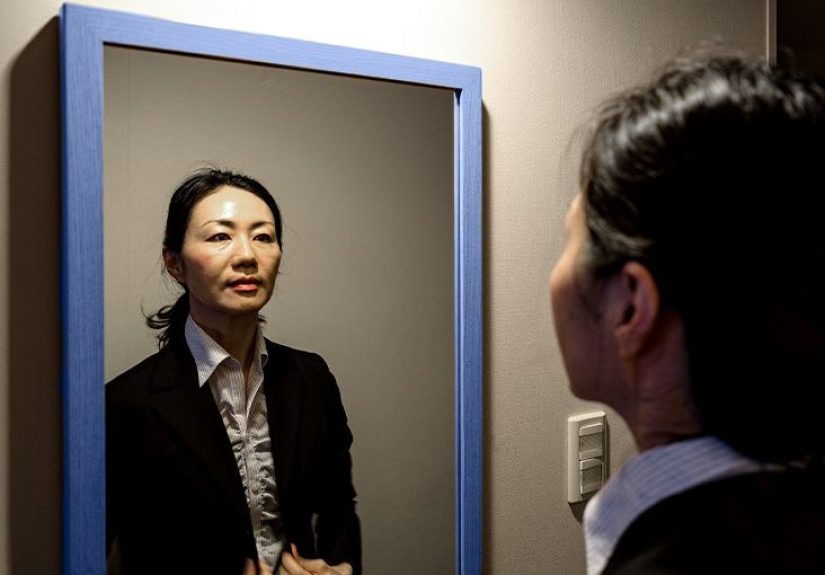
If you’ve ever stared in the mirror thinking, “My forehead lines are back… did my Botox just ghost me?”, you’re not alone.
Botox is famous for its smooth-forehead magic, but it’s also famously temporary. That raises two very logical questions:
How does Botox actually wear off, and where does it go once it’s done?
The short answer: Botox doesn’t just “disappear” overnight. It binds to nerve endings, changes how those nerves talk to your muscles,
slowly loses its effect as your body repairs itself, and the protein itself is broken down and recycled like many other proteins in your body.
Let’s unpack that in a clear (and slightly fun) way.
What exactly is Botox?
“Botox” is the brand name for onabotulinumtoxinA, a purified form of botulinum toxin type A. It’s made by the
bacterium Clostridium botulinum, the same organism that can cause botulism in high, uncontrolled doses. In medicine and aesthetics,
though, it’s used in tiny, carefully measured amounts to treat things like:
- Facial wrinkles (frown lines, forehead lines, crow’s feet)
- Chronic migraines
- Muscle spasms and spasticity
- Excessive sweating (hyperhidrosis)
- Overactive bladder and other conditions
In other words, Botox is a nerve-blocking medication, not a filler. It doesn’t “fill in” lines; it temporarily relaxes the
muscles that cause them.
How Botox works inside your body
Step 1: Botox is injected where it’s needed
During treatment, your provider injects tiny amounts of Botox into specific muscles using a very fine needle. For cosmetic use, this might
be along your forehead, between your brows, or around your eyes. For medical uses, injections may go into neck muscles, limb muscles, or other areas.
Right after injection, a small amount of the toxin diffuses through the local tissue and finds its way to nerve endings that control
those muscles.
Step 2: Botox binds to nerve endings
At the microscopic level, Botox targets the neuromuscular junctionthe place where a nerve ending talks to a muscle fiber.
There, it binds to specific receptors on the nerve ending and is pulled inside the nerve cell in a process called
receptor-mediated endocytosis.
Step 3: It blocks the message (acetylcholine)
Normally, nerves release a chemical messenger called acetylcholine. Think of it as a tiny “contract!” text message that
tells the muscle to tighten. Botox interferes with this process by cleaving a protein called SNAP-25, which is part of the machinery
that helps acetylcholine-containing vesicles fuse with the nerve membrane and release their contents.
When SNAP-25 is cut, the nerve can’t release acetylcholine properly. The result? The muscle can’t contract as strongly, so wrinkles soften
or symptoms like spasms and migraines improve.
Step 4: The effect kicks in and then plateaus
You don’t see the full effect right away. Most people notice results starting within 3–5 days, with maximum effect around
10–14 days. From there, things stay fairly stable for a while before you notice movement slowly coming back.
How long does Botox last before it wears off?
On average, Botox results last about 3 to 4 months for cosmetic treatments. Some people get as little as 2 months, others up to
5 or 6 months. Duration can vary depending on:
- Treatment area: Forehead and frown lines often last 3–4 months; crow’s feet may be a bit shorter.
- Muscle strength: Stronger, more active muscles may burn through Botox faster.
- Your metabolism and lifestyle: Very active people may notice slightly shorter duration.
- First-timer vs. repeat user: First treatments sometimes wear off a bit faster; after a few sessions, results may last longer.
For medical uses (like migraines, spasticity, or bladder symptoms), the effect window can range from around 10 weeks to several months,
depending on the condition and dosing schedule.
So… how does Botox actually wear off?
The “wearing off” isn’t Botox packing its bags and leaving all at once. Two main things are happening:
1. Your nerves recover and reconnect
Botox doesn’t kill your nerve or your muscle. It temporarily disrupts communication. While Botox is sitting inside that nerve ending, the cell
can’t release acetylcholine normally. Over time, your body does what it always does best: repairs and rewires.
The nerve:
- Starts to grow new nerve terminals (tiny sprouts) that bypass the blocked machinery.
- Rebuilds its ability to release acetylcholine and signal the muscle again.
As these new connections form, the muscle gradually regains movement. That’s why Botox doesn’t go from “frozen” to “full movement” overnightit’s
a slow return of function over weeks.
2. The Botox protein is broken down
Botox itself is a protein. Once it’s inside the nerve cell and has done its job, it doesn’t sit there forever. Over time, your body
breaks it down into smaller peptides and amino acids using normal cellular cleanup systems (like lysosomes and proteasomes).
Those pieces are then reused or eliminated like other protein fragments in your body.
So when people ask, “Does Botox stay in my body forever?” the answer is: No. The effect may last several months, but the molecule
itself is gradually dismantled and cleared.
3. In rare cases, your immune system gets involved
In a small number of people, repeated high-dose treatments over time can trigger the immune system to make neutralizing antibodies against Botox.
When that happens, your body basically learns to block the toxin before it can work, so:
- The Botox effect becomes weaker or disappears.
- It can look like Botox is “wearing off immediately” or “not working anymore.”
This is more common in high-dose medical treatments than in typical cosmetic dosing, but it’s one reason experienced injectors try to avoid overly frequent
injections or unnecessary “top-offs.”
Where does Botox go after it’s injected?
Mostly, it stays local
With standard, FDA-approved dosing and proper injection technique, Botox is designed to act right where it’s injected. The toxin binds quickly
to nearby nerve endings. That rapid binding limits how much can travel any farther.
Small amounts can diffuse a few millimeters from the injection site, which is why precise placement is so important. But it’s not designed to
travel widely through the bloodstream in meaningful amounts when used correctly.
A tiny fraction may enter circulation
Pharmacokinetic studies suggest that very small amounts of botulinum toxin can reach the bloodstream, especially right after injection. In animal studies,
the half-life of unbound toxin in the blood is measured in hours, not months. Once in circulation, it’s subject to the same basic fate as other proteins:
- It can be picked up by cells, broken down, and recycled.
- Its breakdown products are eventually excreted, mostly via the kidneys and other normal metabolic pathways.
The key takeaway: The long-lasting effect is due to what Botox did to the nerve terminals, not because the toxin is “floating around” in your body for months.
What about “spread of toxin effect” warnings?
Official product labeling does warn that Botox’s effects can, in rare cases, extend beyond the injection site, causing symptoms like generalized
muscle weakness, trouble swallowing, or difficulty breathing. These cases are uncommon, and the risk increases with higher doses, certain medical conditions,
or unapproved/unregulated products.
That’s why:
- Botox should only be used under the guidance of a trained, licensed medical professional.
- You should avoid “bargain” or counterfeit Botox from unregulated sources.
Why does Botox last longer for some people than others?
Not all bodies process Botox at the same speed. Factors that can influence how fast Botox wears off include:
- Muscle size and strength: Bigger, stronger muscles often regain movement sooner.
- Facial expressions: If you’re very expressive, your muscles may fight harder to reconnect, shortening the noticeable effect.
- Metabolism and lifestyle: Very active or high-metabolism individuals sometimes report shorter duration.
- Dose and placement: Lower doses or less precise placement may wear off faster.
- Frequency of treatment: Some people notice results last longer after several cycles of Botox, as muscles slightly “decondition.”
None of these factors mean your body is “wrong”they just explain why your friend’s Botox might last 5 months, and yours seems perfect for about 3.
Can you make Botox last longer?
You can’t stop your body from healing (and you wouldn’t want to), but you can set yourself up for better, more consistent results:
- Choose an experienced injector: Good technique and accurate dosing matter.
- Don’t chase constant touch-ups: Re-injecting too early can increase the risk of antibody formation and doesn’t give your body a healthy rhythm.
- Keep a steady schedule: Many people do best with a plan every 3–4 months rather than guessing.
- Take care of your skin: Sun protection, hydration, and a good skincare routine help your overall appearance, so you may feel less desperate for ultra-frequent injections.
Some small studies and anecdotal reports suggest that zinc or certain supplements might slightly extend Botox’s effect, but the evidence is not strong enough
to make a universal recommendation. Always talk with your healthcare provider before adding supplements just for Botox.
Is Botox safe while it’s in your system?
For most people, when used properly, Botox is considered safe. The doses used are tiny compared with the amount needed to cause botulism.
However, it’s still a powerful neurotoxin, which is why:
- It’s tightly regulated and only approved formulations should be used.
- It must be injected by trained professionals who understand anatomy and dosing.
Possible side effects include:
- Temporary bruising or swelling at injection sites
- Drooping eyelid or uneven eyebrows if the toxin affects nearby muscles
- Headache or flu-like symptoms
- Rarely, more serious symptoms like difficulty swallowing or breathing (seek immediate care if that happens)
Serious complications are rare, but they’re another reason to avoid “DIY Botox” or injections from unverified providers or online products.
What it feels like when Botox wears off (experience-based view)
You won’t wake up one morning and suddenly look exactly like you did before your injections. The process is slow and gradual, and many people don’t notice
it until they compare photos or catch themselves frowning again in traffic.
Here’s how the “wearing off” phase often feels in real life:
Weeks 1–2: The “ahh, smooth” phase
In the first week or two after injections, you’ll typically notice:
- Softer lines when you raise your brows, frown, or smile.
- A slightly “heavier” or more relaxed forehead for some people.
- Less ability to make intense expressions (goodbye, deeply etched frown lines).
Many people love this period because makeup goes on smoother and selfies require less strategic lighting.
Weeks 4–8: The “perfect balance” zone
Around one to two months in, you’re usually in the sweet spot:
- Wrinkles are still significantly reduced.
- You can often make softer, more natural expressions.
- Friends may say you look “well-rested” rather than “frozen.”
This is the phase when many people think, “If I could just stay like this forever, that’d be great.”
Weeks 8–12 (and beyond): The “is it wearing off?” stage
Somewhere around the 3-month mark, you may notice:
- Your brows move more when you’re surprised or concentrating.
- A faint line reappearing when you squint or frown.
- More mobility at the edges of the treatment area (like the outer forehead or near the temples).
At first, it’s easy to ignore. Then one day, you catch a glimpse of yourself mid-frown in your phone camera and realize:
“Oh. It’s definitely wearing off.”
Emotionally, it’s a rollercoasterespecially the first time
If it’s your first round of Botox, the experience can feel a little dramatic. At the beginning, you might worry you look too frozen;
by month three, you might feel like the magic is gone too soon. Over time, most people learn their personal timeline:
- Some book their next appointment like clockwork every 3–4 months.
- Others stretch it out and only refresh when movement really starts to bother them.
Understanding that Botox wears off because your body is healing and repairingnot because anything went wrongcan make the process feel more predictable
and less anxiety-inducing.
Medical Botox experiences: function, not just looks
For medical uses, the “wearing off” phase can show up as a slow return of symptoms:
- Migraines slowly becoming more frequent again.
- Muscle spasms or stiffness gradually returning.
- Bladder symptoms slowly creeping back.
Many patients learn to track this pattern and schedule follow-ups before symptoms become as severe as they were before treatment.
That’s why regular communication with your neurologist, dermatologist, or other specialist is essential.
Bottom line: How Botox wears off and where it goes
Botox works by temporarily blocking nerve signals to targeted muscles. It doesn’t erase muscles or permanently freeze your face. As your body
repairs nerve communication and the Botox protein is naturally broken down and cleared, movement gradually returns.
Most people enjoy 3–4 months of effect, depending on their biology, lifestyle, and treatment area.
Used correctly and sourced from legitimate, FDA-approved products, Botox is a powerful but well-studied tool for both aesthetics and medicine.
If you’re thinking about Botox or wondering whether your results are lasting the “right” amount of time, your best move is to talk with a
qualified provider who can review your medical history, goals, and treatment schedule.
SEO JSON