Table of Contents >> Show >> Hide
- Why the Scale Is Both Useful and Terrible
- So… How Often Should You Weigh Yourself?
- If Your Goal Is Weight Loss (Adults): Daily Can WorkWith One Big Rule
- If Your Goal Is Weight Maintenance: Weekly (or Twice Weekly) Is Usually Plenty
- If the Scale Messes With Your Head: Less Often Is More Smart
- If You’re a Teen: Be Extra Cautious With Frequent Weighing
- If Your Doctor Asked You to Monitor Weight: Follow Their Plan
- The Best Time (and Best Way) to Weigh Yourself
- How to Read the Number Without Losing Your Mind
- A “Pick Your Plan” Guide
- Common Mistakes That Make Weighing Feel Worse Than It Needs to Be
- What to Track Instead (or Alongside) the Scale
- What About “Daily for Loss” Is That Always Better?
- Experiences That Make This Click ()
- Conclusion: The “Right” Frequency Is the One You’ll Stick With
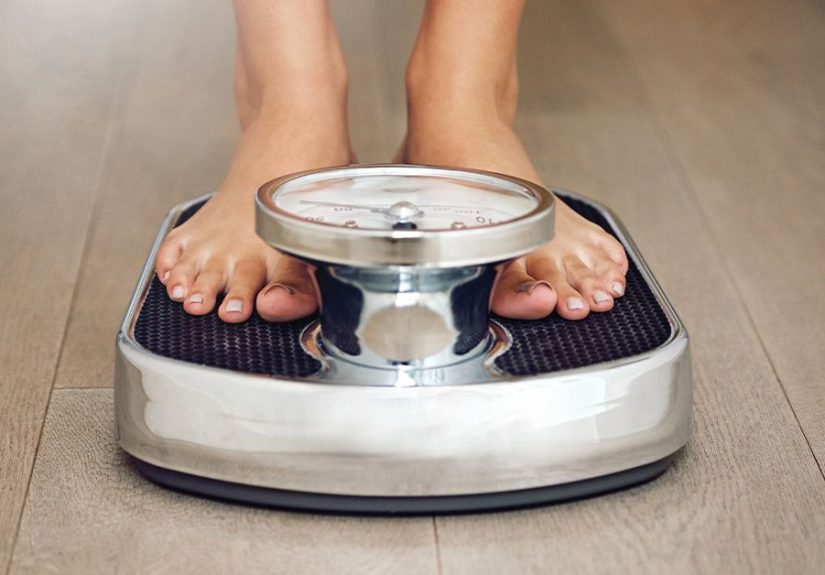
The bathroom scale is a little like that one friend who texts you at 2 a.m. with “we need to talk.”
Sometimes it’s helpful. Sometimes it’s dramatic. And sometimes it’s just reacting to a burrito.
If you’ve ever stepped on the scale two days in a row and wondered how your body allegedly gained “three pounds”
overnight (without you eating a sofa), you’re not alone.
Here’s the truth: how often you should weigh yourself depends on your goal and your relationship with the data.
Daily weigh-ins can be useful for some adults pursuing weight lossespecially when you track trends instead of treating each number like a report card.
But weighing less often is completely fine (and sometimes healthier) if daily numbers mess with your mood or motivation.
Why the Scale Is Both Useful and Terrible
A scale measures total body weight, not “fat gained” or “fat lost.” Your weight can swing from day to day for reasons that have nothing to do with progress:
hydration, salty meals, the amount of food still digesting, hormone shifts, sore muscles after a workout, stress, sleep, travel, and even constipation.
In other words, your body is not a math problem. It’s a living organism with excellent plot twists.
That doesn’t mean the scale is useless. Used the right way, it can be a simple feedback toollike a dashboard light.
It can help you notice patterns early, stay aware of gradual changes, and spot when habits are drifting.
Used the wrong way, it becomes an emotional slot machine: step on, hope for a jackpot, feel crushed when the “numbers” don’t cooperate.
So… How Often Should You Weigh Yourself?
Think of weigh-in frequency like caffeine: some people do great with a cup every morning, and others turn into jittery squirrels.
The “best” schedule is the one that gives you useful information without making you anxious, obsessive, or discouraged.
If Your Goal Is Weight Loss (Adults): Daily Can WorkWith One Big Rule
Daily weighing can help some adults lose weight because it increases awareness and encourages quick course-correction.
But it only works if you treat it like data, not judgment.
The big rule is this: focus on trends, not single-day numbers.
Here’s what that looks like in real life:
- You weigh daily under consistent conditions (more on that soon).
- You record it (app, notes, spreadsheet, sticky note on the fridgewhatever you’ll actually use).
- You look at a weekly pattern or a rolling average, not the “Tuesday number.”
- You make small adjustments if the trend stalls for a couple of weeksrather than panic-changing everything after one high day.
Daily weighing is especially helpful if you like structure, you’re motivated by measurable feedback, and you can shrug off normal fluctuations.
If stepping on the scale daily makes you feel steady and informed, it can be a smart tool.
If Your Goal Is Weight Maintenance: Weekly (or Twice Weekly) Is Usually Plenty
If you’re maintaining your weight, you typically don’t need daily numbers to stay on track.
Many people do well with one weigh-in per weekor one to two times per weekbecause it’s frequent enough to notice drift,
but not so frequent that normal daily noise becomes a big deal.
A maintenance-friendly approach:
- Pick a consistent day (for example, Saturday morning).
- Track it over time (a simple list works).
- If the trend creeps up for a few weeks, adjust habits gentlymore walking, tighter portions, fewer “liquid calories,” better sleep.
If the Scale Messes With Your Head: Less Often Is More Smart
If weigh-ins trigger shame, anxiety, or obsessive behaviors, weighing less oftenor not at allcan be the healthiest choice.
That’s not “giving up.” That’s choosing a strategy that protects your mental health and supports long-term consistency.
Warning signs the scale may be doing more harm than good:
- Your mood for the day depends on the number.
- You restrict food or overexercise after a higher reading.
- You weigh multiple times a day “just to check.”
- You avoid social plans because you’re worried about the scale afterward.
- You feel like the number is your worth (it isn’t).
In these cases, consider:
weekly or monthly check-ins, or switching to non-scale progress markers (more on those below).
If you have a history of disordered eating, talk with a qualified health professional before using frequent weigh-ins as a strategy.
If You’re a Teen: Be Extra Cautious With Frequent Weighing
If you’re still growing, your body is changing in ways a scale can’t explain fairly. Weight can rise as part of normal development,
even when health habits are solid.
For teens, obsessing over weigh-ins can backfire fastso it’s usually better to focus on behaviors (sleep, movement, balanced meals, stress)
and talk with a pediatrician or registered dietitian if weight is a concern.
If Your Doctor Asked You to Monitor Weight: Follow Their Plan
For some medical conditions (like fluid retention issues), daily weighing can be medically important.
In that situation, the goal isn’t weight lossit’s spotting sudden changes and sharing them with your care team.
If you’ve been given specific instructions, use those instead of generic advice.
The Best Time (and Best Way) to Weigh Yourself
If you want the scale to be a useful tool, consistency is everything.
Weighing at random timesafter lunch, after the gym, after a salty dinnerturns your scale into a chaos generator.
A consistent routine makes the data far more meaningful.
A Simple “Same Conditions” Checklist
- Time: Morning is bestafter using the bathroom, before eating or drinking.
- Clothing: Minimal clothing, or the same type of clothing each time.
- Scale: Use the same scale on a hard, flat surface.
- Pattern: Pick your frequency (daily, weekly, etc.) and stick to it.
If you weigh daily, expect bumps. If you weigh weekly, expect the occasional weird reading.
Either way, your goal is to reduce the “noise” so you can see the signal.
How to Read the Number Without Losing Your Mind
A scale number is not a grade. It’s not your character. It’s not your value.
It’s one data pointlike a weather report.
Sometimes it’s sunny. Sometimes it’s “surprise thunderstorm,” and you did nothing wrong.
Use Trends (Not Drama)
Daily weighers do best when they look at a 7-day average or compare week-to-week trends.
Weekly weighers do best when they compare the same weekday over time.
The point is to avoid overreacting to normal fluctuations.
Example: The Salty Dinner “Weight Gain” That Isn’t Fat
Say you eat takeout on Fridaydelicious, salty, and absolutely not ashamed of itself. Saturday morning your weight is up.
That’s not your body “storing fat overnight.” It’s often water retention and digestion.
If your overall habits are on track, your weight trend typically settles back down as your body balances fluids.
Example: Workout Soreness Can Mean a Temporary Bump
Start strength training and you may see the scale rise a bit, even while your body is getting healthier.
Sore muscles can hold extra water during recovery. That’s not failureit’s biology doing repairs.
If this happens often, pair weigh-ins with non-scale metrics like waist measurements or how clothes fit.
A “Pick Your Plan” Guide
Choose Daily Weigh-Ins If…
- You’re an adult actively pursuing weight loss and you like frequent feedback.
- You can treat the number as neutral data.
- You’re willing to track trends rather than chase daily drops.
- You won’t punish yourself for normal fluctuations.
Choose Weekly (or Twice Weekly) Weigh-Ins If…
- You’re maintaining weight or losing weight slowly and steadily.
- Daily changes stress you out or make you overthink food.
- You prefer a simpler routine you can sustain long term.
Choose Monthly (or “As Needed”) Weigh-Ins If…
- The scale affects your mood, anxiety, or self-esteem.
- You have a history of disordered eating or obsessive tracking.
- You’re focusing on fitness, strength, health markers, or performance goals.
Common Mistakes That Make Weighing Feel Worse Than It Needs to Be
1) Weighing at Different Times of Day
Your weight at 9 p.m. after meals and hydration is often higher than your weight at 7 a.m.
That doesn’t mean you gained fat in a day. It means you’re human and gravity works.
2) Turning One High Number Into a Personality Crisis
A single weigh-in can reflect water, hormones, sleep, stress, muscle soreness, or digestion.
The correct response to one high reading is usually: “Huh. Interesting.” Then move on.
3) “Fixing” the Number With Extreme Restriction
Crash dieting, skipping meals, or punishing workouts can backfirephysically and mentally.
Sustainable change comes from steady habits: balanced meals, consistent movement, good sleep, and stress management.
4) Ignoring Non-Scale Victories
Energy, strength, endurance, better sleep, improved lab numbers, less joint pain, and feeling more confident in daily life all matter.
The scale is one toolnot the entire toolbox.
What to Track Instead (or Alongside) the Scale
If you want a healthier relationship with progress, add at least one non-scale metric.
This is especially useful when the scale is noisy (hello, hormones and water retention).
- Waist or hip measurement: Taken monthly under consistent conditions.
- How clothes fit: Especially waistbands and fitted shirts.
- Fitness markers: More steps, heavier lifts, faster walks, better stamina.
- Behavior goals: Protein at breakfast, vegetables at lunch, daily walk, consistent bedtime.
- How you feel: Energy, mood stability, hunger cues, stress levels.
What About “Daily for Loss” Is That Always Better?
Daily weighing can be effective for some adults because it keeps goals front-of-mind and helps prevent “drift.”
But it’s not automatically superior.
If daily weigh-ins make you obsess, spiral, or quit, then daily isn’t “best”it’s just louder.
A good rule of thumb:
If weighing more often improves your consistency, it’s helpful. If it harms your consistency, reduce it.
Progress comes from what you can sustain, not what sounds most disciplined on paper.
Experiences That Make This Click ()
People’s experiences with weighing tend to fall into a few familiar patternsand seeing them can help you choose a plan that actually fits your life.
Here are some common real-world scenarios (think of them as “choose your character” stories).
The Daily Data Person
This person weighs every morning and treats it like checking the weather. They don’t freak out over a high day because they’ve learned the pattern:
Monday might be up after a weekend restaurant meal, Wednesday might dip after a couple nights of great sleep, and the weekly average tells the real story.
The scale doesn’t control their day; it just keeps them honest. When the trend stalls for two or three weeks, they make one small adjustment
like adding a 20-minute walk or tightening up snacksthen they let time do its job.
The “One Bad Weigh-In Ruins My Whole Week” Person
This person starts daily weighing with good intentions, but the number becomes a mood switch.
If it’s down, they feel proud. If it’s up, they feel like they failedeven if they ate balanced meals and exercised.
Over time, the scale turns into a stress ritual. When they switch to weekly weigh-ins (same day, same time), the noise drops.
They stop reacting to normal fluctuations and start focusing on what they can control: meal routines, movement, and sleep.
For them, less frequent weighing isn’t avoidanceit’s better feedback.
The Hormone Plot Twist Person
Some people notice predictable weight changes with hormone cycles, stressful work weeks, or travel.
They might do everything “right” and still see the scale jump. Once they recognize the pattern, they stop interpreting it as failure.
A helpful approach here is tracking a rolling average (if weighing daily) or choosing a weekly weigh-in day that’s less likely to be influenced by
late nights, long flights, or weekend salt bombs. The big win is learning this: bodies are rhythmic, not robotic.
The Fitness-First Person
This person is lifting weights, getting stronger, and sleeping better. The scale may move slowly or bounce around, but their clothes fit differently
and their workouts improve. When they weigh too often, the number distracts from progress they can feel.
They do best with occasional weigh-insmaybe twice a monthplus body measurements and performance goals.
Their motivation stays anchored to strength and health, not a daily number.
The “No Scale, Better Life” Person
Some people discover the scale is simply not helpful for their mental well-being.
They focus on consistent meals, enjoyable activity, and supportive routines. If they track anything, it’s energy, sleep, stress, and how their body feels.
They may still check weight at a doctor’s visit or a few times a year, but daily weighing isn’t part of their lifeand they’re healthier for it.
This approach can be especially important for anyone with a history of disordered eating or anxiety around body size.
The takeaway from all these experiences is simple: the best weighing schedule is the one that supports your habits, not your harshness.
If the scale helps you stay steady, use it. If it makes you spiral, change the plan. That’s not weaknessthat’s strategy.
Conclusion: The “Right” Frequency Is the One You’ll Stick With
If you’re an adult trying to lose weight and you can treat the number as neutral data, daily weigh-ins can helpespecially when you track trends.
If daily weighing makes you anxious, obsessive, or discouraged, weigh less often. Weekly, twice weekly, or even monthly can still work.
And if the scale is a mental health hazard for you, it’s okay to step away and focus on non-scale progress.
Your goal isn’t to become best friends with the scale. Your goal is to build habits that make you feel strong, steady, and well
whether you weigh daily, weekly, or only when your doctor asks.