Table of Contents >> Show >> Hide
- What “Memorable” Really Means (Hint: It’s Not a Grand Gesture)
- Before the Date: Set Yourself Up to Be Present (Not Panicked)
- During the Date: 9 Habits That Make You Unforgettable (In a Good Way)
- 1) Be on time (or communicate early)
- 2) Start with a warm, specific opener
- 3) Put your phone away like it’s not the third person on the date
- 4) Use active listening, not “waiting to talk”
- 5) Ask questions that invite stories (and avoid interrogation)
- 6) Share yourself in “stories,” not speeches
- 7) Create one tiny “signature moment”
- 8) Be kind to everyonenot as a performance, but as a default
- 9) Respect boundaries and keep it comfortable
- How to Handle Awkward Moments Like a Pro (So You Seem More Confident)
- First-Date Ideas That Are Memorable (and Not Over-the-Top)
- Ending the Date: Leave Them Feeling Clear, Not Confused
- After the Date: A Simple Follow-Up That Makes You Stand Out
- A Quick Safety and Red-Flag Checklist (Because Being Memorable Should Never Mean Being Risky)
- Putting It All Together: A “Memorable First Date” Blueprint
- Experience Roundup: 6 Realistic First-Date Moments (with What Made Them Memorable)
- 1) The Coffee Date That Turned into a Great Walk
- 2) The Museum “Scavenger Hunt” That Kept Things Playful
- 3) The “I’m Nervous” Moment That Became Weirdly Charming
- 4) The Date Where Kindness Did All the Heavy Lifting
- 5) The Boundary Check That Built Trust Fast
- 6) The Clean Ending That Made the Second Date Easy
- Conclusion
A memorable first date isn’t about fireworks, fancy reservations, or pulling off a movie-level “spontaneous” plan that somehow includes perfect parking.
It’s simpler (and way more achievable): you want the other person to leave thinking, “I felt safe, seen, and genuinely enjoyed myself.”
That feeling comes from a handful of small, repeatable choiceshow you show up, how you listen, how you treat people around you, and how you handle the
little awkward moments that show you’re human (in a good way).
This guide walks you through exactly how to create that kind of datewithout being cheesy, pushy, or performative. You’ll get practical tips,
specific examples of what to say, and first-date ideas that are memorable for the right reasons.
What “Memorable” Really Means (Hint: It’s Not a Grand Gesture)
Most people don’t remember every detail of a first datebut they remember the emotional aftertaste. Did the conversation flow? Did they feel respected?
Did you seem curious instead of judgmental? Did you make things feel easy?
One of the simplest ways to create that “easy” feeling is to focus on genuine curiosity. Research has found that people who ask more questionsespecially
thoughtful follow-up questionstend to be liked more by their conversation partners. In other words: being interested is often more attractive than being
impressive.
Before the Date: Set Yourself Up to Be Present (Not Panicked)
Pick a plan that’s low-pressure and high-conversation
The best first-date setting is one where you can actually talk and leave comfortably if the vibe is off. Think: a coffee shop, a casual lunch spot,
a museum, a bookstore + walk, a busy park, or a low-key dessert place. These are “easy exit” dateskind and respectful to both people.
Make it safe by default
Especially if you’re meeting someone new (or you met online), keep the first date public and populated, tell a friend your plan, and stay in control
of your transportation. The goal isn’t paranoiait’s peace of mind, which makes you more relaxed and more yourself.
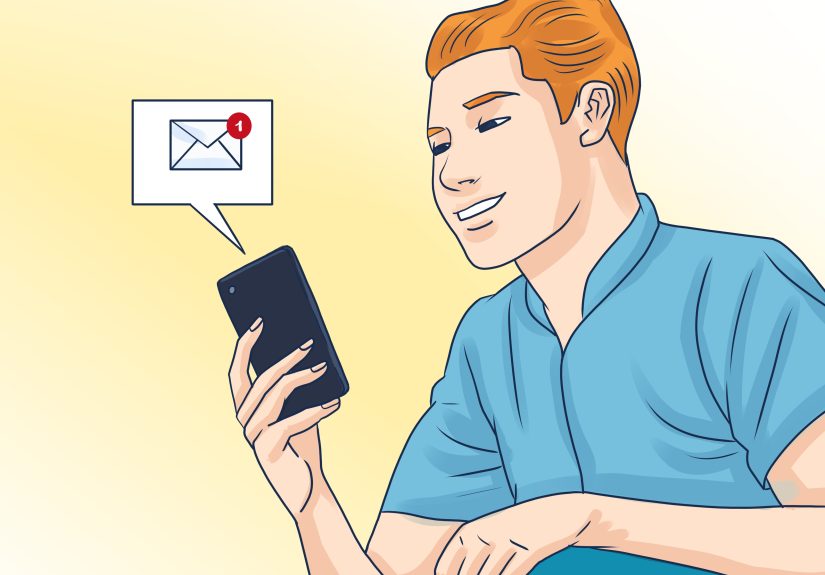
Send a simple confirmation text (and look instantly more thoughtful)
Confirming plans removes uncertainty and shows respect for someone’s time. Keep it light, clear, and confident.
Example confirmation text:
- “Still good for Thursday at 6:30? Want to meet at the front entrance?”
- “Looking forward to itcoffee at 2 works for me. See you at the patio tables?”
- “Quick check: museum at 1, then we can grab something nearby?”
Do a 60-second calm-down routine if you get nervous
Nerves are normal. Instead of fighting them, give your body a quick reset: slow breathing, a short walk, a quick pep talk with a friend, or simply
naming the feeling (“I’m excited and a little nervous”) can reduce the intensity.
During the Date: 9 Habits That Make You Unforgettable (In a Good Way)
1) Be on time (or communicate early)
Punctuality is underrated romance. It signals reliability, consideration, and basic respect. If something unavoidable happens, send a quick update with a
realistic ETAno dramatic excuses needed.
Example: “Running about 8 minutes behindparking is wild today. I’m really sorry. Be there at 6:38.”
2) Start with a warm, specific opener
You don’t need a “line.” You need a human moment. A simple compliment about something they chosean outfit detail, their laugh, their taste in musiclands
better than generic praise.
Examples:
- “You look greatalso, I love that color.”
- “I’m glad we picked this place. It’s got good energy.”
- “I’ve been looking forward to meeting you in person.”
3) Put your phone away like it’s not the third person on the date
Being “present” is one of the fastest ways to feel rare. If you must check your phone (work, family), mention it briefly and return your attention.
Example: “Just making sure there’s no emergency textokay, all yours.”
4) Use active listening, not “waiting to talk”
Active listening means you’re tracking what they’re saying, reflecting it back, and asking follow-ups that show you care about the meaningnot just the facts.
It’s the difference between “interesting” and “interested.”
Try the 3-part listening move: Mirror + Validate + Follow-up
- Mirror: “So you moved a lot growing up?”
- Validate: “That sounds like it made you pretty adaptable.”
- Follow-up: “What place felt most like home?”
5) Ask questions that invite stories (and avoid interrogation)
The goal is flow, not a job interview. Open-ended questions help. Follow-up questions help even more. But keep it light enough that it feels fun,
not forensic.
Easy story-starters (with examples):
-
“What’s been the best part of your week?”
Follow-up: “What made it so good?” -
“What do you like doing when you want to feel like yourself again?”
Follow-up: “Is that more of a solo reset or a with-friends thing?” -
“What’s a small thing you’re weirdly good at?”
Follow-up: “Okay, now I need an example.” -
“If you had a free Saturday with no obligations, what would you do?”
Follow-up: “That sounds like your kind of funhow’d you get into it?”
6) Share yourself in “stories,” not speeches
Being memorable requires you to be knownbut you don’t need a monologue. Share in bite-sized stories: a funny moment, a small opinion, a tiny lesson you learned.
Then toss the ball back.
Example: “I tried making homemade ramen once and learned I’m not emotionally prepared for 17 steps. Are you a ‘cook for fun’ person?”
7) Create one tiny “signature moment”
A signature moment is a small highlight that becomes the story later. It’s not expensive. It’s specific.
- Order a dessert you can both try and do a playful “taste rating.”
- Walk to a nearby spot with a good view or interesting street art.
- Do a quick “pick your favorite” game at a bookstore or market (best snack, worst snack, most interesting cover).
- Try something interactive: mini golf, trivia night (early and not too loud), museum scavenger hunt (“find the weirdest painting”).
8) Be kind to everyonenot as a performance, but as a default
How someone treats service staff (and strangers) stands out because it reveals character. “Polite to you, rude to others” is not charmingit’s a warning label.
9) Respect boundaries and keep it comfortable
Memorable doesn’t mean intense. It means considerate. If you’re unsure what someone’s comfortable withpace, personal topics, physical affectionask simply.
Respecting a “no” (or a “not yet”) builds trust fast.
Examples:
- “Is it cool if we talk about family stuff, or should we keep it lighter?”
- “Want to sit outside or inside?”
- “Would a hug be okay?”
How to Handle Awkward Moments Like a Pro (So You Seem More Confident)
Awkward moments are inevitable. The trick is not “never being awkward”it’s recovering quickly and kindly. A little humor and honesty turns a stumble into charm.
Common awkward moment → smooth recovery examples:
- You blank on what to say: “Okay, my brain just hit ‘loading.’ Tell me something you’re excited about lately.”
- You talk too much: “I just realized I steamrolled thatwhat about you?”
- An uncomfortable topic comes up: “That’s a big onemaybe we save that for another time. What’s something you’ve been into recently?”
First-Date Ideas That Are Memorable (and Not Over-the-Top)
The best first-date ideas make conversation easy and pressure low. Bonus points if the setting gives you “natural prompts” (things to look at, taste, or do)
so you’re not forced to carry the entire vibe on your vocal cords.
Low-stakes classics
- Coffee or tea + a walk (simple, flexible, easy exit)
- Ice cream or dessert tasting (playful, short, memorable)
- Casual lunch (daylight feels safer and calmer for many people)
Interactive dates (great if you both like “doing”)
- Museum or aquarium (built-in conversation starters)
- Mini golf or bowling (light competition, lots of laughs)
- Farmer’s market (snack sampling + easy topics)
Quiet-but-interesting dates (for people who hate loud places)
- Bookstore date (“Pick a book you’d gift someone you like.”)
- Board game café (choose something simple, not a 90-minute rulebook)
- Scenic park bench + warm drink (if weather cooperates)
Pro tip: Choose something you’d enjoy even if the date is just “fine.” That way, you never feel like you wasted your time.
Ending the Date: Leave Them Feeling Clear, Not Confused
A strong ending is direct, kind, and not overly dramatic. If you had a good time, say so. If you want to see them again, suggest something specific.
If you don’t, be polite and don’t overpromise.
If you want a second date:
- “I had a really good time. Want to do this again next weekmaybe check out that taco place you mentioned?”
- “This was fun. If you’re up for it, I’d love to see you again.”
If you’re not feeling it (without being cruel):
- “It was nice meeting youthank you for coming out.”
- “I’m glad we got to meet. Get home safe.”
After the Date: A Simple Follow-Up That Makes You Stand Out
If you liked the date, send a short message within a day. Mention something specific you enjoyed so it feels real, not copy-pasted.
Follow-up text examples:
- “I had a great time tonightstill laughing about the ‘worst vacation story’ question. Hope you got home safe.”
- “Thanks again for today. I loved hearing about your [hobby]. If you’re down, I’d love to do this again.”
- “That dessert place was a win. Next time, I’m trying the one you recommended.”
A Quick Safety and Red-Flag Checklist (Because Being Memorable Should Never Mean Being Risky)
Safety is attractive. Respect is attractive. Pressure is not. If someone pushes you to move faster than you wantwhere you meet, how long you stay,
what you sharethat’s not “romantic confidence.” It’s a boundary problem.
- Meet in public for early dates.
- Tell someone you trust where you’re going and when you’ll be back.
- Control your ride and have an exit plan.
- Watch for behavior like extreme jealousy, controlling comments, or disrespect toward you or others.
Putting It All Together: A “Memorable First Date” Blueprint
- Choose a comfortable, public plan that fits both people (coffee + walk is undefeated).
- Confirm details and show up on time.
- Start warm with a real greeting and a small, specific compliment.
- Ask open-ended questions and follow up with genuine curiosity.
- Create one signature moment (a playful mini-game, a shared dessert, a short scenic walk).
- End clearly and follow up kindly if you want to see them again.
Experience Roundup: 6 Realistic First-Date Moments (with What Made Them Memorable)
Below are six realistic “you could totally live this” first-date mini-scenes. They’re not meant to be perfect; they’re meant to show how memorable dates
usually happen: through small choices, easy humor, and a consistent vibe of respect.
1) The Coffee Date That Turned into a Great Walk
Two people meet at a busy café with big windows and lots of background buzzenough noise to feel lively, not so much that they have to shout.
The memorable part isn’t the latte art; it’s the pace. One person says, “No rushwant to grab a table or take a walk after we order?”
That tiny question signals comfort and choice. When conversation warms up, they stroll past a few shops, and the date naturally ends after an hour without
awkward “Should we stay?” pressure. Later, the standout memory is simple: “I felt relaxed the whole timeand we laughed a lot.”
2) The Museum “Scavenger Hunt” That Kept Things Playful
A museum can be intimidating if you think you need to sound smart. The memorable twist is a game: “Let’s each pick the weirdest thing we find.”
Suddenly, they’re not performingthey’re exploring. They swap reactions, make silly theories, and learn about each other’s sense of humor.
When one person admits, “I’m not an art expert, I just like interesting things,” the other visibly relaxes. The date stands out because it creates
shared moments, not just conversation. The takeaway isn’t “we saw paintings.” It’s “we had fun being ourselves in the same room.”
3) The “I’m Nervous” Moment That Became Weirdly Charming
Ten minutes in, one person accidentally knocks their water glass. It’s not catastrophic, just loud. They freeze, cheeks red, and then say,
“Okay, that’s my audition for ‘Most coordinated person alive.’” The other person laughsreal laugh, not polite laughand the tension dissolves.
What makes it memorable is the recovery: a quick apology to the server, a calm cleanup, and then a smooth pivot back to the conversation.
Instead of spiraling, they treat the moment like normal life. The memory becomes a shared inside joke, which is basically first-date gold.
4) The Date Where Kindness Did All the Heavy Lifting
The plan is simple dinner. The standout moment is how one person treats everyone: they say “please” and “thank you,” they don’t snap for attention,
and they don’t complain about tiny inconveniences. When the order comes out wrong, they handle it calmly: “No worriescould we swap this when you have a moment?”
That’s the kind of behavior that makes someone feel safe. It signals emotional steadiness. Later, the other person can’t even remember what they ate,
but they remember the vibe: “They were considerate, not entitled.” That’s the kind of memorable that lasts.
5) The Boundary Check That Built Trust Fast
The date is going well, and there’s a natural moment where physical affection might happen. Instead of assuming, one person says, “Would a hug be okay?”
It’s simple, and it changes everything. The other person says yesand later admits it felt surprisingly respectful. Even if the answer had been “not yet,”
the question itself is memorable because it shows care. People often think confidence means pushing forward. In reality, confident people can pause and ask.
That small boundary check becomes a highlight: “They made it comfortable, not complicated.”
6) The Clean Ending That Made the Second Date Easy
As the date wraps, one person doesn’t do the vague “We should do this sometime” thing. They’re clear but not intense:
“I had a really good time. If you’re up for it, want to go to the farmer’s market Saturday morning?”
It’s specific, low-pressure, and aligned with something they talked about earlier. The other person doesn’t have to decode it.
Even if schedules don’t match, the clarity feels good. The memorable part is how clean the ending isno confusion, no games, just a kind invitation.
That’s how you become “the one they’re excited to see again,” not “the one they’re unsure about.”
Conclusion
Being memorable on a first date isn’t about trying to be unforgettable. It’s about making someone feel comfortable enough to be themselves around you.
Show up on time. Be present. Ask thoughtful questions. Share real stories. Add one small signature moment. Respect boundaries. End clearly.
When you do those things, you won’t just have a “good” first dateyou’ll have the kind people talk about in a happy way.