Table of Contents >> Show >> Hide
- Introduction: Turning Thread Into Threat (to Your 9–5)
- 1) Choose Your Niche (Before You Choose Your Logo Font)
- 2) Set Up the Business Basics (Yes, the Boring Stuff)
- 3) Build a Home Sewing Workspace That Supports Profit
- 4) Price Like a Business Owner, Not a People-Pleaser
- 5) Understand Taxes and Recordkeeping (So You Don’t Panic in April)
- 6) Product Safety, Labels, and “Wait, I Need a Tag?”
- 7) Protect Yourself: Insurance and Policies That Prevent Headaches
- 8) Choose Sales Channels That Match Your Personality
- 9) Shipping, Payments, and the Art of Not Losing Money on Postage
- 10) Marketing and SEO for a Sewing Business (Without Feeling Salesy)
- 11) Workflow: The Difference Between “Busy” and “Profitable”
- Conclusion: Build the Sewing Business You Actually Want
- Experience Notes: What Usually Happens When You Start Sewing for Money (The Helpful Kind of “Oops”)
- 1) Your first bestseller probably won’t be your favorite thing to sew
- 2) Underpricing feels generous… until you’re resentful and exhausted
- 3) The real boss fight is time management
- 4) Custom work can be amazing… and also a boundary-testing carnival
- 5) Photos sell the work, not your effort
- 6) You’ll eventually become a systems person (even if you swore you wouldn’t)
- 7) Growth usually looks like “less variety, more clarity”
Because your sewing machine deserves a promotion from “hobby buddy” to “revenue-generating coworker.”
Introduction: Turning Thread Into Threat (to Your 9–5)
Starting a home sewing business is one part creativity, one part logistics, and approximately twelve parts figuring out why your favorite scissors keep
walking away. If you’ve ever thought, “I could totally sell these zipper pouches,” congratulationsyou’re already halfway to entrepreneurship. The other
half is learning how to run a home sewing business like a professional: pricing correctly, staying legal, marketing without feeling weird,
and building a workflow that doesn’t turn your living room into a fabric avalanche.
This guide breaks down how to start a sewing business from home step-by-step, with practical examples, real-world considerations, and a
healthy respect for things like taxes, labels, and the fact that customers sometimes believe “custom” means “telepathic.”
1) Choose Your Niche (Before You Choose Your Logo Font)
Pick a problem you solve
Successful sewing businesses don’t sell “sewn things.” They sell solutions: “pants that finally fit,” “curtains that don’t look like sad bedsheets,” or
“a baby blanket that doesn’t feel like sandpaper.” Start by choosing one of these paths:
- Services: alterations, repairs, tailoring, custom garments, home décor (curtains, cushions).
- Products: bags, pouches, aprons, accessories, quilts, pet items, reusable household goods.
- Digital: patterns (your own), tutorials, kits, or classes (in-person or online).
Validate demand without spiraling
You don’t need a 40-page sewing business plan to start, but you do need proof people will pay. Quick validation ideas:
- Search marketplaces for similar items and note price ranges, bestsellers, and reviews.
- Ask local groups what they struggle to find (hemming jeans, wedding alterations, RV cushion covers).
- Run a small “drop” of 10 items or a limited booking calendar for services.
Pro tip: don’t start with “anything anyone wants.” That’s how you end up making a tuxedo, a quilt, and a dog sweater… all due Friday.
2) Set Up the Business Basics (Yes, the Boring Stuff)
Choose a business structure that fits your risk level
Many home-based sewing businesses begin as a sole proprietorship because it’s simple. Some owners choose an LLC for liability separation and a more
“business-y” feel. The right choice depends on your state, your income goals, and what you’re selling (especially if products could create safety issues).
If you’re unsure, consider a quick consult with a local accountant or small business advisor.
Get the IDs and paperwork you actually need
Depending on your location and business activities, you may need local or state licenses and permits. If you plan to operate from home, check local zoning
ruleseven home businesses can be restricted. And if you need an EIN (Employer Identification Number), get it directly through the official channelsavoid
third-party sites charging fees for something that’s typically free.
Separate your business money (future-you will send a thank-you card)
Even if you start small, keep your business income and expenses separate. A dedicated bank account (and a separate card, if possible) makes bookkeeping
cleaner and taxes less chaotic. Chaos is great for abstract art. Not for receipts.
3) Build a Home Sewing Workspace That Supports Profit
Design for efficiency, not aesthetics
Your space doesn’t need to look like a magazine spread. It needs to prevent you from losing 30 minutes per order to scavenger hunts for bobbins.
A profitable home sewing setup usually includes:
- A cutting surface (even a foldable table counts)
- Task lighting that doesn’t make colors lie
- Organized storage for fabric, notions, and packaging supplies
- A dedicated “finished goods” area so completed orders don’t rejoin the chaos
Equipment: buy for your niche
If you’re doing heavy alterations or denim hems, a sturdy machine and needles matter more than decorative stitches you’ll never touch. If you’re making
knits, a serger can save time. If you’re quilting, a larger throat space can be a gift from the heavens. Start with what you have and upgrade when demand
proves it’s worth it.
4) Price Like a Business Owner, Not a People-Pleaser
Know your real costs (materials + labor + overhead)
Pricing handmade goods is where many talented makers accidentally volunteer full-time. Your price needs to cover:
- Direct materials: fabric, thread, zippers, interfacing, labels
- Direct labor: your time (yes, your time counts even if you love sewing)
- Overhead: machine maintenance, electricity, tools, packaging, software, marketing
- Fees: payment processing, marketplace fees, shipping label services
- Profit: so you can grow, replace equipment, and pay yourself like a grown-up
A simple pricing example (product)
Let’s say you sell a lined zipper pouch:
- Materials: $4.50
- Packaging: $0.75
- Labor: 35 minutes. If you target $30/hour, that’s $17.50
- Overhead allocation: $1.25
Your cost basis is about $24.00 before fees and profit buffer. If you sell on a marketplace or use card processing, you’ll need to price high enough to
still land at a healthy margin. That might put you closer to $32–$38 depending on your brand and marketespecially if shipping is “free” (spoiler: it’s not
free; it’s baked in).
Pricing for services (alterations + custom work)
For services, hourly pricing is common, but flat rates can be simpler for customers. Track your time for a month. Then set standard fees:
- Hems: base price + rush fee option
- Zipper replacements: base + zipper cost + complexity tier
- Custom garments: deposit + fittings + clear scope boundaries
Boundaries are not rude. Boundaries are how you keep your business from becoming a late-night “just one more tweak” situation.
5) Understand Taxes and Recordkeeping (So You Don’t Panic in April)
Know what you’re responsible for
Home sewing businesses are often run as small sole proprietorships at first, meaning you report business income and expenses on the appropriate tax forms.
If you’re self-employed, you may need to pay estimated taxes quarterly. Translation: set aside money from every sale and don’t spend it on fabric “because
it was on sale.” (You can still buy fabric. Just don’t buy tax money fabric.)
Home office deduction (only if you qualify)
If you use a portion of your home regularly and exclusively for business, you may qualify for a home office deduction. There’s also a simplified method
that uses a set rate per square foot up to a maximum square footage. Keep documentation and be honest about your space“my whole house is my office because
my brain is always thinking about orders” is poetic, but not how the rules work.
Keep records like you enjoy sleeping at night
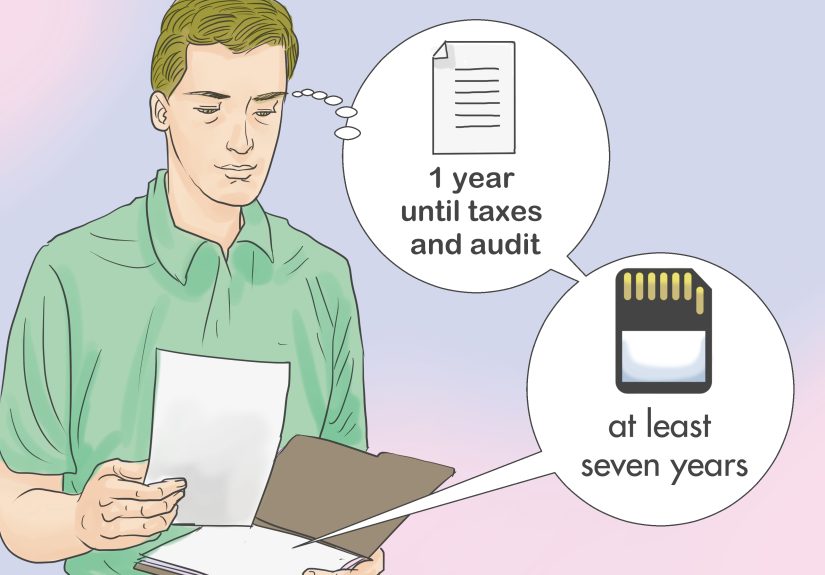
Save invoices, receipts, and proof of payment. Track mileage for business errands. Keep clear records of inventory and supplies. Tax agencies often publish
guidelines on how long to keep records, and some situations require longer retention. The easiest system is the one you’ll actually usemany small business
owners use simple accounting software, spreadsheets, or a bookkeeping app paired with a dedicated bank account.
6) Product Safety, Labels, and “Wait, I Need a Tag?”
Textile labeling basics for sewn goods
If you sell certain textile or apparel products, labeling rules may applyespecially for fiber content, country of origin, and manufacturer identity. Some
businesses use a Registered Identification Number (RN) as part of labeling requirements. If you’re selling accessories (like pouches) you may have fewer
requirements than full apparel, but it’s still smart to understand what applies to your category.
Children’s products: proceed with extra care
If you plan to sell children’s items (like baby clothing, bibs, or toys), you may be entering a world with additional safety rules, testing requirements,
and documentation such as certificates of compliance. That doesn’t mean “don’t do it.” It means “do it correctly.” Many new sewing entrepreneurs choose to
start with adult accessories or home goods while they learn the compliance landscape.
7) Protect Yourself: Insurance and Policies That Prevent Headaches
Product liability and general liability
If you sell physical goods, consider insurance options like general liability and product liability coverage. These policies can help protect your business
if someone claims your product caused injury or property damage. Even if you’re careful (and you are), accidents and misunderstandings happen. Insurance is
one of those “not fun, extremely useful” adult decisionslike keeping snacks in your car.
Write your shop policies before you need them
Policies reduce drama. Include:
- Turnaround times
- Rush fees
- Deposits for custom work
- Return/exchange rules (especially for custom items)
- Care instructions when relevant
8) Choose Sales Channels That Match Your Personality
Marketplace (like Etsy): quick audience, built-in fees
Marketplaces can bring traffic faster, but you’ll pay for the convenience through listing fees, transaction fees, payment processing fees, and sometimes
advertising-related fees. The upside: you can validate products fast. The downside: you don’t fully control the relationship with your customer. Many
sewing businesses start here, learn what sells, then expand.
Your own website: slower start, stronger brand
A website helps you build a real brand: your story, your product photography, your email list, your repeat customers. If you want long-term growth, this is
worth iteven if you start with a single page and a simple checkout.
Local options: surprisingly powerful
Don’t underestimate:
- Craft fairs and makers markets
- Consignment with boutiques
- Partnerships with interior designers (curtains, pillows, upholstery projects)
- Alterations for bridal shops or dry cleaners
9) Shipping, Payments, and the Art of Not Losing Money on Postage
Shipping like a pro
If you ship products, use tools that let you print labels online and compare service levels. Many carriers offer discounted rates for online label
purchasing versus retail counter rates. Build shipping costs into your pricing strategy, and test packaging before launchyour beautiful handmade tote bag
should not arrive looking like it fought a raccoon.
Payment processing fees: plan for them
If you sell at markets or take invoices, payment processors charge a percentage plus a small per-transaction fee (rates vary by platform and payment type).
Factor that into pricing so you’re not surprised when “$100 in sales” becomes “$96.70 after fees,” before materials, before labor, before your soul.
10) Marketing and SEO for a Sewing Business (Without Feeling Salesy)
Use SEO keywords naturally
If your goal is to show up on Google and Bing for searches like “custom alterations near me” or “handmade zipper pouch”,
your content should use phrases people actually type. Helpful pages include:
- Product pages with clear names (not “The Daisy” but “Handmade Floral Zipper Pouch”)
- Service pages (hemming, zipper replacement, bridal alterations)
- FAQ pages (turnaround times, fittings, how pricing works)
- Blog posts (care tips, sizing tips, “how to measure for curtains,” etc.)
Where sewing businesses win online
Sewing is visual, so use platforms where photos do heavy lifting:
- Instagram: behind-the-scenes, customer photos, reels of satisfying seams
- Pinterest: evergreen traffic for tutorials and product ideas
- Email: the secret weapon for repeat buyers
Example marketing plan (simple, realistic)
- Post 2x/week: one product photo, one behind-the-scenes or process tip
- Monthly blog post: answers a common question (and targets an SEO keyword)
- Quarterly product refresh: seasonal fabrics, limited editions, new colors
- Collect emails: offer a small discount or “care guide” as an incentive
11) Workflow: The Difference Between “Busy” and “Profitable”
Standardize what you can
The more you repeat, the more you earn. Standardize:
- Cutting templates and pattern pieces
- Production steps (cut in batches, sew in batches, press in batches)
- Supply lists (reorder points for zippers, interfacing, labels)
- Packaging routine (thank-you card, care instructions, shipping label)
Track the numbers that matter
You don’t need to become a spreadsheet wizard (unless you want to). But do track:
- Time per item/service
- Profit per product
- Top traffic sources (market, Etsy search, Google, Instagram)
- Repeat purchase rate
If something takes forever and sells for cheap, it’s not a “signature product.” It’s a “learning experience,” and you are allowed to graduate.
Conclusion: Build the Sewing Business You Actually Want
The best home sewing business isn’t the one that impresses strangers on the internet. It’s the one that fits your life: your schedule,
your energy, your skills, and your income goals. Start with a clear niche, price like a professional, set up the legal and tax basics, and build marketing
that feels authentic. Then refine. The first version of your business is a prototypejust like your first garment. And yes, you’re allowed to seam-rip the
parts that don’t fit.
Experience Notes: What Usually Happens When You Start Sewing for Money (The Helpful Kind of “Oops”)
Here are the most common, real-world experiences that show up when people begin a home-based sewing business. Not as horror storiesmore
like the “director’s commentary” you wish came with entrepreneurship.
1) Your first bestseller probably won’t be your favorite thing to sew
Many new sewing sellers imagine they’ll build a business on stunning, complex projectstailored coats, heirloom quilts, couture dresses. Then reality taps
you on the shoulder and says, “People would like 47 microwave bowl cozies by Tuesday.” It’s normal. Customers buy what solves a simple problem, gifts well,
ships easily, and looks cute in a thumbnail image. If your bestseller is repetitive, use it to fund the fun projects. Profit is not a betrayal of artistry.
Profit is how you keep the lights on while you make the artsy stuff.
2) Underpricing feels generous… until you’re resentful and exhausted
A super common pattern: you price low “to get started,” orders come in, you’re thrilledthen you realize you’re making less than minimum wage while also
answering messages, buying supplies, packing orders, and explaining (again) that “custom” does not include mind-reading. The fix is simple but not always
emotionally easy: raise prices, tighten your product line, and standardize your process. The customers who value handmade will stay. The bargain hunters
will wander off to search for “handmade, luxury, $7, free shipping,” which is basically a unicorn listing.
3) The real boss fight is time management
When you sew at home, you’re managing two businesses: the sewing business and the “life business.” Laundry, family, pets, and that one squeaky floorboard
that suddenly becomes loudest during phone calls. People who succeed tend to build a schedule around energy, not just hours. For example: cutting in the
morning when focus is sharp, sewing in the afternoon, admin tasks in the evening, and one designated “no sewing, go be a human” day. It’s not rigidit’s
protective.
4) Custom work can be amazing… and also a boundary-testing carnival
Custom garments and alterations can be profitable and fulfilling, but only when scope is clear. The most experienced home tailors often use:
- Written estimates (even simple ones)
- Deposits before starting
- Fitting limits (e.g., “two fittings included; additional fittings billed”)
- Clear turnaround times
This isn’t about being strictit’s about making sure your business remains a business, not a never-ending favor factory. Most good clients appreciate
clarity because it makes you look professional and reliable.
5) Photos sell the work, not your effort
You can spend five hours matching seams like a wizard, but online customers still decide in seconds. The biggest glow-up most sewing businesses get is not
a new machineit’s better photography. Natural window light, a clean background, and a few consistent angles can dramatically improve sales. Customers want
to see scale (show it in someone’s hand), details (close-ups of stitching), and use (a tote bag being carried, a pillow on a couch). When photos improve,
price resistance often drops because your work looks like a real brand, not a “maybe I made this in my kitchen” situation.
6) You’ll eventually become a systems person (even if you swore you wouldn’t)
People don’t fall in love with sewing because they adore inventory tracking. But the moment you have a dozen orders and one zipper length, systems save
your sanity. Many makers gradually adopt:
- Batch cutting and assembly-line sewing
- Reorder thresholds (“If zippers hit 20, reorder”)
- Simple bookkeeping routines (“Friday is receipts + expense tracking day”)
- Template messages for FAQs and order updates
The best part: systems don’t make your business less creative. They protect your creative energy so you can keep making.
7) Growth usually looks like “less variety, more clarity”
Early on, it’s tempting to offer everything: quilts, aprons, dog bandanas, wedding dresses, throw pillows, and “sure, I can hem your curtains.” Then you
notice which items are profitable, which customers are delightful, and which jobs make you question reality. Growth often means trimming the menu. You get
known for a few things, your production gets faster, your marketing gets simpler, and your customers trust you more because your offer is clear.