Table of Contents >> Show >> Hide
- Introduction: Blonde Dreams, But Make It Healthy
- Understanding African American Hair Before Bleaching
- Should You Bleach African American Hair at Home?
- What You Need Before Bleaching
- Do a Patch Test and Strand Test First
- How to Prepare African American Hair for Bleaching
- Step-by-Step: How to Bleach African American Hair
- Toning Bleached African American Hair
- Common Mistakes to Avoid
- Aftercare for Bleached Black Hair
- Best Color Ideas for Bleached African American Hair
- How Long Should You Wait Between Bleaching Sessions?
- Signs You Should Stop Bleaching Immediately
- Conclusion: Lighten Smart, Not Fast
- Real-World Experience: What Bleaching African American Hair Actually Feels Like
Note: Bleaching African American hair can be done beautifully, but it should be approached with patience, strand testing, moisture care, and realistic expectations. When in doubt, work with a licensed colorist who has experience with tightly coiled, curly, relaxed, loc’d, or previously colored hair.
Introduction: Blonde Dreams, But Make It Healthy
Bleaching African American hair is a little like planning a road trip from Atlanta to Los Angeles: you can absolutely get there, but trying to do it in one reckless sprint may leave you stranded on the shoulder with snacks, regrets, and a very questionable playlist. Dark, textured hair can lift to honey blonde, copper, caramel, platinum, pastel pink, or bright fashion colors, but the journey needs strategy.
African American hair is wonderfully diverse. It may be tightly coiled, loosely curly, fine, dense, low porosity, high porosity, relaxed, natural, braided, locked, color-treated, or somewhere in between. Because textured hair often bends and curves along the strand, it can be more vulnerable to dryness and breakage. Bleach adds another challenge because it opens the hair cuticle and removes natural pigment. That is why the main goal is not simply “go lighter.” The real goal is to lighten the hair while keeping it strong enough to still look like hair when the mirror moment arrives.
This guide explains how to bleach African American hair safely, what to do before bleaching, how the process works, what mistakes to avoid, and how to care for bleached Black hair afterward. We will keep things practical, honest, and just a little funnybecause hair color should be exciting, not a horror movie with conditioner.
Understanding African American Hair Before Bleaching
Texture, Porosity, and Density Matter
Before you mix bleach powder and developer, you need to understand the hair you are working with. Hair texture refers to the curl pattern or shape of the strand. Porosity describes how easily the hair absorbs and loses moisture. Density is how much hair grows on the scalp. These three factors influence how bleach behaves.
For example, fine 4A curls may process faster than thick, dense 4C hair. High-porosity hair may absorb lightener quickly but also become dry faster. Low-porosity hair may resist product at first, making even application more difficult. Relaxed hair, permanently dyed hair, or hair that has been heat-styled heavily may already have weakened bonds. Bleach does not politely ask whether your hair has been through enough. It just gets to work.
Why Dark Hair Takes Time to Lift
Most naturally dark brown or black hair contains a lot of melanin. Bleach breaks down that pigment in stages. Hair usually moves through warm tones as it lightens: black to brown, brown to red-orange, orange, gold, yellow, pale yellow, and eventually very light blonde. That orange stage is not failure. It is chemistry wearing a loud shirt.
This is why many people bleaching African American hair need more than one session to reach a light blonde. Trying to force dark hair to platinum in one day can lead to breakage, mushy strands, scalp irritation, and uneven color. A professional colorist may recommend caramel, honey blonde, copper, or balayage first, especially if the hair is fragile or previously colored.
Should You Bleach African American Hair at Home?
At-home bleaching is possible, but it is not always wise. If your hair is virgin, healthy, short, and you only want a subtle lift, a careful home process may work. However, if your hair is relaxed, color-treated, damaged, very long, very dense, or you want platinum blonde, a salon is the safer choice.
A colorist can evaluate your hair history, choose the right developer strength, apply bleach evenly, monitor processing, and tone the hair correctly. More importantly, they can stop the process before your hair crosses the line from “glowing goddess” to “crispy ramen.”
Choose a Professional If:
- Your hair has been relaxed, permed, or chemically straightened.
- You have used box dye, henna, or permanent black color.
- You want silver, platinum, pastel, or icy blonde hair.
- Your hair already breaks, sheds excessively, or feels dry and brittle.
- Your scalp is irritated, flaky, sore, or recently scratched.
- You are bleaching locs, extensions, or previously colored ends.
What You Need Before Bleaching
If you decide to bleach at home, preparation is everything. Do not begin with vibes and a random bowl from the kitchen. Use proper tools and follow product instructions exactly.
Basic Supplies
- Professional bleach powder or lightening cream
- Developer, usually 10-volume or 20-volume for safer lifting
- Non-metal mixing bowl
- Tint brush
- Gloves
- Sectioning clips
- Old towel or cape
- Timer
- Petroleum jelly or barrier cream for the hairline
- Deep conditioner
- Bond-building or strengthening treatment, if available
- Toner or semi-permanent color, if needed
Avoid using 40-volume developer at home. It lifts faster, but faster is not always better. On textured hair, a lower developer and slower process usually gives more control and less damage. Think of it as simmering a good stew instead of setting the stove on “volcano.”
Do a Patch Test and Strand Test First
Patch Test
A patch test helps check for irritation or allergic reaction. Follow the instructions on the bleach or dye product. Apply a small amount as directed, wait the recommended time, and watch for burning, swelling, itching, rash, or unusual discomfort. Even if you have colored your hair before, allergies can appear later. Your scalp does not sign lifetime contracts.
Strand Test
A strand test shows how your hair reacts to bleach. Take a small hidden section of hair, apply the bleach mixture, and check it every few minutes. Notice how fast it lifts, what color it becomes, and how the strand feels afterward. If the strand becomes gummy, breaks, or feels extremely rough, do not bleach your whole head.
How to Prepare African American Hair for Bleaching
Healthy bleaching starts days or even weeks before the actual process. The stronger and more moisturized your hair is before bleach, the better your results will be.
Two Weeks Before Bleaching
Stop harsh treatments. Avoid relaxers, perms, permanent color, heavy heat styling, and tight protective styles. If your hair is in braids or twists, remove them early enough to let your scalp rest. Bleaching right after a tight style can increase irritation because the scalp may already be sensitive.
One Week Before Bleaching
Use a moisturizing deep conditioner. If your hair tolerates protein, consider a strengthening treatment, but do not overload the hair with protein until it feels stiff. Balance is key. Hair needs strength and softness, like a good pair of jeans.
Two to Three Days Before Bleaching
Avoid scratching or aggressively brushing the scalp. Do not wash your hair immediately before bleaching unless the product instructions require it. Natural oils can provide a small buffer for the scalp. However, do not bleach hair loaded with heavy gels, waxes, oils, or silicone buildup, because product buildup may interfere with even processing.
Step-by-Step: How to Bleach African American Hair
Step 1: Detangle Gently
Start with dry, detangled hair. Use your fingers or a wide-tooth comb, working from the ends upward. Do not rip through knots. Bleach and tangles are not friends; they are messy roommates who should never share rent.
Step 2: Section the Hair
Divide the hair into four or more sections. Dense hair may need six to eight smaller sections. Clean sectioning helps you apply bleach quickly and evenly. Uneven application is one of the biggest reasons dark hair turns patchy.
Step 3: Mix the Bleach
Follow the manufacturer’s instructions for the correct ratio of bleach powder to developer. Mix until smooth and creamy. The texture should be spreadable, not runny or chalky. Never use a metal bowl because metal can react with lightener.
Step 4: Apply to Mid-Lengths and Ends First
The heat from your scalp makes roots process faster. For all-over bleaching, apply bleach to the mid-lengths and ends first, staying about half an inch away from the scalp. After those areas begin lifting, apply bleach to the roots. This helps prevent “hot roots,” where the roots turn much lighter than the rest of the hair.
Step 5: Work Quickly but Carefully
Bleach starts working as soon as it touches the hair. Apply it generously enough to fully saturate each section. Dry spots will not lift evenly. If you have very thick hair, ask a trusted friend to help with the backor better yet, book a professional appointment and let someone with training handle the acrobatics.
Step 6: Watch the Clock and the Hair
Set a timer according to the product instructions. Check the hair every 5 to 10 minutes. Do not exceed the maximum processing time. If your scalp burns intensely, rinse immediately. Mild tingling can happen, but pain is not part of the beauty package.
Step 7: Rinse Thoroughly
Once the hair reaches the desired level or the maximum time is reached, rinse with lukewarm water until the bleach is completely removed. Shampoo gently if the product instructions recommend it. Avoid hot water because it can make the scalp feel more irritated and the hair feel drier.
Step 8: Condition and Rebuild
Apply a deep conditioner or bond-building treatment. Let the hair rest. Avoid flat irons, blow dryers, tight ponytails, and rough styling right after bleaching. Your hair has just been through a major chemical workout. Give it a towel, a smoothie, and some respect.
Toning Bleached African American Hair
Bleach lightens hair, but toner adjusts the shade. If your hair lifts to orange, blue-based toner may reduce brassiness. If it lifts to yellow, purple-based toner may help create a cooler blonde. If your goal is copper, honey, ginger, or caramel, you may not need an icy toner at all.
Do not tone hair that is not light enough for the toner to work. Purple shampoo will not turn orange hair platinum. It will simply create orange hair with a faint purple attitude. For very dark hair, warm blondes, cinnamon browns, and golden highlights often look beautiful and require less aggressive lifting than pale blonde.
Common Mistakes to Avoid
Using Too High a Developer
High-volume developer can lift faster, but it also increases the risk of dryness, breakage, and scalp irritation. For many at-home situations, 20-volume is already strong enough. A slower lift is usually safer.
Bleaching Relaxed Hair Too Soon
Relaxers and bleach are both chemical processes. Combining them too closely can seriously weaken the hair. If your hair is relaxed, consult a professional before bleaching. Many stylists recommend waiting and doing a careful strand test before any lightening service.
Overlapping Bleach
When touching up roots, apply bleach only to the new growth. Re-bleaching already lightened hair can cause severe breakage. Overlap is the sneaky villain of blonde maintenance.
Expecting Platinum in One Session
Platinum blonde is possible for some people, but it is rarely a one-session miracle for naturally dark hair. Multiple sessions spaced weeks apart are often safer. Your dream color should not cost you your curl pattern.
Aftercare for Bleached Black Hair
Moisture Is Non-Negotiable
Bleached African American hair needs consistent moisture. Use hydrating shampoos, rich conditioners, leave-ins, and creams that help soften the hair. Deep condition weekly or as needed. If your hair feels limp or overly stretchy, it may need protein. If it feels hard or straw-like, it may need moisture. Listen to the hair, even when it speaks in frizz.
Wash Less Often
Many people with textured hair already wash weekly or less often. After bleaching, avoid over-washing because shampoo can remove oils and make dryness worse. Use a gentle shampoo and focus on the scalp. Let the suds cleanse the length as you rinse.
Protect Your Ends
The ends are the oldest part of your hair and often the weakest. Seal them with a lightweight oil or cream after moisturizing. Trim split ends regularly. Holding onto damaged ends for length is like keeping expired milk because the carton is pretty.
Reduce Heat Styling
Flat irons, curling wands, and hot blow dryers can worsen bleach damage. If you use heat, apply a heat protectant and choose the lowest effective temperature. Air-drying, roller sets, twist-outs, braid-outs, and low-tension styles are usually kinder options.
Sleep With Protection
Use a satin bonnet, silk scarf, or satin pillowcase. Cotton pillowcases can absorb moisture and create friction. Your blonde curls deserve luxury, even if your bedtime outfit is an old T-shirt from 2016.
Best Color Ideas for Bleached African American Hair
You do not have to go platinum to make a statement. In fact, many shades look stunning on African American hair while requiring less lift.
- Honey blonde: Warm, soft, and flattering on many skin tones.
- Caramel highlights: Great for dimension without bleaching the whole head.
- Copper or ginger: Bold, warm, and easier to achieve than icy blonde.
- Golden brown balayage: Lower maintenance and beautiful on curls.
- Champagne blonde: Soft and bright, but may require more lifting.
- Platinum blonde: Dramatic and high-maintenance; best done professionally.
- Fashion colors: Pink, blue, lavender, or green require a light base for brightness.
How Long Should You Wait Between Bleaching Sessions?
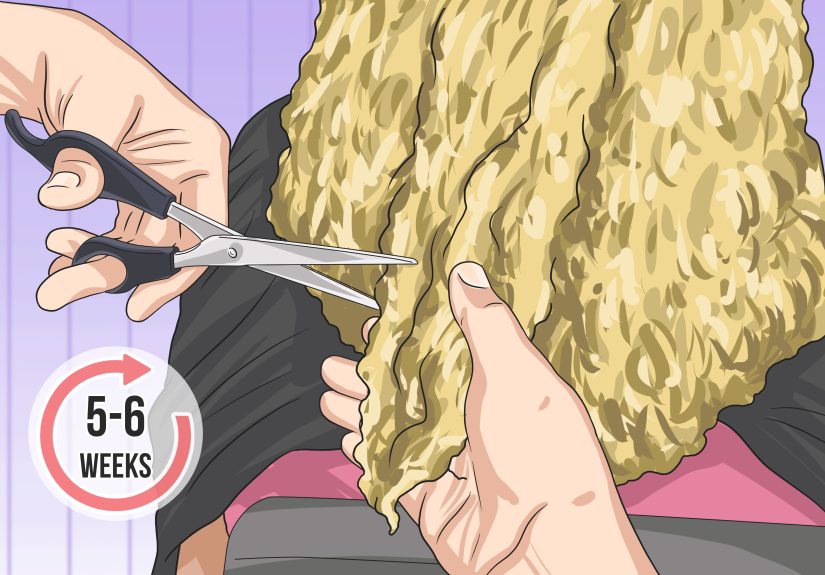
Waiting is not the glamorous part, but it is the part that saves your hair. Many stylists recommend spacing major lightening sessions several weeks apart, especially for textured hair. During that time, focus on hydration, gentle detangling, bond repair, and trimming damaged ends. If your hair still feels weak after a few weeks, wait longer.
A good rule: do not schedule your next bleach session based only on your calendar. Schedule it based on your hair’s condition. If your curls are limp, snapping, or unusually rough, they are waving a tiny white flag.
Signs You Should Stop Bleaching Immediately
- The scalp burns severely or develops sores.
- The hair feels gummy, mushy, or overly stretchy when wet.
- Strands snap when touched or combed.
- The hair smokes, heats up strangely, or smells unusually harsh.
- You see major uneven patches and are tempted to bleach again immediately.
If any of these happen, rinse thoroughly and stop. Do not apply more bleach to “fix it.” Contact a professional stylist or dermatologist if there is scalp injury, swelling, blistering, or intense discomfort.
Conclusion: Lighten Smart, Not Fast
Learning how to bleach African American hair is really learning how to respect the hair’s texture, history, and limits. The best blonde results come from preparation, patience, clean sectioning, strand testing, gentle developer choices, and serious aftercare. Bleach can create gorgeous color, but it also permanently changes the hair. That means your routine after bleaching matters just as much as the bleaching session itself.
If you want a subtle caramel glow, you may be able to achieve it with careful planning. If you want icy platinum or a major transformation, a professional colorist is the smarter route. Either way, your goal should be healthy-looking color with bounce, shine, and personality. Because yes, blonde is funbut keeping your edges, curls, coils, and confidence intact is the real luxury finish.
Real-World Experience: What Bleaching African American Hair Actually Feels Like
The first thing many people notice when bleaching African American hair is that the emotional process starts before the chemical process. You may spend days scrolling through photos of blonde afros, honey coils, copper silk presses, and platinum buzz cuts. Then you look at your own hair in the mirror and wonder, “Can we really do this, or are we about to become a cautionary tale?” That hesitation is useful. It reminds you to slow down.
A common experience is surprise at how warm the hair becomes during lifting. Someone may expect blonde after one round, but instead the hair turns reddish brown, then orange, then golden. This can be alarming if you do not understand the stages. The truth is, orange is often part of the route from dark hair to blonde. The problem starts when panic takes over and a person immediately applies more bleach. That second rushed application is where breakage often enters the chat, uninvited and disrespectful.
Another real-life lesson is that curl pattern can temporarily loosen after bleaching. Some curls bounce back with deep conditioning and protein-moisture balance, while others remain changed. People with tighter coils may notice more dryness at the ends, more tangling, or more shrinkage inconsistency. This does not mean bleaching was a disaster, but it does mean the old routine may no longer work. The hair that once loved a light leave-in may now want a richer cream. The wash day that took one hour may now need more patience, smaller sections, and gentler detangling.
Many people also discover that maintenance is a bigger commitment than the first appointment. Blonde hair can look amazing on day one, but after a few weeks, brassiness, dryness, and roots appear. Purple shampoo may help yellow tones, but it can also dry the hair if overused. Deep conditioning becomes less of a “special treat” and more of a standing appointment. Satin bonnets, moisturizing sprays, bond treatments, trims, and low-manipulation styles become part of the blonde lifestyle.
The best experiences usually come from realistic color goals. For example, someone with dark natural hair who chooses caramel highlights may enjoy brightness without sacrificing as much strength. Someone who goes copper may get a dramatic change with less lift than platinum. Someone who wants full silver-white hair may need multiple professional sessions and a budget for upkeep. None of these choices is wrong. The winning choice is the one that fits your hair condition, schedule, wallet, and patience level.
Finally, bleaching African American hair can be empowering. Hair color can feel like self-expression, reinvention, creativity, or simply a fun little plot twist. The key is not to treat bleach like a magic wand. Treat it like a powerful tool. Used carefully, it can create stunning results. Used recklessly, it can turn wash day into a courtroom drama. Respect the process, protect your hair, and remember: the best color is the one you can wear confidently without sacrificing the health of your crown.