Table of Contents >> Show >> Hide
- What “Cost of Travel” Actually Means
- Quick Travel Cost Formula (Use This as Your North Star)
- The 10 Steps to Calculate Travel Cost (Without Losing Your Mind)
- Step 1: Lock the Basics (Dates, Destination, People, Vibe)
- Step 2: Set Your Budget Type (Per Person vs. Total, and Cash vs. Points)
- Step 3: Calculate Transportation to the Destination
- Step 4: Price Out Lodging Like a Professional Skeptic
- Step 5: Build Your “Getting Around” Budget (Local Transportation)
- Step 6: Estimate Food Costs with a Daily “Spending Rhythm”
- Step 7: List Activities, Then Separate “Must-Do” from “Nice-to-Do”
- Step 8: Add Travel Insurance, Medical Prep, and Documents
- Step 9: Budget for Fees and “Invisible Spending”
- Step 10: Add a Buffer, Then Stress-Test Your Plan
- A Worked Example: 5-Day City Getaway (Simple, Realistic Numbers)
- Common Costs People Forget (a.k.a. Budget Gremlins)
- Conclusion
If you’ve ever “totally nailed” a travel budget in your headthen watched your bank account do a slow, dramatic faint welcome. Calculating the cost of travel isn’t about turning your vacation into a math quiz. It’s about knowing the real number before you’re standing in a souvenir shop asking yourself, “Do I need both this magnet and financial ruin?”
This guide shows you exactly how to calculate travel cost in 10 steps, with practical categories, realistic buffers, and a few money traps to avoid (looking at you, surprise fees). You’ll end up with a clean travel cost breakdown you can trustwhether you’re planning a weekend road trip or a two-week adventure that requires its own emotional support spreadsheet.
What “Cost of Travel” Actually Means
The cost of travel isn’t just your flight and hotel. It’s the full ecosystem of expenses that show up before, during, and sometimes after the trip (“Why did I pay $18 for airport trail mix?”).
A solid travel budget includes:
- Pre-trip costs (documents, gear, pet sitters, parking, visas, travel insurance)
- Transportation (getting there + getting around)
- Lodging (nightly rate + taxes + mandatory fees)
- Daily spending (food, transit, small purchases)
- Activities (tickets, tours, day trips)
- Miscellaneous + buffer (the stuff you didn’t know you needed until you needed it)
Quick Travel Cost Formula (Use This as Your North Star)
Here’s the simplest way to estimate travel expenses:
Total Trip Cost = (Fixed Costs) + (Daily Costs × Number of Days) + (Buffer)
- Fixed costs: flights, hotel deposits, passports, major tickets purchased in advance
- Daily costs: meals, local transportation, small attractions, coffee that “doesn’t count”
- Buffer: a safety margin for price changes, unexpected fees, and life happening
The 10 Steps to Calculate Travel Cost (Without Losing Your Mind)
Step 1: Lock the Basics (Dates, Destination, People, Vibe)
Your travel cost calculation can’t start until you define the trip “shape”:
- Where you’re going (one city? multiple stops?)
- When (peak season, shoulder season, holidays)
- How many travelers (and whether you’re splitting costs)
- Trip style (budget, mid-range, luxury, or “I don’t want to know what it costs”)
Pro tip: Write one sentence that describes the trip. Example: “Five days in San Diego, mid-range hotel, one fancy dinner, lots of beach time, minimal paid tours.” That sentence will keep your spending choices from wandering off into “accidentally booked a resort” territory.
Step 2: Set Your Budget Type (Per Person vs. Total, and Cash vs. Points)
Decide what number you’re calculating:
- Total trip cost: everything for everyone
- Cost per person: helpful if people pay separately
- Out-of-pocket cost: what you’ll pay after points, miles, or gift cards
If you’re using points for flights or hotels, still assign a “cash value” line in your budget. Why? Because points don’t cover everything (taxes, resort fees, local transit, meals), and surprises love gaps.
Step 3: Calculate Transportation to the Destination
This is usually the biggest swing in your travel cost estimate. Break it down by how you’re getting there:
Flying
- Base fare (the tempting number)
- Taxes (non-negotiable, like gravity)
- Baggage (checked bag, carry-on rules, overweight fees)
- Seat selection (optional… until it isn’t)
- Ground transport to/from airports (rideshare, parking, shuttles)
A smart trick: build two versions“personal item only” and “checked bag included.” The difference is real money.
Driving
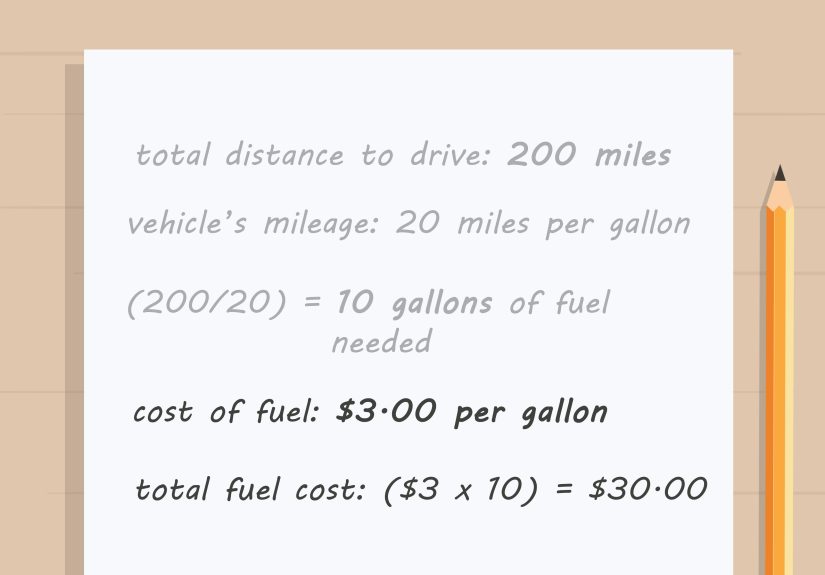
Don’t just budget for gas. Driving costs include:
- Fuel
- Tolls
- Parking (often the sneaky villain)
- Wear and tear (tires, oil, depreciationunsexy but real)
A practical shortcut is using the IRS standard mileage rate as an all-in estimate for vehicle costs. If you prefer a fuel-only approach, use a trip fuel calculator and add parking/tolls separately.
Train/Bus
Add ticket cost, baggage fees (some carriers charge), and station transfers. Often cheaper than flying, but don’t forget the “last mile” to your hotel.
Step 4: Price Out Lodging Like a Professional Skeptic
Lodging is rarely just “nightly rate × nights.” You need the total nightly cost, including:
- Nightly rate
- Taxes
- Mandatory fees (resort/destination fees, service fees)
- Cleaning fees (especially for short-term rentals)
- Parking (yes, even if you don’t like this fact)
Compare refundable vs. non-refundable bookings. Non-refundable can be cheaper, but it’s basically a handshake with fate. If your plans are even slightly wobbly, paying more for flexibility can reduce the risk of losing money.
Step 5: Build Your “Getting Around” Budget (Local Transportation)
This category saves budgetsor wrecks themdepending on planning. Choose your likely mix:
- Public transit: day passes, reloadable cards, airport lines
- Rideshare/taxis: great for convenience, dangerous for “just one more” trips
- Rental car: base rate + taxes/fees + insurance + fuel + parking
- Walking/biking: often underrated and basically free (unless you count the gelato stops)
If you’re renting a car, don’t ignore insurance. Sometimes your credit card provides coverage, but rules vary. Put a line item in your budget either way, then adjust after you confirm what you’re actually covered for.
Step 6: Estimate Food Costs with a Daily “Spending Rhythm”
Food is where travel budgets go to become “aspirational documents.” Make it real by budgeting by meal type:
- Breakfast: hotel included, coffee + pastry, or sit-down?
- Lunch: quick bites vs. restaurants
- Dinner: casual vs. one “splurge” meal
- Snacks & drinks: the silent budget assassins
If you want a structured benchmark, per diem-style thinking helps: pick a daily food number and stick to it. Some travelers even use government per diem tables as a reality check for what meals typically cost in specific cities.
And yes, if you tip (you should), include it. A budget that “forgets” tips is just a budget that’s lying politely.
Step 7: List Activities, Then Separate “Must-Do” from “Nice-to-Do”
Activities are the reason you’re travelingso budget for them intentionally instead of hoping they magically cost $0.
Make two lists:
- Must-do: the things you’ll be genuinely sad to miss
- Nice-to-do: optional add-ons if money (and energy) allow
Common activity costs to include:
- Attraction tickets and timed entry passes
- Tours and day trips
- Equipment rentals (snorkels, skis, bikes)
- Shows, events, and nightlife
Budget hack that still feels like vacation: schedule a “free day” (parks, neighborhoods, beaches, scenic drives), then spend on one paid highlight. Your trip feels full without paying admission fees every hour like it’s a subscription service.
Step 8: Add Travel Insurance, Medical Prep, and Documents
This step is where “I’m a responsible adult” energy lives. Depending on your trip, consider:
- Travel insurance: commonly priced as a percentage of prepaid, non-refundable costs
- Medical costs: prescriptions, travel clinic visits, vaccinations if needed
- Documents: passports, passport photos, expedited processing if you’re cutting it close
For U.S. passports, fees vary by age and whether you’re applying for a book, card, or both, and whether you’re expediting. The acceptance facility fee is separate from the application feeso don’t budget only half the story.
Step 9: Budget for Fees and “Invisible Spending”
Here’s the part most people skip, then pay for anyway.
- Bank/credit card fees: foreign transaction fees, ATM fees, currency conversion markups
- Connectivity: international data plan, eSIM, hotel Wi-Fi upgrades
- Laundry: longer trips, kids, beaches, or “I spilled salsa on day one”
- Souvenirs: gifts, snacks, “I needed this hoodie”
- Emergency buys: sunscreen, chargers, band-aids, umbrellas
If you’re traveling internationally, foreign transaction fees can add up fast. If you’re traveling domestically, you’ll still run into convenience fees, parking, and those mysterious “service charges” that show up like surprise guests.
Step 10: Add a Buffer, Then Stress-Test Your Plan
A travel budget without a buffer is like a road trip without a spare tire: technically possible, emotionally unwise.
Many budgeting experts recommend adding 10%–15% for unexpected costs. If your trip involves multiple cities, tight connections, or non-refundable bookings, lean toward the higher end.
Now stress-test your numbers:
- Scenario A: prices rise (flight changes, hotel taxes/fees higher than expected)
- Scenario B: you splurge once (nice dinner, upgraded room, last-minute tour)
- Scenario C: something goes wrong (missed connection, extra night, replacement items)
If any scenario breaks your budget completely, you’re not doomedyou just need to adjust. Swap one paid activity for a free day, choose lodging with a kitchenette, or tighten daily food spending. The goal is a plan that survives real life.
A Worked Example: 5-Day City Getaway (Simple, Realistic Numbers)
Let’s estimate a 5-day (4-night) trip for two adults. Your destination doesn’t matterthe structure does. Numbers below are examples to show how to build a travel cost breakdown.
| Category | Estimate | Notes |
|---|---|---|
| Flights (round trip) | $700 | $350 × 2 travelers (fares vary by season) |
| Airport transfers | $120 | Rideshare/train mix |
| Hotel (4 nights) | $1,200 | $250/night × 4 + estimated taxes/fees |
| Local transportation | $160 | $40/day × 4 days (transit + occasional rideshare) |
| Food | $700 | $70/person/day × 2 × 5 days (includes snacks) |
| Activities | $400 | Two paid highlights + smaller tickets |
| Travel insurance | $150 | Ballpark percentage of prepaid, non-refundable costs |
| Miscellaneous | $200 | Souvenirs, tips, “oops” purchases |
| Subtotal | $3,630 | |
| Buffer (10%) | $363 | Price changes + surprises |
| Total Estimated Trip Cost | $3,993 | ≈ $1,997 per person |
Notice what happened: the “flight + hotel” portion is big, but daily spending still matters. That’s why calculating travel expenses by category is more accurate than guessing one giant number and hoping for the best.
Common Costs People Forget (a.k.a. Budget Gremlins)
- Hotel parking and resort/destination fees (sometimes charged per night)
- Airline add-ons (bags, seat selection, boarding upgrades)
- Service fees on tickets and lodging
- Tolls (especially in metro areas)
- International card fees (foreign transaction fees, ATM charges)
- Tips (drivers, guides, housekeeping)
- Travel-day food (airports are not known for budget-friendly salads)
- Connectivity (data plans, roaming, Wi-Fi upgrades)
The best defense against budget gremlins is simple: when you see a price, ask, “Is this the total price after mandatory fees?” If it isn’t, keep digging until it is.
Conclusion
Calculating the cost of travel is less about perfection and more about clarity. When you break your trip into transportation, lodging, food, activities, and the “stuff nobody warns you about,” you stop being surprised by your own vacation. You can choose where to splurge, where to save, and how to travel without coming home to a financial hangover.
Travel Budget Experiences (About of Real-World Lessons)
I once planned a “cheap weekend trip” that was so cheap it somehow cost more than my regular life. The culprit wasn’t a luxury hotel or a first-class flight. It was death by a thousand tiny charges: parking fees, convenience fees, ride shares that “weren’t that far,” and meals that started as “we’ll just grab something quick” and ended as “how did we spend $86 on tacos and vibes?”
That trip taught me the single most useful travel budgeting truth: your budget should match how you actually behave on vacation. If you love trying local restaurants, don’t pretend you’re going to live on grocery-store sandwiches. If you hate waking up early, don’t base your entire plan on catching the first shuttle to save $12. Your future self will rebel, and your wallet will suffer.
Another lesson: distance lies. Not literal distanceGoogle Maps is innocent herebut the way distance turns into spending. A hotel that’s “just 20 minutes from downtown” can become a daily rideshare habit, plus the time cost of commuting. Sometimes paying a bit more for a better location reduces your total trip cost because you walk more, use less transportation, and don’t feel like you’re commuting to your own vacation.
I’ve also learned to treat buffers like seatbelts. You don’t plan to crash your trip; you plan to survive reality. Flight changes happen. Weather changes plans. One person in the group suddenly needs “the good sunscreen” because the cheap one smells like regret. A 10%–15% cushion turns those moments into mild annoyances instead of budget disasters.
My favorite practical habit is building the budget in two layers: a “Fixed Commitments” layer (everything you’ll pay no matter what) and a “Daily Freedom” layer (food, small attractions, local transit). When the daily freedom number is clear, you can play with it. Want a fancy dinner? Coolmake tomorrow a free museum day and grab breakfast from a café instead of a sit-down brunch. That’s not “cutting fun.” That’s directing fun.
Finally, I’ve stopped treating travel budgeting like a one-time calculation. The best travel cost estimate is a living thing. Update it when you book flights, when you choose lodging, when you realize you’re absolutely doing that boat tour. The payoff is huge: you relax more on the trip because you already made the money decisions at homewhen your brain is calm, your Wi-Fi is strong, and nobody is trying to upsell you “priority snorkeling.”