Table of Contents >> Show >> Hide
- What Counts as a “Mini” Succulent (and Why It Matters)
- Quick-Start Checklist (If You Only Read One Section)
- Light: The #1 Reason Mini-Succulents Struggle Indoors
- Watering: The Soak-and-Dry Method (Not the Sip-and-Die Method)
- Soil and Pots: Drainage Is Not Optional
- Temperature, Humidity, and Airflow
- Fertilizer: A Little Snack, Not a Buffet
- Repotting Mini-Succulents Without Freaking Them Out
- Troubleshooting: Tiny Plant, Big Feelings
- Mini Arrangements: The “Cute Bowl of Succulents” Reality Check
- Pet and Kid Safety
- Conclusion: Make Your Mini-Succulents Feel Like They’re Back in the Desert
- of Mini-Succulent Experiences (The Stuff You Only Learn by Doing)
Mini-succulents are the “tiny but mighty” roommates of the plant world. They look adorable on a desk, fit in mugs that should absolutely be holding coffee, and somehow convince perfectly rational adults to say things like, “I’ll just water it a little.” (Famous last words.)
Here’s the truth: caring for mini-succulents indoors is easy once you stop treating them like normal houseplants. They’re built for bright light, fast-draining soil, and infrequent deep wateringnot daily sips, not misting, and definitely not a sealed terrarium sauna. This guide walks you through the practical “why” behind each step, plus real-world fixes for the common disasters: leggy stretching, mushy leaves, and the mysterious “why is it dropping leaves like it’s unsubscribing from life?” phase.
What Counts as a “Mini” Succulent (and Why It Matters)
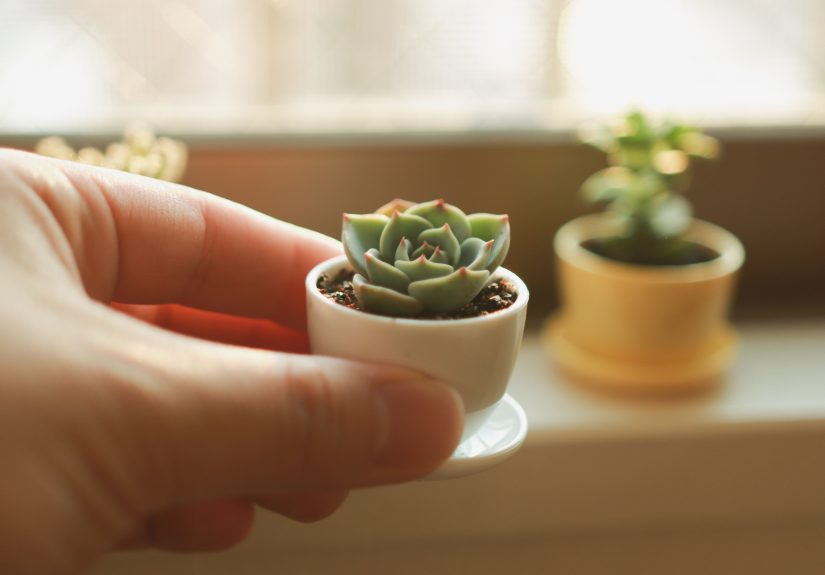
“Mini” usually means one of two things:
- A naturally small species (many haworthias and gasterias stay compact and behave nicely indoors).
- A baby plant that will grow up and ask for a bigger pot someday (many echeverias start tiny, then become dinner-plate rosettes in the right light).
The care basics are the same, but mini pots dry faster, mini roots rot faster, and mini plants show stress faster. In other words: small plant, big opinions.
Quick-Start Checklist (If You Only Read One Section)
- Light: Brightest window you have (often south or west). Rotate weekly for even growth.
- Pot: Drainage holes are non-negotiable. Terracotta is a helpful “training wheels” material.
- Soil: Gritty, fast-draining mix (cactus/succulent mix + extra mineral grit like perlite/pumice).
- Water: Soak thoroughly, then let the soil dry out completely before watering again.
- Seasonal shift: Less light = less water (especially in winter).
- Red flags: Mushy/translucent leaves = too wet. Wrinkles = usually thirsty. Stretching = not enough light.
Light: The #1 Reason Mini-Succulents Struggle Indoors
Indoors, the biggest challenge for succulents is almost always not enough light. When light is low, succulents stretch toward it (etiolation), lose their compact shape, and become more prone to rot because the soil stays wet longer.
What “Bright Light” Actually Means in a House
Think “close enough to a sunny window that you could read a menu without squinting.” Many succulents do best with several hours of strong light daily. If your home is more “cozy cave” than “sun studio,” a small LED grow light can turn struggling minis into tidy little rosettes again.
Window Placement Tips (Without the Drama)
- South-facing (Northern Hemisphere): Often the brightest. Great for sun-lovers like echeveria and many sedums.
- West-facing: Strong afternoon light; watch for heat and sudden sunburn.
- East-facing: Gentle morning sun; works well for many haworthias, gasterias, and lower-light-tolerant succulents.
- North-facing: Usually too dim for most succulents long-term without supplemental light.
Rotate Like a Rotisserie Chicken (But Less Oily)
Succulents lean toward light. Rotate the pot a quarter turn every week or two to keep growth even. This single habit prevents the “one-sided pancake rosette” look that makes people blame themselves when the plant is just doing plant math.
Acclimate to Prevent Sunburn
If you move a mini-succulent from low light to blazing sun in one jump, it can sunburnleaving pale or brown patches that don’t magically heal. Step it up over 1–2 weeks: brighter spot, then brighter, then brightest.
Watering: The Soak-and-Dry Method (Not the Sip-and-Die Method)
Most mini-succulent problems indoors come from watering too often. Succulents store water in leaves and stems. If their roots sit in wet soil, they can rot quicklyespecially in tiny pots.
When to Water (A Rule That Actually Works)
Don’t water on a calendar. Water when the soil is dry well below the surface. For minis, the top can look dry while the bottom is still wet. Check with a wooden skewer, chopstick, or your finger (if the pot is big enough). If it’s dry down an inch or two (or fully dry in a tiny pot), you’re in business.
Indoors, that might be every 1–4 weeks depending on light, temperature, pot size, and soil. In brighter, warmer conditions, they’ll dry faster. In winter or low light, they may need dramatically less water.
How to Water Correctly
- Water the soil, not the leaves. Aim at the base.
- Water thoroughly until it runs out the drainage holes.
- Let it drain completely. Empty the saucer so the pot never sits in a puddle.
- Do not water again until the mix has dried out.
Top Watering vs. Bottom Watering
Top watering (from above) is simple and works well if you can avoid splashing into the crown. Bottom watering can help rehydrate very dry, water-repellent soil: set the pot in a shallow tray of water and let it wick up through the drainage holes, then remove and drain. Either method is fine as long as the plant is not left sitting in water.
Signs You’re Overwatering vs. Underwatering
- Overwatering: soft/mushy leaves, translucent areas, black spots, leaves dropping easily, sour-smelling soil, fungus gnats partying nearby.
- Underwatering: wrinkled leaves, slight shriveling, dullness, slower growth. (Underwatering is usually easier to fix than rot.)
Soil and Pots: Drainage Is Not Optional
Mini-succulents thrive when their roots get air and their soil dries predictably. That requires the right mix and the right container.
The Best Potting Mix for Indoor Mini-Succulents
Use a commercial cactus/succulent mix, then improve it. Many bagged mixes are still a bit moisture-retentive indoors, especially in small pots. A reliable DIY blend:
- 50% succulent/cactus mix
- 50% mineral grit (perlite, pumice, or coarse sand)
The goal is a mix that drains quickly and doesn’t stay wet for days. If you water and the soil stays soggy, your mix is too organic for your indoor conditions.
Pick the Right Pot (Material + Drainage)
- Drainage holes: Yes. Always. No negotiations with physics.
- Terracotta: Breathable and helps the soil dry fastergreat for beginners.
- Glazed ceramic/plastic: Holds moisture longer; works if you’re careful and your mix is gritty.
“But My Pot Is Cute and Has No Hole” (The Cachepot Trick)
If you love a decorative pot with no drainage, use it as a cover pot: keep the succulent in a plain nursery pot (with drainage), then set that inside the decorative pot. When you water, lift the nursery pot out, let it drain fully, then put it back. This saves your plant and lets you keep your aesthetic.
Should You Put Pebbles on the Bottom?
A layer of rocks at the bottom doesn’t “create drainage” if the pot has no holeit mostly steals root space and can keep the soil wetter where roots sit. Focus on a drainage hole and a gritty mix instead. If you’re using a cachepot, keep the inner pot draining freely.
Temperature, Humidity, and Airflow
Most succulents do well in typical indoor temperatures, and they generally like the drier indoor humidity many homes haveespecially in winter. Aim for steady conditions and avoid extremes:
- Keep away from cold drafts (windows that leak winter air) and blasting HVAC vents.
- Avoid placing them directly over radiators or heat sources that cook the roots.
- Cooler nights than days are a plus for many species.
Fertilizer: A Little Snack, Not a Buffet
Mini-succulents aren’t heavy feeders. Over-fertilizing can cause weak, fast growth that’s more likely to flop and stretch. If you fertilize:
- Feed in spring/summer when the plant is actively growing (often monthly or a few times per season).
- Use a balanced houseplant fertilizer diluted to half-strength (or less).
- Skip feeding in winter or low-light conditions.
Repotting Mini-Succulents Without Freaking Them Out
Repot when roots circle the pot, the plant dries out absurdly fast, or the soil has broken down into a peat brick. Choose a pot only slightly largerthink “one size up,” not “new apartment.”
Repotting Steps
- Let the soil dry before repotting (dry roots are less fragile).
- Gently remove the plant and brush away old, compacted mix.
- Trim dead or mushy roots with clean scissors.
- Place in fresh gritty mix. Keep the crown above the soil line.
- Wait a few days before watering to let tiny root breaks callus over.
Troubleshooting: Tiny Plant, Big Feelings
Problem: It’s Stretching and Getting “Leggy”
That’s etiolationalmost always a light issue. The fix is brighter light (or a grow light) and, for badly stretched plants, propagation: cut the healthy top rosette, let the cut end dry/callus briefly, then replant in gritty soil. The base may sprout new offsets.
Problem: Leaves Are Mushy or Translucent
Classic overwatering or rot. Stop watering. Check the roots. If rot is present, remove the plant, trim away mushy tissue, let healthy parts dry, and re-root the best section. If the stem is soft all the way through, take leaf cuttings (if the species propagates that way) and start over.
Problem: Wrinkled Leaves (But the Soil Is Wet)
This one tricks people. Wrinkles often mean thirstbut if the soil is wet and the roots are damaged (from rot), the plant can’t drink. In that case, focus on root health: dry out, improve drainage, and remove rotted roots if needed.
Problem: Leaves Falling Off After You Brought It Home
Mini-succulents often come from greenhouses with ideal light and airflow. Moving into a dim room can cause stress and leaf drop. Give it brighter light, water only when dry, and don’t repot and fertilize on day one. Let it settle.
Problem: Pests (Mealybugs, Scale, Spider Mites)
Indoors, the usual suspects show up. Isolate the plant, inspect leaf joints and undersides, and treat early:
- Mealybugs: dab with 70% isopropyl alcohol on a cotton swab; repeat weekly until gone.
- Scale: gently scrape off, then treat with alcohol or horticultural soap.
- Spider mites: rinse and improve airflow; treat with appropriate insecticidal soap if needed.
Mini Arrangements: The “Cute Bowl of Succulents” Reality Check
Open dish gardens can work if every plant has similar needs (light and watering) and the container drains. The big mistake is mixing a high-light echeveria with a lower-light haworthia in one bowl, then trying to water them “evenly.” They will not negotiate.
Also: closed terrariums are usually a bad match for succulents because trapped humidity and constantly damp soil invite rot. If you want the terrarium look, choose tropical plants that like humidity insteadand let succulents keep their desert vibes.
Pet and Kid Safety
Many succulents are considered low-risk, but some popular ones can be toxic if chewedespecially jade plants, aloe, and certain kalanchoes. If you have pets that snack on greenery, place succulents out of reach and choose safer options like many haworthias, gasterias, and some echeverias.
Conclusion: Make Your Mini-Succulents Feel Like They’re Back in the Desert
The winning formula for mini-succulents as houseplants is simple: more light, less water, faster drainage. Once you nail those three, everything else fertilizer, repotting, propagationbecomes optional “leveling up.” Treat them like tiny sun-powered water bottles, not thirsty ferns, and they’ll reward you with compact growth, better color, and far fewer dramatic leaf flops.
of Mini-Succulent Experiences (The Stuff You Only Learn by Doing)
If you’ve ever brought home a mini-succulent in a two-inch pot, you’ve probably had the same thought millions of plant people have had: “This is so small. Surely it needs water.” And that’s how the overwatering origin story begins.
A super common experience: week one, everything looks perfect. Week two, a few bottom leaves get squishy, and you assume it’s “thirsty” because the top of the soil looks dry. You water again (gently, lovingly, repeatedly)… and the plant responds by turning into guacamole.
The breakthrough moment for many indoor growers is realizing that mini pots lie. The surface dries fast, but the lower half can stay damp for days, especially in a potting mix that holds moisture. That’s why people fall in love with the “skewer test” (poke a wooden stick into the soil; if it comes out cool or dark, it’s still wet) or the “lift test” (a dry pot feels noticeably lighter). Once you start checking the soil instead of the calendar, your success rate jumps.
Another classic: the cute no-drainage planter. It’s the plant version of buying shoes that hurt but look amazing. The fixusing a nursery pot inside the decorative potfeels almost too simple, but it’s one of those habits that makes you wonder why every pot doesn’t come with a warning label.
Lighting is the other big “aha.” Many people keep a mini-succulent on a desk across the room from a window because it looks great in Zoom calls. Then it slowly stretches into a tall, wobbly green antenna. When you finally move it to brighter light (or add a small grow light), new growth becomes tighter and more colorful. The old stretched part doesn’t un-stretchplants do not have access to time travelbut propagation lets you “reset” the shape. Snipping a rosette, letting it dry, and replanting feels scary the first time, and then it feels like discovering a cheat code.
And yes, sometimes you’ll still lose a plant. That’s normal. Mini-succulents are often grown fast in greenhouse conditions, stuffed into tiny pots, and sold as impulse buys. When they struggle, it’s not always a personal failureit’s usually a mismatch between “retail life” and “living room life.” The good news is that once you dial in bright light and gritty soil, your minis stop being fragile decorations and start acting like what they are: resilient little desert weirdos.