Table of Contents >> Show >> Hide
- What Does It Mean to Clarify Stock?
- Why Stock Turns Cloudy in the First Place
- Before You Start: Pick the Right Stock
- How to Clarify Stock With Eggs
- How to Clarify Stock Without Eggs
- Common Mistakes That Make Clarified Stock Go Cloudy Again
- How to Use Clarified Stock
- Frequently Asked Questions
- Kitchen Notes and Real-World Experiences Clarifying Stock
- Conclusion
If your homemade stock looks a little murky, take a deep breath and step away from the panic whisk. Cloudy stock is not a culinary crime. It still tastes good. But if you want that gorgeous, jewel-clear liquid that makes soups look fancy and sauces feel restaurant-level, clarifying stock is the move.
In simple terms, clarifying stock means removing the tiny particles, coagulated proteins, and floating bits of fat that make broth look cloudy. The classic French route uses egg whites to trap those particles and lift them out of the liquid. The egg-free route leans on patience, chilling, straining, and, if you want dramatic results, a freeze-thaw method sometimes called ice or gelatin clarification.
The good news is that you do not need a culinary degree, a copper stockpot, or a dramatic soundtrack. You just need decent stock, gentle heat, and the self-control not to stir when your instincts scream, “Do something!” This guide covers what causes cloudy stock, how to clarify it with eggs, how to clarify it without eggs, what mistakes to avoid, and how to use the finished liquid once you have achieved that crystal-clear, “did I accidentally become elegant?” result.
What Does It Mean to Clarify Stock?
Clarified stock is stock that has been cleaned up visually without losing its savory backbone. When fully clarified, it becomes consommé territory: clear, concentrated, and glossy, with deep flavor and little to no visible fat. The goal is not to turn your stock into flavored water. The goal is to remove suspended particles while keeping all the meaty, roasted, aromatic goodness intact.
Those particles usually come from proteins released by bones and meat, tiny fragments of vegetables, and bits of fat that get churned into the liquid during cooking. A stock can also turn cloudy when it boils too aggressively or gets stirred too much. Think of it this way: a calm simmer gives impurities a chance to gather and rise. A hard boil throws everything into a hot tub party, and suddenly your stock looks less “French bistro” and more “mystery potion.”
Clarifying matters most when appearance counts. If you are making a delicate soup, a clean pan sauce, aspic, or a refined broth for serving on its own, clear stock is worth the effort. If the stock is headed into chili, stew, or gravy, nobody is going to file a complaint if it is slightly cloudy.
Why Stock Turns Cloudy in the First Place
Cloudiness usually starts with protein. As meat, bones, and aromatics heat up, proteins coagulate and rise to the surface as foam. If you skim that foam and keep the pot at a gentle simmer, your stock has a better chance of staying clear. If the liquid boils hard, those impurities get pushed back into the stock, where they break apart and stay suspended.
Fat plays a role too. Even a beautifully made chicken stock can look hazy if the fat is not skimmed or chilled and removed. Vegetable particles do not help either. If onions, celery, herbs, or bones are jostled around too much, little fragments drift into the liquid and dull the clarity.
That is why the best stock for clarifying is already fairly clean: strained once, reasonably skimmed, and not boiled into chaos. Clarification is not magic, exactly. It is more like giving your stock a second chance to make a good impression.
Before You Start: Pick the Right Stock
You can clarify chicken, beef, fish, or even vegetable-based broths, but the final result depends on what you begin with. A stock that tastes rich but has only mild cloudiness is ideal. A heavily seasoned soup with noodles, beans, and yesterday’s dinner floating in it is not the best candidate.
For the easiest success, start with homemade stock that has been strained through a fine-mesh sieve. If you have time, chill it first. Cold stock lets fat solidify on top, so you can lift it off neatly. That alone improves both flavor and appearance. If the stock is gelatin-rich, even better. Gelatin gives stock body, and it also makes the egg-free freeze-thaw method possible.
One more practical note: clarified stock will not taste stronger just because it looks prettier. In some cases, especially with egg-white clarification, the flavor may seem slightly more refined and less rustic. If you want maximum intensity, reduce the clarified liquid gently after straining.
How to Clarify Stock With Eggs
This is the classic method, and it is the closest thing to a culinary magic trick. Egg whites act like tiny protein magnets. As they cook, they coagulate and grab onto floating particles. Those particles collect in a soft mass on top of the stock, often called a raft. Once the raft forms, you strain the liquid carefully, and what comes through is noticeably clearer.
What You Need
- Strained stock
- 1 egg white for a small saucepan batch
- About 1/4 cup cold water
- Fine-mesh sieve or colander
- Cheesecloth or a clean damp kitchen towel
- A pot and a ladle
Step-by-Step Method
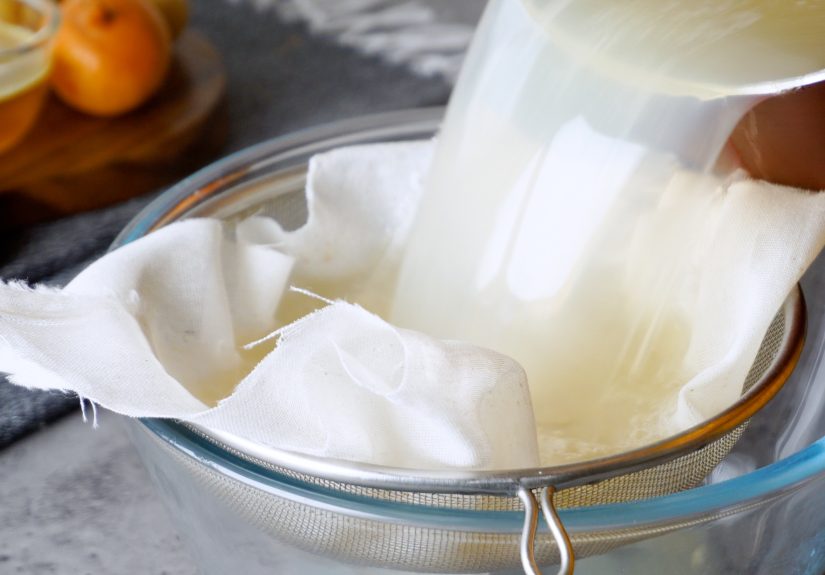
- Strain the stock first. Pour it through a sieve lined with cheesecloth to remove bones, vegetables, herbs, and obvious sediment.
- Make the egg mixture. In a small bowl, whisk the egg white with a little cold water until loose and lightly foamy. No need to whip it into a cloud.
- Add it to the stock. Stir the egg white mixture into the strained stock.
- Heat it gently. Bring the pot up to a boil, then stop. For a simple home method, once the egg white cooks and coagulates, let the stock sit briefly so the particles gather.
- Do not stir. This is the part where patience earns its paycheck. Agitating the liquid can break up the raft and make the stock cloudy again.
- Strain again. Carefully pour or ladle the stock through a cheesecloth-lined sieve into a clean bowl or pot.
- Repeat if needed. If the stock still looks hazy, you can strain it once more or run a second light clarification.
If you want the more formal consommé version, cooks often combine egg whites with minced meat and aromatics to make a sturdier raft. That produces especially clear, deeply flavored stock, but it is more work and a bit more ingredient-heavy. For most home cooks, the simpler egg-white method is enough to produce a much cleaner broth.
How to Clarify Stock Without Eggs
Maybe you are out of eggs. Maybe you do not eat them. Maybe you simply do not want your soup project to turn into a science fair. Fair enough. You still have options.
Method 1: Chill, Degrease, and Strain
This is the easiest egg-free method, and while it may not create a competition-level consommé, it can make stock dramatically clearer. Chill the stock until the fat solidifies on top, then lift that layer off with a spoon. Reheat the stock gently just until pourable, then strain it through a damp cheesecloth-lined sieve. If you want to go the extra mile, strain it twice.
This method works especially well when the stock is only mildly cloudy and the main issue is excess fat or sediment. It is low effort, low drama, and very friendly to weeknight cooking.
Method 2: Freeze-Thaw or Ice Clarification
If you want the prettiest egg-free result, this is the technique to try. Freeze the stock solid, then place it in a sieve lined with cheesecloth and let it thaw slowly over a bowl in the refrigerator. As it melts, clear liquid drips out first while gelatin, fat, and many impurities stay behind in the cloth.
The catch? It takes time. The upside? The stock can come out astonishingly clear, like it just got a promotion. This method works best with gelatin-rich stock, especially chicken or beef stock made from bones with a good amount of collagen.
Method 3: Fine Filtration for Small Batches
For small amounts, repeated straining through very fine cloth can improve clarity. It will not equal a classic egg raft or freeze-thaw method, but it can clean up the broth enough for sauces or elegant soups. This is the “I need this to look better in the next ten minutes” option.
Common Mistakes That Make Clarified Stock Go Cloudy Again
- Boiling too hard: Vigorous bubbling churns fat and proteins back into the liquid.
- Stirring after the raft forms: Once the egg white starts doing its job, let it work in peace.
- Pushing liquid through the strainer: Gravity is your friend. Shoving stock through cloth forces particles right back in.
- Skipping the first strain: Large solids should be removed before you even think about clarifying.
- Leaving stock out too long: Clear stock is still perishable stock. Cool it quickly and refrigerate promptly.
Another sneaky issue is seasoning too early. If you reduce the stock later, salt can become more concentrated than expected. Clarify first, then adjust seasoning near the end.
How to Use Clarified Stock
Once clarified, stock becomes a power player. Serve it as a simple broth with herbs and diced vegetables. Use it as the base for consommé. Build elegant sauces. Pour it around dumplings or poached chicken. Use it anywhere you want flavor without visual heaviness.
Clarified stock also makes holiday cooking look more polished. It gives gravies and pan sauces a cleaner base. It brings shine to braised dishes. It turns a simple soup course into something that looks like you ironed it before serving.
If you have leftovers, cool the stock in shallow containers and refrigerate it promptly. It also freezes well. A well-labeled container of clarified chicken stock in the freezer is the kind of quiet competence future-you will appreciate.
Frequently Asked Questions
Does clarifying stock change the flavor?
Usually it makes the flavor seem cleaner and more focused, not weaker. If it tastes too delicate, reduce it gently after clarifying.
Can I clarify store-bought broth?
Yes, although the improvement may be modest if the broth is already filtered and relatively clear. Homemade stock usually benefits more.
Do I need eggs to make consommé?
Traditional consommé usually uses egg whites. If you want a clear broth without eggs, freeze-thaw clarification is your best alternative.
Can vegetable stock be clarified?
Yes, but it can be trickier because it often has less gelatin and behaves differently from meat stock. Fine straining and careful simmering become extra important.
Kitchen Notes and Real-World Experiences Clarifying Stock
Anyone who has ever made stock at home learns the same humbling lesson: “clear” and “delicious” are not always roommates. Sometimes the tastiest pot is a little cloudy because it was made with enthusiasm, a full fridge, and maybe one too many stirs. That is why clarifying stock feels less like fixing a mistake and more like editing a good draft. The flavor is already there. You are just cleaning up the presentation.
A common home-cook experience is realizing that the stock looked fine until it was poured into a white bowl. Suddenly every floating speck becomes a headline. That is when clarifying starts to feel worthwhile. A broth that looked rustic in the pot can look restaurant-ready after one careful pass through cloth or a gentle egg-white treatment. The transformation is surprisingly dramatic, and honestly, a little smugness is allowed.
Another very real experience is overhandling the pot. The first time many cooks try to clarify stock, they poke, stir, scrape, and generally behave like curious raccoons. Then the broth goes cloudy again, and the lesson is burned into memory: once the raft forms, leave it alone. Clarifying stock rewards restraint in a way that cooking rarely does. Usually we are told to stir, whisk, toss, baste, and agitate. Here the winning move is to back off and let physics do the heavy lifting.
The egg-free route has its own personality. Chill-and-strain clarification feels practical and forgiving, like something you can do while making dinner on a Tuesday. Freeze-thaw clarification feels like a project for the kind of person who alphabetizes spices for fun. But when that first crystal-clear drip comes through the cheesecloth, even skeptics tend to become believers. It is weirdly satisfying, like unclogging a drain but much more delicious.
There is also the emotional roller coaster of stock volume. Clarification often leaves you with less liquid than you started with, which can feel mildly rude after hours of simmering. Still, what remains is refined, polished, and versatile. It is the culinary version of reducing a long rambling email into one excellent sentence.
Perhaps the best real-world takeaway is this: not every stock needs to be clarified. For noodle soup on a rainy night, slightly cloudy broth is charming. For a dinner party first course, clarified stock brings drama in the best way. Once home cooks understand the difference, they stop treating clarity as a universal rule and start using it as a stylistic choice. That is where the confidence kicks in. You are no longer asking, “Did I mess this up?” You are deciding, “Do I want cozy or crystal clear?” Both are valid. One just happens to wear a tuxedo.
Conclusion
Learning how to clarify stock is one of those kitchen skills that sounds fussy until you try it. Then it clicks. With eggs, you get the classic raft method that creates a clean, elegant broth. Without eggs, you can still get a noticeably clearer result through chilling, straining, and freeze-thaw clarification. The biggest secrets are simple: start with a decent stock, avoid aggressive boiling, strain carefully, and resist the urge to stir once the clarification begins.
So yes, you can absolutely keep serving cloudy broth when the situation calls for comfort over cosmetics. But when you want a stock that looks polished, tastes clean, and makes people wonder whether you suddenly trained in Paris, clarification is worth every careful ladle.