Table of Contents >> Show >> Hide
- What Feng Shui Wants From a Bedroom (Hint: Not Chaos)
- Step 1: Put Your Bed in the “Commanding Position”
- Step 2: Balance Both Sides of the Bed (Yes, Even If You’re Single)
- Step 3: Declutter Like Your Sleep Depends on It (Because It Might)
- Step 4: Mirrors, TVs, and Other “Active Energy” Plot Twists
- Step 5: Choose Feng Shui Bedroom Colors That Feel Like a Deep Breath
- Step 6: Materials and ShapesSoften the “Sharp Edges” of Life
- Step 7: Light, Air, and the “Invisible Decor” That Changes Everything
- Step 8: Add “Good Energy” Details (Without Turning Your Bedroom into a Gift Shop)
- Troubleshooting: Feng Shui Bedroom Problems in Real Homes
- A Weekend Feng Shui Bedroom Checklist
- Conclusion: Feng Shui Is Less Magic, More Mood Management
- Real-World Experiences: What People Notice After Feng Shui Bedroom Changes
Your bedroom has one main job: help you sleep like a well-fed house cat with zero emails. Feng shui agrees.
Not in a “hang a crystal and your life becomes a montage” way, but in a practical, design-forward way:
place the bed where you feel safe, reduce visual noise, and pick colors and materials that calm your nervous system.
If you’ve ever rearranged your furniture and immediately felt 14% more like a functional adult, congratulations
you’ve already flirted with feng shui.
Below is an expert-informed, real-world guide to a feng shui bedroom that feels supportive, restful, and quietly confident
like it drinks water and minds its own business.
What Feng Shui Wants From a Bedroom (Hint: Not Chaos)
Feng shui is essentially the art of setting up your space so you can relax and recharge. In feng shui terms,
bedrooms thrive on yin energy: soft, quiet, restorative. That means your layout and decor should reduce
“active” stimulation (visual clutter, harsh lighting, buzzing electronics) and increase comfort (balanced furniture
placement, cozy textures, grounded colors).
Think of it like designing a room for your future selfthe one who goes to bed on time and doesn’t doomscroll until
their phone melts into their face. This is that room.
Step 1: Put Your Bed in the “Commanding Position”
If feng shui had a favorite child, it would be bed placement. Experts often emphasize the “commanding position”:
you can see the bedroom door while lying in bed, but you’re not directly lined up with it. Why? It helps you feel
protected and in controltwo feelings your brain enjoys when it’s trying to fall asleep.
The quick checklist for better bed placement
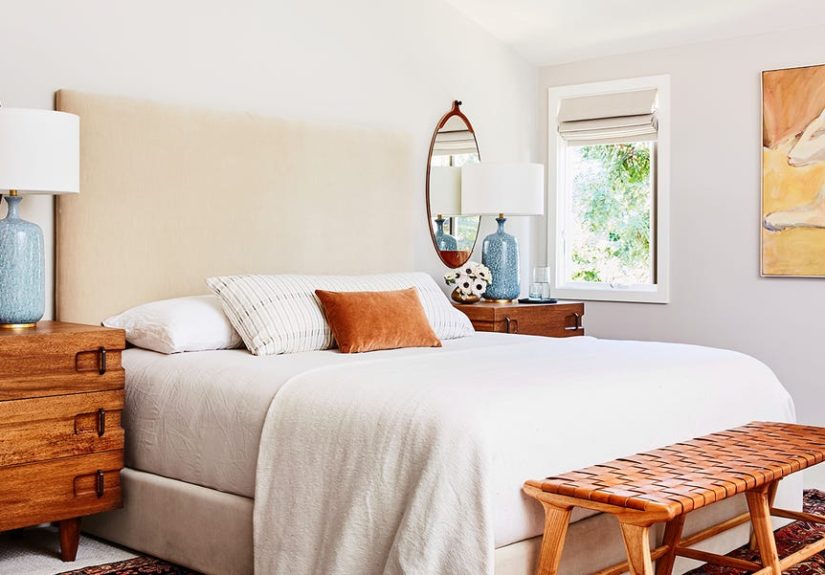
- See the door: Position the bed so you have a clear view of the entrance.
- Avoid direct alignment: Don’t place the bed straight in line with the door (often called the “coffin position”).
- Use a solid wall: Anchor the headboard against a sturdy wall for a sense of support.
- Avoid windows when possible: A bed under a window can feel exposed and less restful.
Choose a real headboard (your wall deserves a break)
A sturdy headboard is commonly recommended because it adds visual and physical “backing.” Upholstered or solid wood
tends to read as more calming than something spindly or full of busy cutouts. Minimal fuss, maximum support.
If your room refuses to cooperate, try “good enough” fixes
Not every bedroom allows a perfect command position. If you can’t move the bed exactly where you want, you can still
improve the feeling of security:
- Use a bench or ottoman at the foot of the bed to create a gentle boundary.
- Add curtains if your bed is near a window to soften exposure at night.
- Try a room divider if the bed is too close to the door.
- Ground with a rug under the bed to visually “plant” it in the room.
Step 2: Balance Both Sides of the Bed (Yes, Even If You’re Single)
A classic feng shui guideline is to create balance on both sides of the bedspace to walk, matching (or at least
visually equal) nightstands, and paired lighting. The idea isn’t to force symmetry for symmetry’s sake; it’s to
avoid an energeticand practicallopsided situation where one person gets a nightstand and the other gets… vibes.
What balance looks like in real bedrooms
- Two nightstands (they can be different, but aim for equal visual weight).
- Two lamps or wall sconces for even, soft lighting.
- Access on both sides so the bed doesn’t feel trapped in a corner.
If space is tight, try floating shelves as nightstands or wall-mounted sconces to free up surface area.
Balance is the goal, not a furniture shopping spree.
Step 3: Declutter Like Your Sleep Depends on It (Because It Might)
Clutter is often described as a sleep disruptor in feng shui because it adds visual “to-do lists” to a room meant
for rest. Even if you don’t believe in energy flow, your brain does believe in unfinished businessespecially when
it can see it from the pillow.
The under-the-bed rule
Many feng shui experts recommend keeping the space under the bed clear to allow airflow and a lighter feeling around
sleep. If you truly need storage, keep it limited to soft, sleep-related items (extra linens, seasonal blankets),
not old paperwork, gym guilt, or that box labeled “misc cables??”
Nightstand surfaces should not look like a convenience store counter
Aim for a calm “landing strip” next to the bed: a lamp, a coaster, a book you’ll actually read, and maybe one
meaningful item. If your nightstand holds skincare, chargers, receipts, water bottles, and three emotional support
hair ties, consider a small tray or drawer organizer to visually quiet the scene.
Step 4: Mirrors, TVs, and Other “Active Energy” Plot Twists
Mirrors: use wisely, don’t jumpscare yourself at 3 a.m.
A common feng shui guideline is to avoid mirrors facing the bed. Mirrors can “activate” a spacereflecting light,
motion, and visual stimulation. If you love a mirror in the bedroom, place it where it doesn’t reflect the sleeper,
or cover it at night (fashionable scarf, sliding panel, or closet placement can all work).
Electronics: your bedroom is not a coworking space
Feng shui advice often discourages TVs and excessive electronics in the bedroom, since they bring “awake” energy into
a room intended for rest. Design-wise, screens also add harsh rectangles and cord clutter (and emotionally, they add
“just one more episode,” which is a known liar).
If removing the TV isn’t realistic, try these compromises:
- Hide it: Put it in an armoire or use a framed-TV style with calming art mode.
- Cover it at night: A simple fabric panel can reduce visual stimulation.
- Move chargers away from the bed: Create a charging station across the room.
- Reduce cord chaos: Use cord covers or cable management so the room feels calmer.
Step 5: Choose Feng Shui Bedroom Colors That Feel Like a Deep Breath
Color in feng shui is often linked to mood and the five elements, but experts frequently come back to a simple rule:
your bedroom colors should support rest. Think warm neutrals, gentle earth tones, and muted hues that don’t shout
for attention when you’re trying to sleep.
Easy, expert-approved color directions
- Warm neutrals and earth tones: beige, sand, soft taupe, warm gray, terracotta accents.
- Soft blues and greens: calming and coolespecially in muted, dusty versions.
- Go easy on bright reds and oranges: often considered too stimulating for sleep spaces.
- Use black sparingly: grounding when balanced, heavy if overdone.
A practical approach: keep the largest surfaces (walls, bedding) in calmer tones and add personality in removable
layerspillows, throws, artso the room stays restful but not boring.
Step 6: Materials and ShapesSoften the “Sharp Edges” of Life
Bedrooms tend to feel more yin (restful) when they include soft textures and fewer aggressive lines. Rounded forms
and cozy materials help the space feel nurturing instead of “conference room with a mattress.”
What to add
- Natural fibers: cotton, linen, wool, rattan details, or warm wood tones.
- Soft layers: upholstered headboards, plush rugs, textured bedding.
- Warm lighting: layered lamps or sconces instead of a single overhead spotlight.
What to reduce
- Sharp corners aimed at the bed: reposition pointy furniture edges when possible.
- Overly busy patterns: save the high-energy prints for spaces meant for activity.
- Too many hard surfaces: balance wood/metal/glass with textiles.
Step 7: Light, Air, and the “Invisible Decor” That Changes Everything
Feng shui translates to “wind and water,” and many experts emphasize the feel of fresh air and natural light.
A bedroom that’s bright in the day and softly lit at night tends to feel more balancedand more sleep-friendly.
Simple upgrades that make a big difference
- Layer your lighting: bedside lamps + a soft ambient light source.
- Use warm bulbs: avoid harsh, blue-toned lighting at night.
- Air it out: open a window regularly (even briefly) to refresh the room.
- Choose calming scents carefully: subtle is better than “candle that fights back.”
Step 8: Add “Good Energy” Details (Without Turning Your Bedroom into a Gift Shop)
Art that supports rest
Pick artwork that makes you exhale. Many feng shui practitioners suggest avoiding imagery that feels lonely,
stressful, or chaotic in a bedroom. Choose serene landscapes, soft abstracts, or images that feel supportive
and uplifting.
Plantsyes, but be strategic
Some feng shui traditions like plants for vitality, and many people enjoy how greenery softens a room. For bedrooms,
choose low-maintenance plants and keep them from cluttering nightstands. If you’re sensitive to pollen or fragrance,
prioritize simplicity and clean air over a jungle aesthetic.
Pairs and intention (subtle, not theatrical)
A classic feng shui idea is using pairs to symbolize balancetwo lamps, two pillows, two nightstands. It’s less
“summon romance” and more “create a room that doesn’t feel lopsided.” Even if you live alone, balanced design
reads as calmer.
Troubleshooting: Feng Shui Bedroom Problems in Real Homes
Small bedroom? Make space with “visual calm”
- Go lighter on wall color and bedding to keep the room airy.
- Use wall sconces to free up nightstand space.
- Choose closed storage to hide visual clutter.
- Keep pathways cleareven a narrow clear path feels more restful than obstacle course chic.
Bed under a window?
If it’s unavoidable, add a solid headboard and use layered window treatments (like blackout curtains plus sheers)
to create a more protected, anchored feeling. You’re aiming for “secure cocoon,” not “camping trip with headlights.”
Mirror closet doors facing the bed?
Consider adding curtains, sliding panels, or removable window film to soften reflections at night. Even a simple
fabric solution can reduce the “active” feel.
Work desk in the bedroom?
If you must work where you sleep, separate zones visually: a screen, a curtain, or even positioning the desk so it’s
not in your direct line of sight from bed can help your brain stop associating the bedroom with productivity stress.
Bonus points for putting the laptop away at night like it’s a gremlin and midnight is approaching.
A Weekend Feng Shui Bedroom Checklist
- Move the bed so you can see the door but aren’t lined up with it.
- Add (or upgrade) a solid headboard.
- Create balance: two nightstands and two light sources if possible.
- Clear under the bed; relocate anything stressful.
- Declutter nightstands and dressersaim for calm surfaces.
- Remove or cover mirrors that face the bed.
- Reduce electronics; hide cords and move chargers away.
- Choose soothing colors: warm neutrals, earth tones, muted blues/greens.
- Layer lighting and soften the room with textiles.
- Air out the room and refresh bedding for an instant “reset.”
Conclusion: Feng Shui Is Less Magic, More Mood Management
A feng shui bedroom isn’t about perfectionit’s about support. The best setups help you feel safe, calm, and
gently held by your environment. Start with bed placement and clutter (the two biggest levers), then refine with
balanced lighting, restful colors, and softer materials. If your room feels calmer after a few tweaks, that’s not
just “energy.” That’s good design doing its job.
Real-World Experiences: What People Notice After Feng Shui Bedroom Changes
Once people start applying feng shui principles to a bedroom, the first “experience” is usually not mystical at allit’s
incredibly practical: the room feels easier to live in. Many report that simply moving the bed out of direct alignment
with the door changes how the room feels at night. When the bed is positioned so you can see the entrance, the space often
reads as more securelike your brain can stop standing guard and finally clock out. Even if you don’t consciously think,
“Ah yes, my commanding position,” you may notice fewer middle-of-the-night wake-ups that feel oddly alert.
The second common experience is a drop in “visual stress.” Clearing the nightstand and the top of the dresser sounds
almost too simple, but people frequently notice they fall asleep faster when the first and last things they see aren’t
clutter piles. A bedroom with calmer surfaces doesn’t remind you of errands, overdue returns, or the emotional burden of
37 bobby pins. It’s the difference between a sleep sanctuary and a tiny museum of unfinished tasks.
Under-the-bed storage is another surprisingly emotional trigger. When people pull out boxes of paperwork, old gadgets,
or anything that screams “adult responsibilities,” they often describe the bed feeling lighterless like it’s sitting
on top of problems. Even those who keep storage under the bed but switch to soft items (extra linens, off-season blankets)
tend to report a calmer vibe. It’s not that your duvet is a spiritual guru; it’s that your brain doesn’t associate it with
taxes.
Then there’s the mirror situationarguably the most dramatic because it’s so immediate. People who cover a mirror facing
the bed or reposition it frequently say the room feels quieter at night. Part of that is lighting: mirrors bounce and
amplify any brightness from streetlights, screens, or a hallway glow. But part of it is psychological. Waking up half-asleep
and catching a reflection can feel like a micro-jolt of stimulation, and nobody needs that at 3:07 a.m.
Electronics are where intentions meet reality. Many people don’t remove the TV, but they do start “softening” ithiding it,
covering it, or at least moving chargers away from the bed. The common experience here is less late-night scrolling and
fewer mornings that begin with, “Why did I watch a 40-minute video about sinkholes?” Creating even a small boundary between
sleep and screens often nudges behavior in a healthier direction.
Finally, balance on both sides of the bed tends to create an unexpected feeling of being cared foreven for solo sleepers.
Two lamps, paired pillows, and accessible space can make the room feel finished, intentional, and supportive. People often
describe it as “hotel energy” in the best way: calm, functional, and ready for rest. And if a bedroom feels ready for rest,
you usually are, too.